
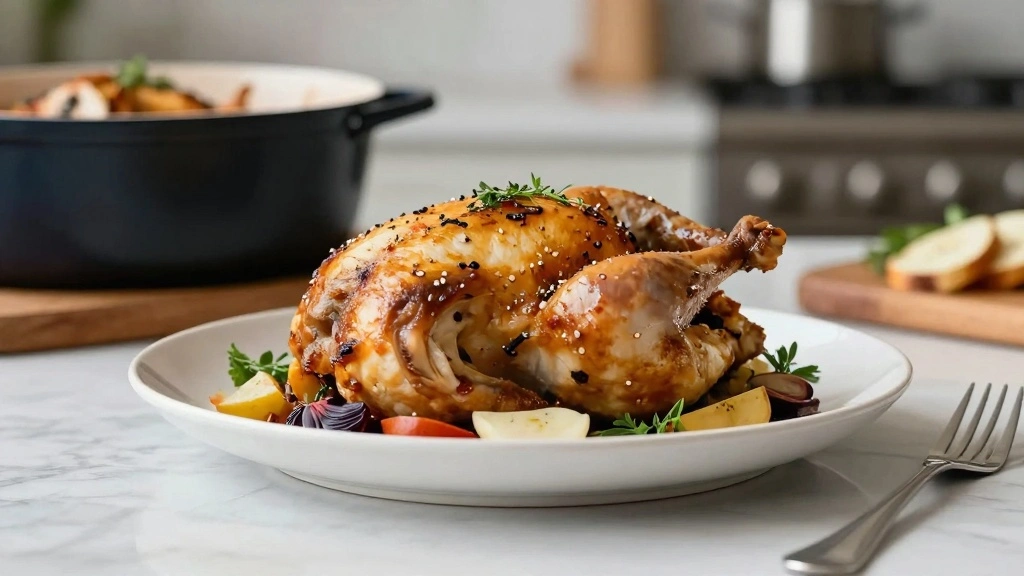
Imagine a chilly evening where the aroma of a slowly cooked meal fills your home, warming both heart and space.
Dutch Oven Chicken is the quintessential cozy dinner, perfect for those who love to savor each moment of the cooking process.
With its rich, savory flavors and enticing aromas, this dish is more than just a meal—it’s an experience.
It brings together tender chicken, aromatic herbs, and hearty vegetables, all slowly melding together in a beautiful symphony of taste.
This recipe is perfect for family gatherings, where everyone can enjoy the warmth and comfort of a home-cooked meal.
Get ready for a culinary journey that combines tradition with the satisfaction of a slow-cooked masterpiece.
The History and Cultural Significance
• Dutch Oven Chicken traces its origins to the 17th century Netherlands, where it was originally created by Dutch settlers.
• The dish evolved over decades as it traveled to the New World, incorporating local ingredients like corn and squash, eventually becoming the beloved version we know today.
• In American culture, this dish traditionally appears at family gatherings and potlucks, symbolizing warmth and togetherness.
• While many variations exist across different regions, the authentic version maintains a slow-cooking method that sets it apart from imitations.

Quality Enameled Dutch Oven: The Lodge Essential Enamel Cast Iron Dutch Oven gives you all the benefits of cast iron cooking, great heat retention and durability, without fear of rust; it's also PFAS free

Even Heat Distribution Retention: This Umite Chef Dutch oven Made with heavy-duty enameled cast iron, ensures even heat distribution for perfect searing and slow cooking, locking in flavors. thickened walls lock in heat for slow braising, searing, and baking. Unlike thin pots that scorch food, this professional-grade Enameled cast iron potSuperior heat retention after preheating (allow 5-7 mins for even distribution). CRITICAL: Always cool naturally for 45+ mins before cleaning. Thermal shock (hot-to-cold contact) cracks enamel. USE TIP: Preheat 2-3 mins on medium-low only

Recipe Overview

【8X Faster + 4X More Precise】: Upgraded with an industrial-leading professional thermocouple sensor, Themomonster meat thermometer digital with NIST certified ±0.5℉ precision provides you the accurate temperature of your food in just 0.5 Seconds.

【Fast & Accurate】Our meat thermometer digital delivers accurate readings within ±1°F in just 1–2 seconds, with a wide temperature range of -58°F to 572°F (-50°C to 300°C). No more waiting over the heat - know your food's exact temperature instantly.

FOOD SAFETY: Thermometer displays true oven temperature instantly to ensure safe food preparation
Nutritional Information (per serving)

HIC Kitchen’s Classic French Beechwood Spoon with long strong handle is an essential kitchen tool for cooking, baking, mixing, stirring, and serving

Reliable material: Our cooking spoon is made of wood, which is carefully polished, with a bright and smooth surface without burrs. Wooden spoons for cooking is light in weight but durable and can be use repeatedly

18-inch Extra Long Handled Cooking Spoon: Easy to hold with a loop. This giant wooden spoon is made of natural hard beechwood in Ukraine (Europe). Will last years
Essential Equipment Guide
Dutch Oven: This heavy, cast-iron pot with a tight-fitting lid is crucial for even heat distribution and moisture retention. Alternatives like a heavy pot can work, but a true Dutch oven gives the best results. Look for features like an enamel coating for easy cleaning.
Meat Thermometer: Ensures the chicken is cooked to a safe internal temperature without overcooking. Instant-read thermometers are a great choice. A built-in timer or alarm can be helpful to prevent overcooking.
Wooden Spoon: Perfect for stirring without scratching the pot’s surface. Silicone spatulas can be an alternative. Look for a spoon with a long handle for ease of use.


IDEAL FOR FAMILY MEALS - Perfectly sized for families of 3–5 people, this 5.5QT Dutch oven handles everything from hearty soups and stews to one-pot dinners, pasta dishes, and Sunday pot roasts. Spacious enough for a whole chicken yet practical for everyday cooking, it delivers the ideal balance between daily family meals and weekend entertaining. Also well-sized for artisan bread bakers who want one pot for both family dinners and sourdough baking.

Ingredients

Moisture-Locking Lid: The Lodge Essential Enamel Cast Iron Dutch Oven features a moisture-locking design ideal for roasting, braising, and slow cooking pot meals

Even Heat Distribution Retention: This Dutch oven Made with heavy-duty enameled cast iron, ensures even heat distribution for perfect searing and slow cooking, locking in flavors. thickened walls lock in heat for slow braising, searing, and baking. Unlike thin pots that scorch food, this professional-grade Enameled cast iron pot maintains steady temperatures

IDEAL FOR FAMILY MEALS - Perfectly sized for families of 3–5 people, this 5.5QT Dutch oven handles everything from hearty soups and stews to one-pot dinners, pasta dishes, and Sunday pot roasts. Spacious enough for a whole chicken yet practical for everyday cooking, it delivers the ideal balance between daily family meals and weekend entertaining. Also well-sized for artisan bread bakers who want one pot for both family dinners and sourdough baking.
For the Chicken
|
|
| Amount | Ingredient | Notes |
|---|---|---|
| 1 whole | chicken | about 4 pounds, cleaned and patted dry |
| 2 tablespoons | olive oil | for browning |
Seasonings
| Amount | Ingredient | Notes |
|---|---|---|
| 1 teaspoon | salt | enhances flavor |
| 1 teaspoon | black pepper | adds depth |
| 2 teaspoons | paprika | adds color and warmth |
Vegetables
| Amount | Ingredient | Notes |
|---|---|---|
| 2 medium | carrots | peeled and sliced |
| 1 large | onion | chopped |
| 3 cloves | garlic | minced for aroma |
Herbs
| Amount | Ingredient | Notes |
|---|---|---|
| 2 sprigs | thyme | fresh, for fragrance |
| 1 sprig | rosemary | fresh, for earthiness |
Preparation Methods
Browning: This involves searing the chicken in the Dutch oven to create a flavorful crust. It enhances the flavor and locks in moisture. Use high heat and ensure the oil is hot before adding the chicken.
Slow Cooking: A method of cooking at a low temperature over a long period. This results in tender meat and rich flavors. Patience is key, so avoid lifting the lid too often.
Deglazing: Involves adding liquid to the hot pan to loosen and lift the flavorful browned bits. This step adds depth to sauces and gravies. Use a wooden spoon to gently scrape the bottom of the pot.

Instant Read Meat Thermometer | Our instant read thermometer features a temperature probe and advanced, highly accurate technology with a 1-2 second response time. Our instant read food thermometer comes pre-calibrated with instructions and a meat temperature chart, plus a recalibration feature if needed.

【Fast & Accurate】Our meat thermometer digital delivers accurate readings within ±1°F in just 1–2 seconds, with a wide temperature range of -58°F to 572°F (-50°C to 300°C). No more waiting over the heat - know your food's exact temperature instantly.

Step 1: Prepare Ingredients
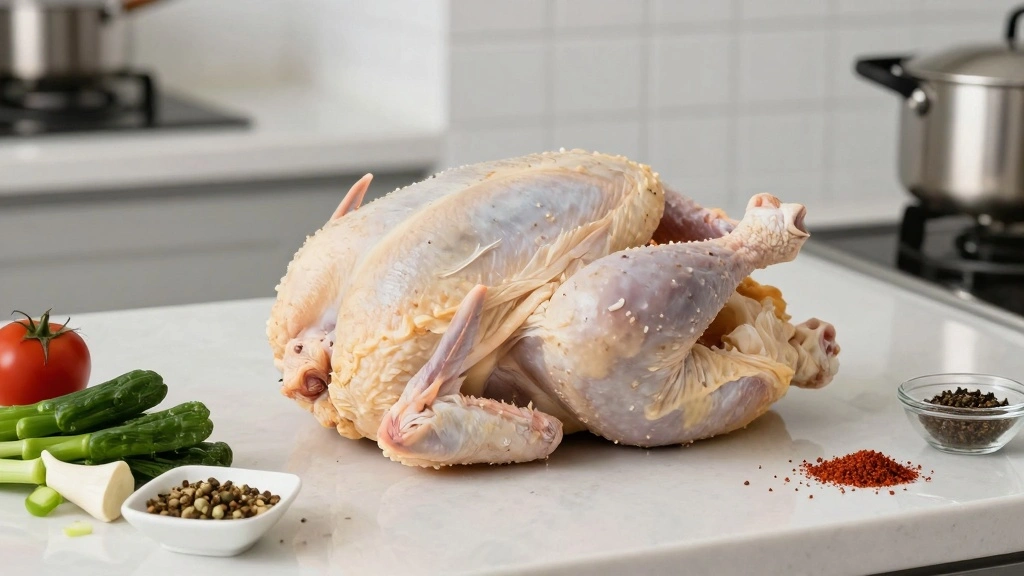
Gather all the ingredients and equipment needed.
Clean and pat dry the whole chicken.
Chop the vegetables and set them aside.
Measure out the seasonings and herbs.

Quality material: these mixing spoons with long handle are made of quality wood material with a smooth surface and without burrs, sturdy and durable, the mixing spoon is retro, lightweight, easy to grip and heat-resistant, very suitable for non-stick pans, so you don't need to worry about scratching the surface and you can use them safely on the non-stick cookware

14" MASTER EXTRA-LONG DESIGN: Tailored for large stockpots, pasta pots, and Dutch ovens! This 3-piece set of 14-inch round wooden cooking spoons provides excellent leverage for simmering heavy soups and tossing large family meals. These extra-long wooden mixing spoons keep hands safely away from hot steam, yet aren't too bulky for easy drawer storage. Tackle heavy-duty tasks with these golden-ratio wood spoons for cooking—the ultimate wooden spoons for cooking

Large Size Dimensions: 18-inch long and 2-inch wide huge spatula - crawfish paddle stirrer for mixing and stirring in large boiling pots, steamer pots, jambalaya pots, and outdoor cookers. Made in Ukraine (Europe)
Step 2: Brown the Chicken
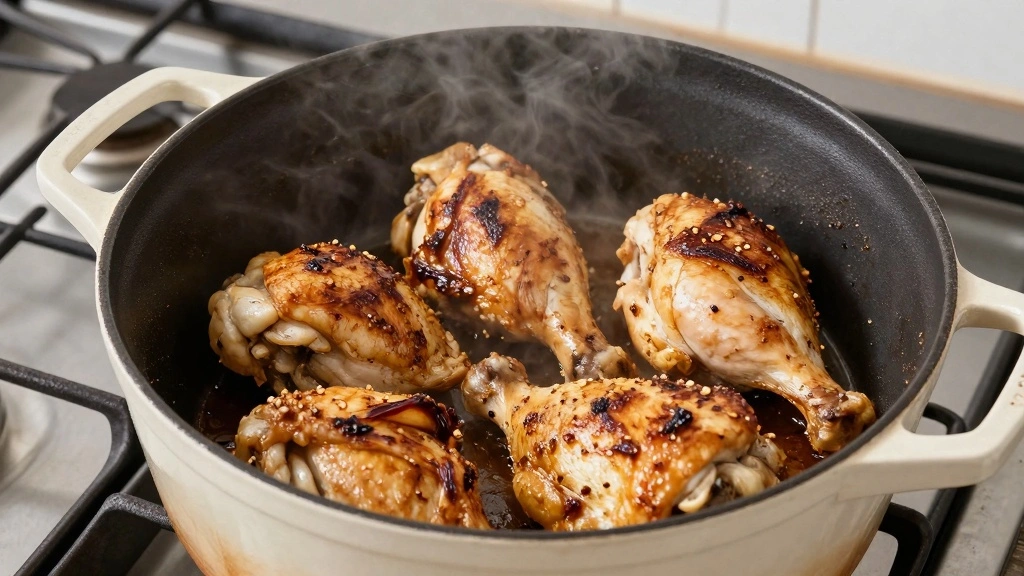
Heat olive oil in the Dutch oven over medium-high heat.
Place the chicken in the pot and sear each side until golden brown.
Ensure that the skin is crispy and golden.
Remove the chicken and set it aside.

Moisture-Locking Lid: The Lodge Essential Enamel Braiser features a moisture-locking design ideal for broiling, braising, baking, or roasting

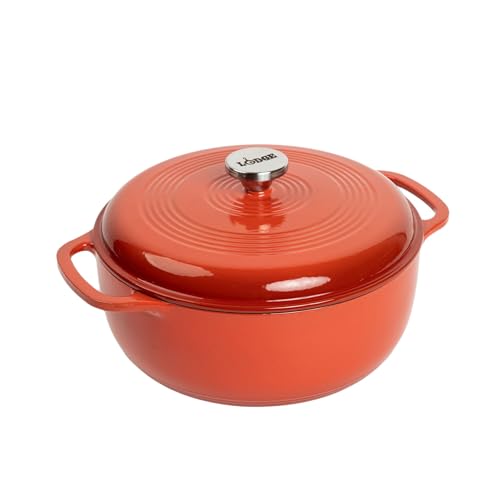
Quality Enameled Dutch Oven: The Lodge Essential Enamel Cast Iron Dutch Oven gives you all the benefits of cast iron cooking, great heat retention and durability, without fear of rust; it's also PFAS free
Step 3: Sauté the Vegetables
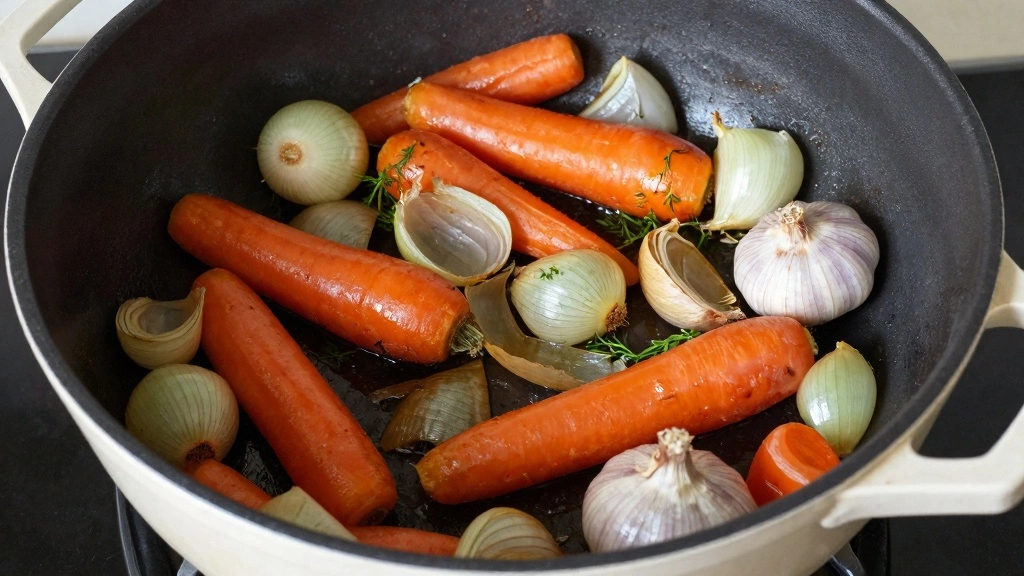
Add chopped onions, carrots, and garlic to the same pot.
Sauté until the onions are translucent and fragrant.
Stir occasionally to prevent sticking.
Ensure the vegetables are soft but not browned.

Moisture-Locking Lid: The Lodge Essential Enamel Cast Iron Dutch Oven features a moisture-locking design ideal for roasting, braising, and slow cooking pot meals

【2-IN-1 DUTCH OVEN SET】This cookware and bakeware set includes 5 qt dutch oven with 2 qt lid, They are enough large to make a dish for 4 -5 people at least, Dutch oven pot is great for baking bread and roasting chicken in the oven, braising, stewing and simmering food on the multi stoves, such as electric, gas, ceramic, induction or halogen cooktop, The matching lid not only can be a cover but also can be a skillet for frying fish and making pancake, A ideal gift for family and friends

Moisture-Locking Lid: The Lodge Essential Enamel Cast Iron Dutch Oven features a moisture-locking design ideal for roasting, braising, slow cooking, and baking bread
Step 4: Deglaze the Pot
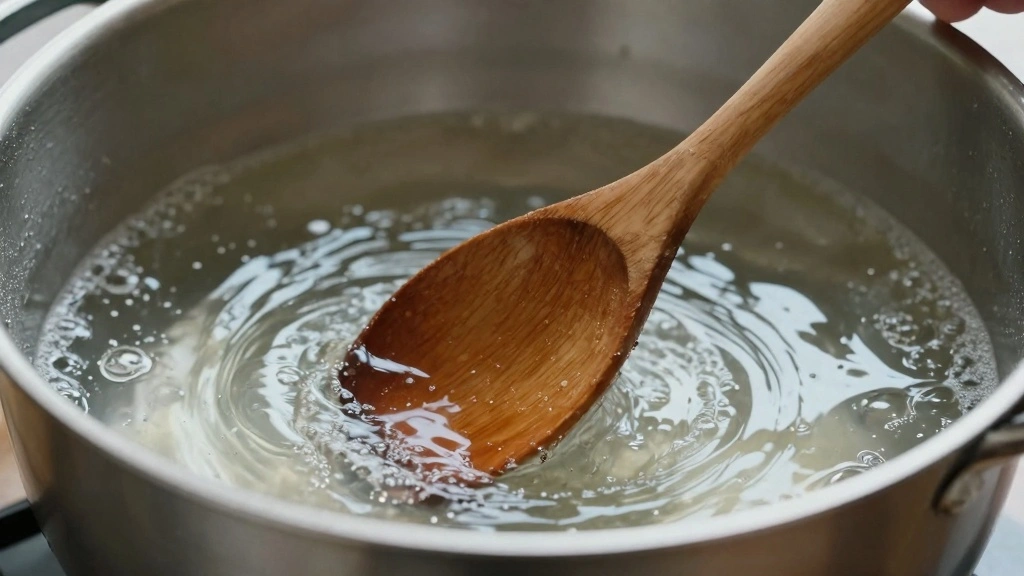
Pour a small amount of chicken broth or wine into the pot.
Scrape the bottom with a wooden spoon to lift the browned bits.
Let it simmer for a minute to reduce slightly.
Ensure the liquid is flavorful and bits are dissolved.
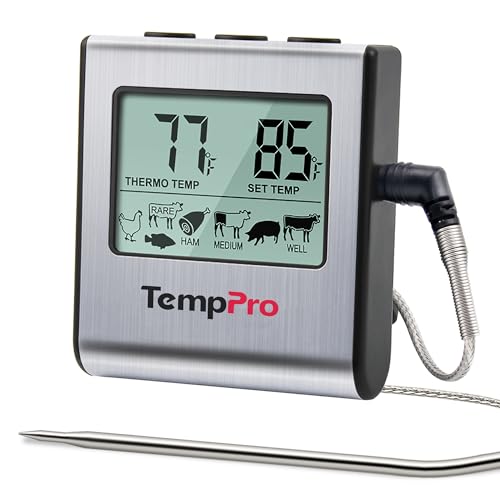
Cook mode with USDA preset temperature settings: TempPro cooking thermometer ideal for meat, oven, smoker or stove top; Programmable alert with preset temperatures for specific foods recommended by USDA; All of the preset temps can be reset to your desired tastes

【Easy to Use】Easily release the meat probe at the push of a button, and control the backlight or power with another button. With TempPro, cooking becomes a seamless, stress-free experience

Fast and Accurate Reading: Kitchen thermometer for cooking features a 1 second readout speed and high accuracy of +/-0.9 degrees Fahrenheit, ensuring you receive the most delicious results every time
Step 5: Add Chicken and Seasonings
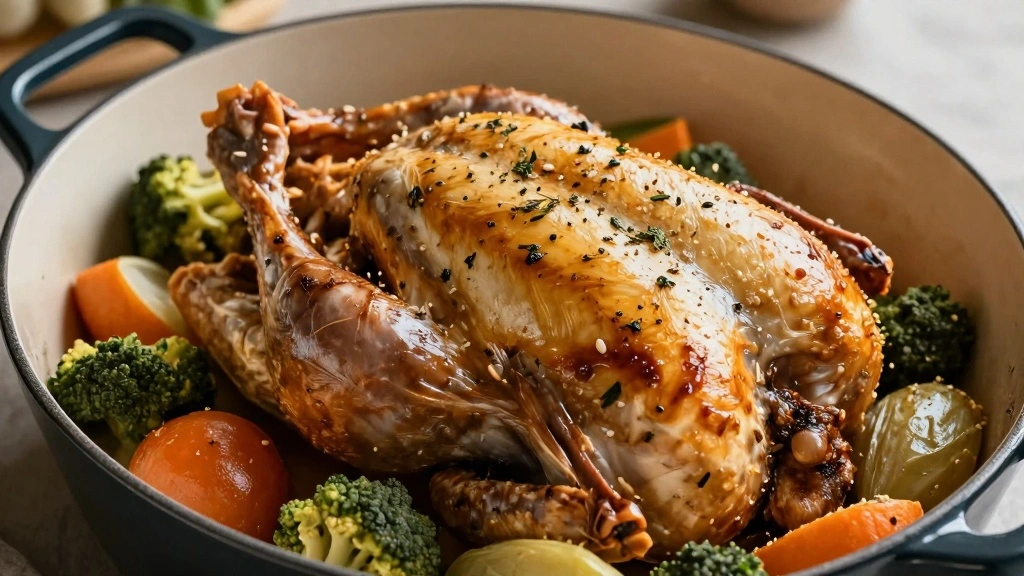
Return the chicken to the pot, nestling it among the sautéed vegetables.
Sprinkle with salt, pepper, and paprika.
Add fresh thyme and rosemary sprigs on top.
Ensure the chicken is partially submerged in the liquid.
Step 6: Begin Slow Cooking
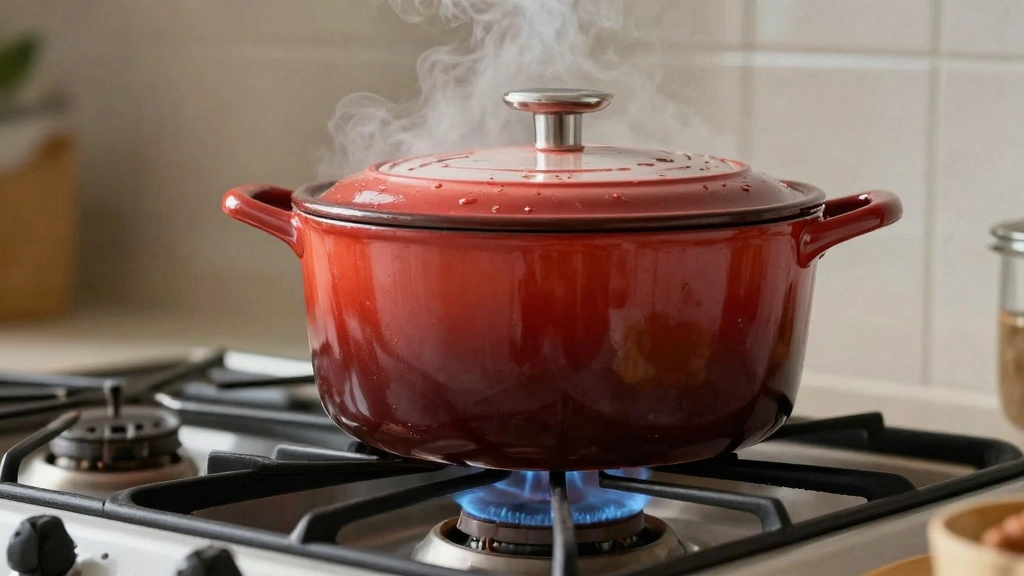
Cover the Dutch oven with its lid.
Reduce heat to low and let it cook for 2-3 hours.
Check occasionally to ensure steady simmering.
Avoid lifting the lid frequently to retain heat.
Step 7: Check for Doneness
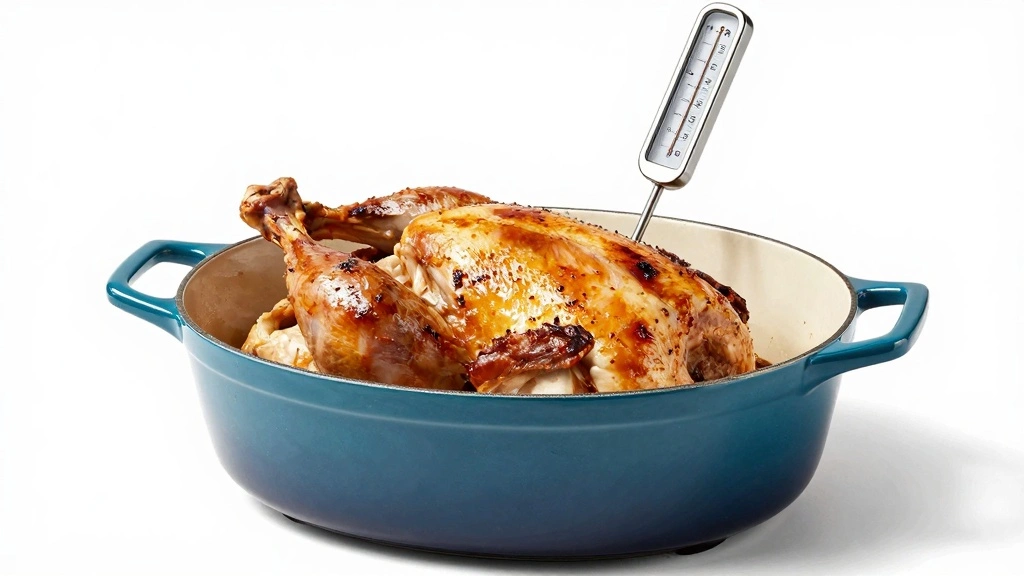
Insert a meat thermometer into the thickest part of the chicken.
Ensure it reads at least 165°F.
Look for clear juices running from the chicken.
If needed, cook a bit longer until fully done.
Step 8: Serve and Enjoy
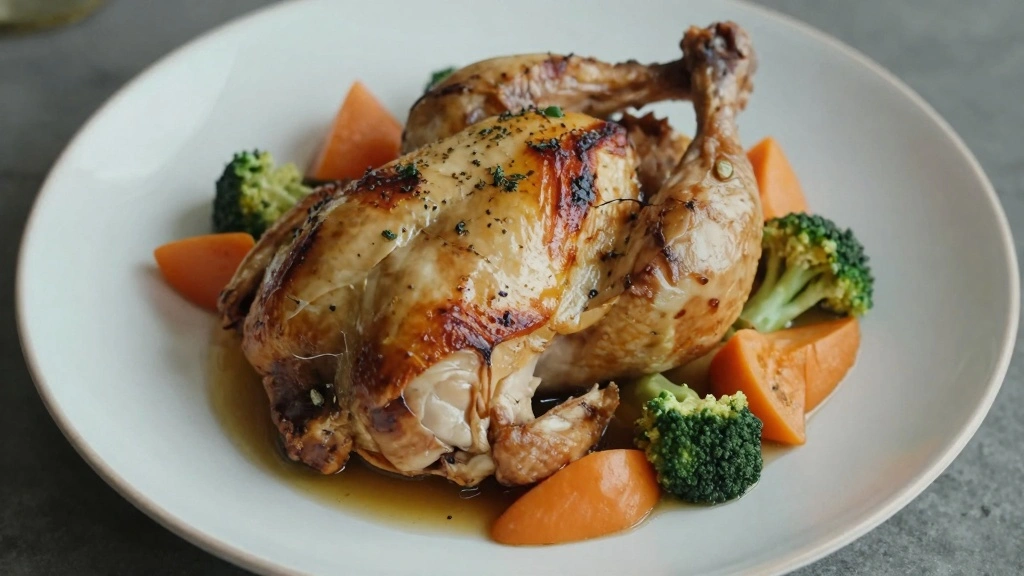
Carefully remove the chicken from the pot.
Let it rest for a few minutes before carving.
Serve with the cooked vegetables and juices.
Garnish with fresh herbs if desired.
Critical Timing and Temperature Guide
Browning the Chicken: Sear at medium-high heat for 5-7 minutes per side until golden brown. Look for crispy skin and avoid burning.
Slow Cooking: Maintain a low simmer for 2-3 hours. Ensure a steady, gentle bubble without boiling too rapidly.
Final Temperature Check: Chicken should reach 165°F internally. Juices should run clear, and meat should be tender.
Pro Tips for Dutch Oven Chicken
• Ingredient Selection: Use organic chicken and fresh herbs for superior flavor and texture.
• Preparation Secret: Marinating the chicken overnight with herbs enhances flavor deeply.
• Temperature Management: Bring chicken to room temperature before cooking for even browning.
• Texture Enhancement: Let the chicken rest after cooking to redistribute juices.
• Flavor Layering: Add a splash of wine during deglazing for a rich, complex sauce.
• Make-Ahead Strategies: Prepare vegetables and seasonings the day before to save time.
• Restaurant-Quality Finishing Touches: Garnish with fresh rosemary sprigs for a professional look.
• Equipment Optimization: Preheat the Dutch oven for even cooking and optimal heat retention.
Troubleshooting Common Issues
• Chicken Too Dry: Caused by overcooking or high heat. Ensure proper cooking time and temperature. Baste the chicken with juices during cooking.
• Flavors Unbalanced: Too much or too little seasoning. Adjust seasoning levels gradually and taste frequently.
• Vegetables Undercooked: Ensure they are chopped evenly and sautéed properly before slow cooking.
• Sauce Too Watery: Caused by inadequate reduction. Allow extra simmering time with the lid off to thicken.
• Chicken Underdone: Check internal temperature and cook until it reaches 165°F. Return to the pot if needed.
Variations and Regional Differences
• French Coq au Vin: Uses red wine and mushrooms, with bacon for added richness.
• Italian Pollo alla Cacciatora: Includes tomatoes, olives, and capers for a Mediterranean flair.
• Spanish Pollo al Ajillo: Features garlic and sherry, with a touch of saffron for color.
• Asian-Inspired Soy Braised Chicken: Incorporates soy sauce, ginger, and star anise for an umami-rich profile.
Food Science Behind the Recipe
• Maillard Reaction: Responsible for browning the chicken and developing rich flavors during searing.
• Collagen Breakdown: Slow cooking breaks down collagen in chicken, resulting in tender meat.
• Flavor Infusion: Herbs and seasonings permeate the meat during slow cooking, enhancing taste.
Frequently Asked Questions
What's the most common mistake people make when preparing Dutch Oven Chicken? Overcooking the chicken, resulting in dryness. Use a meat thermometer to ensure perfect doneness.
Can I use a different type of meat? Yes, turkey or duck can work, but adjust cooking times accordingly.
How can I make this dish gluten-free? Ensure all seasonings and broths are certified gluten-free.
Is it possible to cook this in a slow cooker instead? Yes, but results may vary as slow cookers distribute heat differently.
What's the best way to store leftovers? Store in an airtight container in the refrigerator for up to 3 days.
Can I freeze the cooked dish? Yes, freeze in portions for up to 3 months. Reheat gently to maintain texture.
How do I know if my Dutch oven is the right size? It should comfortably hold the chicken and vegetables with some room for air circulation.
Serving and Presentation Guide
• Traditional Presentation: Serve family-style directly from the Dutch oven at the table.
• Individual Plates: Carve chicken and serve with a portion of vegetables and sauce on each plate.
• Garnishing: Sprinkle with fresh herbs or a lemon wedge for a pop of color and flavor.
• Accompaniment: Pair with crusty bread to soak up the flavorful juices.
Conclusion
Dutch Oven Chicken is more than just a meal; it's a culinary experience that brings warmth and comfort to any occasion.
With its rich flavors and tender texture, it's sure to become a family favorite.
Embrace the joy of slow cooking and create lasting memories with this classic dish.
Give this recipe a try, and enjoy the delightful symphony of flavors in every bite.