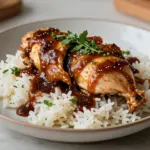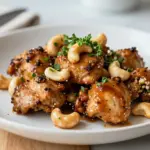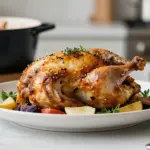
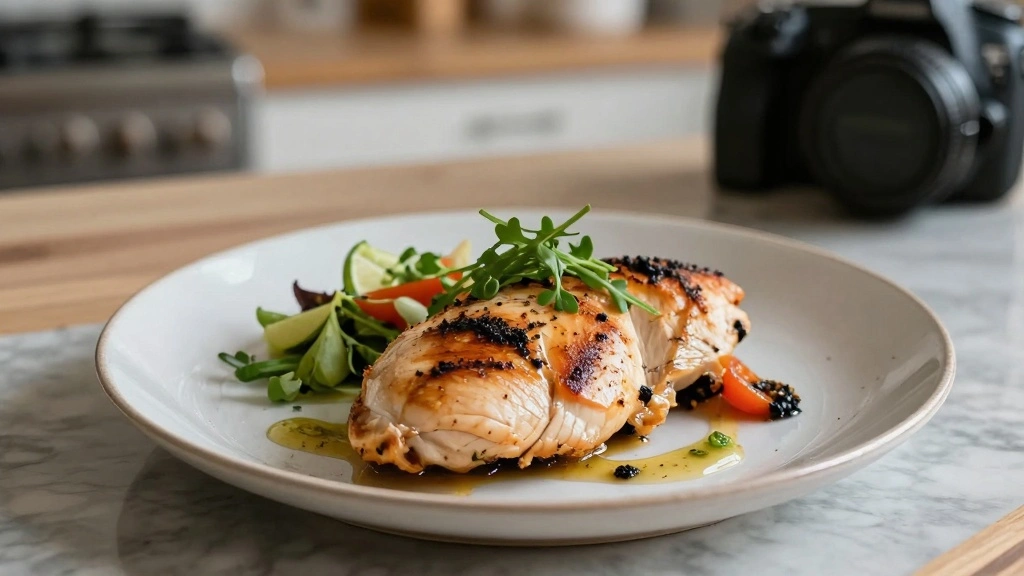
The allure of a perfectly cooked chicken breast lies in its simplicity and delightful juiciness.
This versatile dish complements a myriad of sides, making it a staple in many households.
I first encountered this recipe during a family gathering, where its tender, flavorful meat was the star of the meal.
The balance of subtle herbs and a hint of citrus creates a refreshing profile that elevates everyday dining.
Whether you’re a seasoned cook or a kitchen novice, mastering this recipe will boost your culinary confidence.
So, let’s dive into creating a dish that promises satisfaction with every bite.
The History and Cultural Significance
• Juicy Chicken Breast traces its origins to the French culinary tradition, where it was originally created by chefs seeking to highlight the natural flavors of the meat.
• The dish evolved over decades as cooking techniques improved with the advent of modern kitchen appliances, eventually becoming the beloved version we know today.
• In many cultures, this dish traditionally appears at family gatherings and celebrations, symbolizing comfort and togetherness.
• While many variations exist across different regions, the authentic version maintains its hallmark tenderness and flavor infusion that sets it apart from imitations.
Recipe Overview
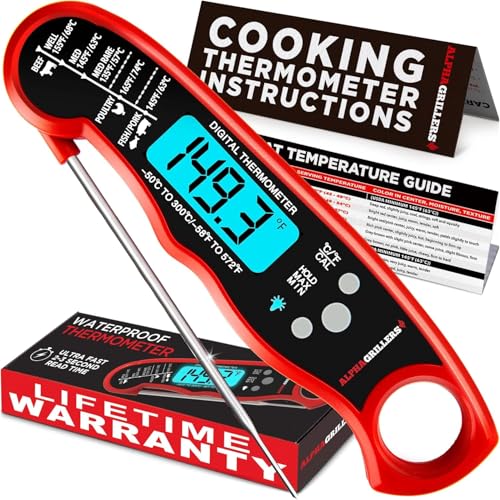
Instant Read Food Thermometer | Our instant read thermometer features a temperature probe and advanced, highly accurate technology with 1-2 seconds response time; Instructions, meat temperature chart, comes pre-calibrated for your convenience, and recalibrating feature if needed.

【Ultra-Fast & Precision Accurate】This meat thermometer digital delivers accurate readings within ±1°F/±1°C in just 1–2 seconds, with a wide temperature range of -58°F to 572°F (-50°C to 300°C). No more waiting over the heat - know your food's exact temperature instantly.

Fast and Accurate Reading: Kitchen thermometer for cooking features a 1 second readout speed and high accuracy of +/-0.9 degrees Fahrenheit, ensuring you receive the most delicious results every time
Nutritional Information (per serving)
Essential Equipment Guide
Cast Iron Skillet: A cast iron skillet retains heat evenly, ensuring that the chicken cooks consistently and achieves a beautiful sear. Alternatives include stainless steel pans, but they may not hold heat as effectively. Look for a well-seasoned skillet to prevent sticking.
Meat Thermometer: This tool is crucial for accurately gauging the internal temperature of the chicken, preventing undercooking or overcooking. Digital thermometers are preferred for quick readings. Ensure it is calibrated correctly for precision.
Kitchen Mallet: A kitchen mallet is used to pound the chicken breast to an even thickness, promoting uniform cooking. If unavailable, a rolling pin can work as a substitute, but a mallet provides more control.
Ingredients
For the Chicken
|
|
| Amount | Ingredient | Notes |
|---|---|---|
| 4 pieces | chicken breasts | boneless, skinless |
| 1 tablespoon | olive oil | adds richness |
| 1 teaspoon | salt | enhances flavor |
Seasonings
| Amount | Ingredient | Notes |
|---|---|---|
| 1 teaspoon | black pepper | freshly ground |
| 1 teaspoon | paprika | adds color and depth |
| 1 tablespoon | lemon juice | for a zesty finish |
Herbs
| Amount | Ingredient | Notes |
|---|---|---|
| 1 teaspoon | thyme | dried, aromatic |
| 1 teaspoon | oregano | dried, earthy flavor |
Preparation Methods
Brining: Brining involves soaking the chicken in a saltwater solution to enhance moisture retention during cooking. This is vital for ensuring the chicken remains juicy and flavorful. To master this, dissolve salt in warm water, allow it to cool, then submerge the chicken for at least 30 minutes.
Pounding: Pounding the chicken breast to an even thickness ensures it cooks uniformly. This prevents parts of the chicken from drying out while others remain undercooked. Use a kitchen mallet, starting from the center and working your way outwards gently.
Searing: Searing locks in the chicken's juices and adds a delightful crust. Heat the skillet until it's hot before adding the chicken to achieve a perfect sear. Avoid crowding the pan, which can cause steaming instead of searing.
Step 1: Prepare Ingredients
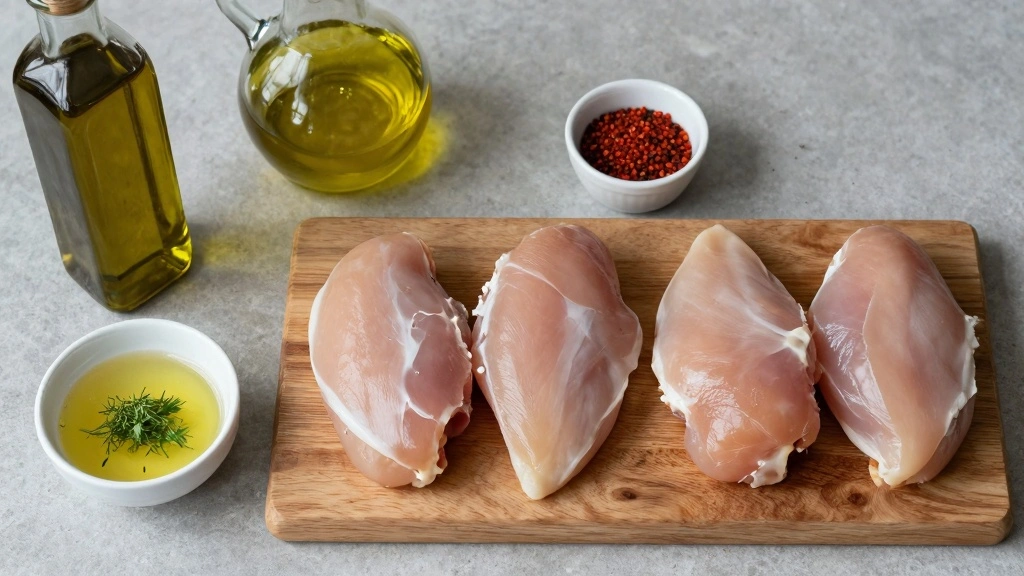
Gather all ingredients, ensuring the chicken breasts are patted dry.
Measure out the olive oil, salt, and seasonings for easy access.
Set aside a small bowl with the lemon juice and herbs mixed together.
This preparation will streamline the cooking process.
Step 2: Brine the Chicken
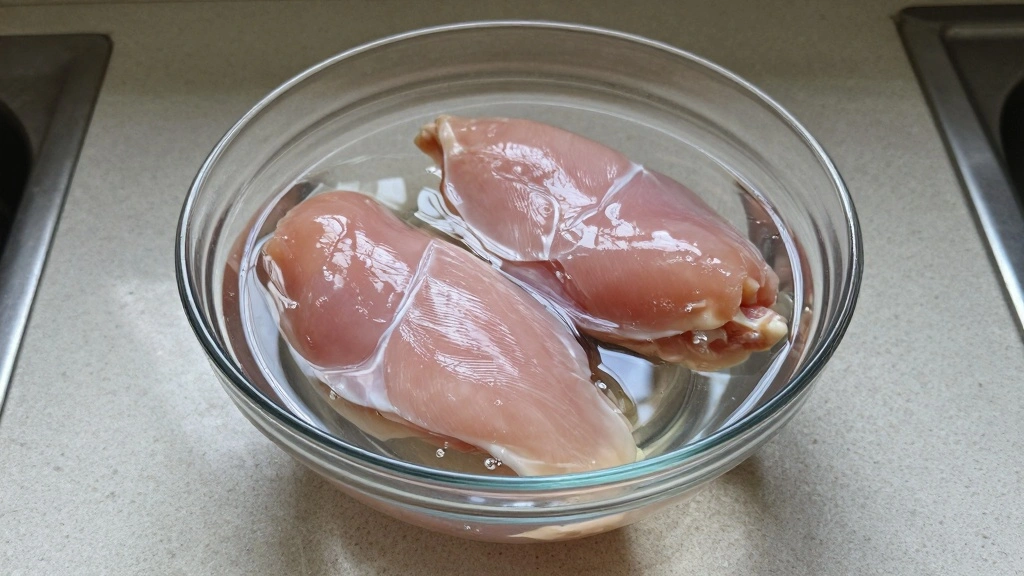
In a large bowl, dissolve 1 tablespoon of salt in warm water.
Allow it to cool before adding the chicken breasts.
Let the chicken soak for at least 30 minutes.
This step ensures the chicken remains juicy during cooking.
Step 3: Pound the Chicken
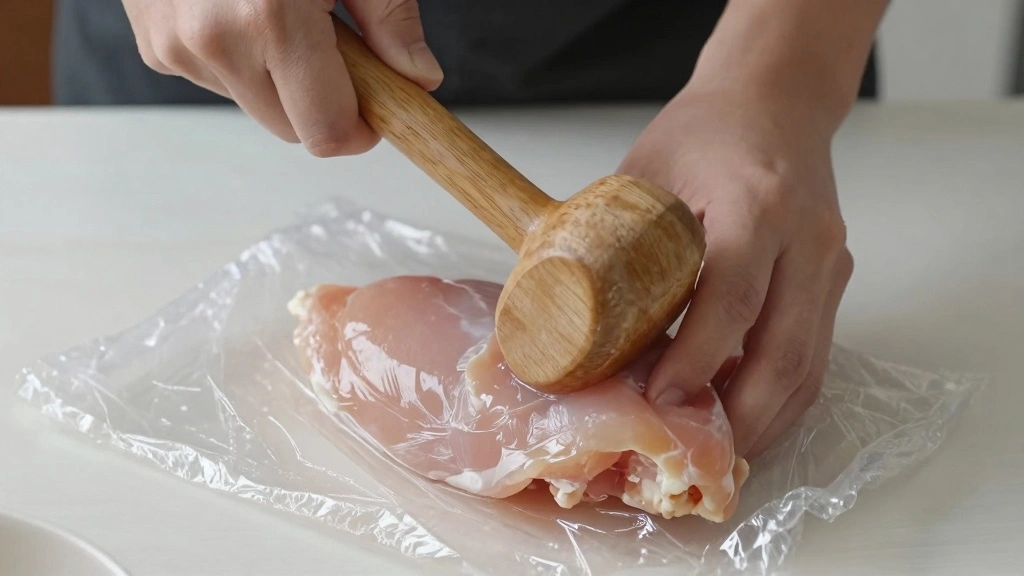
Place the chicken breasts between two sheets of plastic wrap.
Use a kitchen mallet to gently pound each breast to an even thickness.
Focus on achieving uniformity without tearing the meat.
This step ensures consistent cooking.
Step 4: Season the Chicken
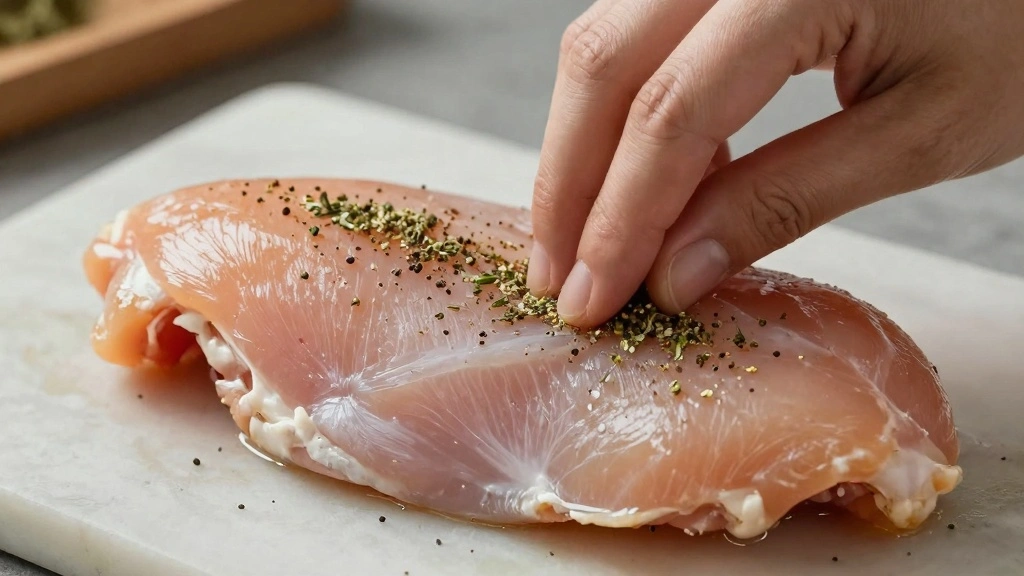
Remove the chicken from the brine and pat dry with paper towels.
Rub each breast with olive oil for added richness.
Sprinkle the salt, pepper, paprika, and herb mixture evenly over the chicken.
Ensure all sides are well coated with seasonings.
Step 5: Preheat the Skillet
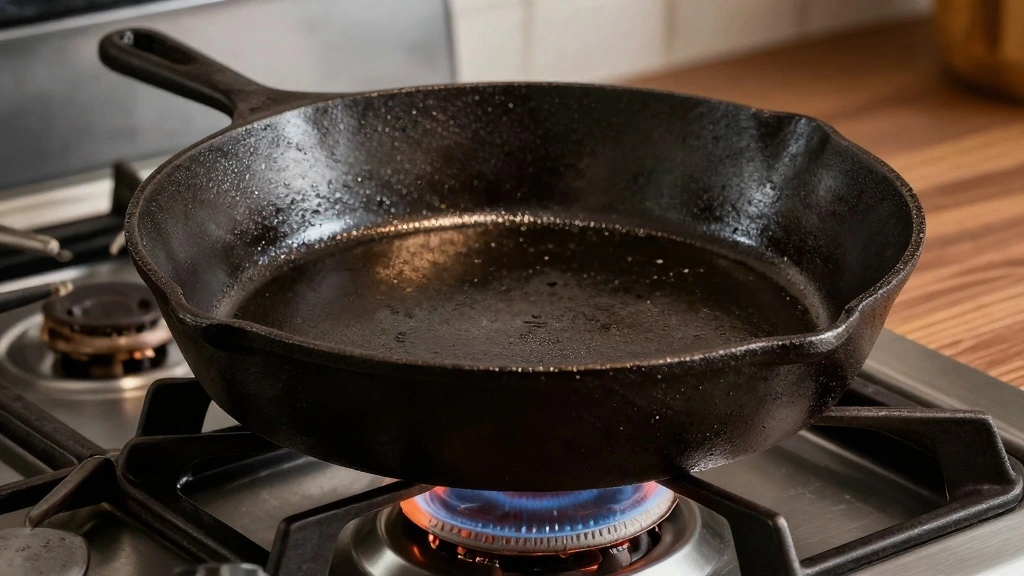
Heat a cast iron skillet over medium-high heat.
Allow the skillet to become hot before adding any oil.
Test readiness by flicking water droplets onto the surface; they should evaporate immediately.
This step is crucial for proper searing.
Step 6: Sear the Chicken
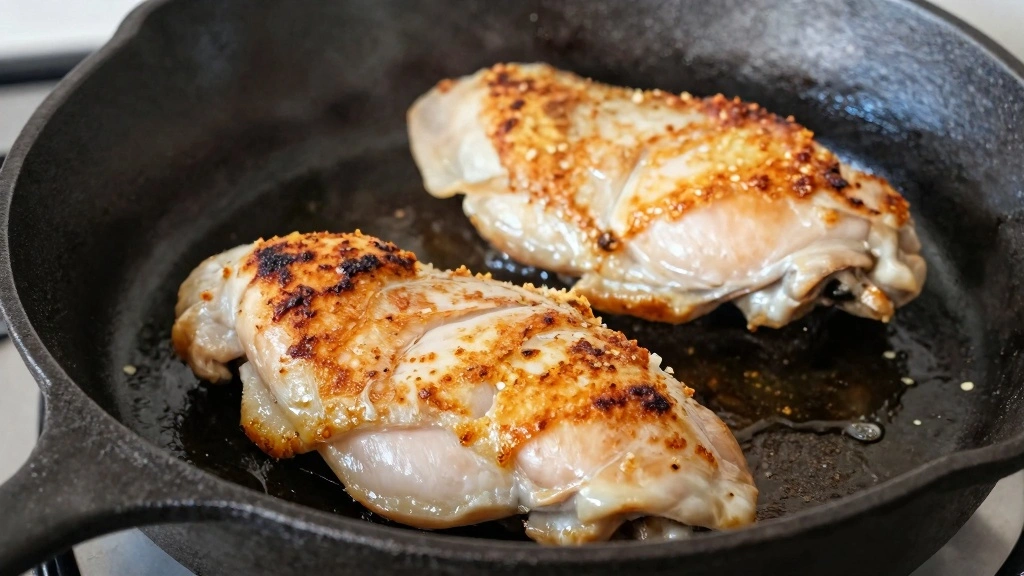
Add a tablespoon of olive oil to the hot skillet.
Place the chicken breasts in the skillet without overcrowding.
Sear for 3-4 minutes on each side until golden brown.
Avoid moving the chicken too much to ensure a proper crust forms.
Step 7: Finish Cooking
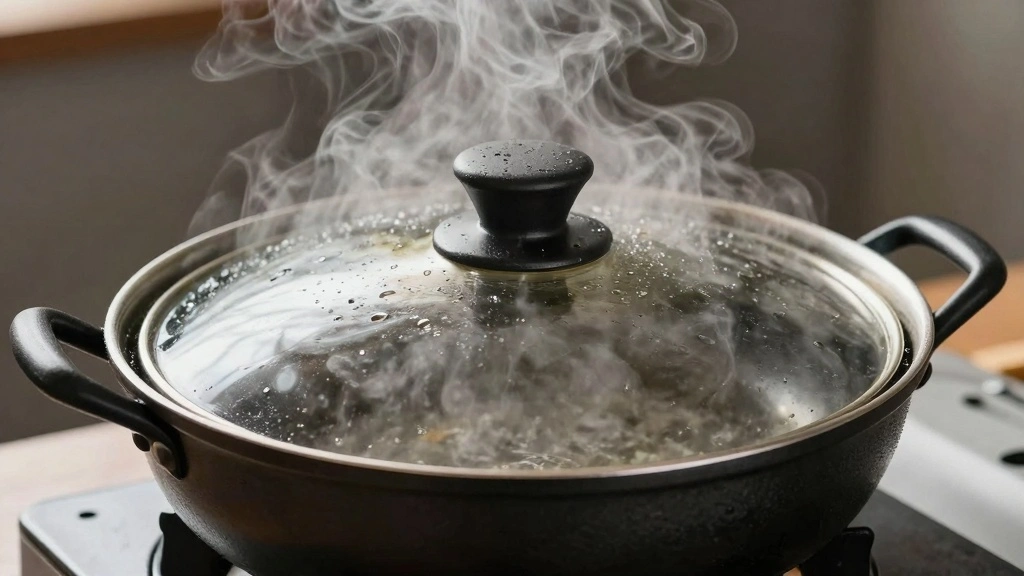
Lower the heat to medium and cover the skillet with a lid.
Cook for an additional 5-6 minutes, checking the internal temperature with a meat thermometer.
Ensure the temperature reaches 165°F for safe consumption.
This step finalizes the cooking while retaining juiciness.
Step 8: Rest and Serve
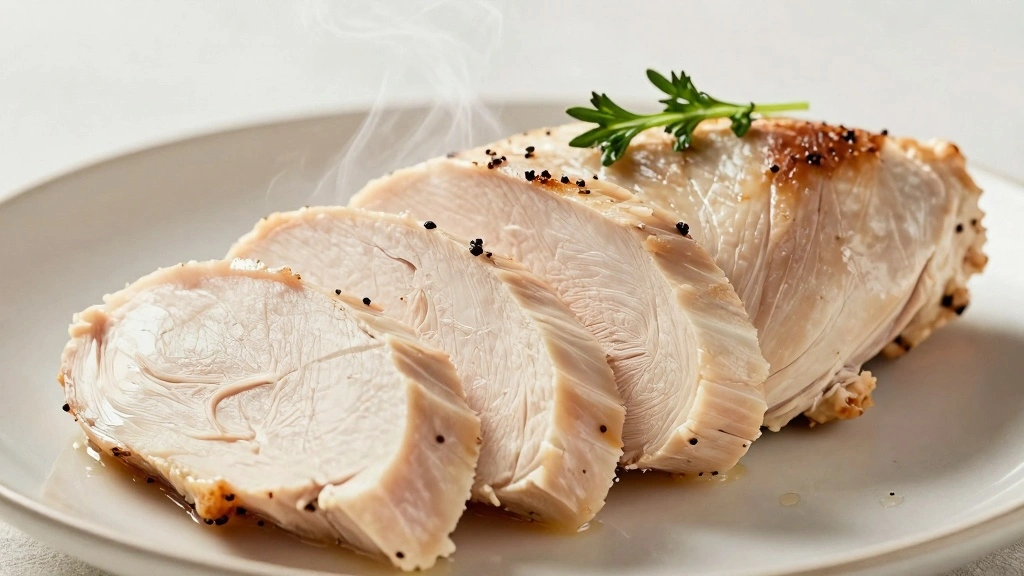
Remove the chicken from the skillet and let it rest on a plate for 5 minutes.
This resting period allows the juices to redistribute.
Slice the chicken against the grain for optimal tenderness.
Serve with your choice of sides for a complete meal.
Critical Timing and Temperature Guide
Searing: Sear the chicken for exactly 3-4 minutes per side at medium-high heat, ensuring a golden crust. Avoid moving the chicken prematurely to prevent tearing.
Internal Temperature: The chicken should reach an internal temperature of 165°F as measured by a meat thermometer. This ensures it is cooked through while remaining juicy.
Resting: Allow the chicken to rest for 5 minutes after cooking to let the juices redistribute, enhancing tenderness and flavor.
Pro Tips for Juicy Chicken Breast
• Ingredient Selection: Opt for organic, free-range chicken breasts for superior taste and texture, as these tend to be more tender and flavorful.
• Preparation Secret: Letting the chicken brine for at least 30 minutes is a game-changer for juiciness, a step often skipped by home cooks.
• Temperature Management: Ensure the skillet is adequately heated before adding the chicken to achieve a perfect sear and avoid steaming.
• Texture Enhancement: Pounding the chicken to an even thickness ensures uniform cooking and prevents dry spots.
• Flavor Layering: Combining lemon juice with herbs during seasoning enhances the depth of flavor, infusing the chicken with a refreshing note.
• Make-Ahead Strategies: Prepare and brine the chicken up to a day in advance, storing it in the refrigerator to absorb flavors without losing quality.
• Restaurant-Quality Finishing Touches: A final garnish of fresh herbs or a drizzle of lemon juice elevates the presentation and taste.
• Equipment Optimization: Regularly season your cast iron skillet to maintain its non-stick properties and enhance heat distribution.
Troubleshooting Common Issues
• Chicken Too Dry: Overcooking is the primary culprit. Ensure you monitor internal temperature and allow the chicken to rest after cooking.
• Bland Flavor: Insufficient seasoning can result in a lackluster taste. Ensure spices are evenly distributed and consider marinating for deeper flavor.
• Uneven Cooking: This often occurs if chicken breasts are of uneven thickness. Use a mallet to pound them to a consistent size.
• Rubbery Texture: This can result from cooking at too low a temperature. Searing at a higher heat initially helps lock in moisture.
• Burnt Exterior: Caused by high heat or sugar-rich marinades. Adjust the heat and avoid overly sweet coatings during searing.
Variations and Regional Differences
• Italian Style: This version includes a marinade of balsamic vinegar and Italian herbs, offering a tangy and aromatic profile.
• Asian Fusion: Incorporates soy sauce, ginger, and sesame oil in the marinade, bringing a savory umami flavor to the chicken.
• Mexican Variation: Features lime juice and cilantro in the seasoning, complemented by a smoky chipotle rub.
• Middle Eastern Twist: Uses a blend of cumin, coriander, and garlic, infusing the chicken with warm, earthy flavors.
Food Science Behind the Recipe
• Maillard Reaction: This browning reaction occurs during searing, creating complex flavors and a desirable crust on the chicken.
• Brining Chemistry: The salt in the brine alters the protein structure in the chicken, enhancing water retention and juiciness.
• Protein Denaturation: Proper cooking temperature ensures proteins denature without expelling too much moisture, resulting in a tender texture.
Frequently Asked Questions
What's the most common mistake people make when preparing Juicy Chicken Breast? Overcooking the chicken is a frequent mistake, leading to dryness. Monitoring internal temperature helps avoid this.
Can I use frozen chicken breasts for this recipe? Yes, but ensure they are fully thawed before cooking for even results.
How do I know when the chicken is done? Use a meat thermometer to check that the internal temperature is 165°F.
Is it necessary to brine the chicken? While not mandatory, brining significantly enhances moisture and flavor.
Can I substitute chicken thighs for breasts? Yes, but adjust cooking time as thighs may require longer due to their fattier nature.
What's the best side to serve with Juicy Chicken Breast? Fresh salads, roasted vegetables, or rice pilaf complement the dish well.
How can I store leftovers? Store in an airtight container in the refrigerator for up to three days.
Serving and Presentation Guide
• Traditional Presentation: Serve the sliced chicken breast on a platter garnished with fresh herbs and lemon wedges.
• Modern Plating: Arrange slices in a fan shape over a bed of mixed greens, drizzled with a light vinaigrette.
• Family-Style Serving: Present whole breasts on a large wooden board with a selection of dipping sauces.
• Casual Presentation: Serve in a bowl alongside a hearty grain salad for a rustic look.
Conclusion
Embarking on the journey to master Juicy Chicken Breast is both rewarding and delicious.
With this guide, each step is demystified, ensuring success in your culinary endeavors.
Experiment with flavors and techniques to make this dish truly your own.
Enjoy the satisfaction of serving a meal that delights and nourishes.