Oat snacks run from no-bake bites you stir and roll to baked muffins, loaves, and crackers that need an oven and a cooling rack.
Whether you’re willing to turn the oven on decides which recipe is yours: No-Bake Pumpkin Oat Cookies, Oatmeal Energy Bites, and Overnight Oats Snack Jars skip it, the bars can go either way (a 3-ingredient no-bake version works, too), the muffins need it, and the storing and freezing section covers how to keep the extras.
Bites and bars pack into a lunchbox without a fork, while oat pancakes, baked oatmeal, and smoothies suit a table at home.
1. Oatmeal Energy Bites
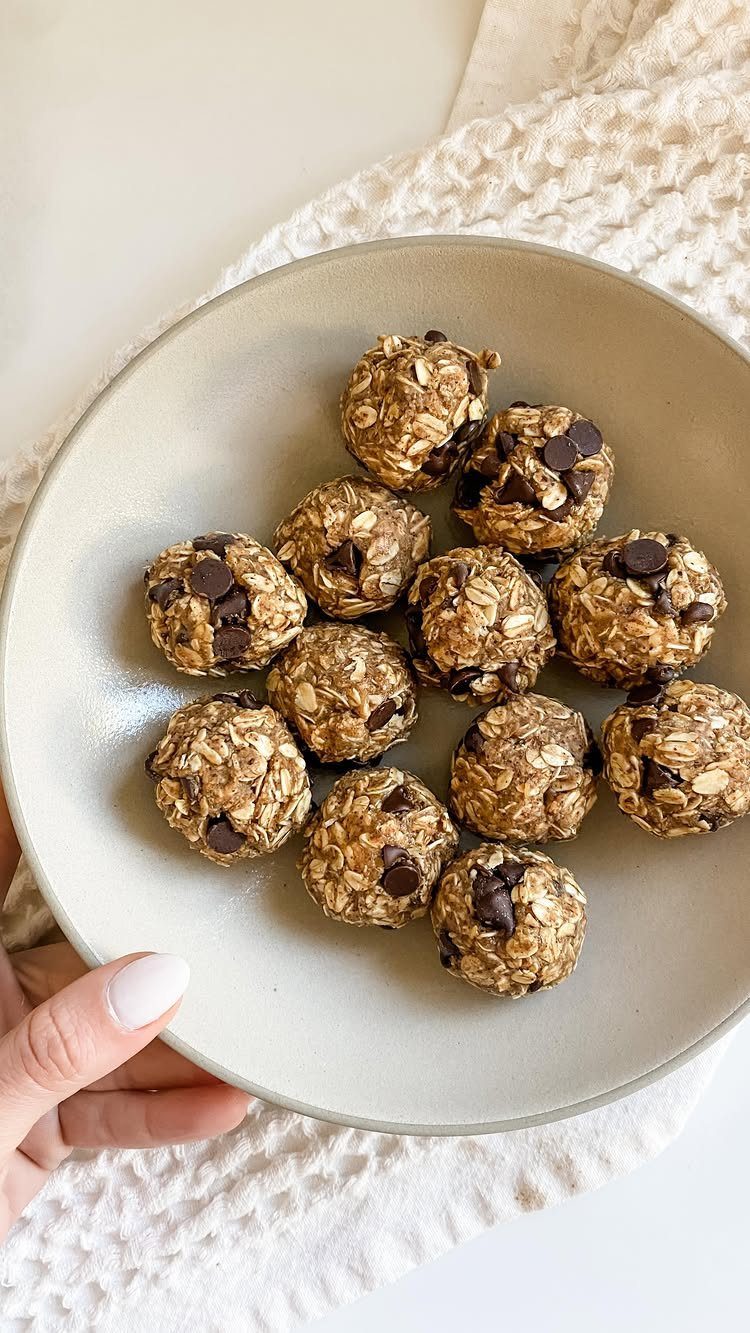
Nothing here touches the oven. Rolled oats, peanut butter, and a sweetener get stirred together and rolled into balls, and the cook behind this batch puts the whole job at about 10 minutes.
Chocolate chips are the easiest way to win over kids. Seeds also work if you want some crunch, and both add-ins are optional.
These suit an afternoon when the snack drawer is empty and nobody wants to wait on an oven.
2. Oatmeal Granola Clusters
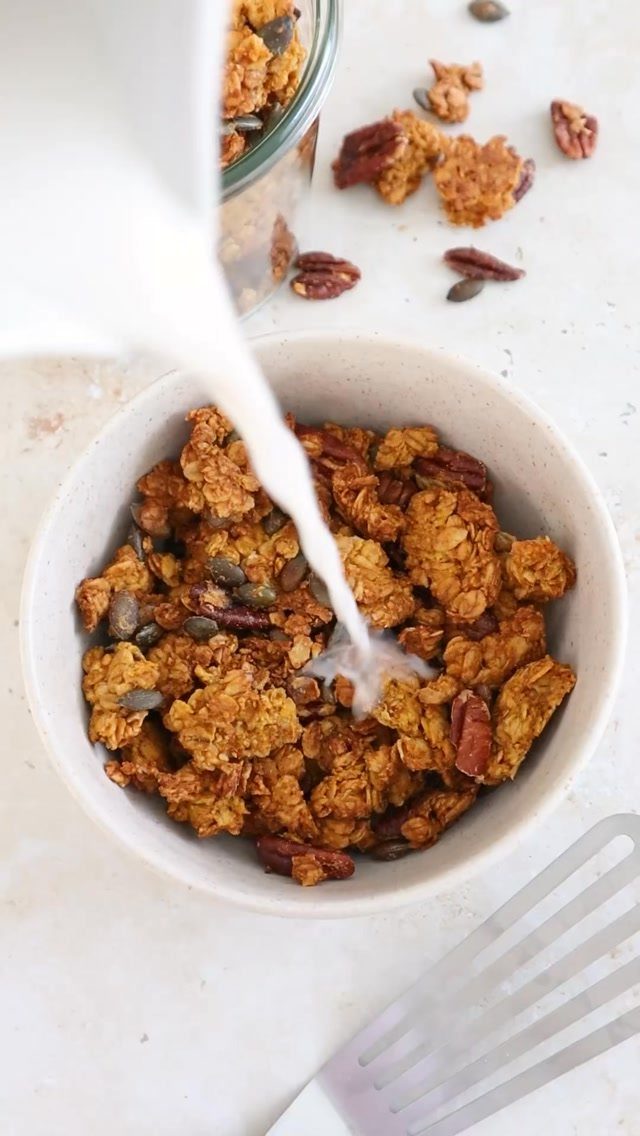
Clusters are what make granola a snack instead of a cereal topping, since you can eat them dry by the handful. Honey holds rolled oats together with chopped nuts and cinnamon, and pecans are a good nut to use.
Bake for 20 minutes, then turn the whole mixture over and bake again until golden brown and crispy.
Spoon it into a jar for the week, or pour milk over it for a quick breakfast.
3. Oatmeal Bars
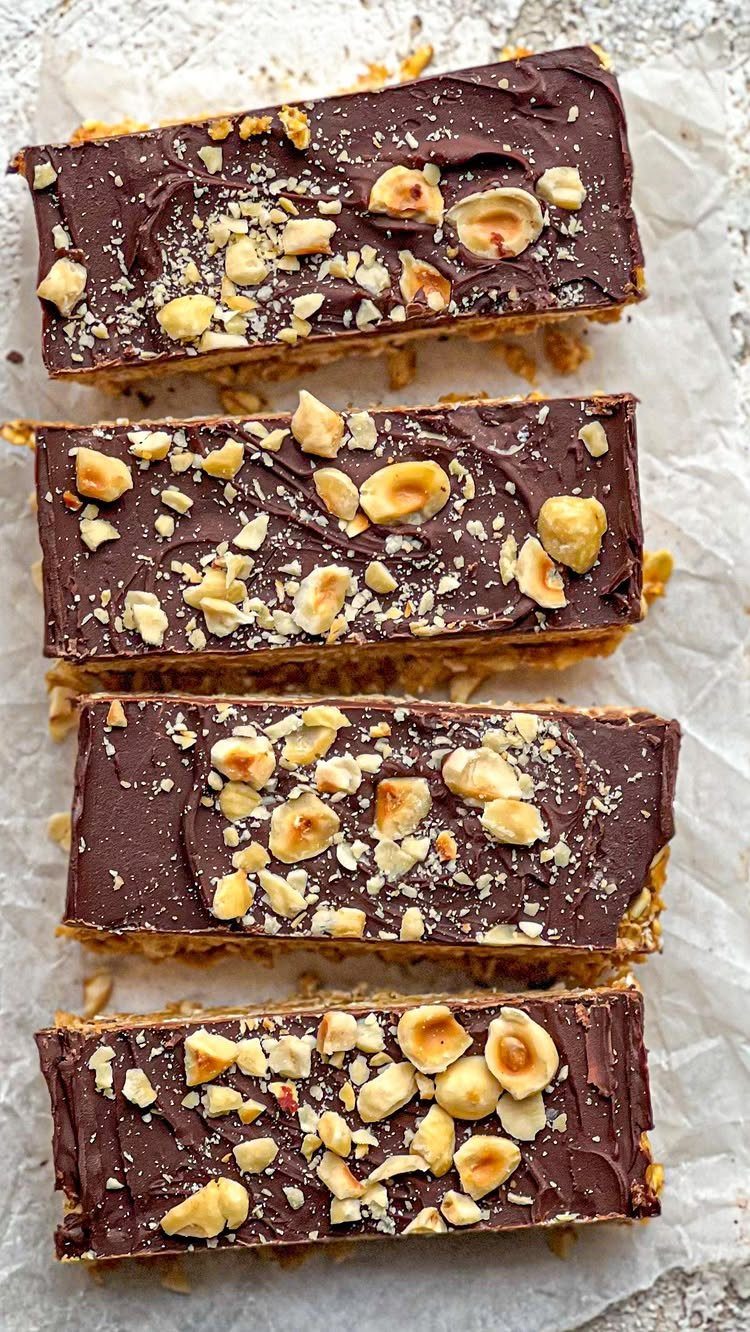
Bars are the most flexible oat snack, because you can bake them or skip the oven entirely.
For the no-bake route, oats, peanut butter, and maple syrup are enough to make a 3-ingredient bar, and add-ins like dried fruit or nuts fit in easily.
Melted dark chocolate with chopped hazelnuts on top gives a bar the finish of something from a bakery case. The cook behind this version freezes the base for 30 minutes before adding the topping.
Wrap single bars for lunchboxes.
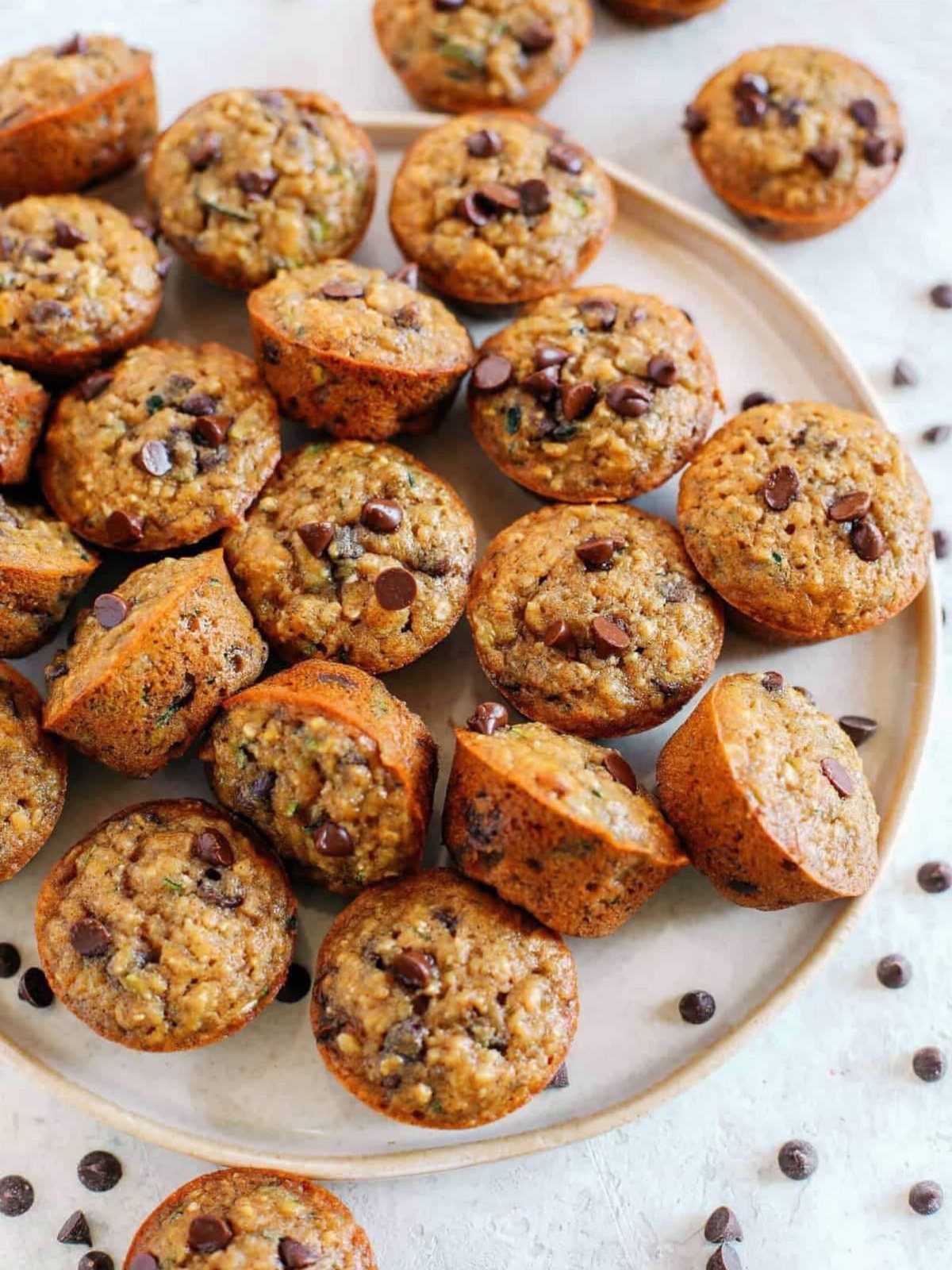
4. Banana Zucchini Oat Cups
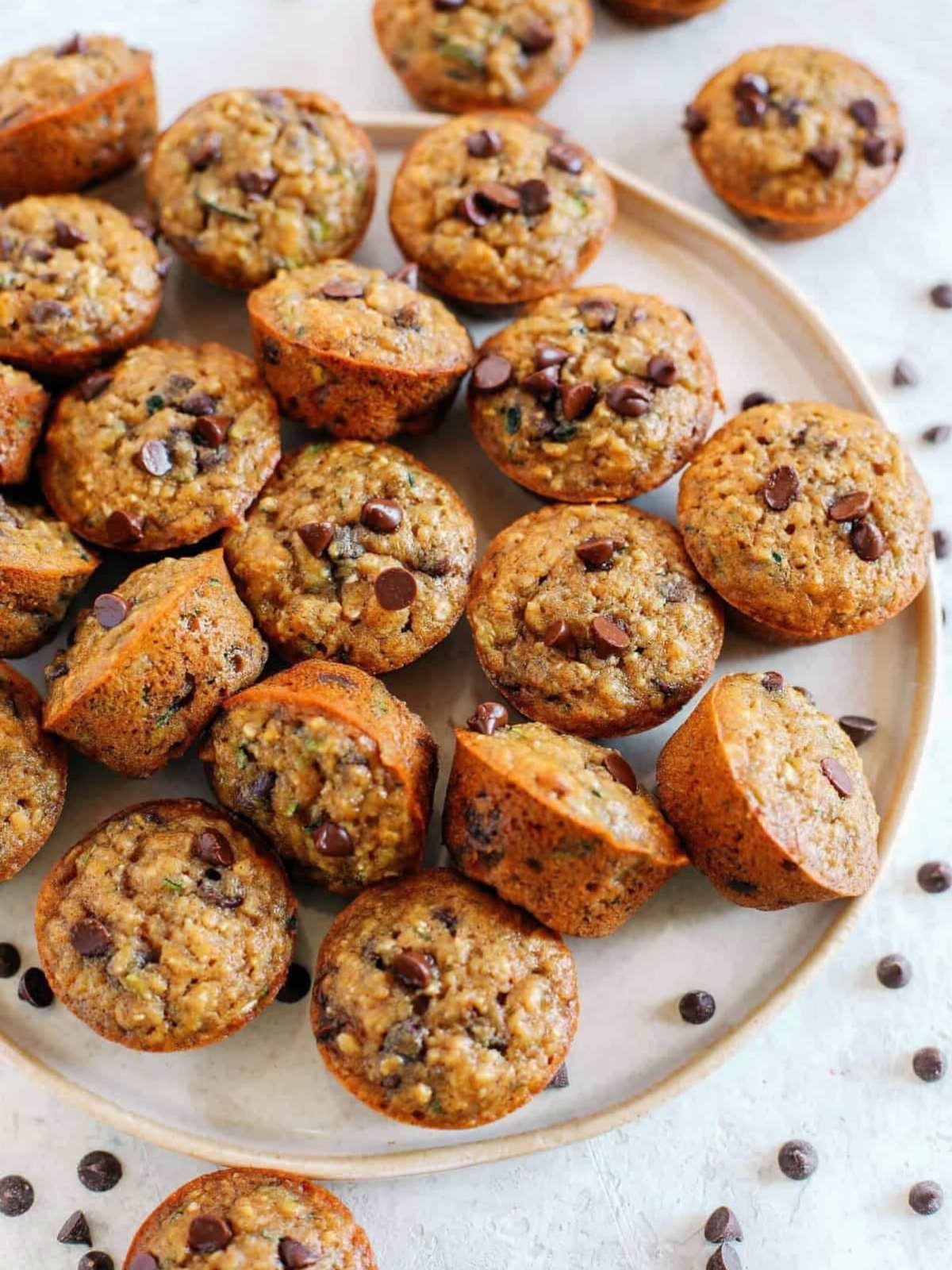
Zucchini is the vegetable your kids won’t spot here. Banana carries most of the sweetness, so these baked oatmeal cups stay lightly sweet; sprinkle in some chocolate chips and they feel like a treat.
Baking in a muffin tin gives each person a single portion, which suits a school snack or a grab-and-go breakfast.
5. Oatmeal Muffins
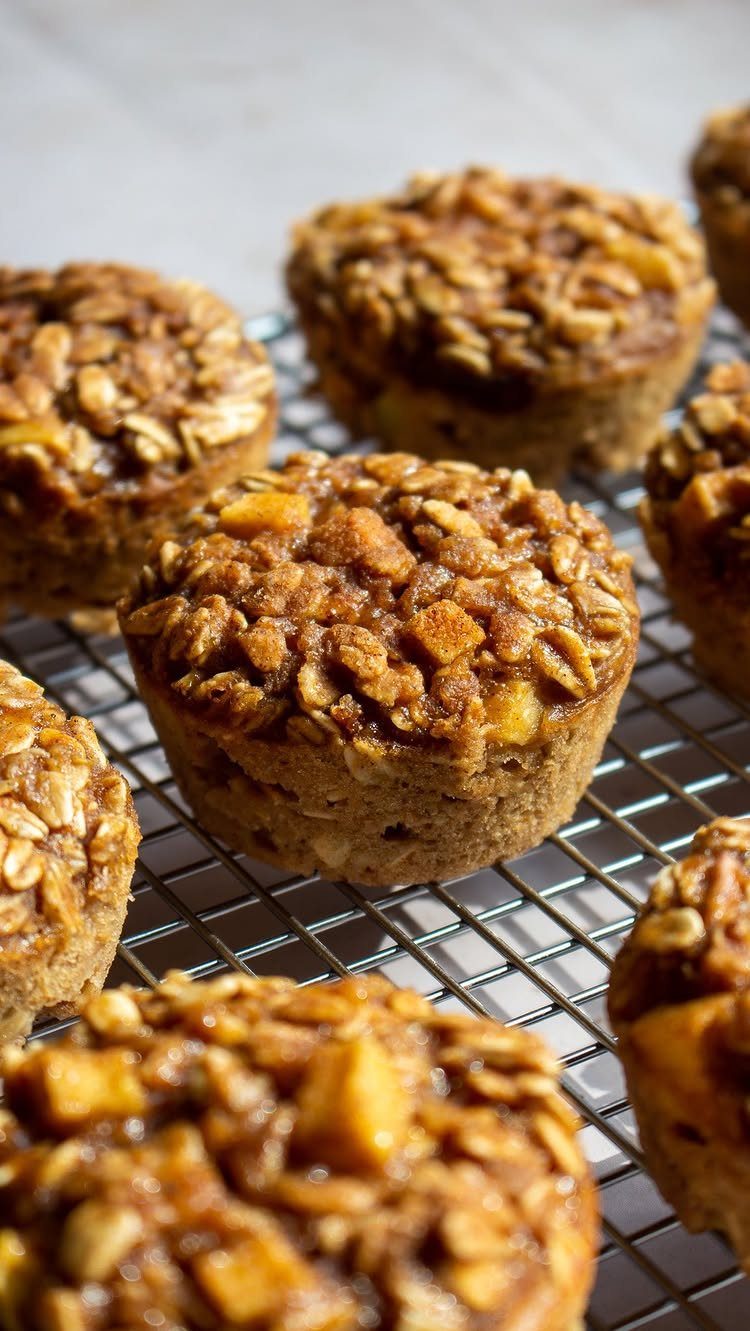
A crumbly oat topping turns a plain baked oatmeal muffin into something that looks finished. Muffins need 30–40 minutes in a 350°F oven, then a spot on a rack, because a hot pan traps steam and softens the bottoms.
Applesauce and banana are the easy flavor swaps, and both use ingredients most kitchens already have. Choose applesauce for a softer, milder muffin and banana for a sweeter one.
6. Pumpkin Oat Muffins
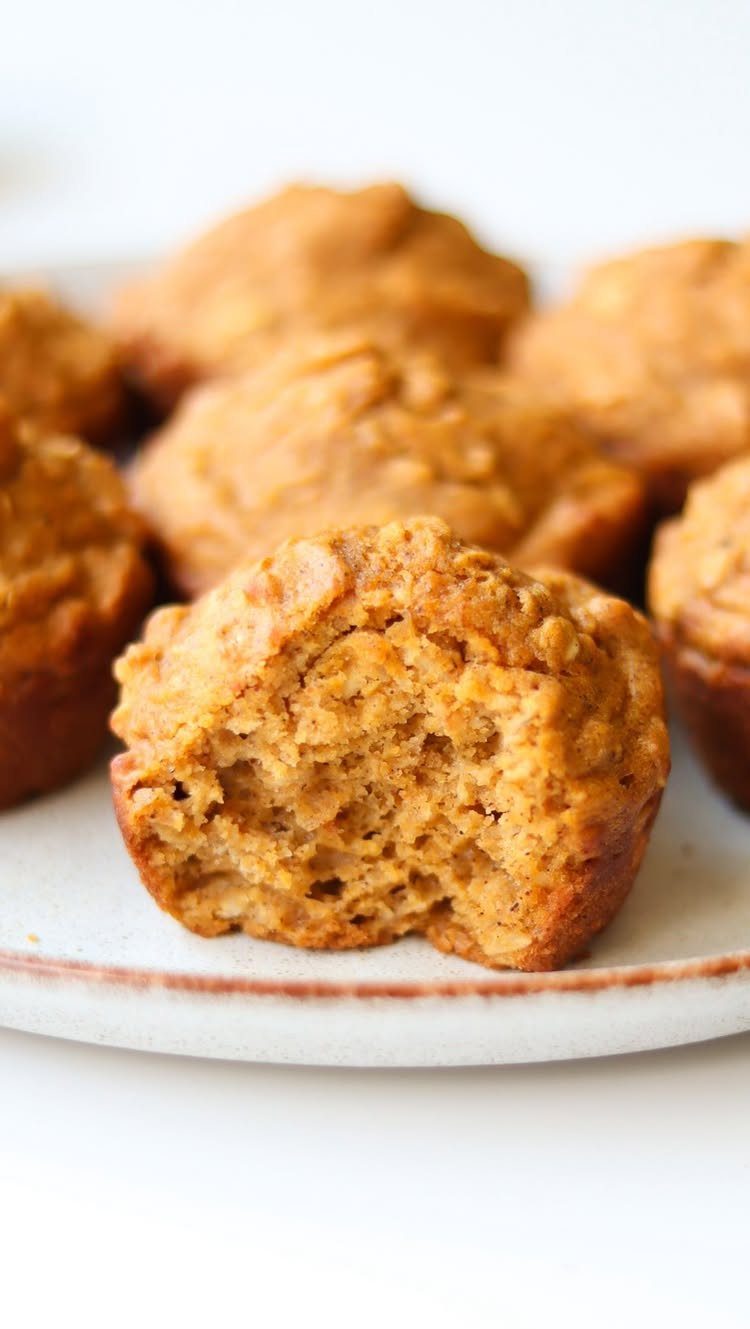
Pumpkin puree and cinnamon give these oat muffins their fall flavor. Pumpkin is the main flavor here, so the muffin tastes like autumn without a long ingredient list.
They suit October through Thanksgiving, when a batch of muffins can cover breakfast and a school snack at once.
7. Banana Breakfast Cookies
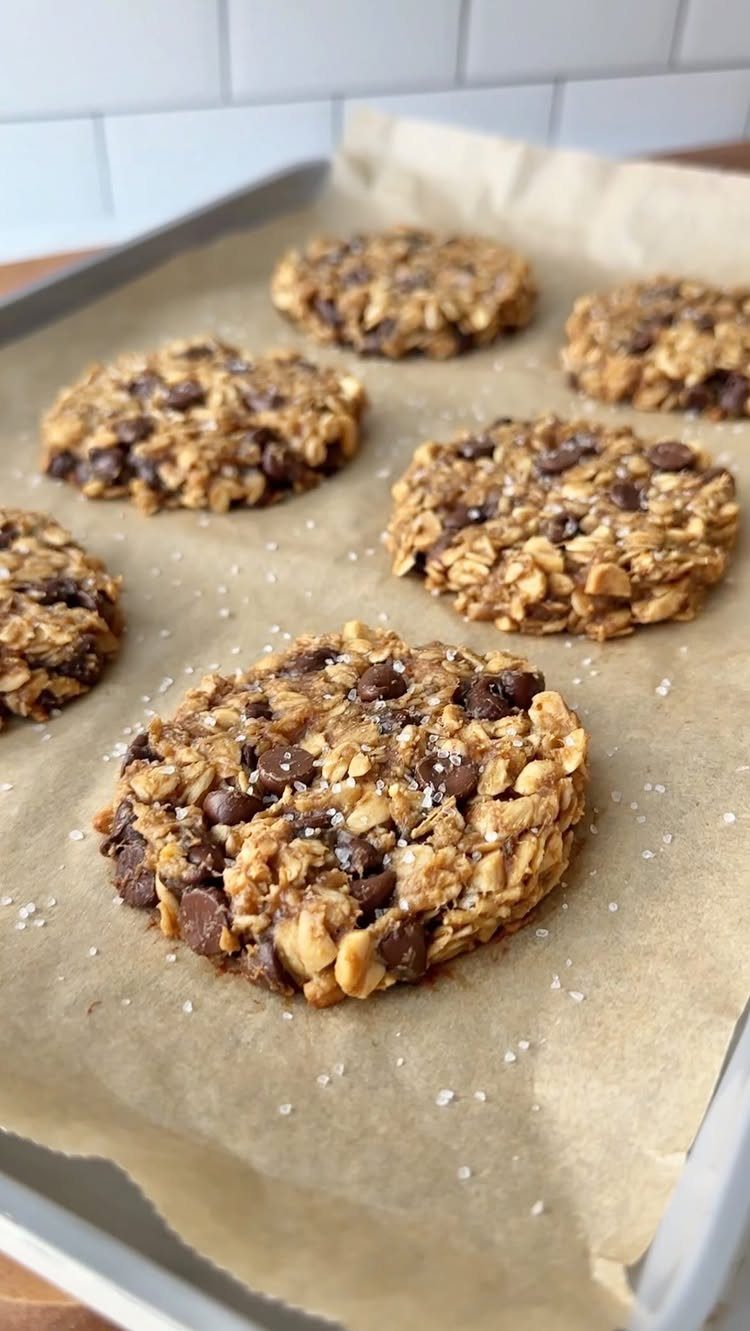
Banana does the work of a sweetener and a binder here, so these soft-baked cookies come together with oats, peanut butter, and coconut and not much else.
That makes them a reasonable pick for a lunchbox or a quick breakfast on the way out the door.
Add chocolate chips if your kids will eat them, or leave them out when plain suits the morning better. Use a very ripe banana, since a pale one tastes flat.
8. Peanut Butter Granola
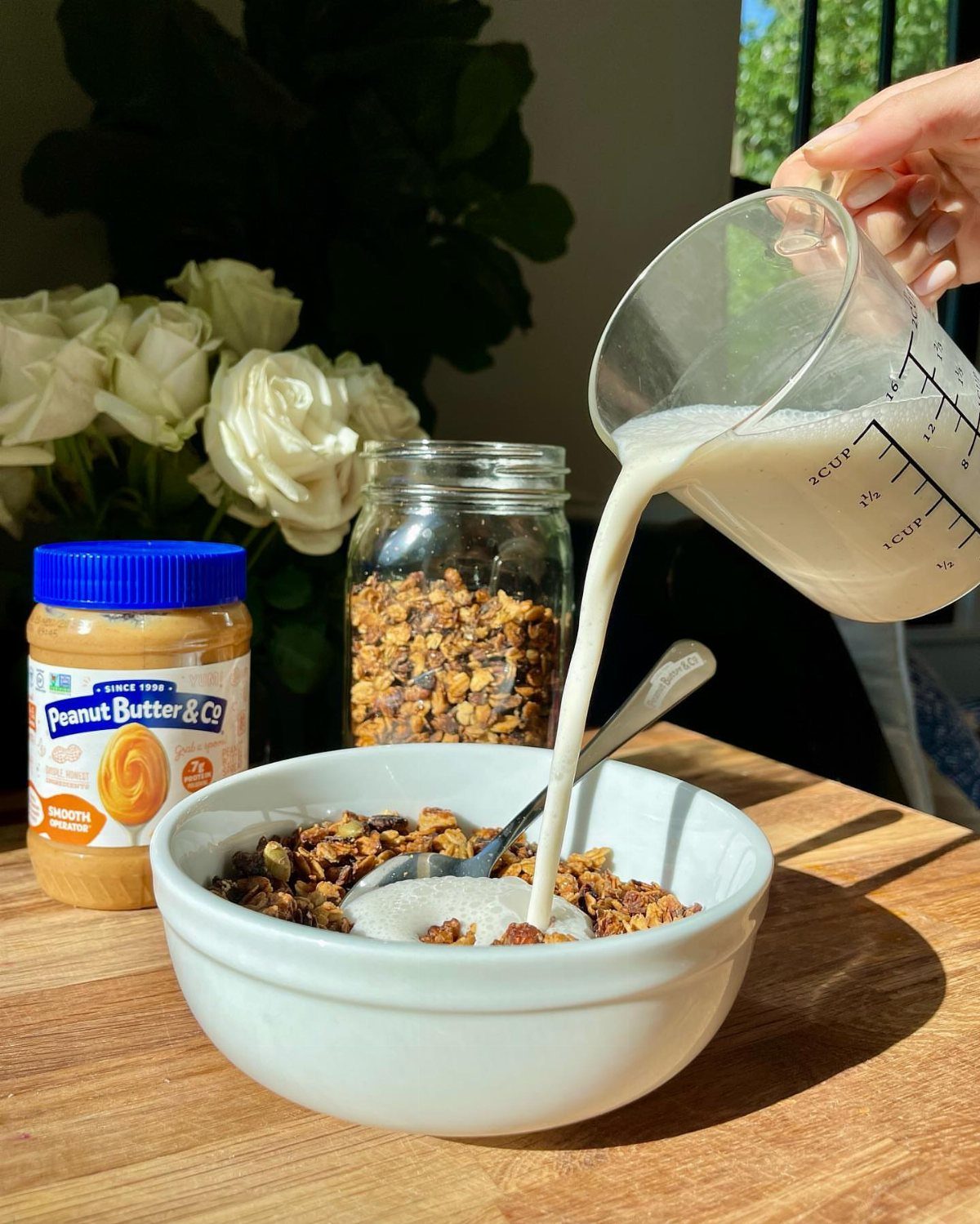
Peanut butter and maple syrup coat the oats and bake into crunchy clusters, so a small handful is more satisfying than plain granola.
Press the mixture down on the pan before baking if you want bigger clusters, and leave it alone until it cools. Stirring it while warm breaks the clusters apart.
9. Oatmeal Carrot Bites
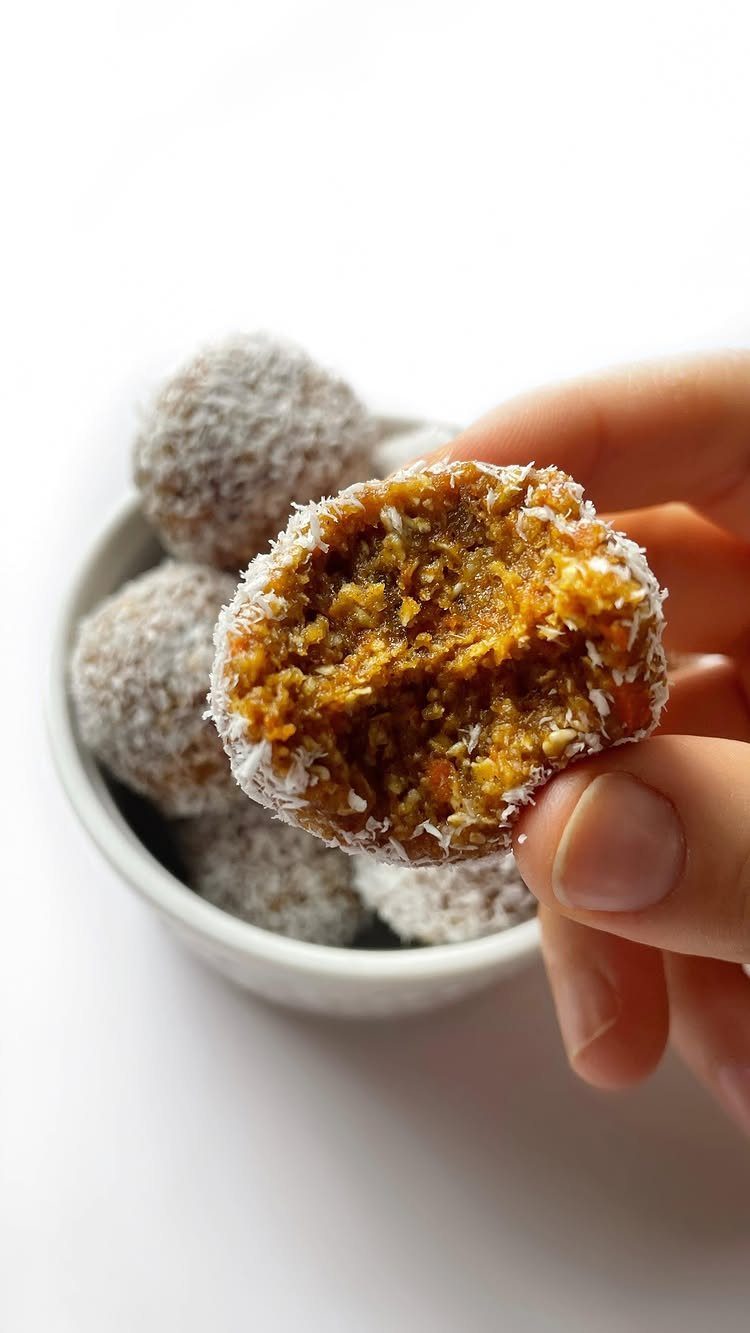
Shredded carrot gives these no-bake oat balls their orange color and a gentle sweetness, a bit like carrot cake in snack form. A coating of shredded coconut keeps sticky fingers cleaner and makes them look finished.
Wet your hands before rolling so the dough releases cleanly.
Chill the balls before packing them, and the carrot flavor settles in. Kids who skip vegetables at dinner often eat these without comment.
10. Chocolate Peanut Butter Oatmeal Bites
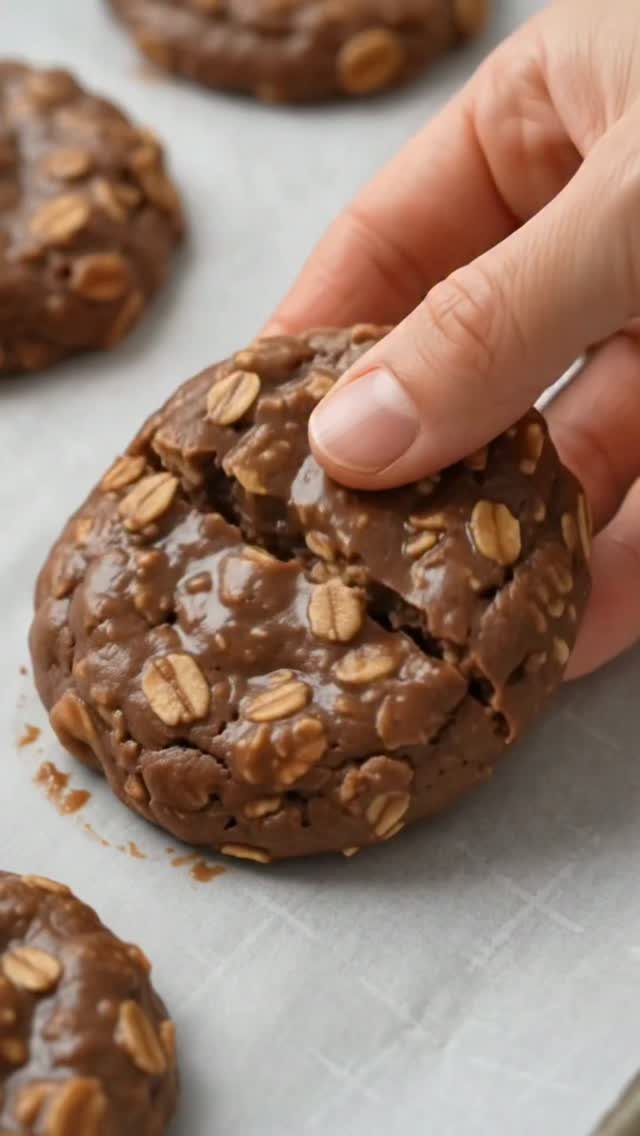
Chocolate and peanut butter share one thick, chewy oat bite here. It is the one to make when someone wants dessert but the real need is a snack with oats in it.
Set the bites on parchment to cool so they lift off cleanly. Cocoa-heavy dough tastes bittersweet, so a spoonful of extra sweetener can help if the kids are picky.
11. Banana Oat Cookies
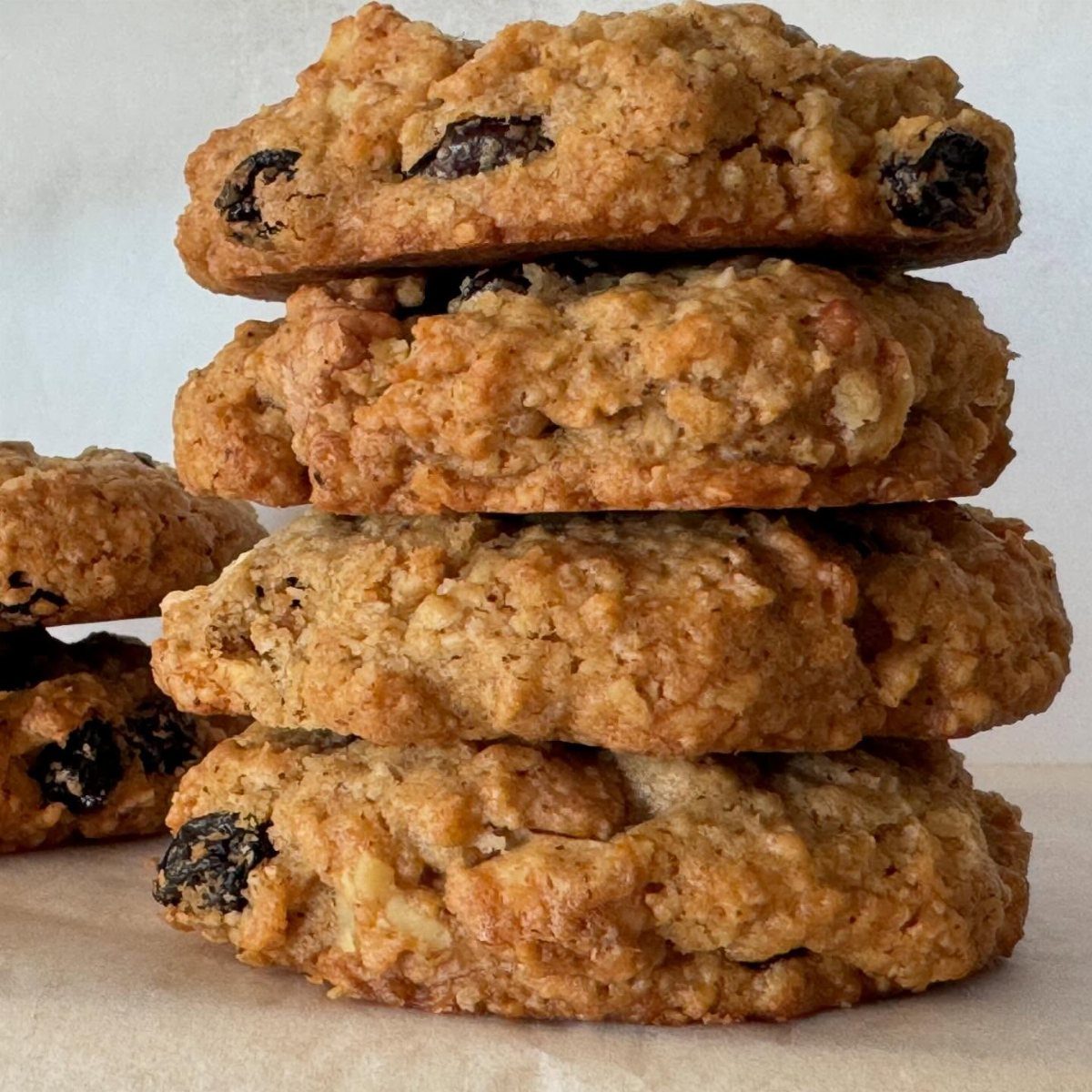
These soft, cake-like cookies hold together with mashed banana instead of refined sugar. Ripe banana supplies the sweetness, so the browner the peel, the better the cookie.
Chocolate chips are optional, but they help sell the idea to children. Expect a texture closer to a muffin top than a crisp cookie, and store them in a sealed container so they stay tender.
12. Oatmeal Cookies
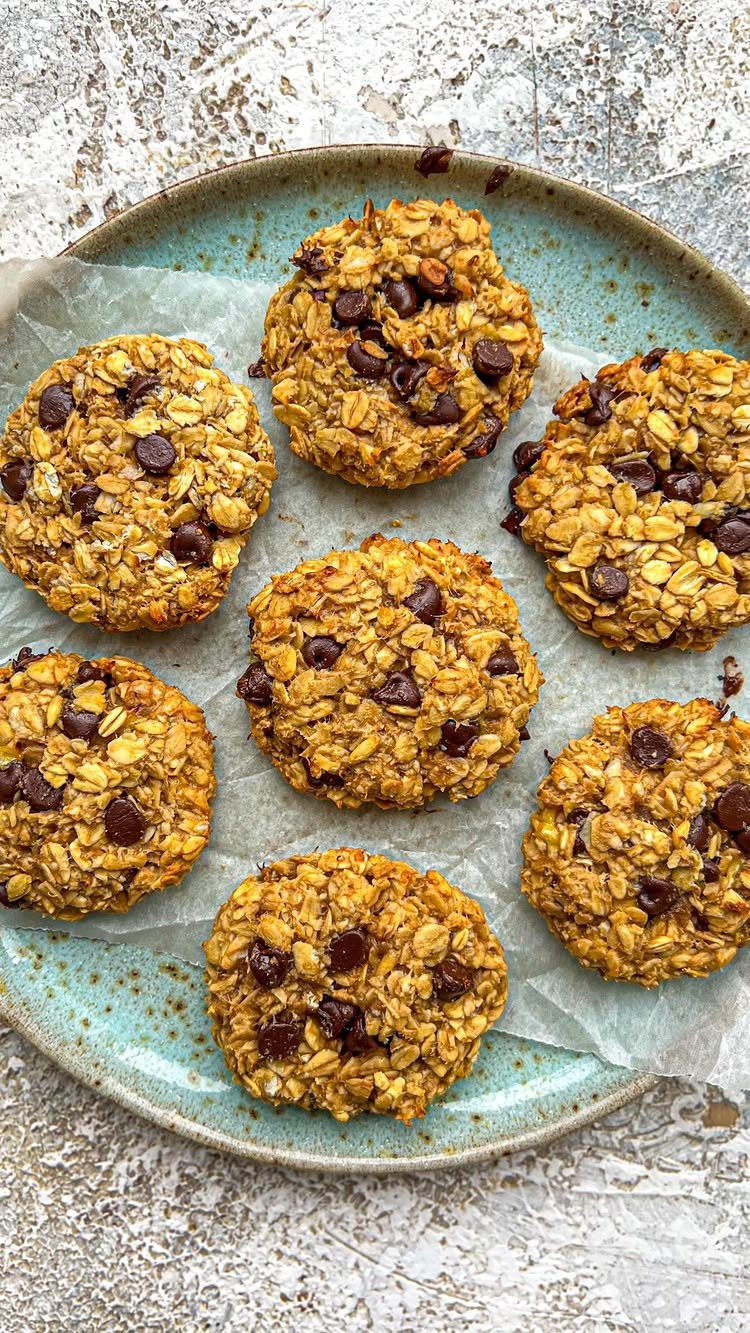
Four ingredients, one bowl, and 5 minutes of mixing get you to a finished dough.
Many versions exist.
Banana makes a soft cookie, peanut butter makes a richer one, and chocolate chips suit either. Pick whichever you already have in the pantry.
Chocolate chips are the add-in to reach for when the cookies need to win over a skeptical lunchbox crowd.
13. Oatmeal Chia Pudding
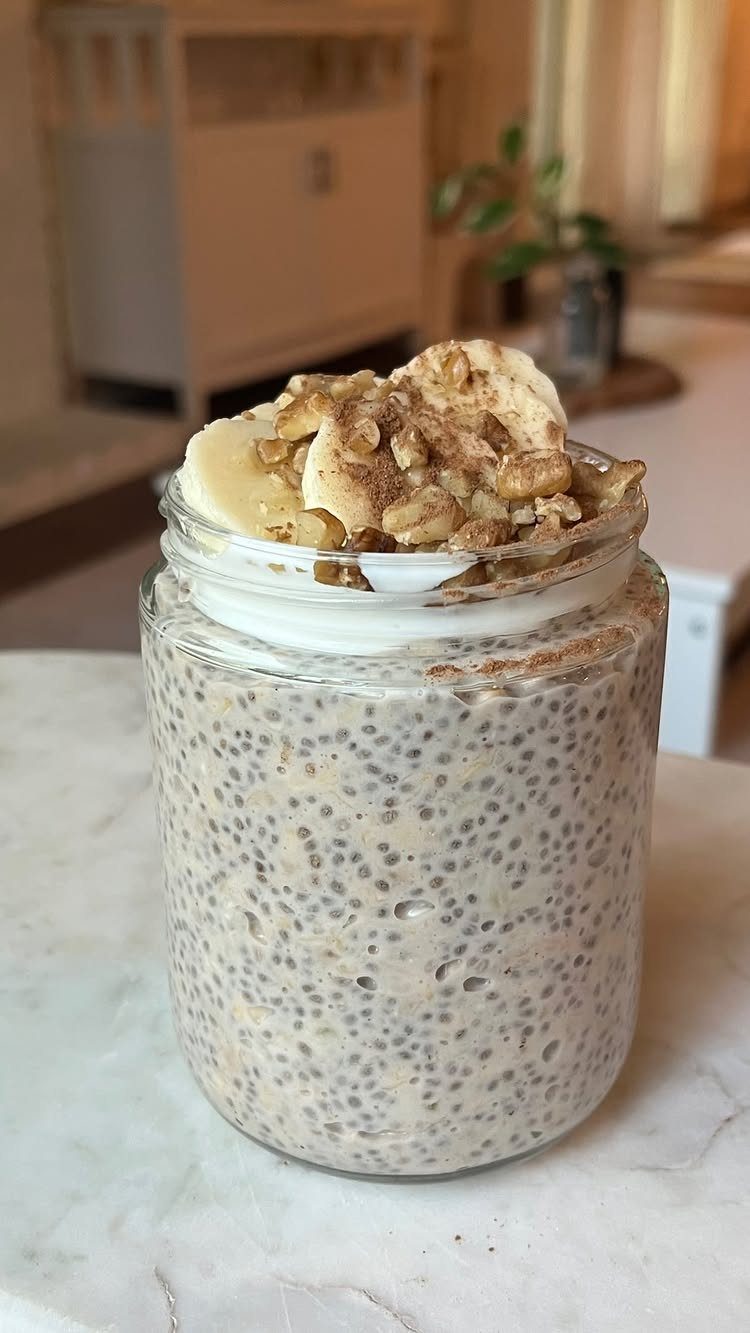
Chia seeds soak up liquid and swell into a thick, spoonable pudding, so rolled oats and chia left in the fridge overnight are waiting for you at breakfast. A jar makes it portable too.
Banana slices and a dusting of cinnamon on top suit the creamy base.
Add the fruit just before eating so it doesn’t brown. One home cook counts 25g of protein and 10g of fiber per serving, though that depends on which milk and protein add-ins you use.
Make 2–3 jars at once for grab-and-go snacks.
14. Cinnamon Oatmeal Bites
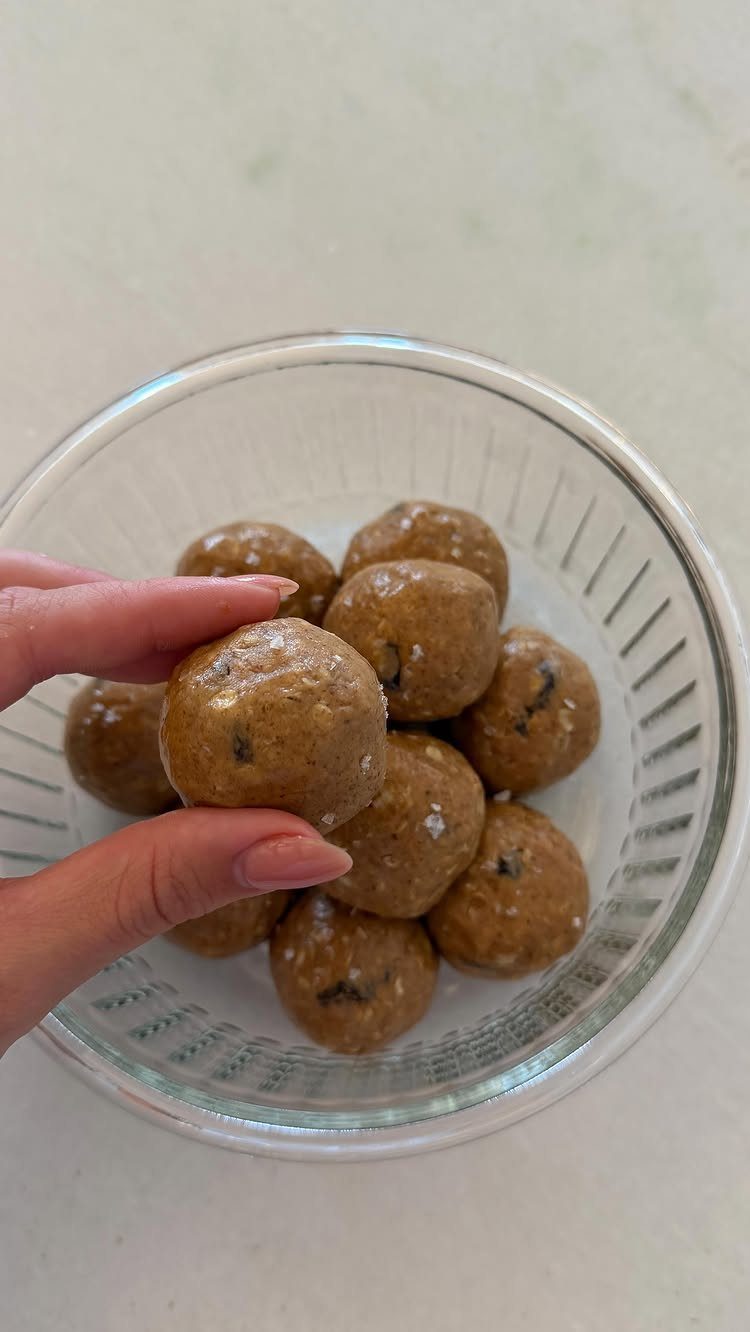
Cinnamon and raisins turn plain no-bake oat balls into something that tastes like oatmeal cookie dough. Raisins add chew and sweetness, so you can keep any extra sugar low.
Roll them small enough to fit in a kid’s hand. Chill the bowl for a bit before shaping if the mix feels sticky.
A sealed container in the refrigerator holds them until the kids walk in the door hungry.
15. Savory Oat Crackers
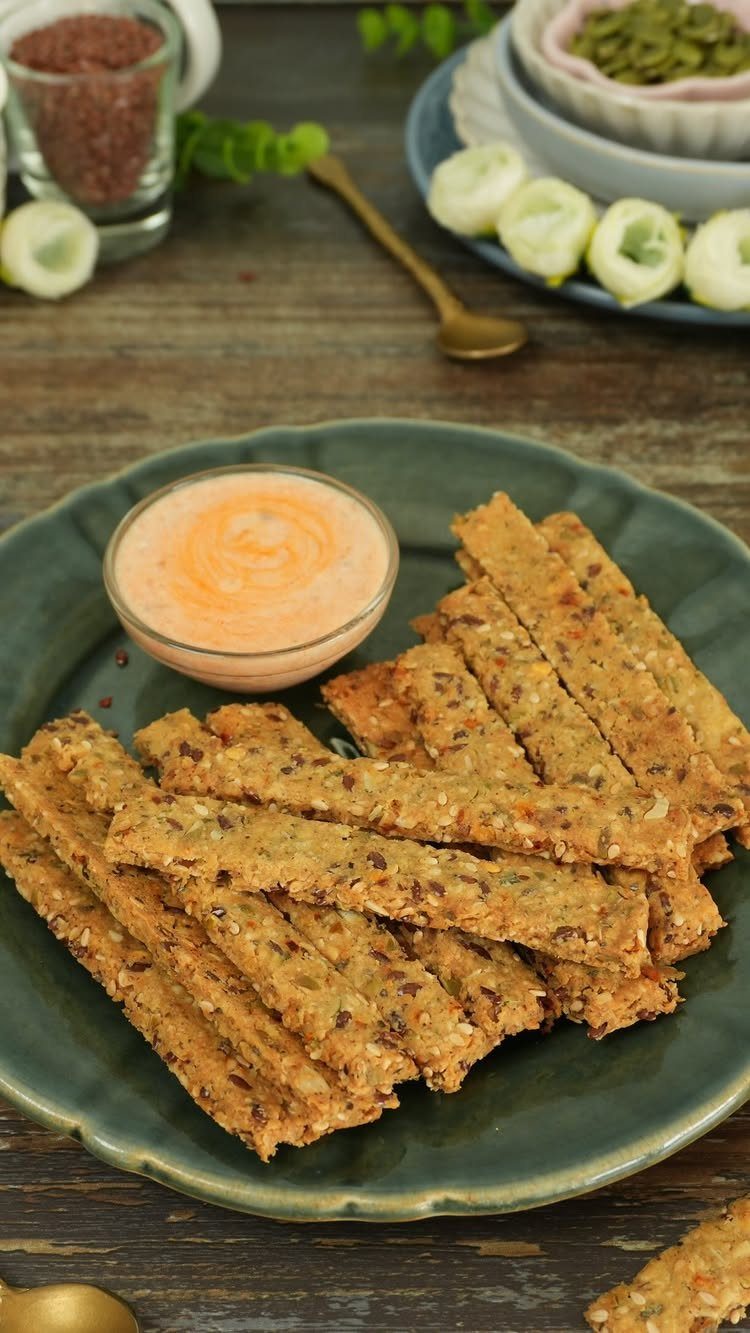
Salty, crunchy, and built for scooping, these oat crackers belong with a bowl of dip instead of next to a glass of milk. Seeds mixed into the dough add crunch and make the crackers look rustic.
Bake the crackers at 160°C for roughly 20 minutes, until they turn crisp. Roll the dough thin, since thick crackers stay chewy in the middle.
Pack a few in a lunchbox with hummus or a favorite veggie dip for a savory break from sweet oat snacks.
16. Peanut Butter Oatmeal Cups
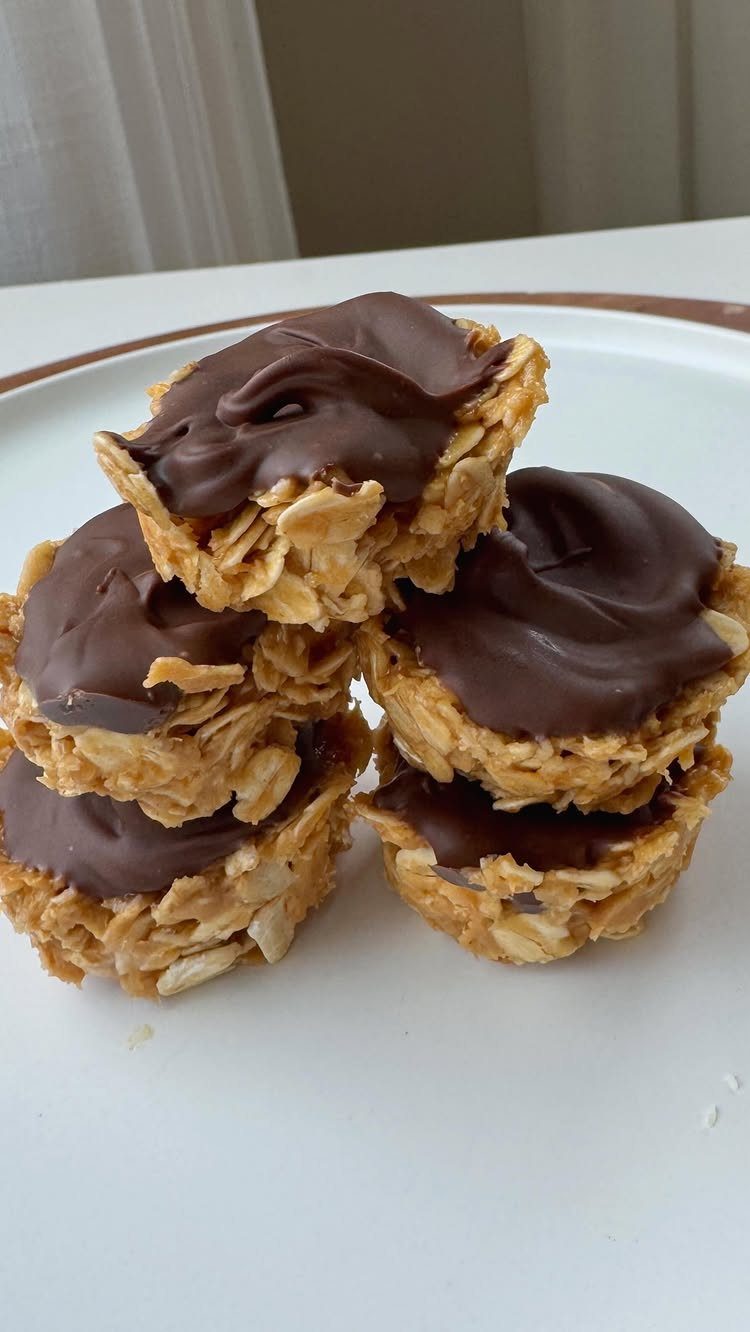
A melted chocolate topping is what makes these peanut butter oatmeal cups easy to pack: it sets into a thin shell, so you can stack them and carry them without a fork.
Dark chocolate keeps the sweetness in check against the peanut butter.
Let the chocolate harden fully before stacking, or the layers will stick together. A short stay in the fridge speeds that up.
They fit a lunchbox, a gym bag, or a car-seat snack.
17. Cookie Dough Protein Bars
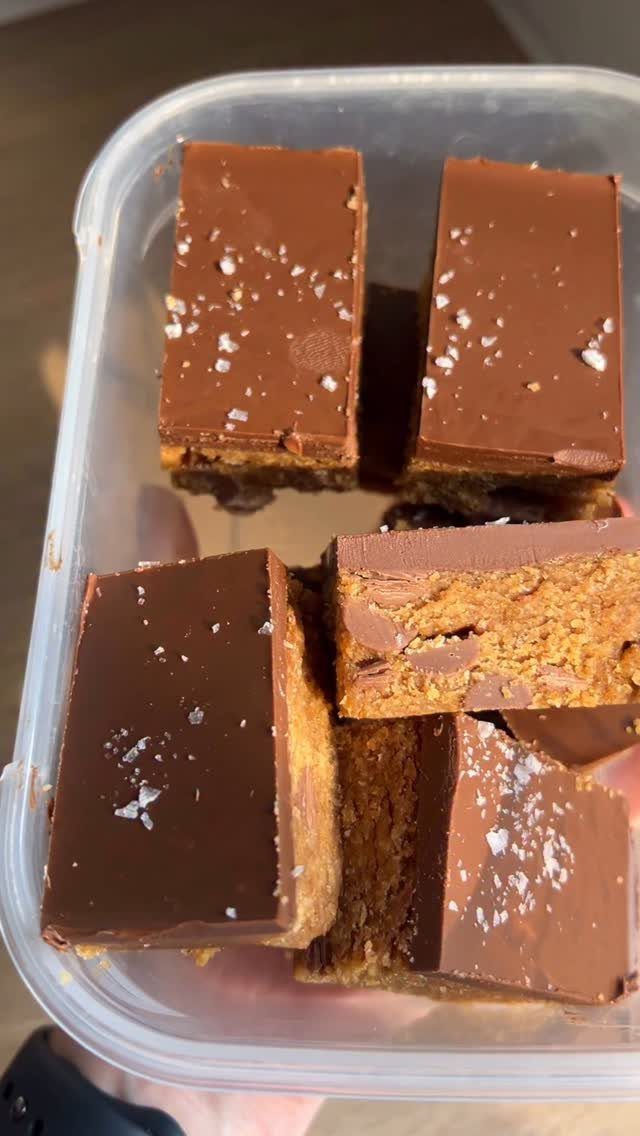
Oat flour, cashew butter, and plant protein make a dense, cookie dough-style base, and a chocolate coating finishes each bar. A pinch of flaky sea salt on top cuts the sweetness.
Oat flour is just rolled oats ground fine, so a blender handles it if you don’t have a bag on hand. Cut the bars into rectangles and keep them in a container with a lid.
These are better for adults or older kids who want something filling after school or a workout than for a casual lunchbox treat.
18. No-Bake Pumpkin Oat Cookies
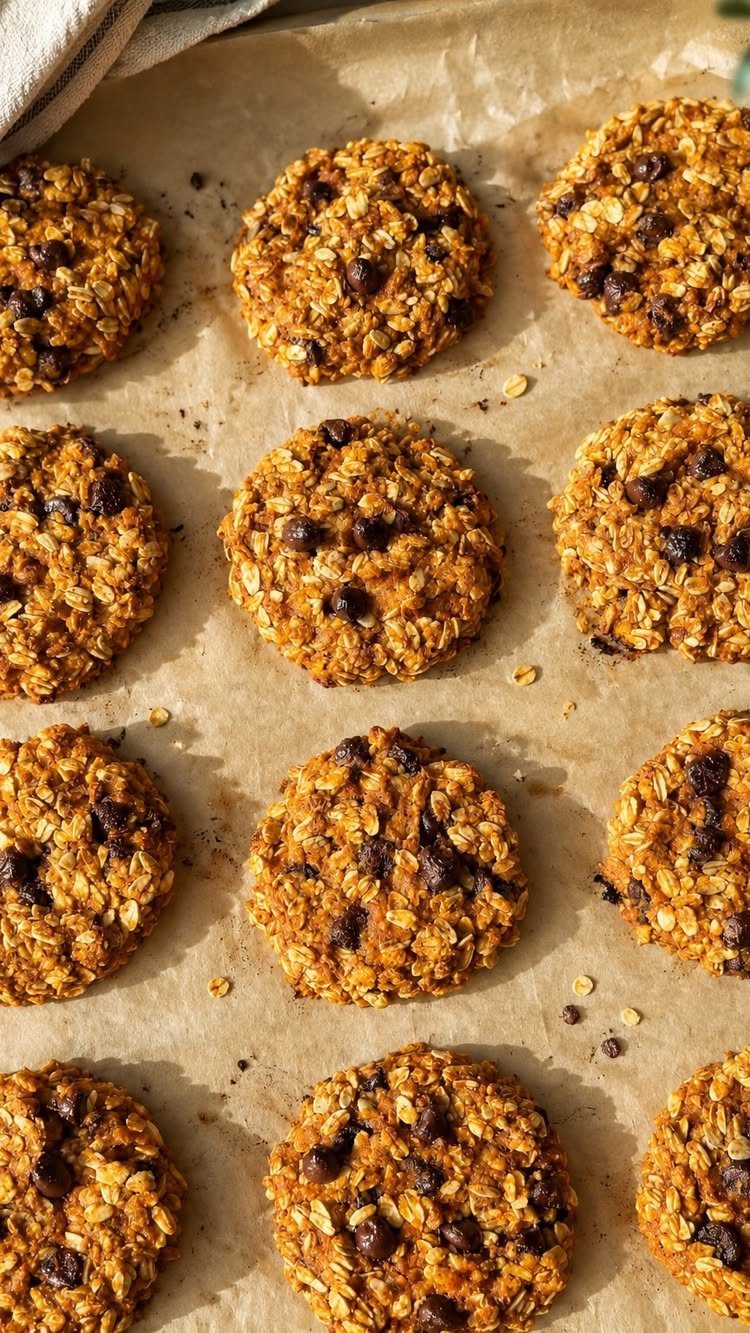
Nut butter and maple syrup hold these pumpkin oat cookies together without an oven, and warm spices give them a fall flavor. Chocolate chips folded into the dough are a good fit with pumpkin.
Scoop equal portions onto parchment so they lift off cleanly, then chill until firm. A cookie scoop keeps the sizes even, and a dozen is a realistic batch.
Keep them cold, since the no-bake dough softens at room temperature.
19. Oat Pancakes
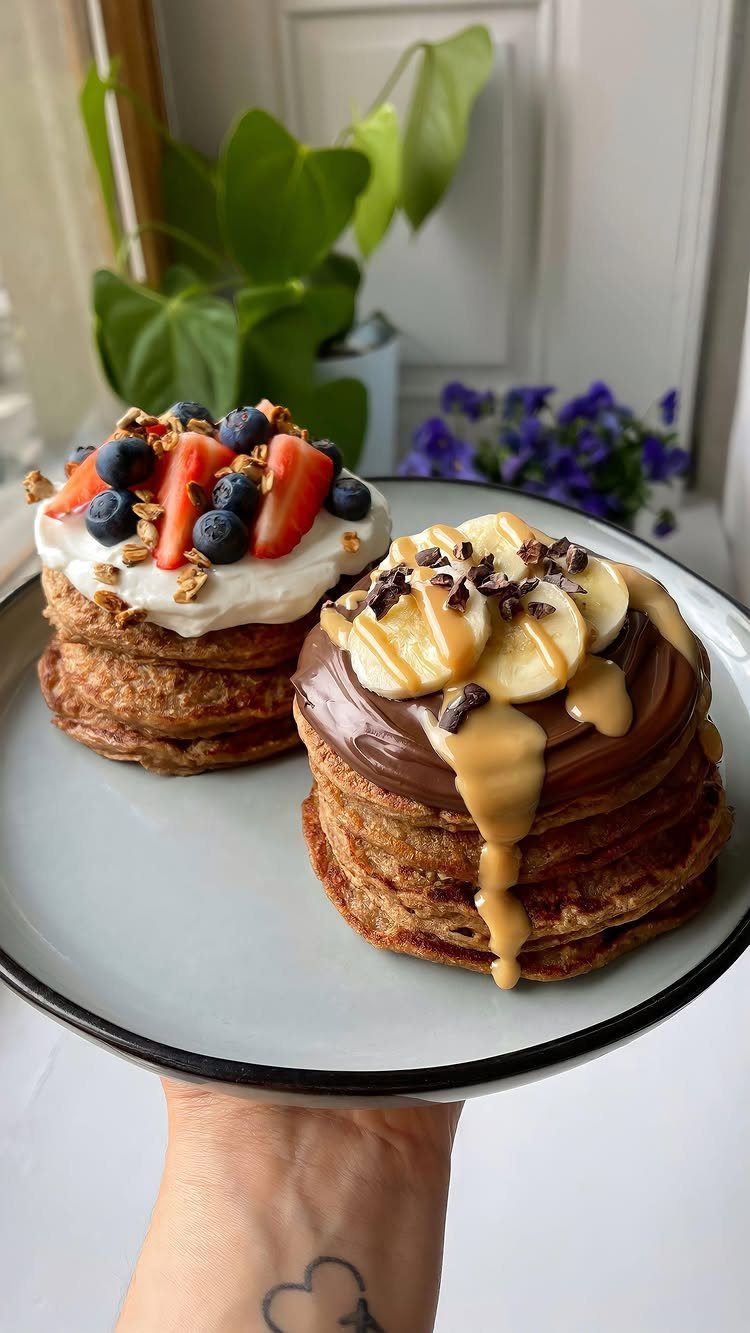
Toppings decide what an oat pancake becomes. Banana with peanut butter and chocolate spread eats like dessert, while berries with a spoonful of cream stay lighter.
Set out bowls of toppings and let each person build a stack.
Coconut on top adds a little crunch. Serve them warm, because oat pancakes turn dense once they cool.
20. White Chocolate Oat Bites
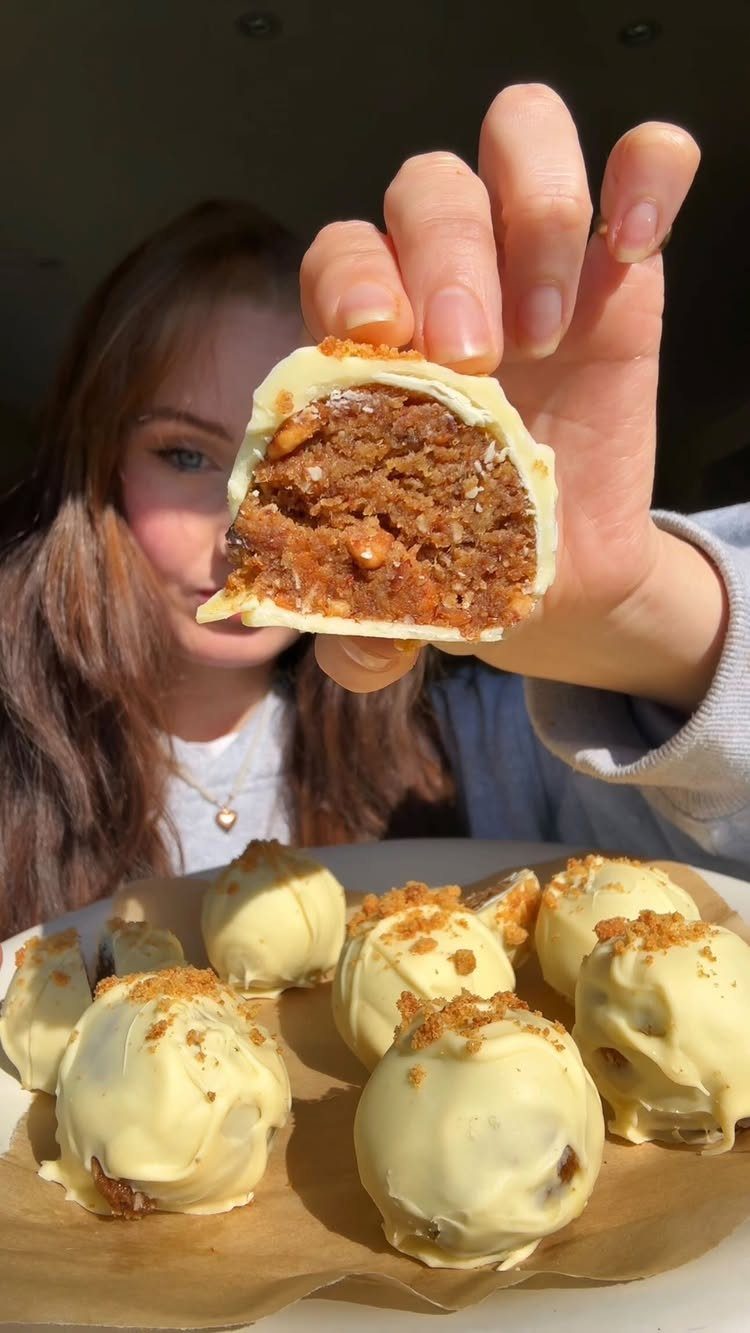
A white chocolate coat gives an oat bite the polish of a candy shop treat. The inside stays plain and oaty, so the shell supplies most of the sweetness.
Set the coated bites on parchment to harden, then cut one open to check the center is evenly mixed. White chocolate makes these sweet, so keep them small and save them for an after-school treat.
21. Chocolate Chip Oat Bites
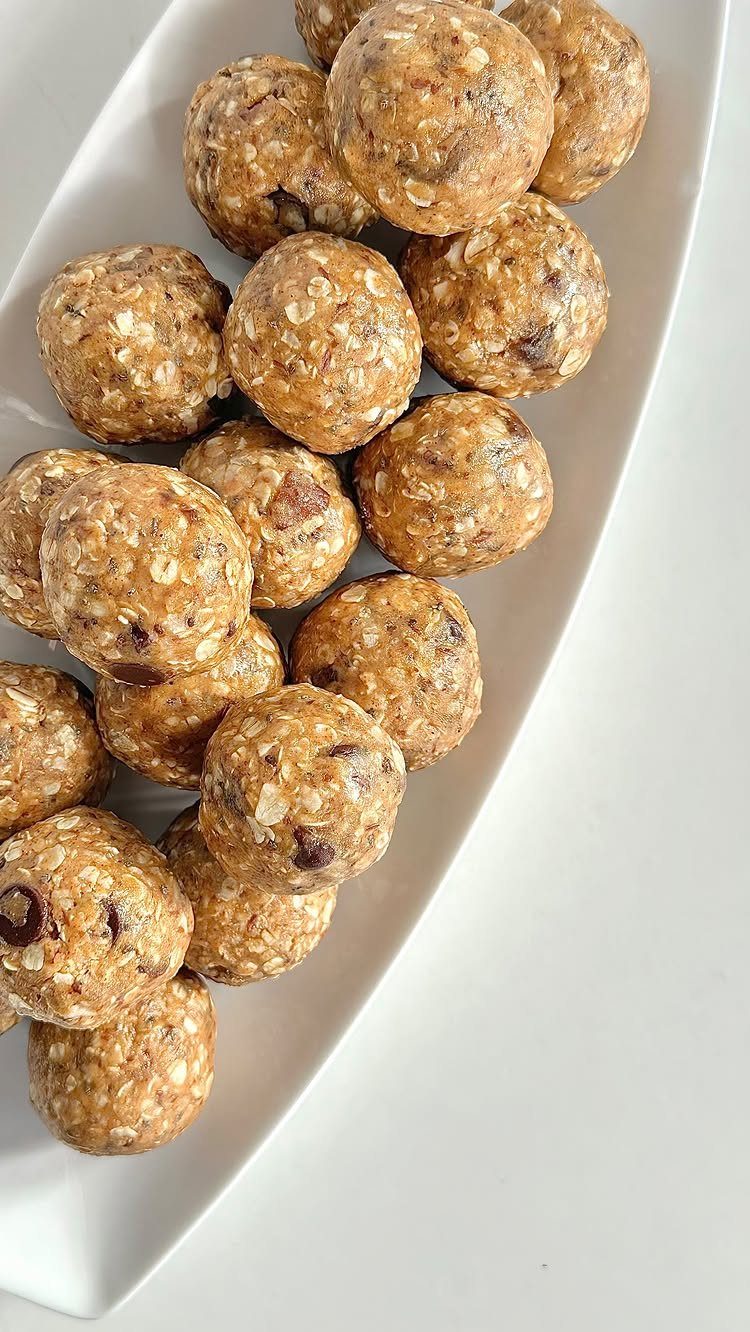
Small is the selling point. One bite fits in a hand, leaves no crumbs in the backpack, and carries a few chocolate chips in every mouthful.
Stack them in a container with a sheet of parchment between layers so they don’t fuse. Make a double batch if lunchboxes are involved, because a pile this size disappears quickly.
22. Sesame Oat Crackers
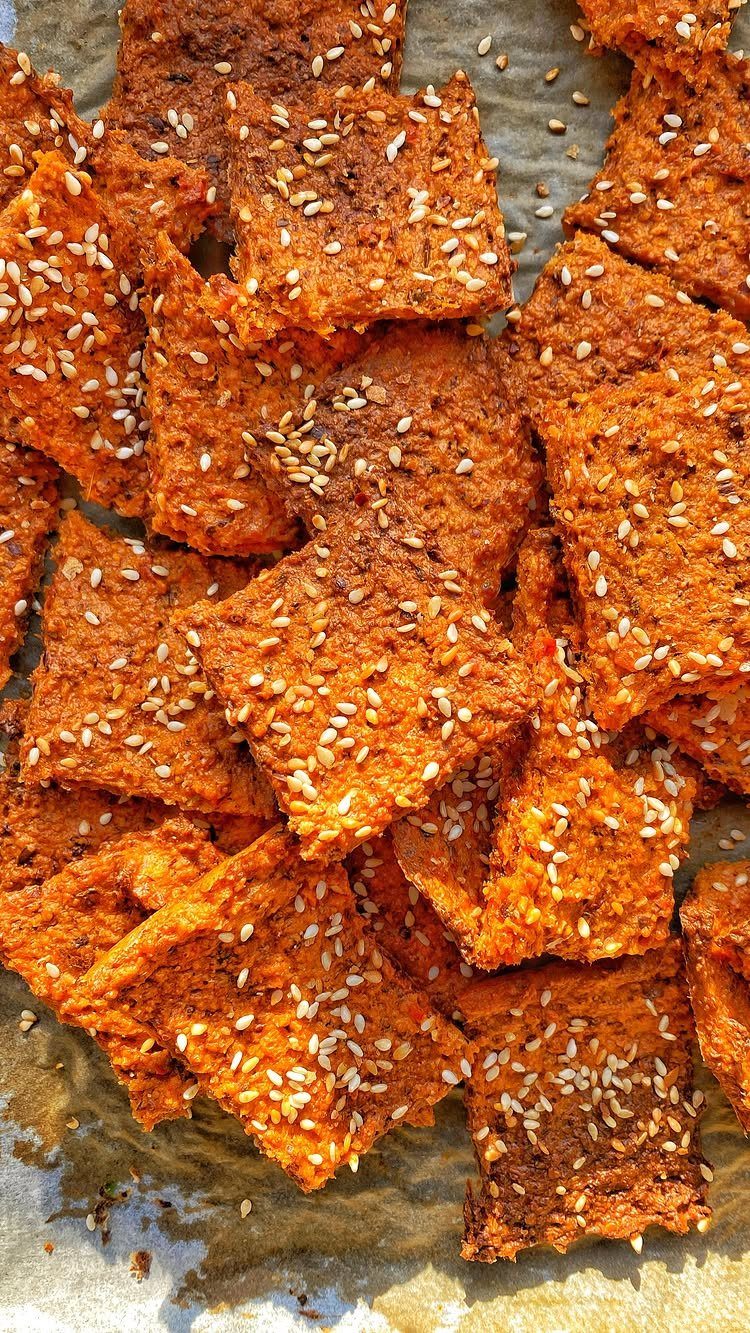
Cut the dough into even rectangles with a knife or pizza cutter so every cracker bakes at the same pace. Press the sesame seeds in lightly before baking, or they will slide off in the lunchbox.
Pair them with sliced cheese, or crumble a few into soup. They keep the sweet-versus-savory balance on a snack list that leans heavily on chocolate chips.
23. Overnight Oats Snack Jars
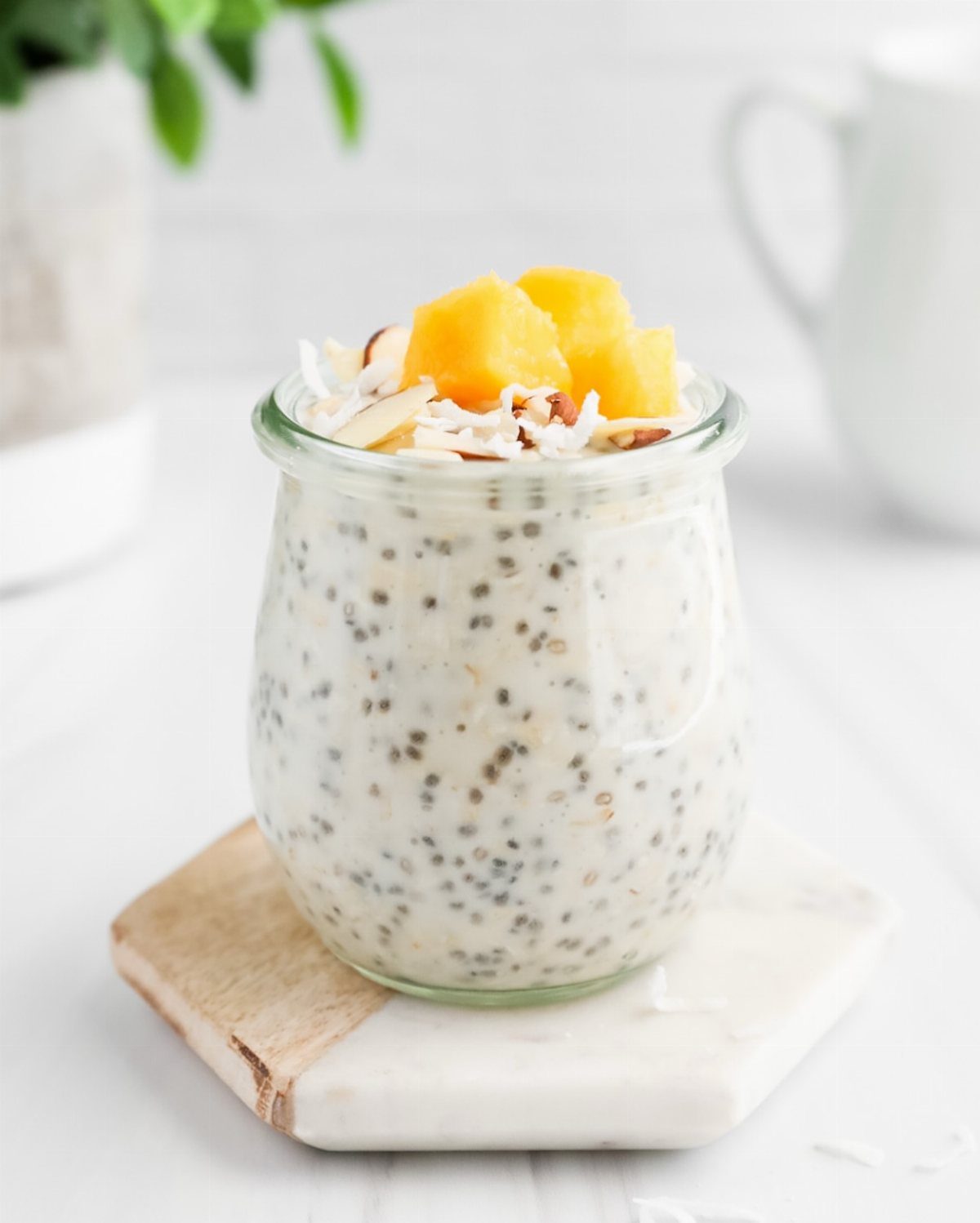
A lidded jar turns overnight oats into a grab-and-go snack. Chia thickens the oats as they sit, and mango, coconut, and sliced almonds make a tropical topping.
Hold the almonds and coconut until just before eating, since both go soft when they sit in the wet oats.
Fresh or thawed mango both work. Pack a spoon with the jar.
24. Oatmeal Fruit Smoothies
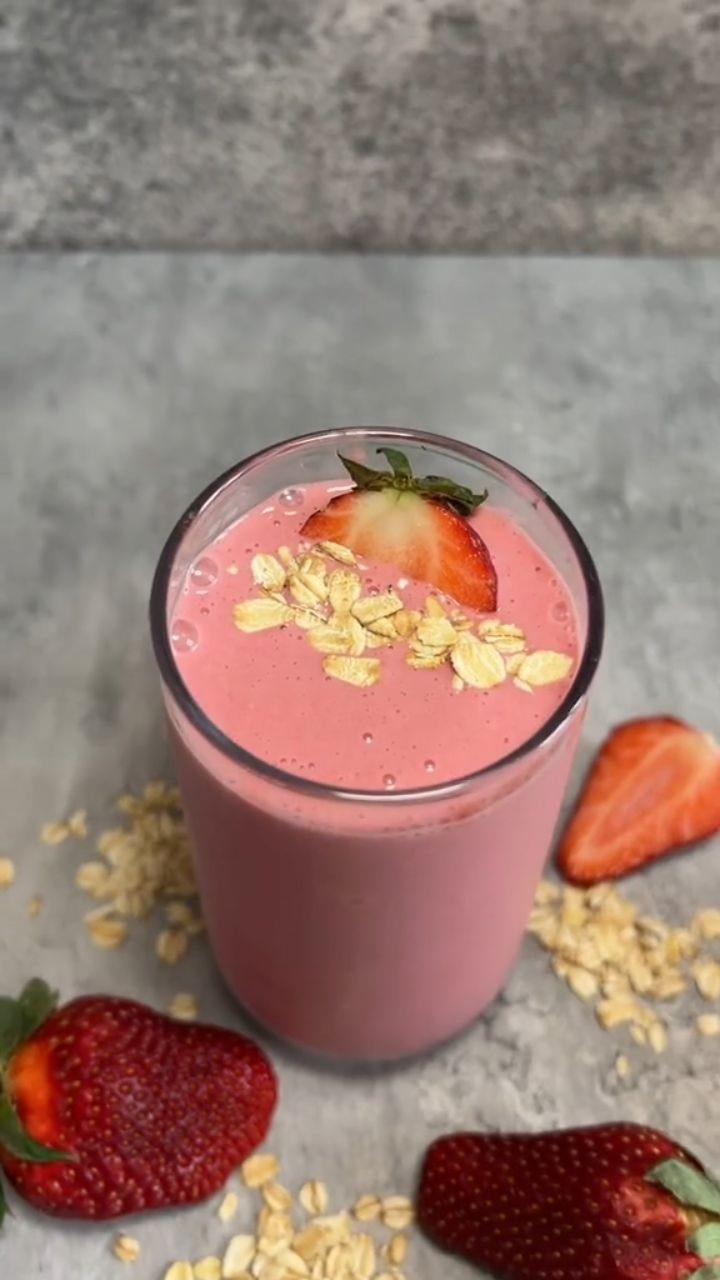
Oats blend into a smoothie and make it thick enough to count as a snack. Blend the oats with the milk first so they break down, then add banana, berries, and honey.
Frozen berries make the drink colder and thicker, which is how you get that pink, spoonable texture. A few dry oats on top look nice but stay chewy, so skip them for younger kids.
25. Carrot Cake Baked Oatmeal
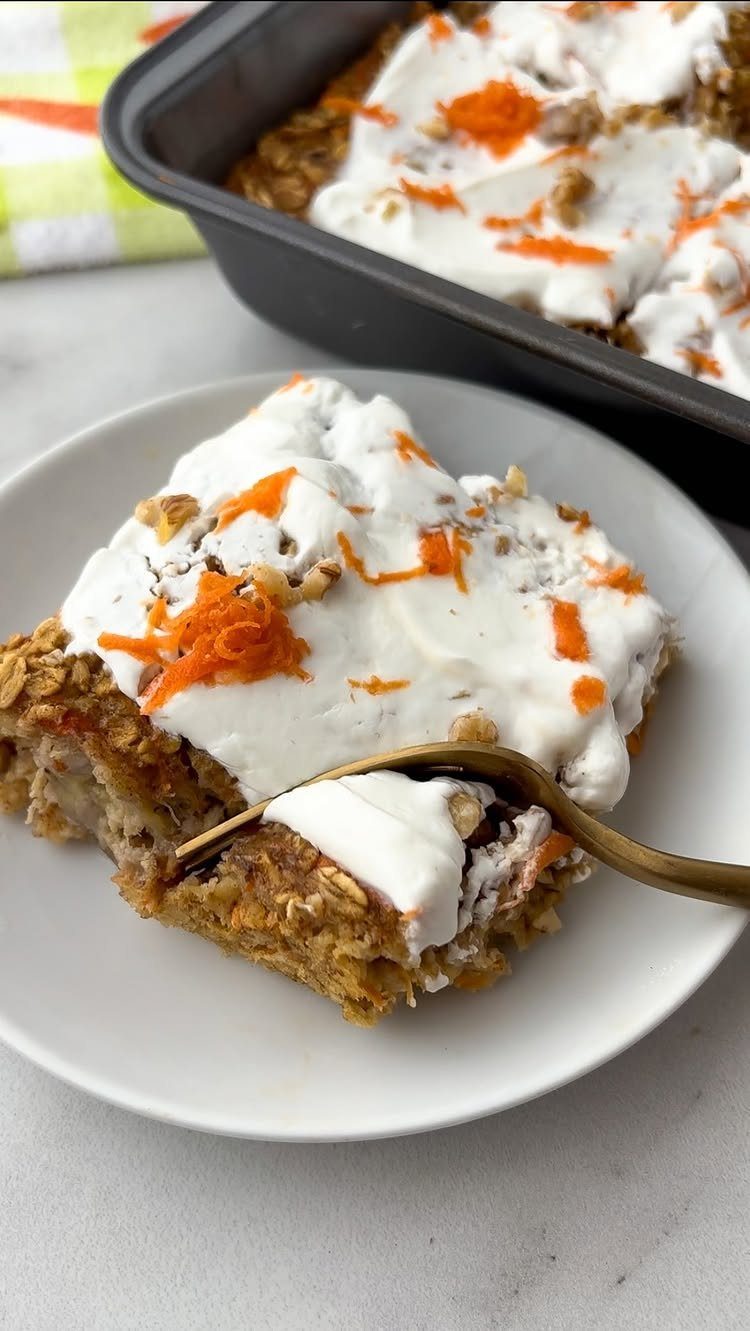
Walnuts add crunch to a moist baked oatmeal, and cream-cheese frosting on top pushes the whole pan toward carrot cake. Shredded carrot on the frosting tells everyone what flavor they’re getting.
Bake it in one pan and cut it into squares, which makes it easy to pack for a school snack or a slow morning.
Wait to spread the cream cheese frosting until you’re ready to put the pan on the table, because it goes soft and slides once it sits out. Skip the frosting on school days if you want a plainer snack.
26. Lemon Poppyseed Bread
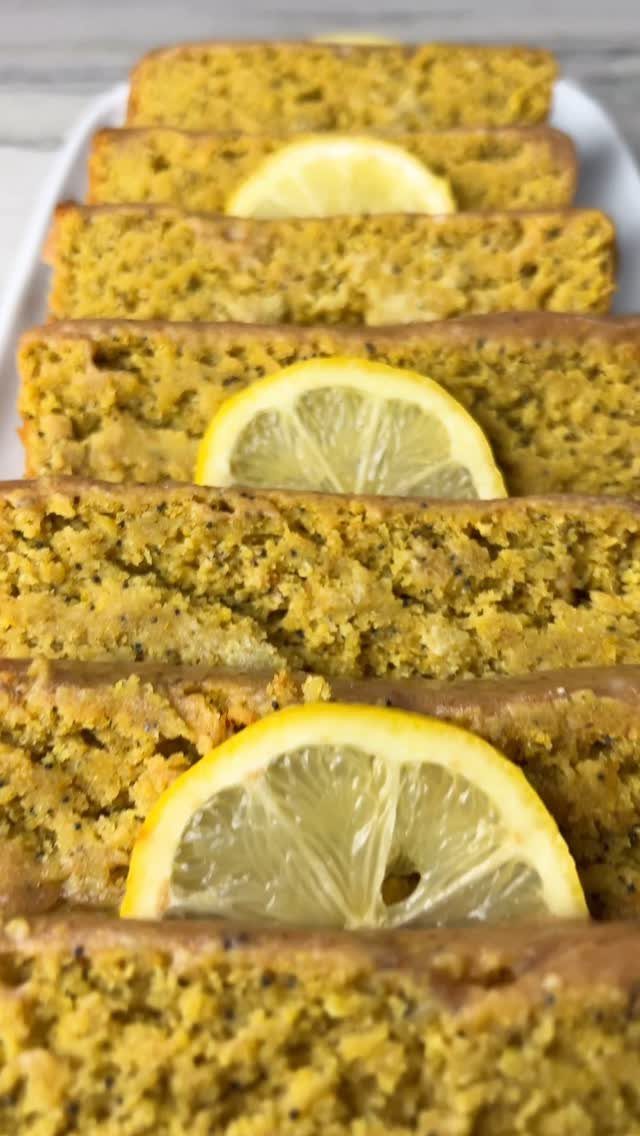
Oat flour and almond flour give this loaf a tender crumb, while Greek yogurt keeps it moist and maple syrup sweetens it.
Oat flour is just rolled oats ground in a blender, so you can make 1 1/4 cups at home.
Start the oven at 350°F, bake for 30 minutes, then drop it to 325°F so the center cooks through before the top browns too far.
Cool the loaf before slicing for neat pieces.
Dietary Substitutions and Safety
Plain oats start out free of gluten, but the same fields and mills often handle wheat, barley, and rye, so stray grains end up in the bag.
If you have celiac disease or cook for someone who reacts to gluten, look for "certified gluten-free" on the package, since that label means the oats were tested.
Plant-based milk works anywhere a recipe calls for dairy milk. Pick an unsweetened one if the recipe already has maple syrup or banana, so the snack doesn’t turn too sweet.
For nut-free households, swap any nut butter for a seed butter in equal amounts. Check the label on chocolate chips and granola add-ins too, since those can carry nut warnings.
Babies under 1 should not eat honey. Use maple syrup in its place.
Choosing Types of Oats
Rolled oats are the safe default for snacks. They cook quickly, and they stand in for quick oats in nearly any no-bake recipe.
Quick oats are more processed, and they work well in no-bake bites. If a recipe asks for them and you only have rolled oats, use the rolled oats.
Oat groats and Scottish oatmeal are better saved for hot cereal.
Groats need an overnight soak and can take 50–60 minutes to cook, while Scottish oatmeal takes 15–20 minutes. Neither fits a snack you want to make on a weeknight.
Storing and Freezing Snacks
No-bake bars last 3–5 days at room temperature, up to a month refrigerated, and up to 6 months frozen.
To freeze bites, set them on waxed or parchment paper in a single layer.
Spread the bites on a baking sheet and freeze them for an hour or two until hard, then pack them into a freezer bag or a freezer-safe container so they don’t stick together.
They won’t freeze into one lump, so you can take out just a few.
Wrap bars one at a time before freezing, so a single bar can go straight into a lunchbox or bag. Write the date on the bag so you know how long it has been in there.
Frequently Asked Questions
What are some healthy snacks made with oats?
Look for snacks where fruit or vegetables do the sweetening.
Banana zucchini oat cups get most of their sweetness from banana, soft oat cookies use mashed banana in place of refined sugar, and no-bake oat balls with shredded carrot taste a bit like carrot cake.
What can I make with lots of oats?
Granola clusters, muffins, and cookies all use a good amount, and no-bake bites and bars need little more than oats, peanut butter, and a sweetener.
A big bag of oats also works in pancakes, smoothies (blend them with the milk first to break them down), and savory crackers. If a recipe wants oat flour, grind rolled oats fine in a blender.
Why are my oatmeal bites falling apart?
They usually need more binder. If the mixture crumbles, add peanut butter or honey a spoonful at a time until a pinch holds its shape when squeezed.
A sticky mix needs a short rest in the refrigerator before shaping, and damp hands keep the dough from clinging as you roll.
Can I make oat snacks ahead of time, and how long do they last?
Yes. No-bake bars last 3–5 days on the counter, up to a month in the refrigerator, and as long as 6 months in the freezer.
Lay the bites apart on a baking sheet for 1–2 hours until firm, then move them to a freezer bag; they won’t clump, so you can grab just a few.
Wrapping each bar on its own lets you drop one straight into a lunchbox.
Can I substitute ingredients in oat snacks?
Yes, most swaps are simple. Use a seed butter in place of nut butter cup for cup, and swap rolled oats for quick oats in almost any no-bake recipe.
Can I make oat snacks nut free for school or daycare?
Yes. Use sunflower or another seed butter in the same amount as the nut butter, and skip any nut toppings.
Read the labels on chocolate chips and granola add-ins too, since those can carry nut warnings, and confirm your school or daycare accepts the substitute.
Are oat bars safe for a baby starting baby-led weaning?
They can be, with a few changes.
Honey isn’t safe for babies under 1, so sweeten with maple syrup instead, and chop any dried fruit or nuts very fine. The sweetener still counts as added sugar, so keep portions small for babies under 1.
Can kids help make no-bake oat bars?
Yes. In bars that use heated maple syrup, an adult should add the hot syrup, then kids can stir in the peanut butter and add-ins and press the mixture into the pan.
Because nothing goes in the oven, the rest of the job is safe for small hands.