These snacks range from a plate of cantaloupe and melon to a tray of strawberry blueberry yogurt bark or a bowl of roasted edamame.
Which one is yours depends on how much prep you will do on a busy day: Greek yogurt with berries or a cantaloupe and melon plate takes minutes, while roasted carrots with hummus needs oven time.
Aim for 200 calories or fewer and at least 7 grams of protein per serving. Once a snack clears both numbers, pick whichever is easiest to make and tastes best to you.
1. Greek Yogurt with Berries
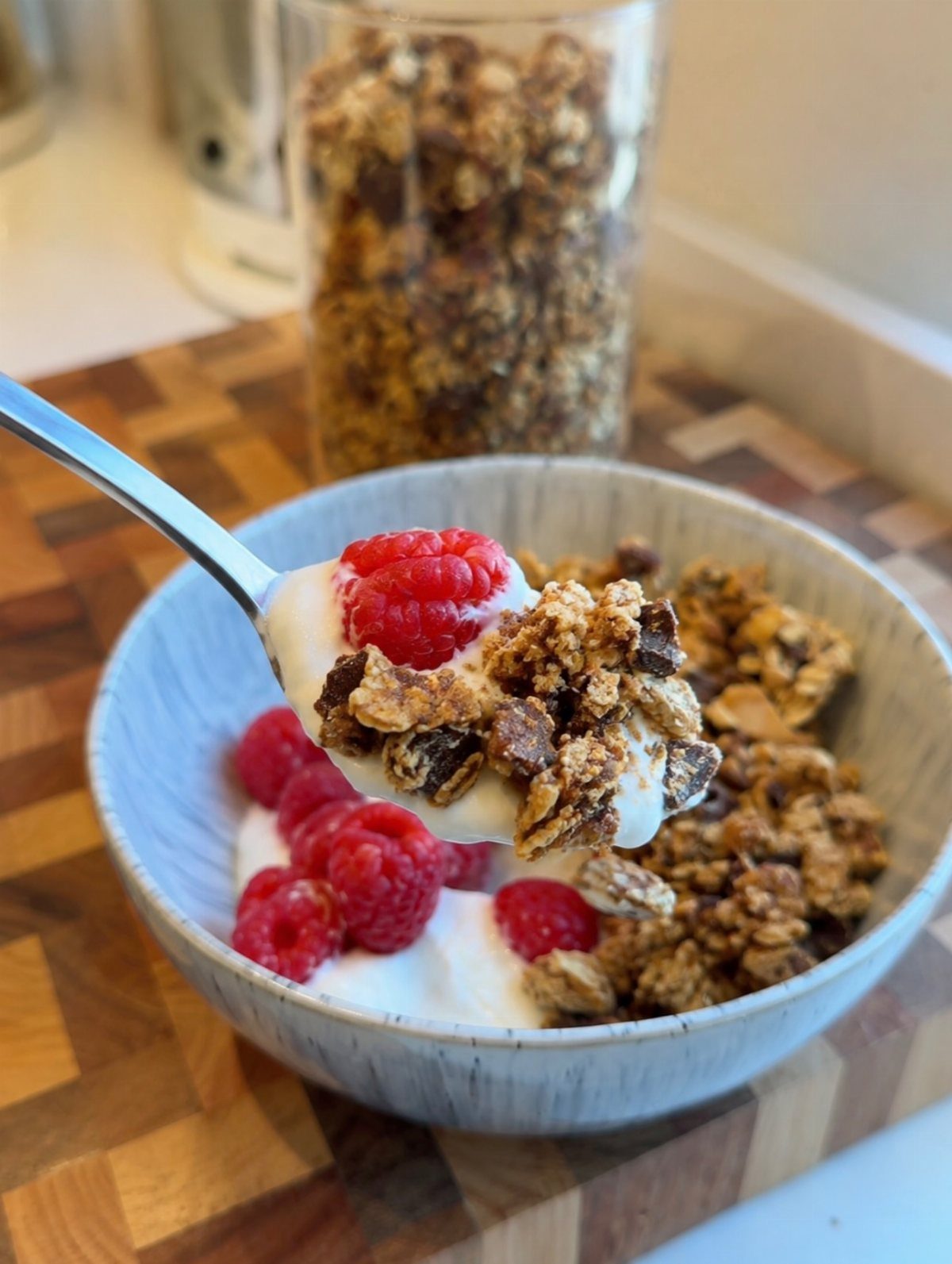
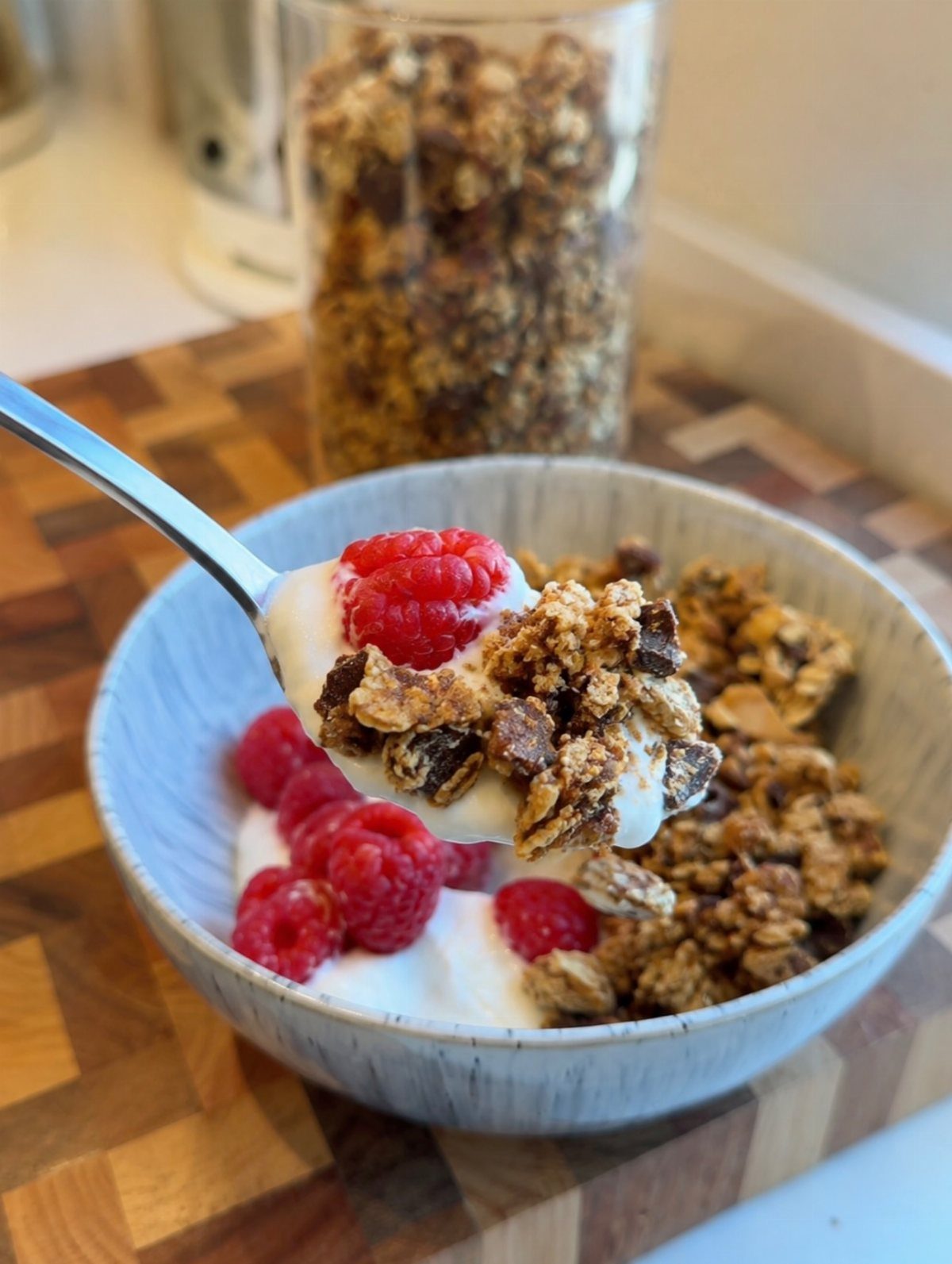
Plain Greek yogurt carries the protein here, and the berries add sweetness without needing a spoonful of sugar. Raspberries work well because their tartness balances the creamy yogurt.
Keep the granola to a small sprinkle and add it right before eating so it stays crunchy. It’s the part of the bowl that adds calories fastest, so measure it rather than pouring from the jar.
2. Greek Yogurt with Honey
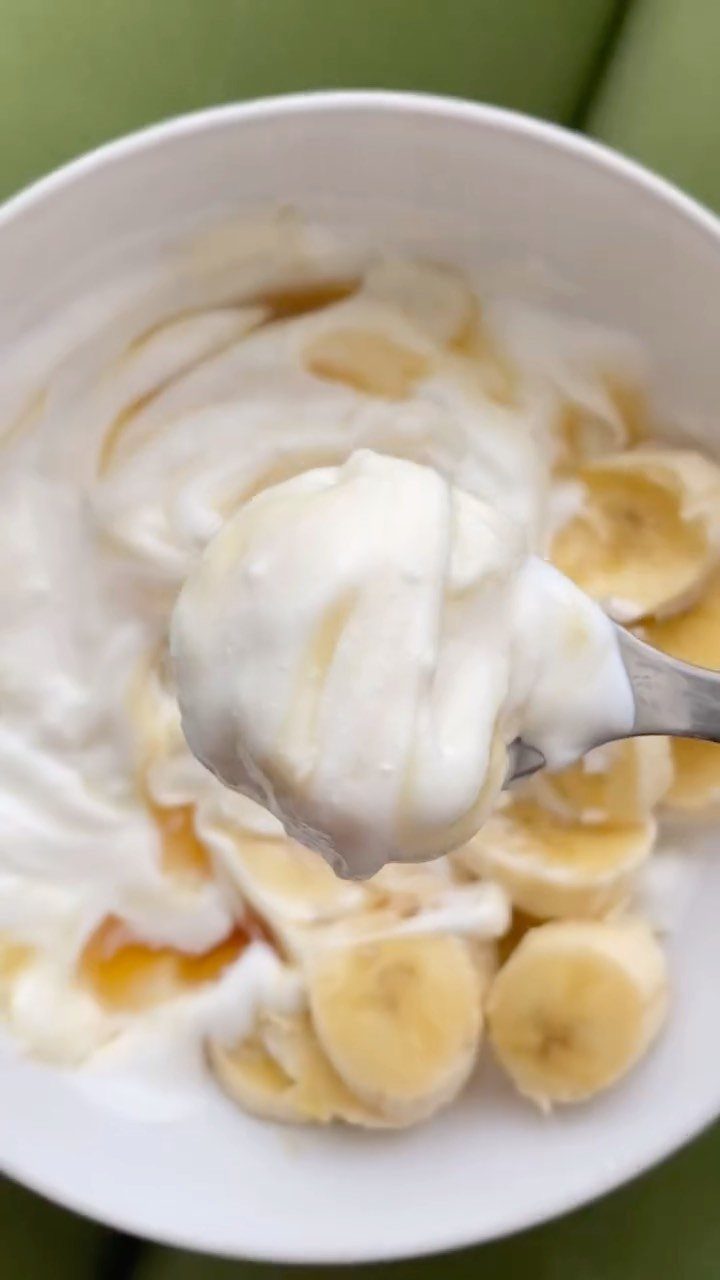
Honey turns plain, tangy yogurt into something that tastes like dessert, and a drizzle goes a long way. Measure it by the teaspoon so the sweetness stays a garnish, not the main ingredient.
Sliced banana adds natural sweetness and a softer texture, which means you can use less honey.
Cut the banana into slices right when you’re ready to eat, so the pieces stay pale and don’t brown. Choose plain yogurt over flavored tubs, since those often carry added sugar.
3. Hard-boiled Eggs
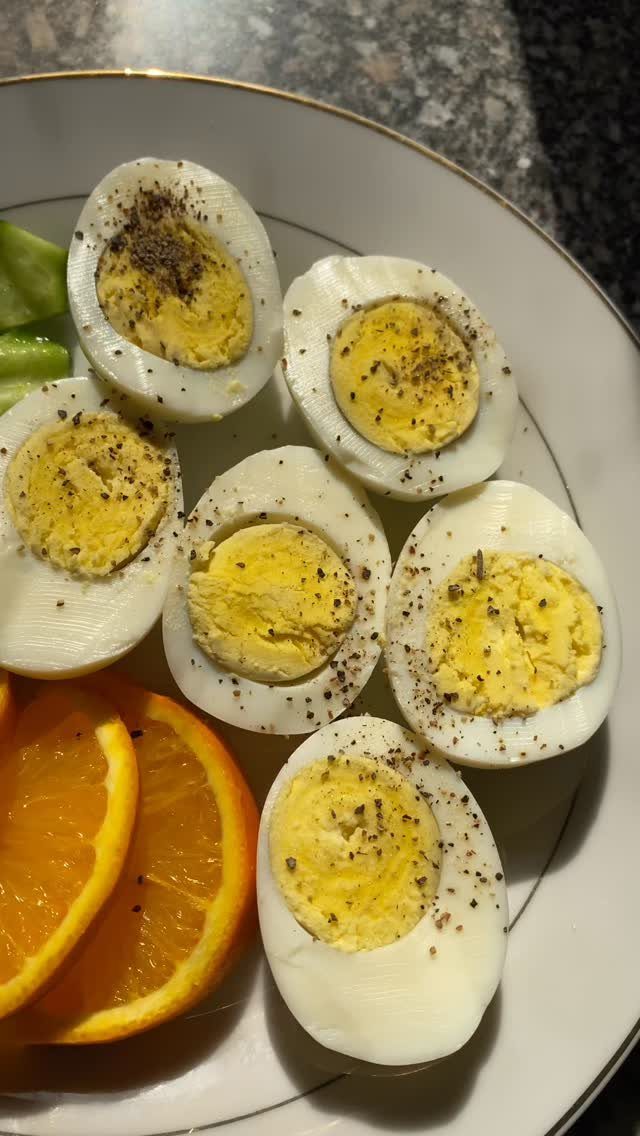
Boil a batch on Sunday and you have grab-and-go protein for several days, with no cleanup beyond a pot and a few shells. Seasoning is the only decision: black pepper is enough, and a pinch of salt finishes it.
Pack them with something juicy, like orange slices or sliced bell pepper, so the snack has some freshness and crunch. Keep them in their shells in the fridge until you’re ready to eat, and peel when hungry.
4. Fruit Smoothie
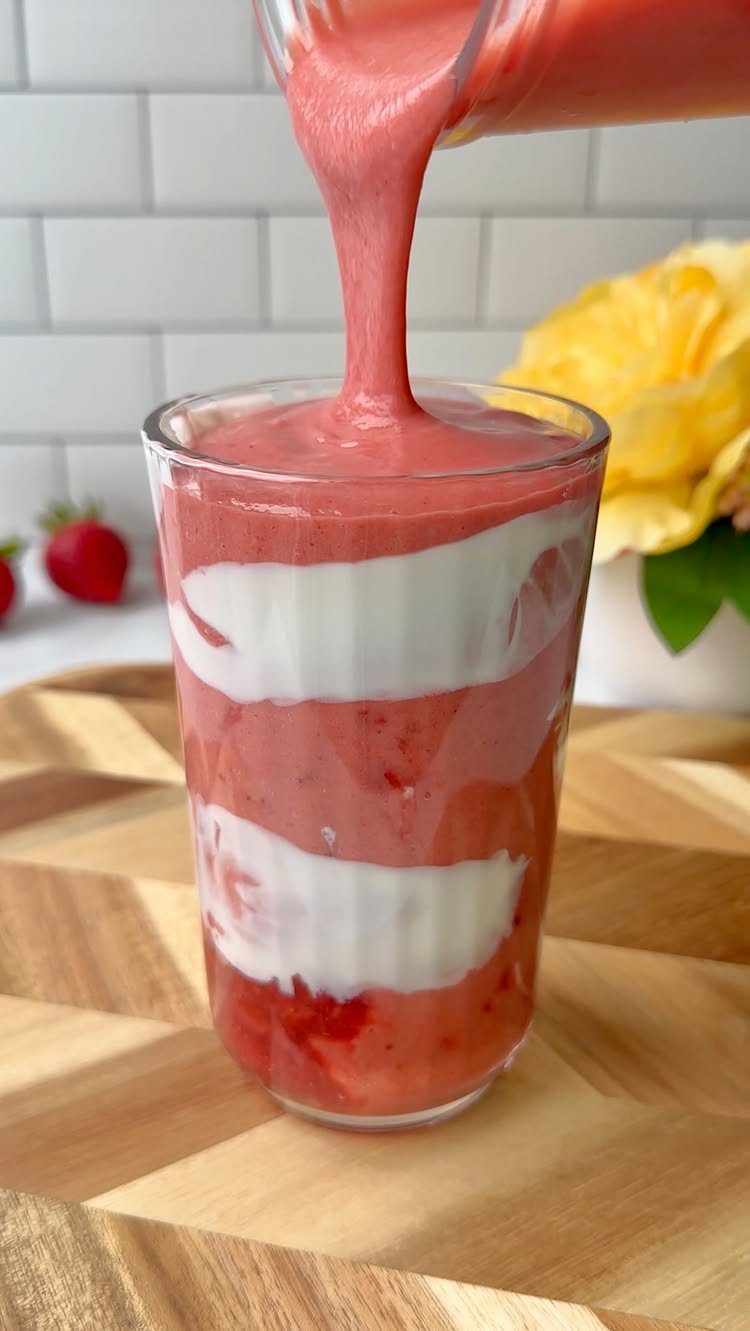
A smoothie is the easiest way to use up strawberries that are getting soft. Blend them with yogurt or milk, and the drink comes out thick enough to eat with a spoon.
For the layered look, spread coconut cream on the inside of the glass with the back of a spoon before pouring.
A glaze of mashed strawberries simmered on low heat with 1 tbsp maple syrup makes a pink streak. It’s a few extra minutes, so save it for when you want the smoothie to feel special.
5. Cottage Cheese and Fruit
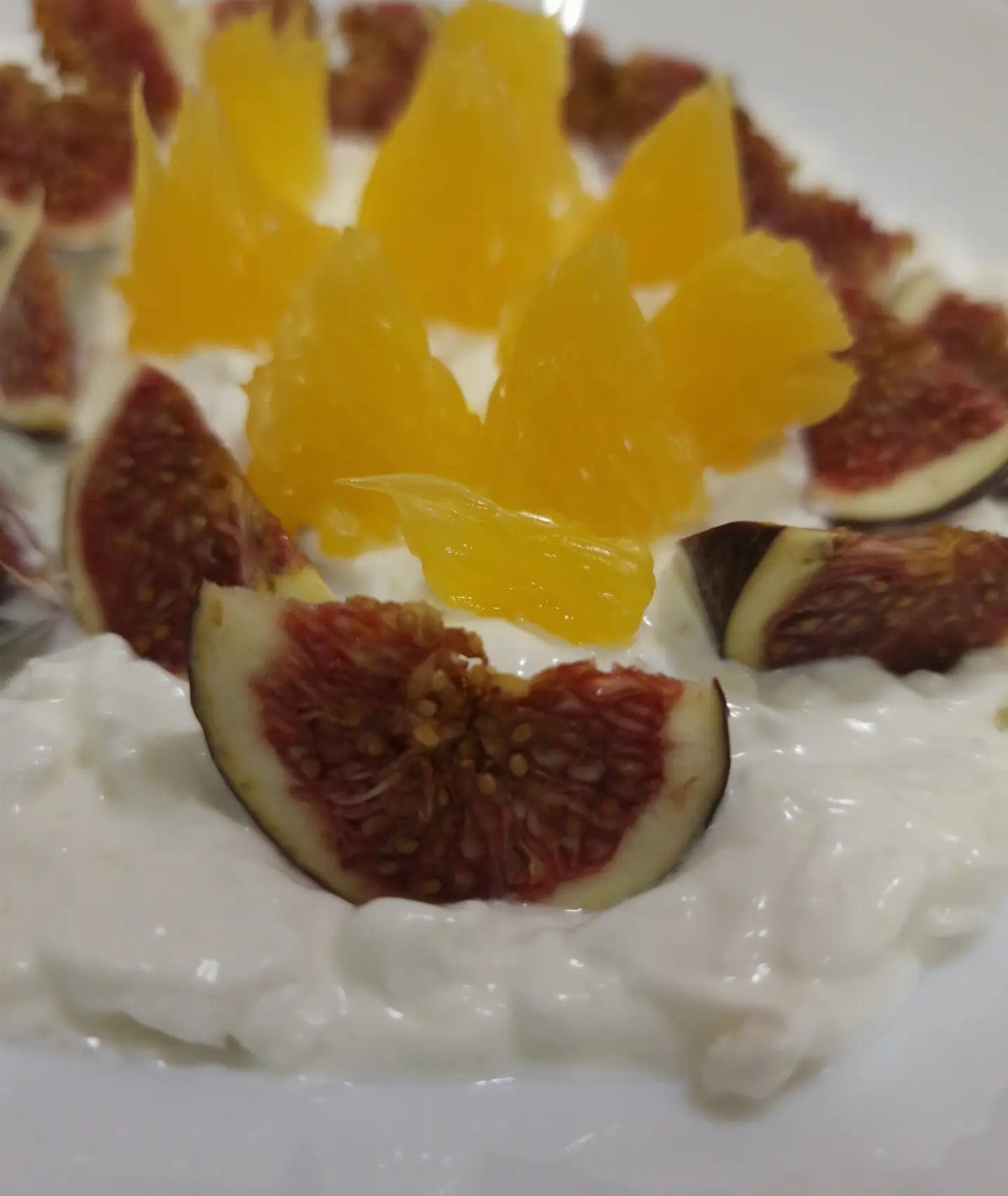
Cottage cheese is mild and salty, which makes it a good match for sweet, juicy fruit. Orange segments and sliced fresh figs both add sugar and moisture, so the bowl needs nothing else.
If you don’t love the curdy texture, choose a small-curd style, or stir the cottage cheese well before adding fruit. Figs are seasonal and pricey, so berries, peaches, or pineapple can stand in at other times of year.
6. Frozen Banana Pops
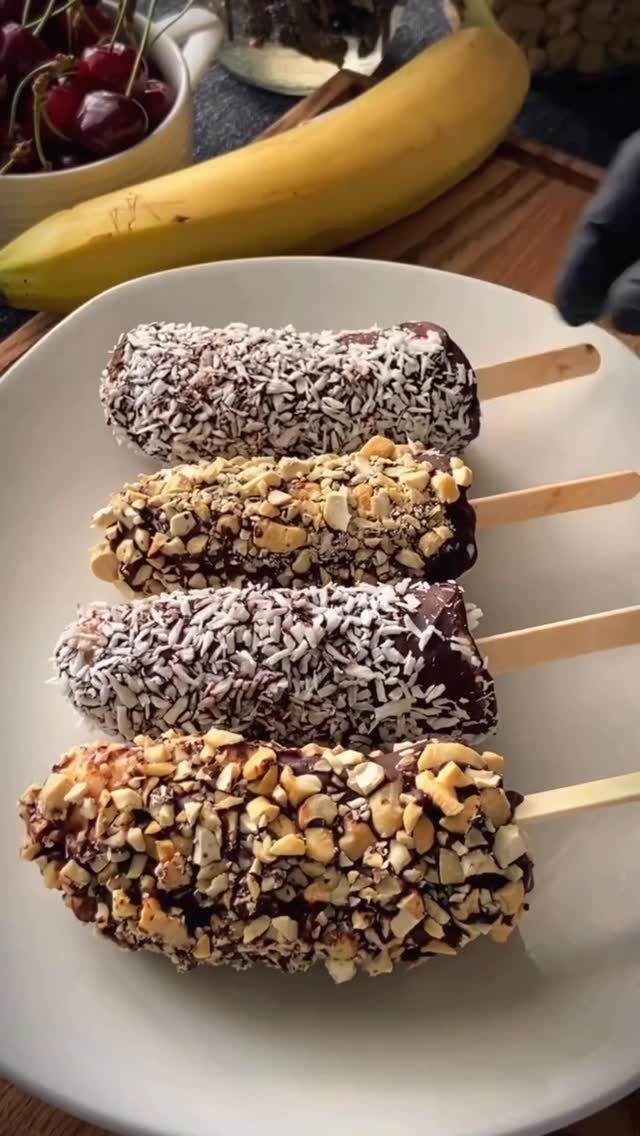
Halve a banana, push a stick into each piece, and freeze on a plate until firm. That’s the whole snack, and it tastes like ice cream on a stick.
Dipping in melted chocolate and rolling in coconut or chopped nuts makes them look like a treat, but the toppings add calories quickly.
For a lighter version, keep the coating thin and use a small sprinkle. Plain frozen banana is the lowest-calorie option.
7. Tomato Avocado Plate
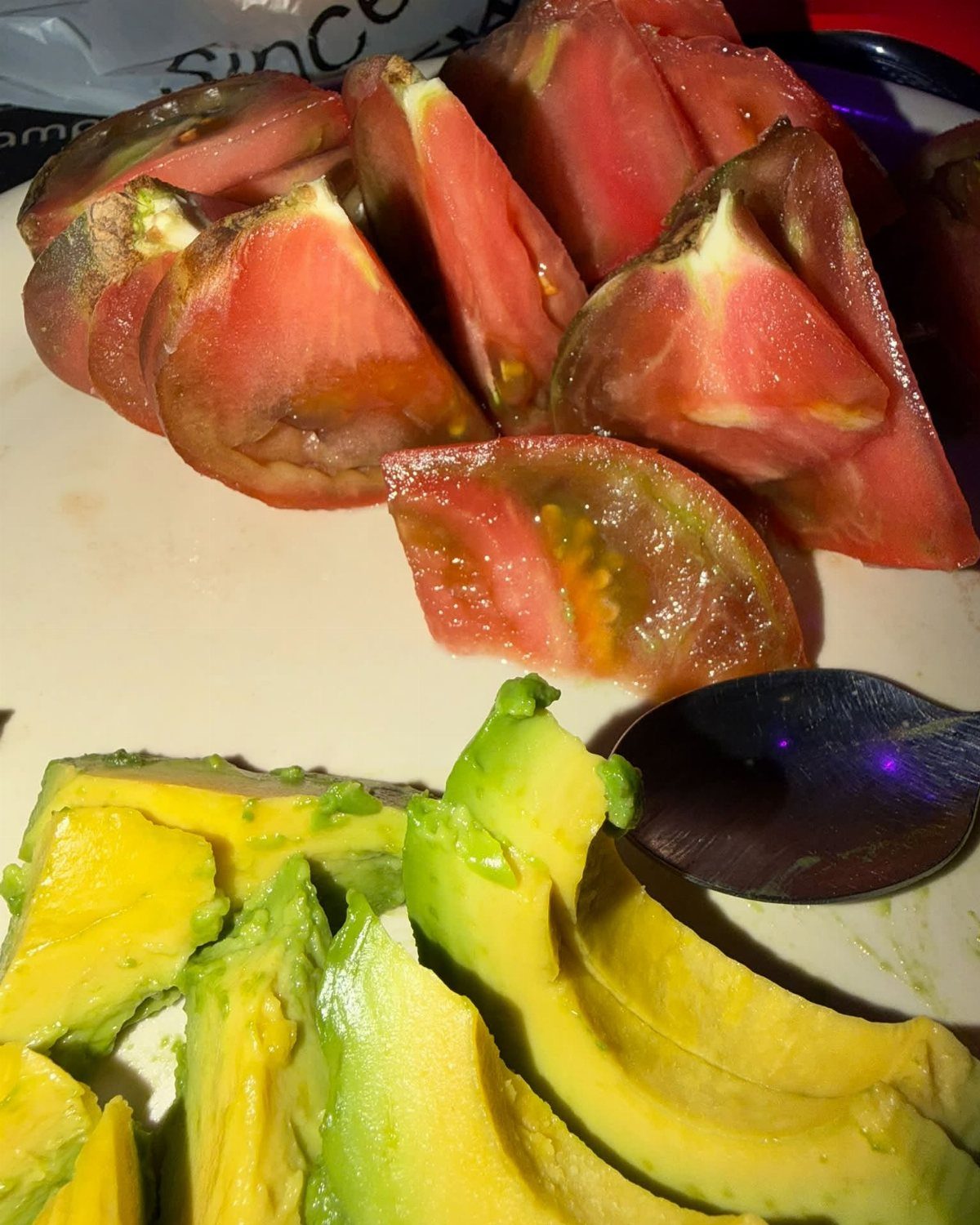
Tomato and avocado need almost no help: salt and pepper, maybe a squeeze of lemon. Fan the slices side by side so each bite has both the juicy, slightly acidic tomato and the creamy avocado.
Cut the avocado last, since the flesh darkens once it’s exposed. Half an avocado is plenty for a snack, because it’s the calorie-dense part of the plate.
8. Avocado English Muffin
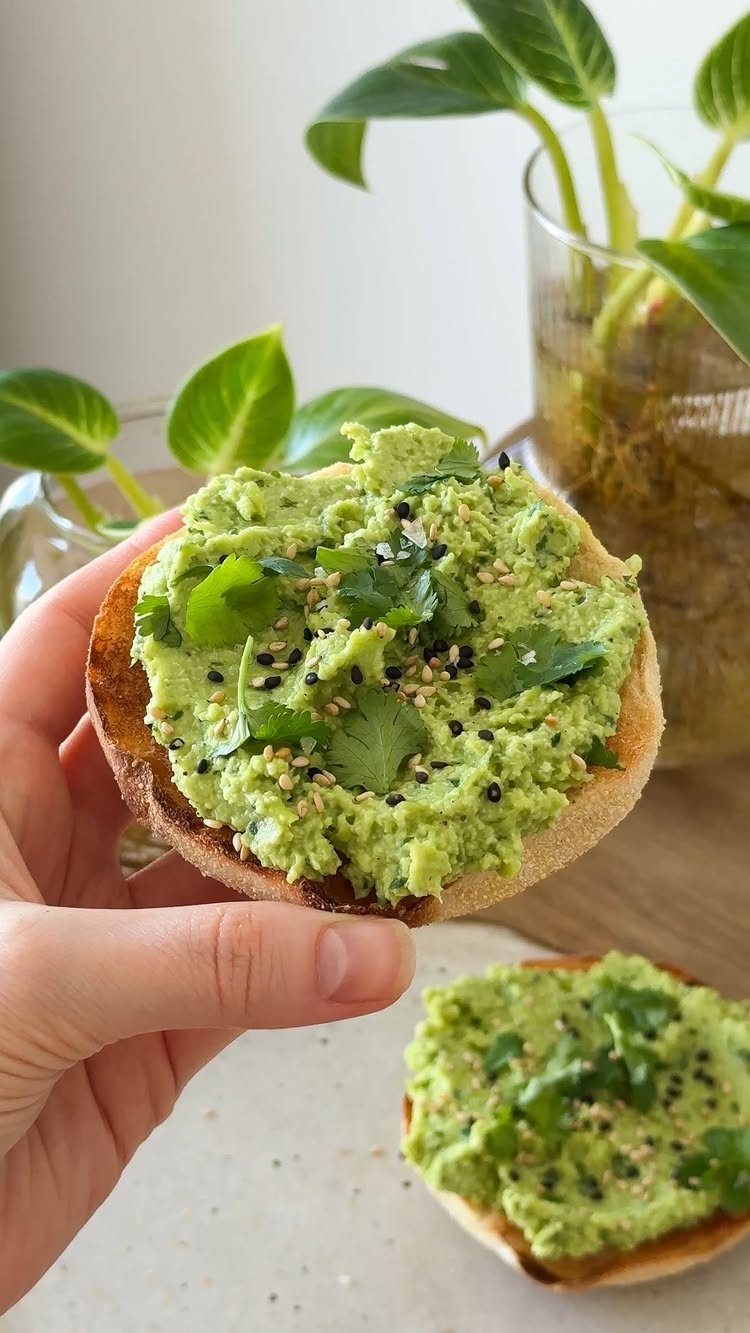
Split an English muffin, toast it until the edges turn crisp, and spread each half with mashed avocado. Sesame seeds and cilantro leaves add crunch and a fresh, herby finish without adding much.
One muffin split into two halves makes a snack-sized portion. The muffin’s nooks hold the avocado well, so you can use a thin layer.
Avocado browns quickly, but a squeeze of lime helps.
The muffins keep in an airtight container in the fridge for 3 days, according to the person who made this one. Re-toast the bread just before eating if you want the crunch back.
9. Cinnamon Apple Toast
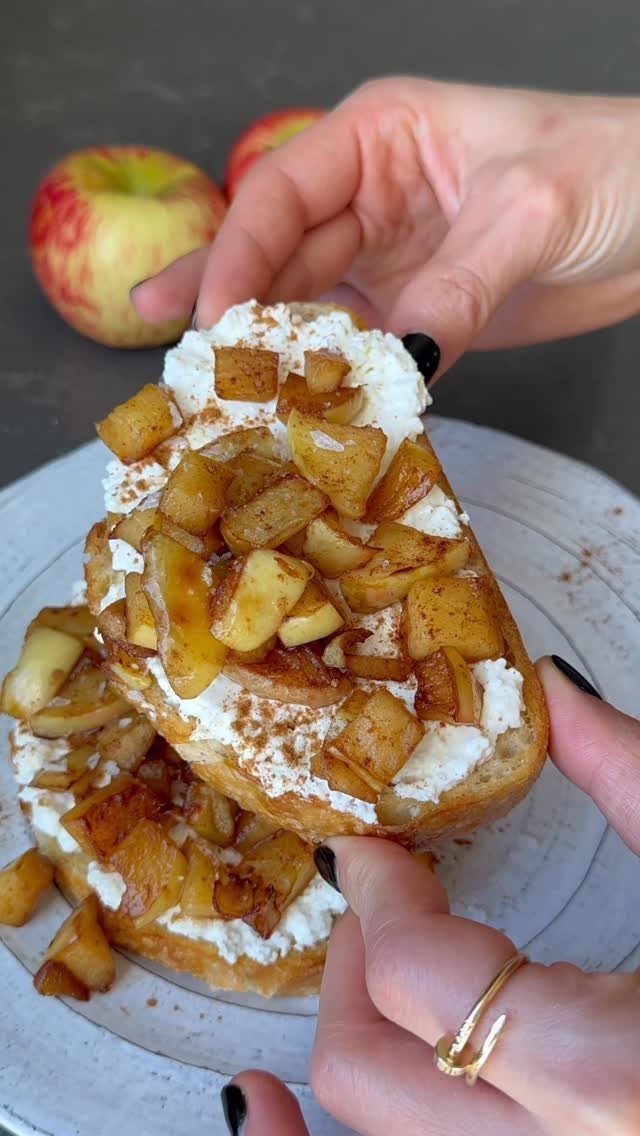
Warm apples and cinnamon on toast taste like apple pie, with a fraction of the work. Toast sourdough in a pan with a little coconut oil, 2–3 minutes per side, then cook sliced apples in the same pan for about 5 minutes.
You want them tender but still a little firm, so the slices stay distinct on the bread instead of turning to mush.
A spread of yogurt or soft cheese under the apples gives the toast a creamy layer. Use a thin coat, since the toppings and the oil are where the calories come from.
10. Pita with Tomato Salsa
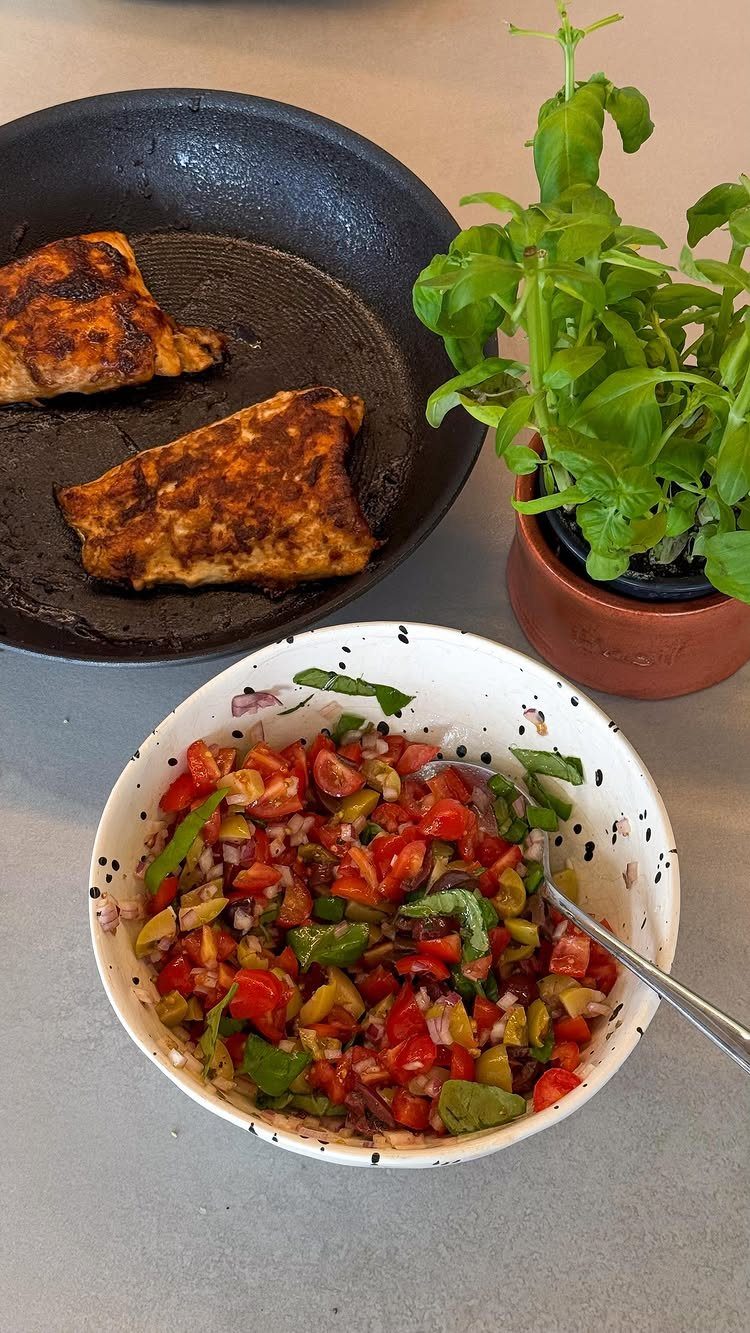
Toast pita triangles in a dry pan until they’re crisp at the edges, then scoop up a fresh salsa of diced tomato and onion.
Together they work like chips and dip, but the pita is chewier and the salsa is mostly water and vegetables, so it stays light.
Chop the tomato and onion fairly small so the salsa stays on the pita.
A few torn basil leaves add a clean, green flavor. One pita cut into wedges is a reasonable snack portion.
11. Strawberry Blueberry Yogurt Bark
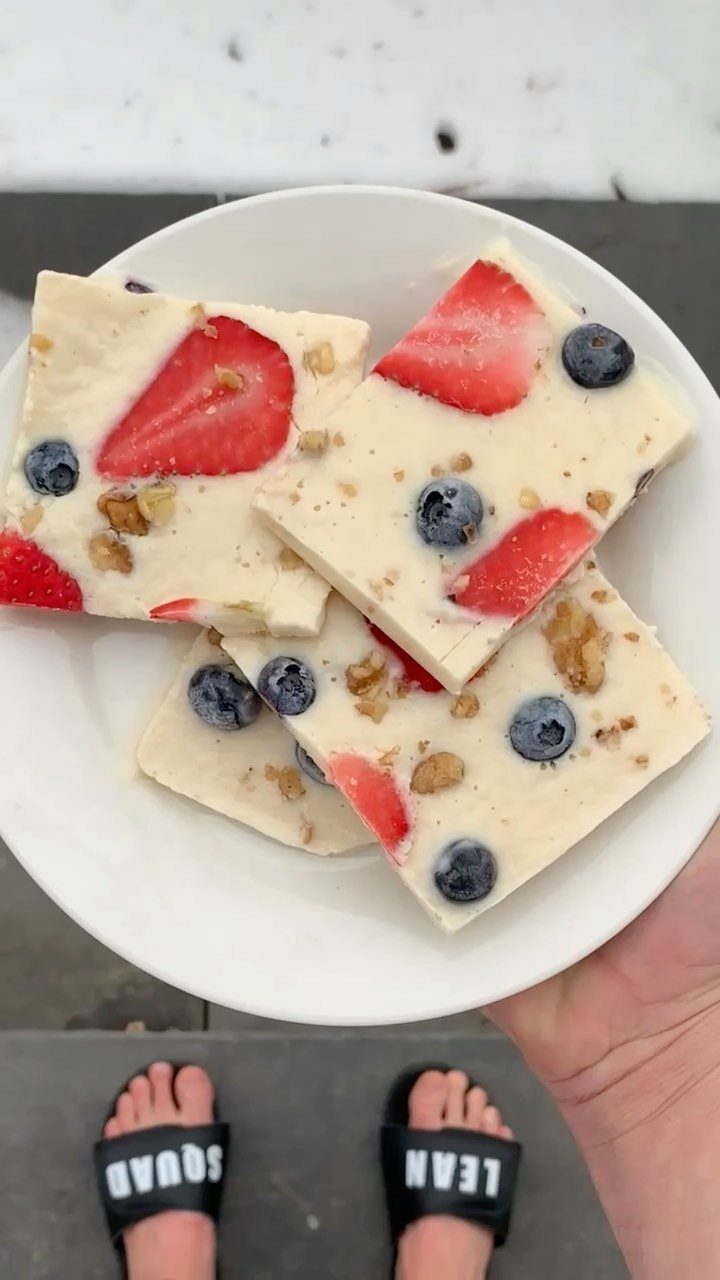
Spread yogurt on a lined tray, scatter strawberries, blueberries, and walnuts on top, freeze until solid, then break into shards.
The bark sits in the freezer ready to grab, which makes it a good swap for ice cream on a warm afternoon.
Use plain yogurt and let the fruit supply the sweetness.
Press the toppings in lightly so they don’t fall off when you snap it. Walnuts bring crunch and calories, so a small handful across the whole tray is enough.
12. Mediterranean Salad Bowl
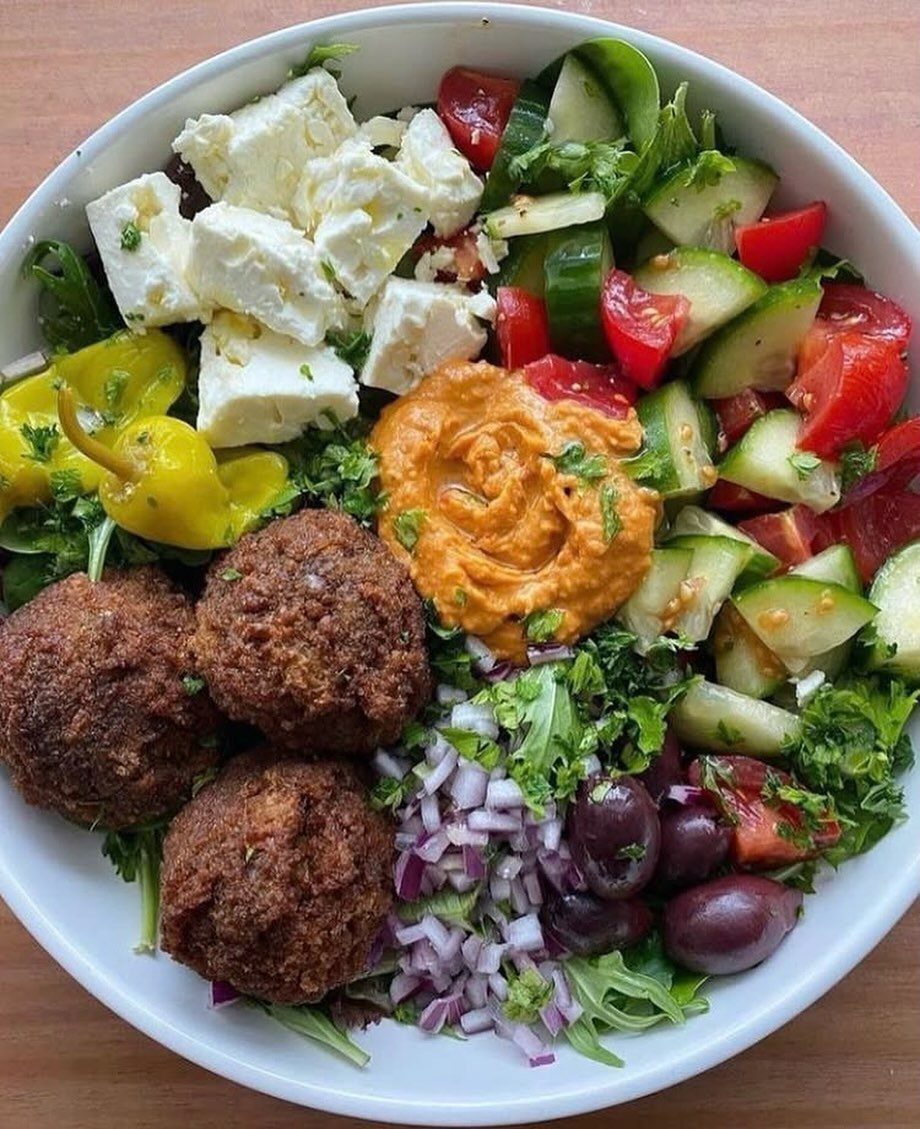
This bowl works as a snack only if you scale it down.
A big handful of greens, a few cucumber and tomato pieces, a couple of olives, and a spoonful each of hummus and feta give you the Mediterranean flavors in a small portion.
Falafel, feta, and olives are the heaviest parts, so use one or two falafel balls, not a full serving.
Red onion adds sharp flavor for almost no calories. Leave the dressing off, since the hummus already coats the greens.
13. Roasted Carrots with Hummus
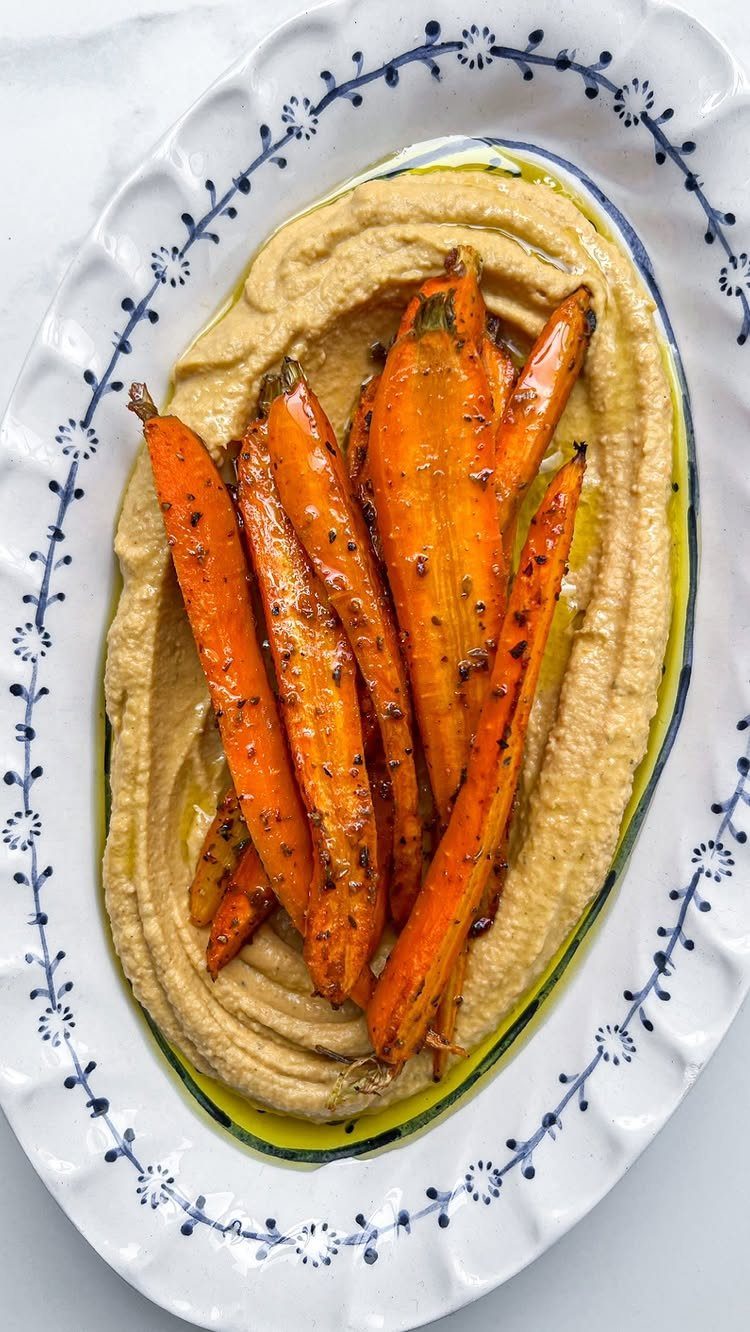
Roasted carrots turn sweet and slightly caramelized at the edges, and hummus gives them something creamy to land in. Spread the hummus in a shallow swirl with the back of a spoon so each carrot picks up a little.
The olive oil drizzle is the calorie-heavy part, so measure it by the teaspoon. Roast the carrots ahead and serve them warm or cold; either works.
14. Mixed Nuts and Dried Fruit
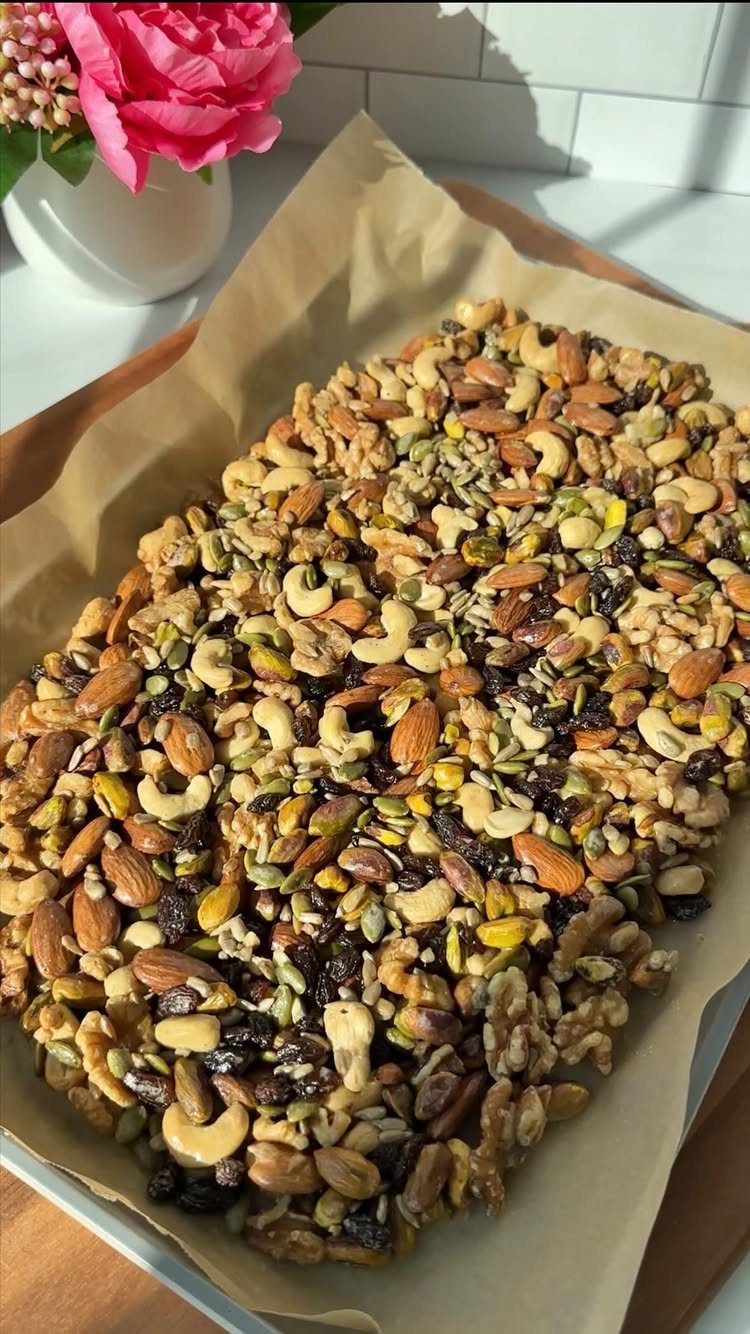
Almonds, cashews, pistachios, and raisins make a snack that’s easy to overeat straight from the bag. Nuts are dense in calories, and raisins are concentrated sugar, so portion the mix into small containers or bags before you leave the house.
A small handful is a fair serving. Keep the nuts to roughly twice the volume of the dried fruit, so the mix stays savory and filling instead of candy-sweet.
15. Cucumber Chickpea Salad
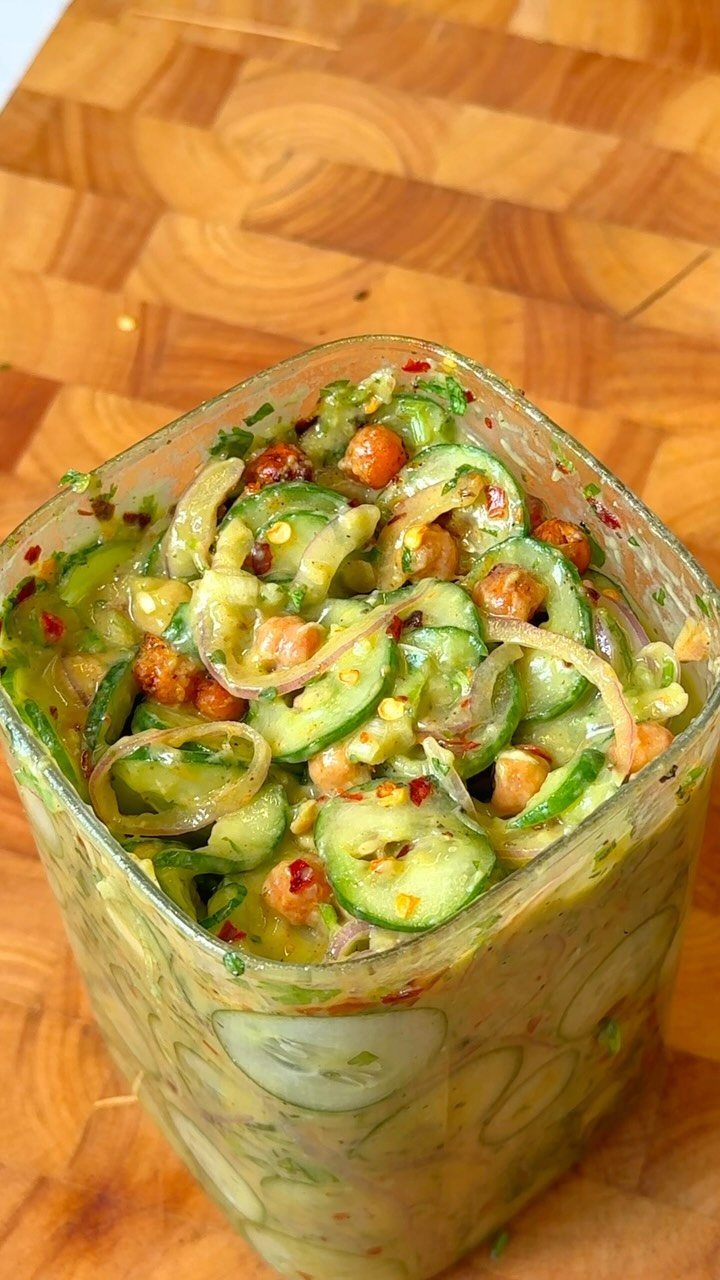
Drain and rinse canned chickpeas, then pat them dry so the dressing clings. Toss them with sliced cucumber and thin red onion, and use a creamy herb dressing sparingly; a yogurt-based one keeps it lighter.
A glass container is a good fit for packing this for work. Cucumber releases water as it sits, so add the dressing right before eating if the salad will wait more than a few hours.
16. Roasted Edamame
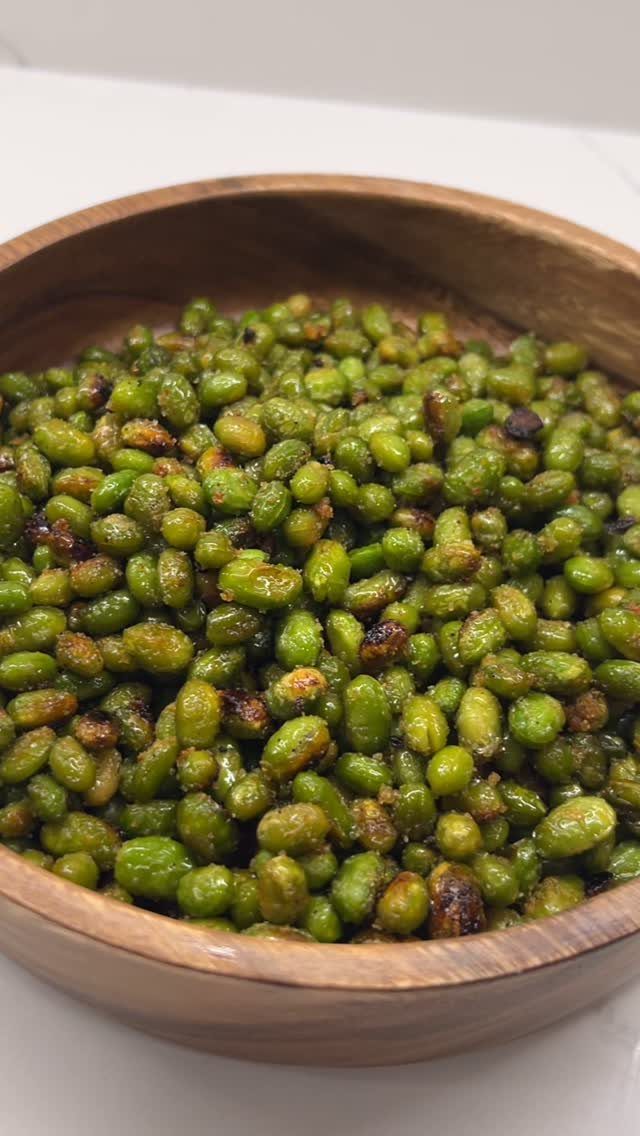
Dry beans roast; wet ones steam. Thaw frozen shelled edamame, pat them thoroughly dry, and toss with a little oil and salt before they go onto a sheet pan.
A hot oven gives you browned, lightly charred spots and a chewy bite.
Stir once partway through. They’re best the day they’re roasted, when the skins are still crisp, so make small batches.
17. Cantaloupe and Melon Plate
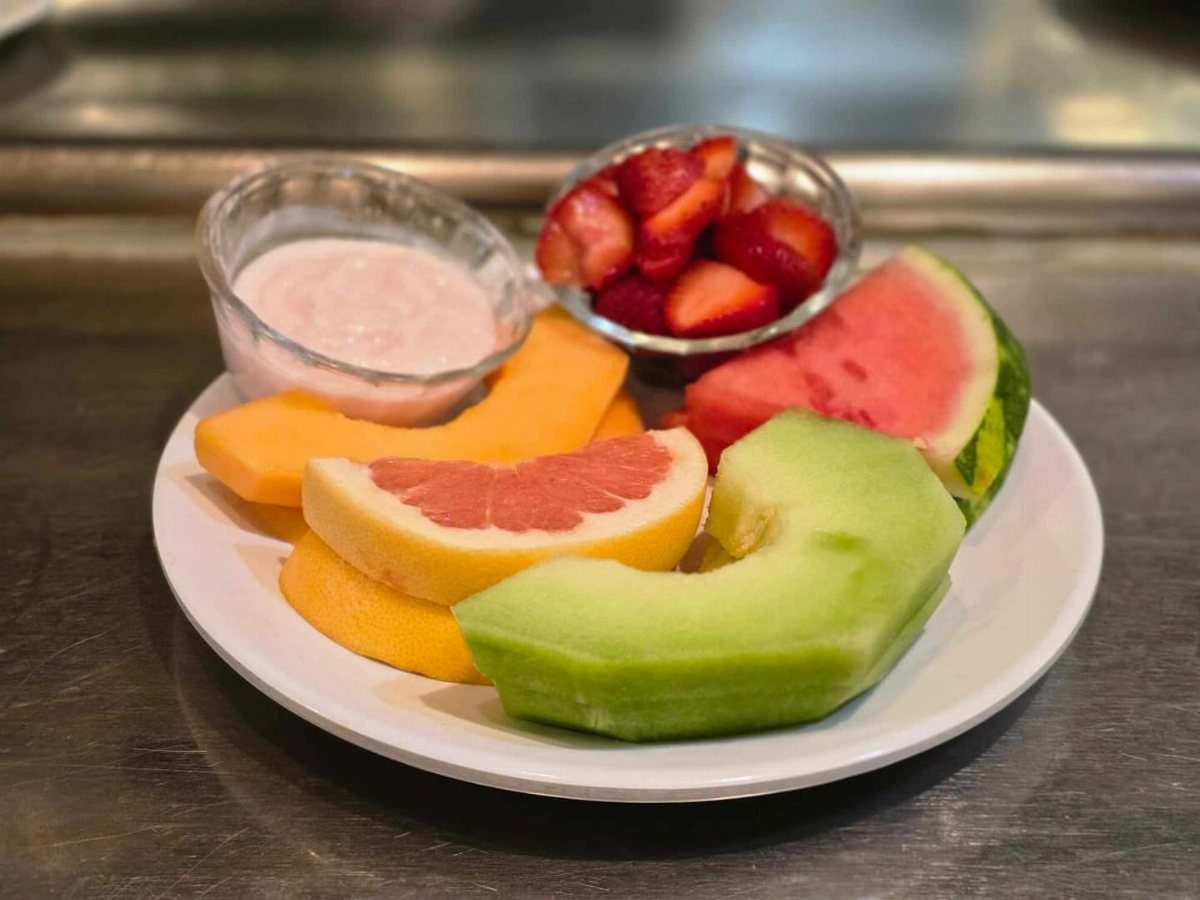
Cantaloupe, honeydew, watermelon, and grapefruit are mostly water, so a big plate fills you up for few calories. Cut the fruit ahead and keep it in a covered container in the fridge; cold melon tastes better than room-temperature melon.
Grapefruit needs peeling and sectioning, which adds a little prep, but its tartness balances the sweeter melons. Keep the creamy dip to a spoonful or two, since it’s the one part of the plate that adds real calories.
18. Tomato Cream Cheese Crispbread
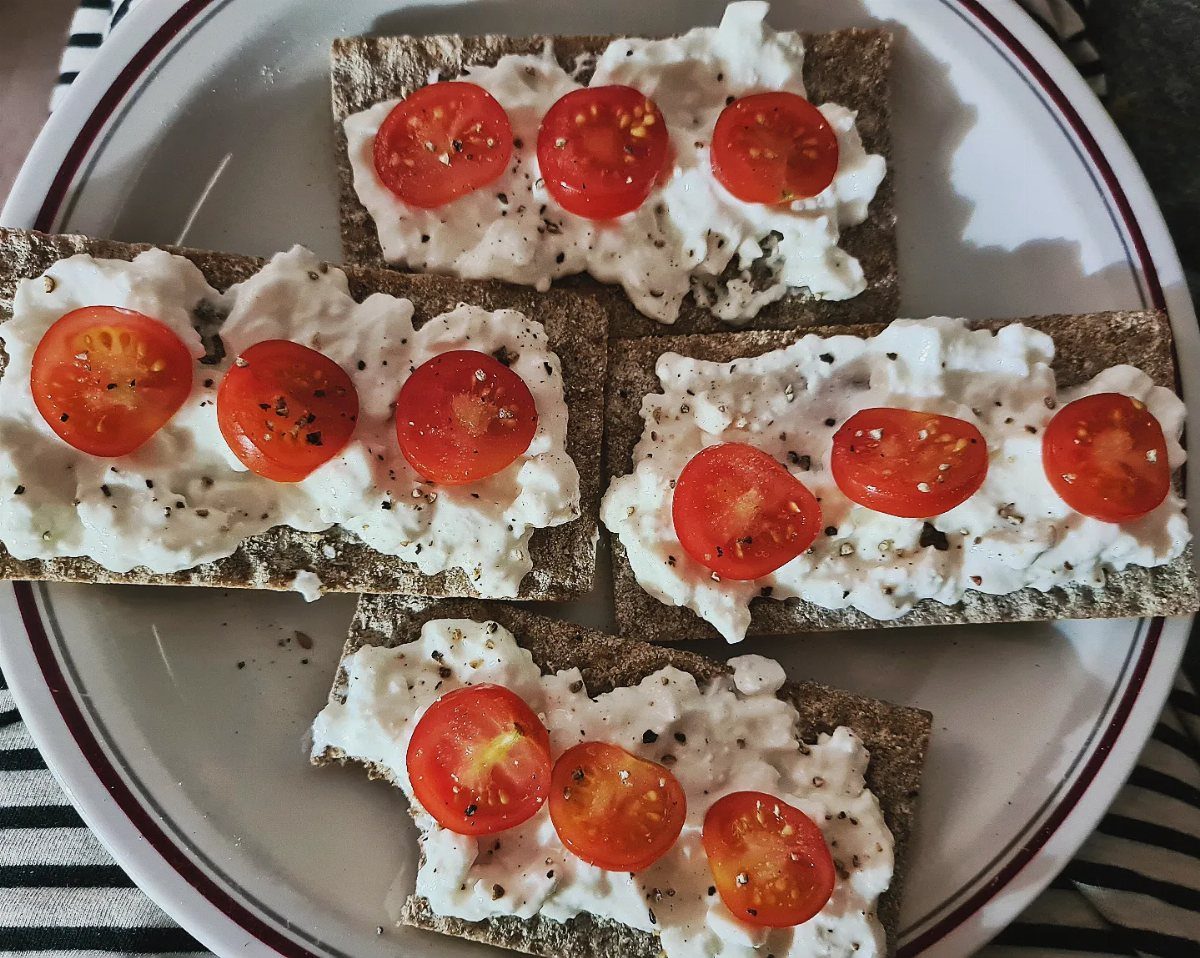
Crispbread stays crunchy longer than regular crackers, which makes it a sturdy base for cream cheese and juicy cherry tomatoes. Spread the cheese thin, add the tomato slices, and finish with black pepper.
Top the crispbread right before eating, because the tomato juice softens it within minutes.
Cream cheese is where most of the calories sit, so a thin layer on 2 or 3 pieces makes a better snack than a thick layer on all four.
Balanced Snack Composition
A snack that lasts until the next meal usually combines protein, fat, and carbohydrates.
Try for 200 calories or fewer per serving, with 7 grams of protein or more.
If a snack is mostly carbohydrate, add a protein or a fat. If it’s mostly protein, add a whole grain or a piece of fruit.
On packaged foods, check the label for added sugar and sodium, and favor short ingredient lists over highly processed options.
Flavor counts as much as the numbers.
A snack you don’t enjoy won’t become a habit, so choose savory, sweet, or a mix of both. Quick-prep or ready-to-eat options are the ones you’ll actually reach for on a busy day.
Portion and Snack Planning
Eating from the bag or the carton makes it hard to see how much you’ve had. Pre-measure snacks into single servings, and sit down to eat them instead of grazing while you work or scroll.
Planning before you’re hungry is what keeps the easy choice a good one. Wash berries and chop vegetables ahead of time, and pre-portion yogurt or cottage cheese into containers.
Give the eye-level shelf of the fridge to the lighter options, since whatever you see first is what you grab. Treats and heavier items can go on a lower shelf or in the back.
Before you reach for a snack, drink a glass of water; thirst can feel a lot like hunger. If you’re still hungry after that, go ahead and eat.
Rotate your picks every week so nobody in the house gets bored.
How Snacks Fit Between Meals
Snacks bridge the gap between meals. A small one can hold you over until dinner, give you energy for a workout, and keep you from arriving at the table so hungry that you overeat.
Snacking isn’t just for kids, and it isn’t a bad habit in itself. The problems come from constant grazing and from nutrient-poor foods.
Add a protein source, like nuts, beans, or low-fat dairy, or a whole grain, like whole wheat bread. Fresh fruits and vegetables make a good base for both.
What you snack on adds to the day’s calorie count, just like a meal does. Pick snacks that fit the day’s plan instead of treating them as extras.
Frequently Asked Questions
What snacks fill you up but are low in calories?
Go for foods heavy in protein or water: plain Greek yogurt with berries, cottage cheese with fruit, hard-boiled eggs, or roasted edamame.
A heaping bowl of cubed cantaloupe or honeydew runs roughly 55–60 calories per cup, and since both are around 90% water, the volume keeps you full longer than the number suggests.
Protein and water add bulk without many calories, which helps a snack last until the next meal. Nuts work too if you portion them first, since they pack a lot of calories into a small handful.
Is 200 calories a good snack?
Yes.
200 calories or fewer is a sound target, and Harvard’s snack ideas run about 150 to 200 calories each. Pair that calorie count with at least 7 grams of protein so the snack holds you until your next meal.
What snack is best for weight loss?
No single snack wins.
Choose foods with protein or fiber, like a medium apple with 12 almonds or berries with plain yogurt or low-fat cottage cheese. Measure the portion, because a snack counts toward the day’s calories just like a meal does.
How much protein should a low-calorie snack have?
For a snack at or under 200 calories, look for 7 grams of protein or more.
Reaching 10–15 grams keeps you full even longer. Greek yogurt, cottage cheese, eggs, and edamame are easy ways to get there.
Can vegetarians and vegans find enough high-protein, low-calorie snacks?
Yes. Edamame, chickpeas, hummus, nuts, and seeds all supply protein without meat, and vegetarians can add Greek yogurt, cottage cheese, and eggs.
Vegans can skip the dairy and eggs and still have roasted edamame, a cucumber and chickpea salad, or roasted carrots with hummus. Keep nuts to a small handful, since they’re dense in calories.
What are healthy snacks?
A healthy snack mixes protein, fat, and carbohydrates, like raw vegetables with hummus, mashed avocado on a toasted English muffin, or yogurt with fruit.
A snack only becomes a habit if you look forward to eating it, so choose flavors you actually like.