
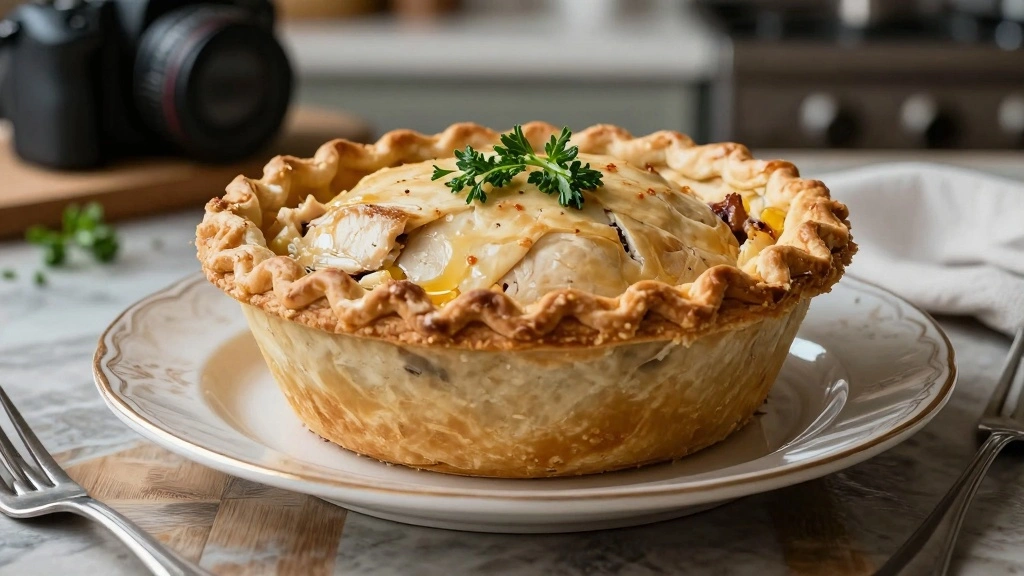
Chicken Pot Pie is the epitome of comfort food, blending tender chicken with a medley of vegetables in a creamy sauce, all encased in a flaky pie crust.
With each bite, the savory filling and buttery crust create a symphony of flavors and textures.
I first encountered this dish at a family gathering in the heart of winter, where it warmed both our bodies and souls.
Its appeal lies not only in its taste but also in its ability to bring people together around the dinner table.
Whether served at a casual family dinner or a festive occasion, this Chicken Pot Pie promises to delight and satisfy everyone.
Prepare to embark on a culinary journey that combines tradition with delectable flavors.
The History and Cultural Significance
• Chicken Pot Pie traces its origins to medieval England, where it was originally created as a means to encase meats in a sturdy crust for preservation.
• The dish evolved over decades as local ingredients like chicken and vegetables were incorporated, eventually becoming the beloved version we know today.
• In American culture, this dish traditionally appears at winter gatherings, symbolizing warmth and togetherness.
• While many variations exist across different regions, the authentic version maintains a flaky pie crust that sets it apart from imitations.


Recipe Overview
Nutritional Information (per serving)


Essential Equipment Guide
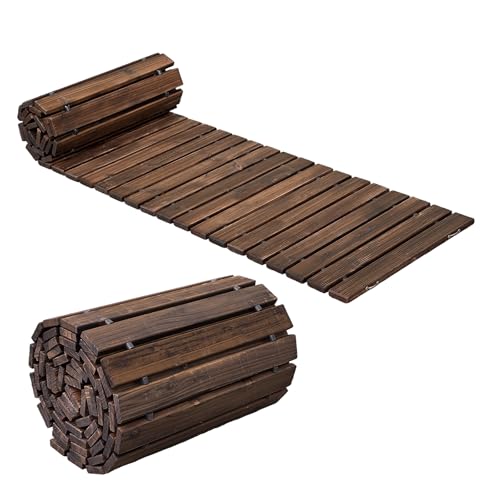
Rolling Pin: A rolling pin is essential for achieving a uniform and even pie crust, which is crucial for baking it to perfection. An alternative could be a wine bottle, but ensure it’s clean and dry before use.
Pie Dish: A good-quality pie dish ensures even cooking and helps in achieving that perfect golden-brown crust. Look for one with a non-stick coating.
Pastry Brush: This tool is important for evenly applying an egg wash to the crust, which enhances its color and shine. In the absence of a brush, a clean paper towel can be an alternative.




Ingredients
For the Base
|
|
| Amount | Ingredient | Notes |
|---|---|---|
| 2 cups | all-purpose flour | sifted for light texture |
| 1 teaspoon | salt | enhances flavor |
| 1 cup | unsalted butter | cold and cubed |
Vegetables
| Amount | Ingredient | Notes |
|---|---|---|
| 2 cups | mixed vegetables | such as carrots, peas, and corn |
| 1 medium | onion | finely chopped |
For the Sauce
| Amount | Ingredient | Notes |
|---|---|---|
| 2 tablespoons | butter | adds richness |
| 2 tablespoons | all-purpose flour | to thicken the sauce |
| 2 cups | chicken broth | for a savory base |
| 1 cup | milk | to add creaminess |
Seasonings
| Amount | Ingredient | Notes |
|---|---|---|
| 1 teaspoon | salt | to taste |
| 1/2 teaspoon | black pepper | freshly ground |
| 1 teaspoon | thyme | dried or fresh |
Preparation Methods
Blind Baking: Blind baking involves pre-baking the pie crust before adding the filling. This technique prevents the crust from becoming soggy, ensuring a crisp base. To master it, line the crust with parchment paper and fill with pie weights.
Roux Preparation: A roux is a mixture of flour and fat cooked together to thicken sauces. For this dish, it's crucial as it forms the base of the creamy sauce. Cook it until it's a light golden color for the best flavor.
Crimping the Edges: Crimping the pie crust edges not only seals the pie but also adds an attractive finish. Use your fingers or a fork to create a consistent pattern around the edge.



Step 1: Prepare the Pie Dough
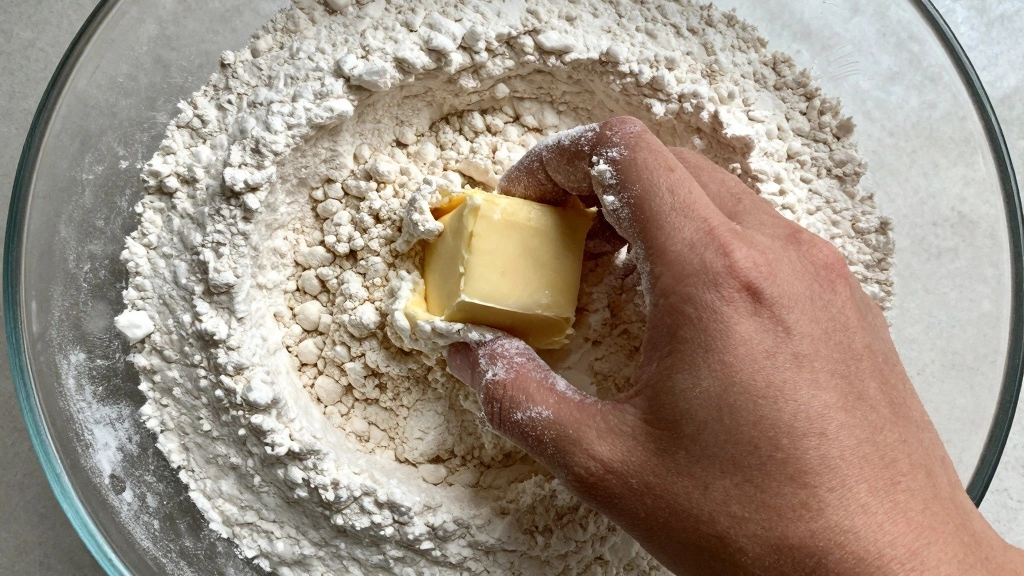
Combine flour and salt in a large bowl.
Cut in cold butter until the mixture resembles coarse crumbs.
Add ice water gradually, mixing until dough forms a ball.
Wrap in plastic and refrigerate for at least 30 minutes.
Step 2: Cook the Chicken
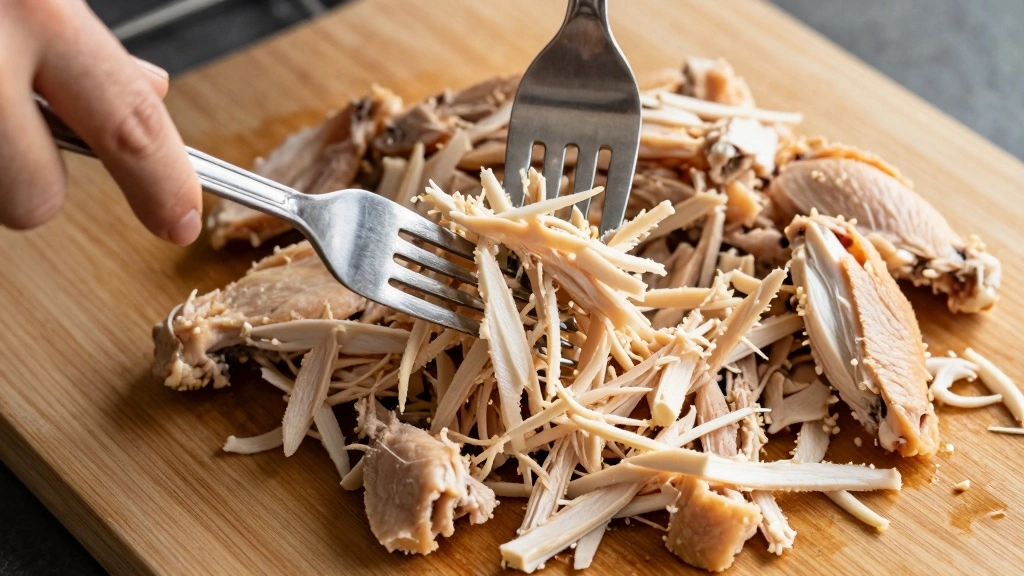
In a large pot, boil chicken breasts until fully cooked.
Remove chicken and let it cool slightly.
Shred the chicken using two forks.
Set aside for later use.
Step 3: Prepare the Vegetables
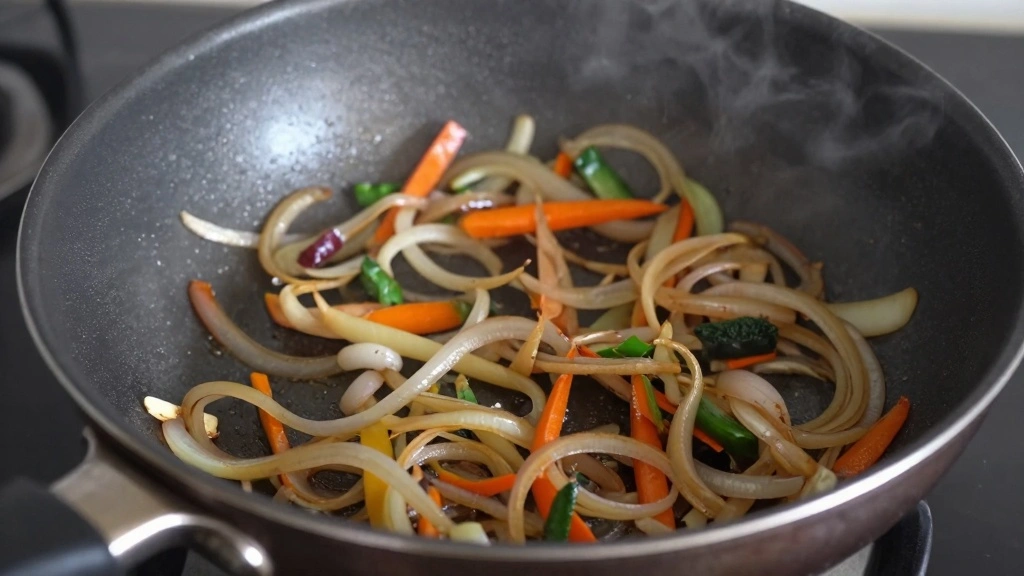
In a skillet, melt butter over medium heat.
Add chopped onions and sauté until translucent.
Stir in mixed vegetables and cook until tender.
Remove from heat and set aside.
Step 4: Make the Sauce
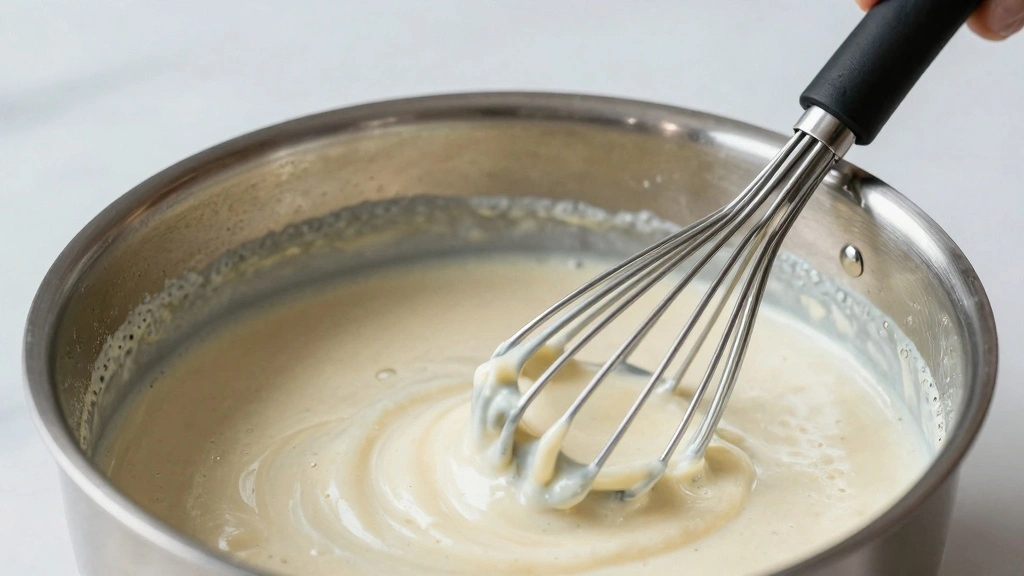
In a saucepan, melt butter and whisk in flour to form a roux.
Gradually add chicken broth, whisking constantly to prevent lumps.
Pour in milk and continue to whisk until the sauce thickens.
Season with salt, pepper, and thyme.



Step 5: Combine Filling Ingredients
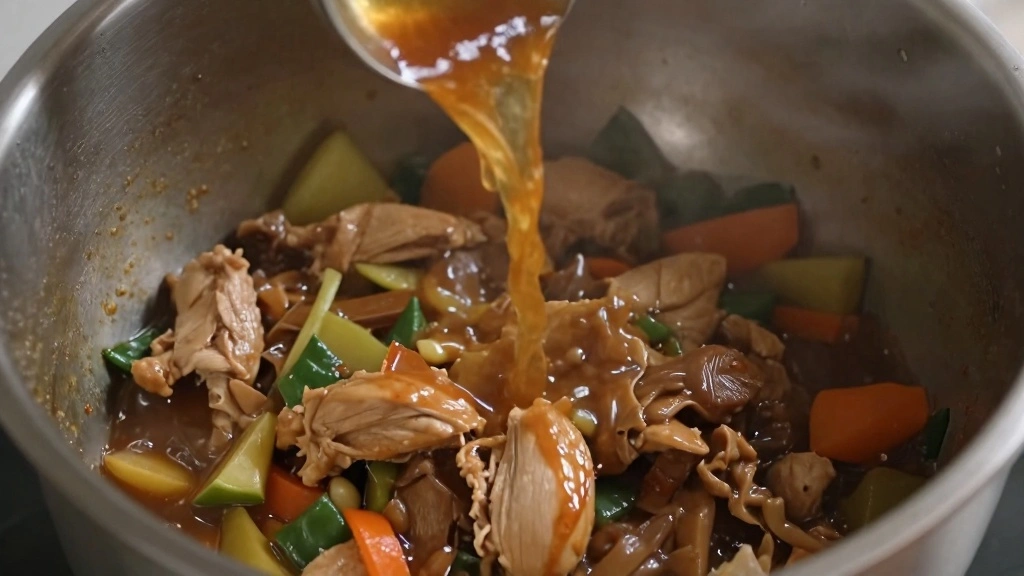
In a large bowl, combine shredded chicken, sautéed vegetables, and sauce.
Mix well until all components are evenly coated.
Taste and adjust seasoning if necessary.
Set aside to cool slightly.




Step 6: Roll Out the Dough
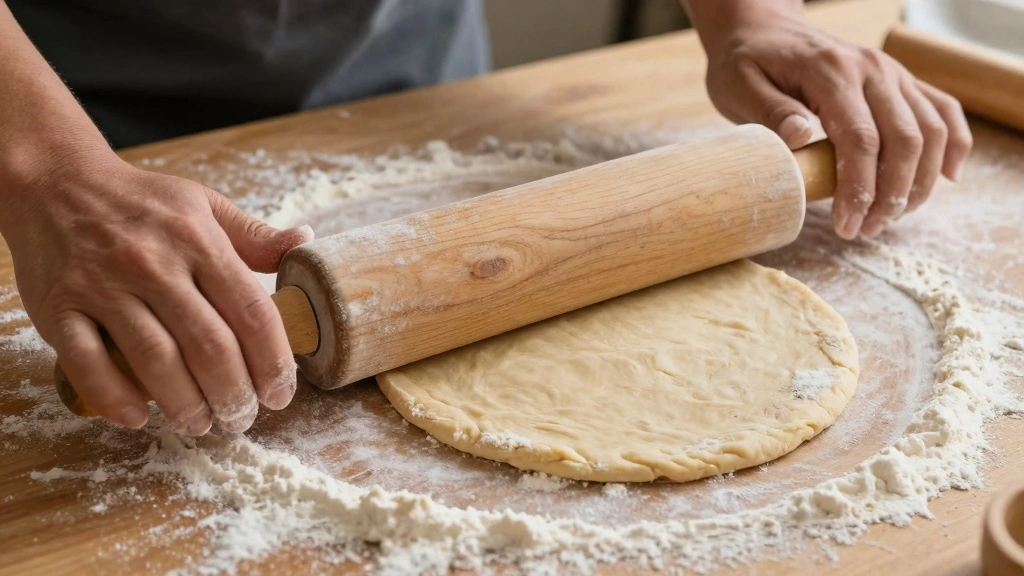
On a floured surface, roll out the chilled dough into a large circle.
Ensure the dough is about 1/8 inch thick for even baking.
Gently transfer the dough to a pie dish, pressing it into the corners.
Trim any excess dough hanging over the edges.

Step 7: Fill the Pie
Preheat the oven to 375°F (190°C).
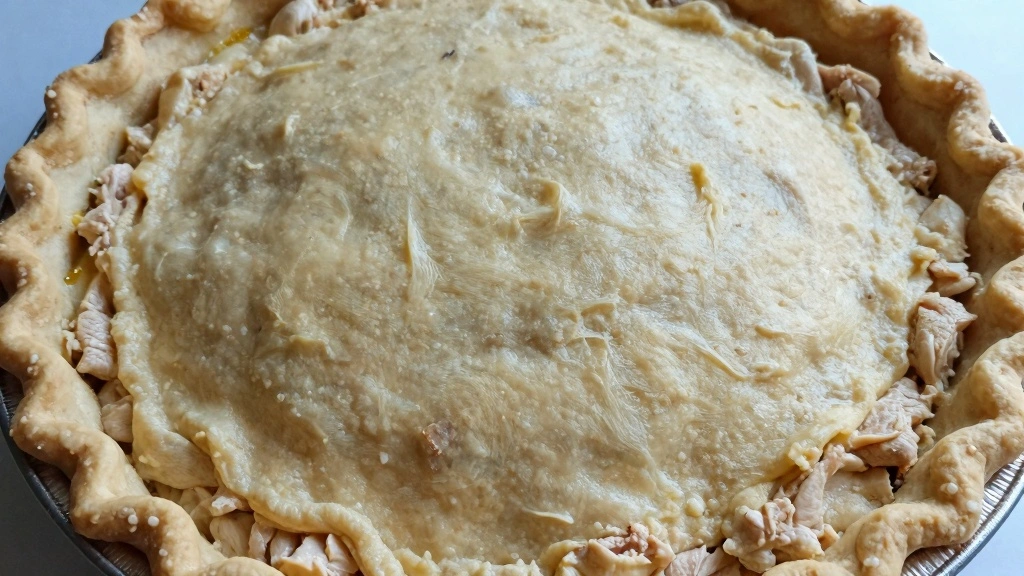
Pour the chicken and vegetable filling into the prepared crust.
Spread the filling evenly for uniform cooking.
Place the second layer of dough over the top, sealing the edges.
Step 8: Crimp and Vent the Pie
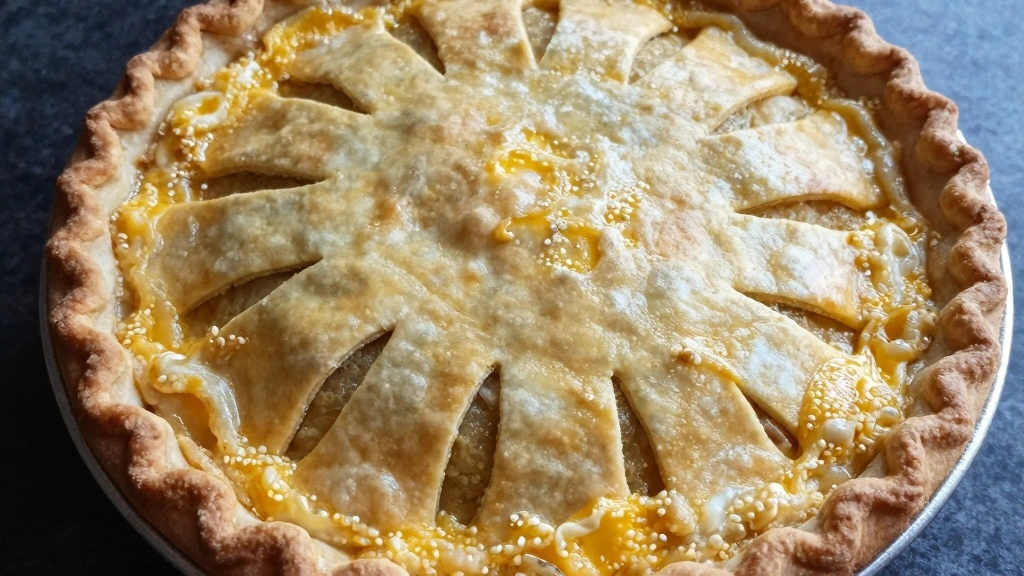
Crimp the edges of the pie crust using your fingers or a fork.
Cut small slits in the top crust to allow steam to escape.
Brush the top crust with an egg wash for a golden finish.
Place the pie on a baking sheet to catch any drips.
Step 9: Bake the Pie
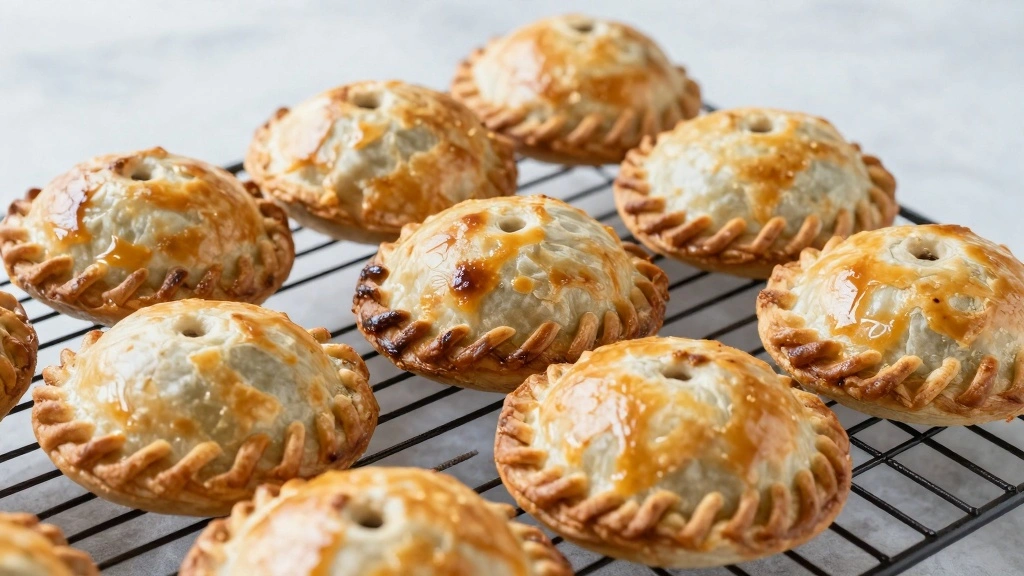
Place the pie in the preheated oven.
Bake for 45 minutes or until the crust is golden brown.
Check the filling by inserting a knife into one of the vents.
Remove from the oven and let it cool slightly before serving.
Critical Timing and Temperature Guide
Blind Baking: Bake the crust at 375°F (190°C) for 15 minutes until lightly golden. Use pie weights to prevent puffing.
Sauce Thickening: Cook the roux until it lightly browns, then gradually add liquid. The sauce should coat the back of a spoon when ready.
Final Baking: Bake the assembled pie at 375°F (190°C) for 45 minutes. Look for a golden top and bubbling filling.
Pro Tips for Chicken Pot Pie
• Ingredient Selection: Use high-quality butter and chicken for the richest flavor and best texture.
• Preparation Secret: Freeze the butter before cutting it into the flour to ensure a flakier crust.
• Temperature Management: Chill the dough thoroughly before rolling to prevent shrinking in the oven.
• Texture Enhancement: Use a mix of cornstarch and flour for a velvety sauce.
• Flavor Layering: Sauté the vegetables in chicken fat for an extra depth of flavor.
• Make-Ahead Strategies: Prepare the filling a day in advance and refrigerate. Assemble the pie just before baking.
• Restaurant-Quality Finishing Touches: Sprinkle flaky sea salt on the crust just before baking for added texture.
• Equipment Optimization: Use a glass pie dish for even heat distribution and easy monitoring of the crust's color.


Troubleshooting Common Issues
• Crust Too Soggy: Ensure that you blind bake the crust before adding the filling and use pie weights to maintain shape.
• Filling Too Runny: If the sauce is too thin, add a cornstarch slurry during cooking to thicken it.
• Crust Not Browning: Apply an egg wash to the crust and bake at the correct temperature for optimal browning.
• Uneven Cooking: Rotate the pie halfway through baking to ensure even heat distribution.
• Filling Lacks Flavor: Taste and adjust seasoning before adding the filling to the pie shell.
• Crust Shrinking: Avoid stretching the dough when placing it into the pie dish and ensure proper chilling.
Variations and Regional Differences
• British Style: Often uses leftover roast meats and includes a layer of mashed potatoes beneath the crust.
• Southern U.S. Variation: Incorporates cream-style corn and sometimes a cornbread topping instead of pastry.
• French Tourtière: A similar meat pie made with pork and spices, typically enjoyed during holidays.
• Vegetarian Variant: Swaps chicken for mushrooms and adds more root vegetables, retaining the creamy sauce.




Food Science Behind the Recipe
• Maillard Reaction: Responsible for the browning and flavor development in the crust; this process enhances the pie's overall taste.
• Gelatinization: Occurs when starches in the sauce thicken as they absorb liquid, creating a creamy consistency.
• Emulsification: The combination of fat and liquid in the roux forms a stable sauce, preventing separation and ensuring smoothness.
Frequently Asked Questions
What's the most common mistake people make when preparing Chicken Pot Pie? Not chilling the dough properly, which can result in a tough crust.
Can I use store-bought crust? Yes, but homemade crusts often have superior flavor and texture.
How do I prevent the filling from being too watery? Ensure the roux is fully cooked and thicken the sauce before adding it to the pie.
What vegetables work best in Chicken Pot Pie? Carrots, peas, and corn are traditional, but you can experiment with others like broccoli or mushrooms.
Can I make it ahead of time? Yes, prepare the filling a day in advance and refrigerate. Assemble and bake on the day of serving.
How do I reheat leftovers? Cover with foil and warm in a 350°F (175°C) oven until heated through.
Can I freeze Chicken Pot Pie? Yes, freeze unbaked pies; bake from frozen, adding extra time to the baking process.
Serving and Presentation Guide
• Traditional Presentation: Serve the pie directly from the dish, allowing guests to help themselves at the table.
• Individual Servings: Bake in smaller ramekins for personal pot pies, ideal for portion control and presentation.
• Garnished Style: Add a sprig of fresh thyme or parsley on top of each slice for a visual touch.
• Accompanied Presentation: Serve with a side salad or green beans to balance the richness of the pie.


Conclusion
This Chicken Pot Pie recipe offers a heartwarming blend of flavors and textures that is sure to please.
With its rich filling and flaky crust, it's a dish that's as satisfying to make as it is to eat.
Gather your loved ones and experience the joy of sharing this classic meal together.