
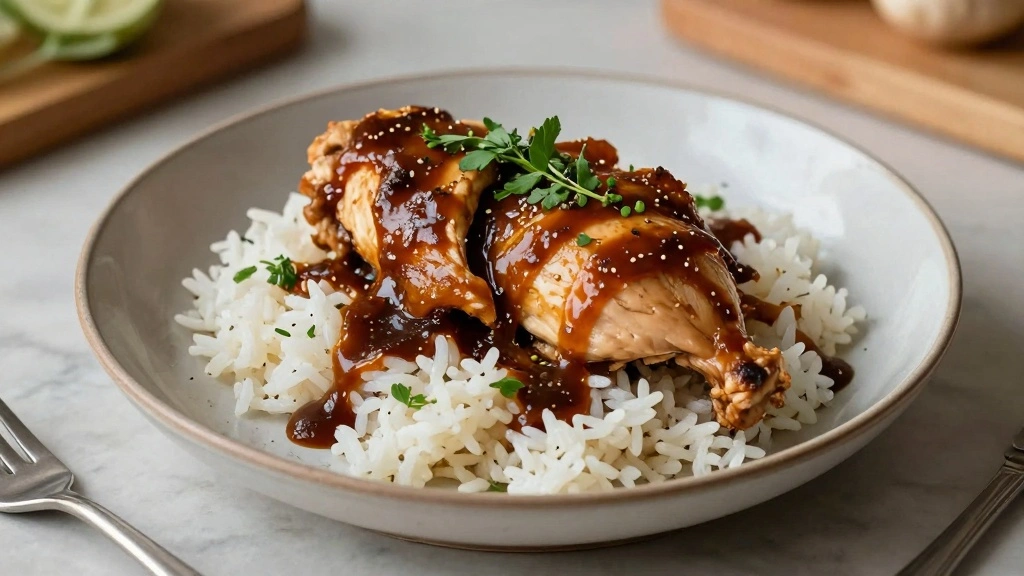
Discover the joy of cooking with this Simple Sauce for Chicken and Rice, a recipe that transforms everyday ingredients into a culinary delight.
This sauce combines savory, tangy, and slightly spicy elements to create a flavor profile that perfectly complements tender chicken and fluffy rice.
Inspired by the vibrant flavors of Southeast Asian cuisine, this sauce has been a staple in my kitchen since I first tasted it during a memorable trip.
Ideal for any occasion, whether it’s a busy weeknight dinner or a leisurely weekend meal, this sauce is versatile and easy to prepare.
You’ll find yourself reaching for this recipe time and time again, thanks to its simplicity and irresistible taste.
Prepare to impress your family or guests with a dish that feels both comforting and exotic.
The History and Cultural Significance
• Simple Sauce for Chicken and Rice traces its origins to Southeast Asia, where it was originally created by home cooks looking to enhance staple meals.
• The dish evolved over decades as global trade introduced new spices and ingredients, eventually becoming the beloved version we know today.
• In many Southeast Asian cultures, this dish traditionally appears at family gatherings and celebrations, symbolizing the harmony of flavors and community.
• While many variations exist across different regions, the authentic version maintains a balance of savory, sweet, and spicy notes that sets it apart from imitations.


Recipe Overview
Nutritional Information (per serving)


Essential Equipment Guide
Medium Saucepan: Essential for creating the sauce, as it allows for even heating and consistent reduction. Alternatives like a small pot can work, but look for one with a heavy bottom to prevent burning.
Whisk: Important for blending ingredients smoothly and breaking up any lumps in the sauce. A fork can serve as a substitute, though a silicone whisk is ideal due to its non-scratch properties.
Measuring Spoons: Crucial for ensuring precise ingredient ratios, which is key to achieving the right balance of flavors. In the absence of a full set, use a tablespoon and teaspoon as primary tools.



Ingredients
For the Sauce
|
|
| Amount | Ingredient | Notes |
|---|---|---|
| 1 tablespoon | olive oil | adds richness |
| 2 cloves | garlic | minced, for depth of flavor |
| 1 teaspoon | ginger | grated, provides warmth |
| 1 tablespoon | soy sauce | for umami |
| 1 tablespoon | honey | to balance flavors |
| 1 teaspoon | sriracha | adds heat |
| 1 cup | chicken broth | for body |
Seasonings
| Amount | Ingredient | Notes |
|---|---|---|
| 1 pinch | salt | enhances flavor |
| 1 pinch | black pepper | adds mild heat |
Preparation Methods
Sautéing: This technique involves cooking garlic and ginger in olive oil until fragrant, which forms the flavor base of the sauce. It's important because it releases essential oils, enhancing the overall taste. Use medium heat to avoid burning.
Simmering: Allows the sauce to reduce and thicken, concentrating flavors. Maintaining a gentle simmer is crucial to prevent the sauce from separating or becoming too salty. Stir occasionally to ensure even cooking.
Emulsifying: Involves blending the sauce ingredients to create a smooth, cohesive mixture. This is vital for texture and appearance. Whisking continuously as you add liquids helps achieve the desired consistency.



Step 1: Prepare Ingredients
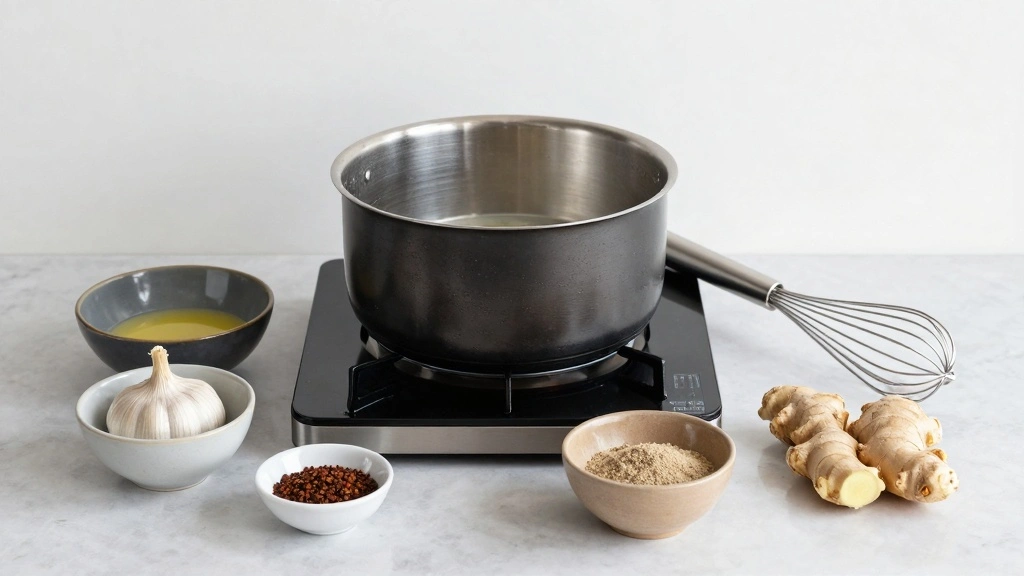
Gather all ingredients and equipment.
Mince the garlic and grate the ginger.
Measure out olive oil, soy sauce, honey, sriracha, and chicken broth.
Set ingredients aside for easy access during cooking.
![The Sourdough Bible: [3 in 1] The Most Complete Step-by-Step](https://m.media-amazon.com/images/I/51dFYAC70FL._SL500_.jpg)


Step 2: Heat Oil
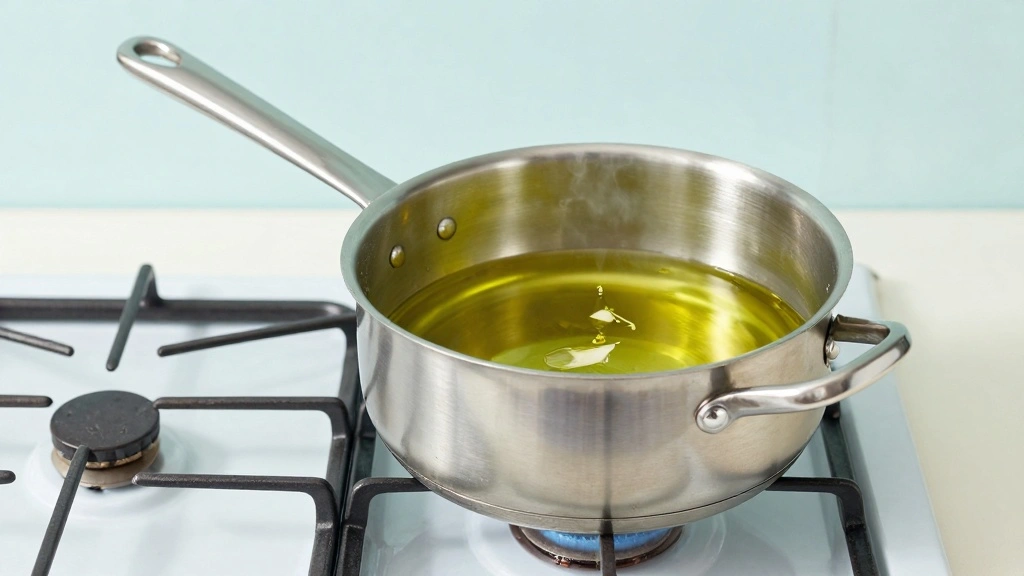
Place a medium saucepan over medium heat.
Add olive oil to the pan.
Allow the oil to warm up until it shimmers.
This ensures that it is ready for sautéing the aromatics.



Step 3: Sauté Aromatics
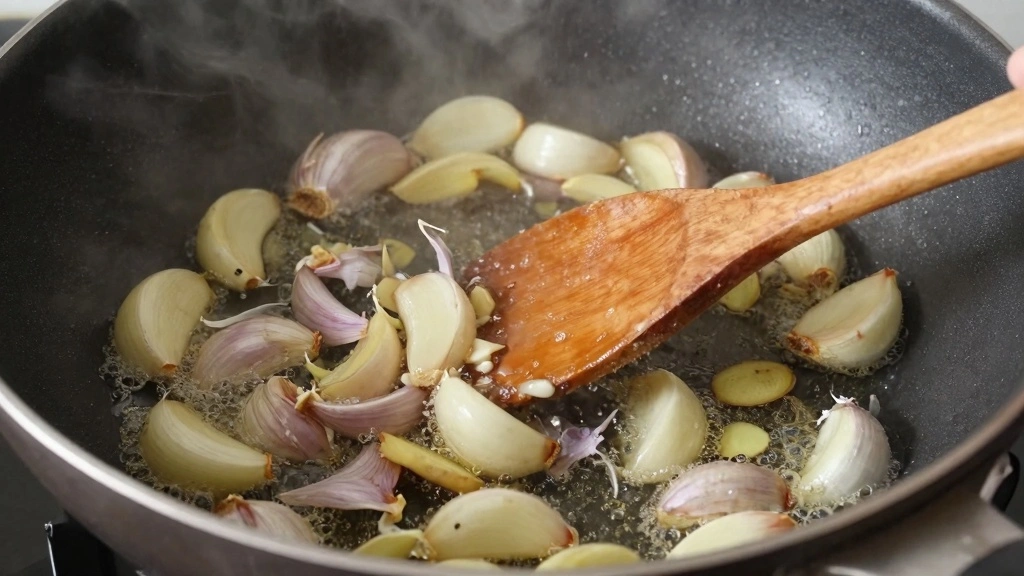
Add minced garlic and grated ginger to the saucepan.
Stir frequently to prevent burning.
Cook until the garlic is golden and fragrant.
This step builds the base flavor for the sauce.
Step 4: Add Liquid Ingredients
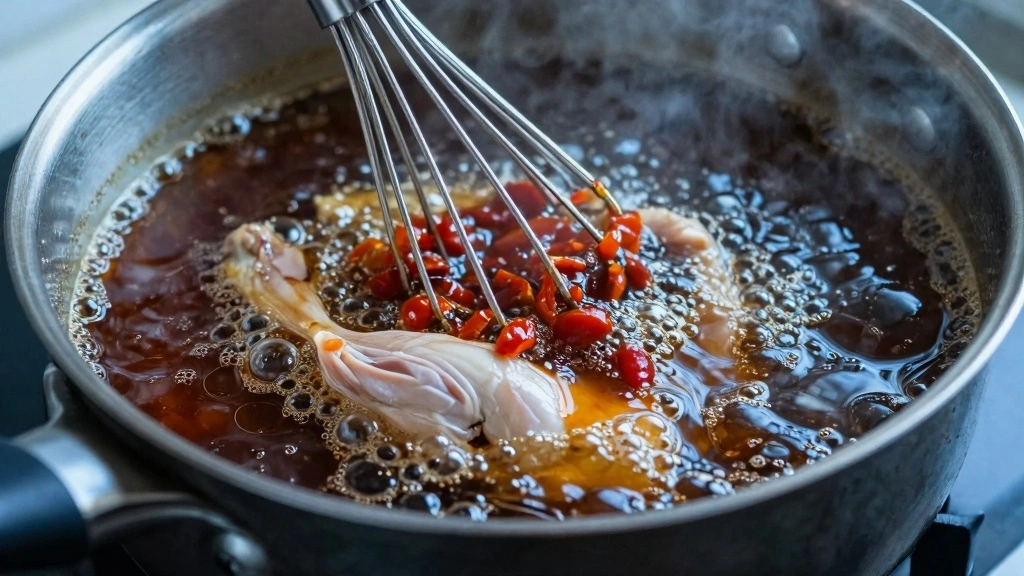
Pour in the soy sauce, honey, sriracha, and chicken broth.
Stir to combine all ingredients evenly.
Bring the mixture to a gentle simmer.
Ensure all components are well-mixed and start to meld together.


Step 5: Simmer the Sauce
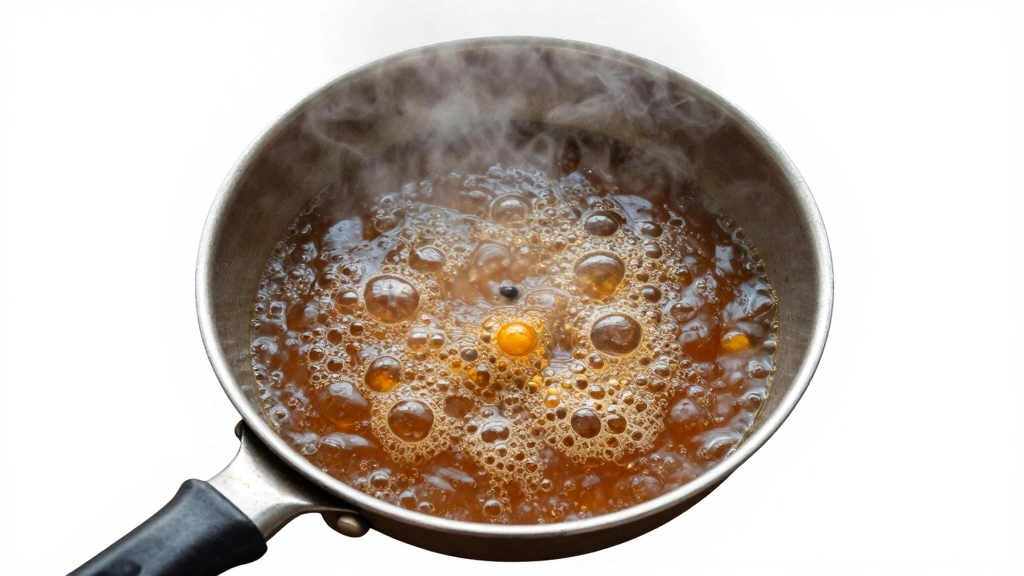
Reduce the heat to low to maintain a gentle simmer.
Allow the sauce to reduce for about 10 minutes.
Stir occasionally to prevent sticking or burning.
The sauce should thicken slightly and intensify in flavor.


Step 6: Season the Sauce
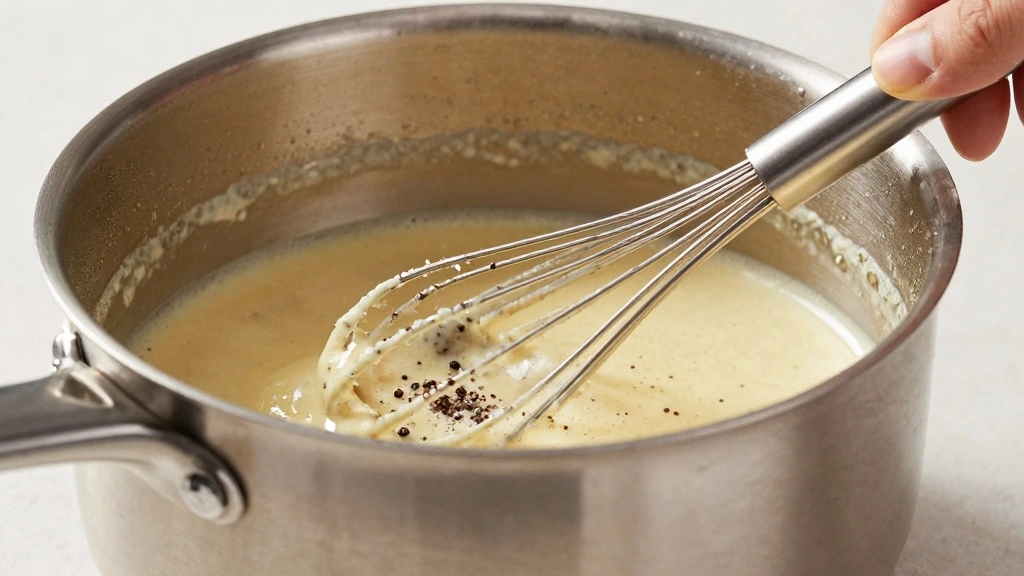
Taste the sauce and add salt and black pepper to your preference.
Stir well to distribute the seasoning.
Adjust flavors if needed, balancing saltiness and heat.
This final seasoning step enhances the sauce's complexity.




Step 7: Final Emulsification
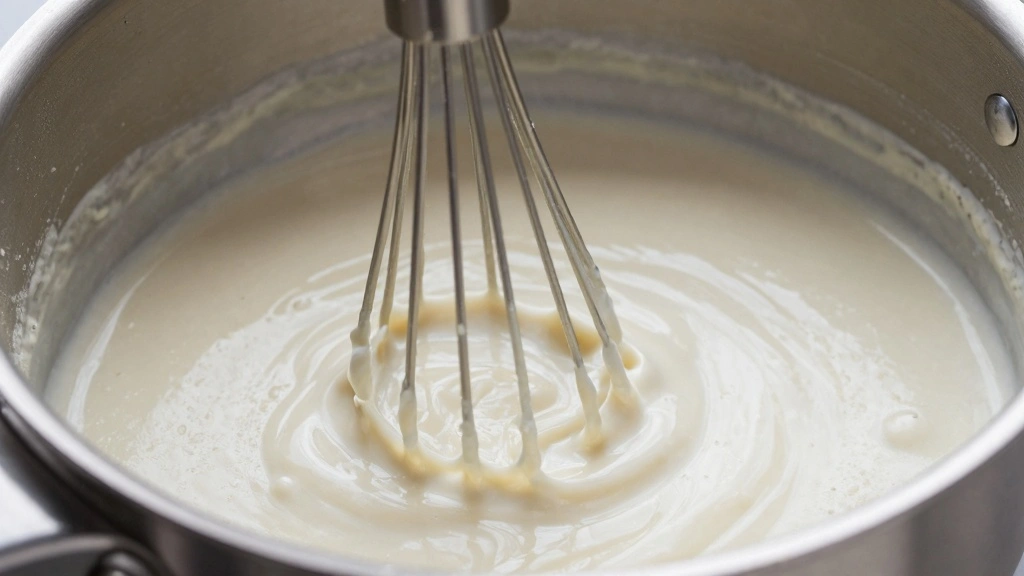
Remove the saucepan from heat.
Whisk the sauce vigorously to ensure a smooth texture.
Look for a glossy and slightly thickened consistency.
This step ensures the sauce is well combined and ready to serve.
Step 8: Serve with Chicken and Rice
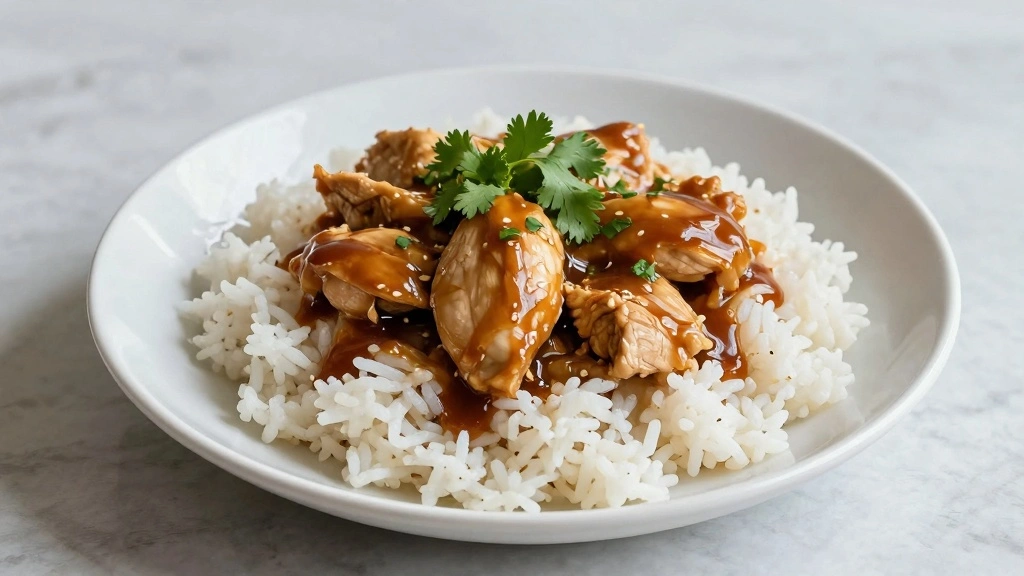
Prepare cooked chicken and rice for serving.
Drizzle the sauce generously over the chicken and rice.
Garnish with fresh herbs if desired.
Present the dish warm, inviting diners to enjoy.




Critical Timing and Temperature Guide
Sautéing Aromatics: Aromatics should be sautéed for 1-2 minutes until fragrant. Avoid high heat to prevent burning, which can cause bitterness.
Simmering Sauce: Maintain a simmer for 10 minutes on low heat. The sauce should reduce by about a third and coat the back of a spoon.
Final Emulsification: Whisk sauce off heat until smooth. Avoid overheating, as this can cause separation.
Pro Tips for Simple Sauce for Chicken and Rice
• Ingredient Selection: Use fresh ginger and garlic for the most vibrant flavors. Pre-minced or powdered versions can dull the sauce's taste.
• Preparation Secret: Whisk the sauce continuously while adding liquids to prevent lumps and ensure a smooth texture.
• Temperature Management: Begin with medium heat and lower to simmer to control sauce reduction and prevent burning.
• Texture Enhancement: Simmering allows the sauce to thicken naturally. Avoid adding thickeners, which can alter the taste.
• Flavor Layering: Introduce ingredients in stages (aromatics first, then liquids) to build a complex flavor profile.
• Make-Ahead Strategies: Prepare the sauce up to two days in advance. Store in a sealed container in the refrigerator and reheat gently before serving.
• Restaurant-Quality Finishing Touches: Garnish with fresh herbs like cilantro or scallions to add color and freshness.
• Equipment Optimization: Use a whisk with silicone edges to prevent scratching non-stick surfaces while ensuring thorough mixing.


Troubleshooting Common Issues
• Sauce Too Salty: Dilute with a bit of chicken broth or water, then simmer to desired consistency.
• Sauce Not Thickening: Increase the simmering time, ensuring it remains gentle to avoid burning.
• Flavors Unbalanced: Adjust by adding a touch more honey for sweetness or sriracha for heat, tasting as you go.
• Garlic Burning: Lower the heat and add a splash of broth to cool the pan before continuing.
• Sauce Separating: Whisk vigorously off heat until emulsified, adding a small amount of cold broth if needed.
• Lack of Depth: Ensure aromatics are sautéed until golden and fragrant before adding liquids.
Variations and Regional Differences
• Thai Variation: Incorporate coconut milk and kaffir lime leaves for a creamy, aromatic twist.
• Indian-Inspired: Add curry powder and a dash of turmeric for a warm, earthy flavor profile.
• Japanese Style: Use mirin and miso paste for a sweet-savory umami-rich sauce.
• Latin Fusion: Introduce chipotle peppers and lime juice for a smoky, tangy flavor contrast.




Food Science Behind the Recipe
• Maillard Reaction: The sautéing of garlic and ginger initiates this reaction, enhancing flavor through browning.
• Emulsion Stability: Proper whisking creates a stable emulsion, preventing the sauce from separating.
• Flavor Extraction: Simmering allows flavors to meld and concentrate, resulting in a balanced taste.
Frequently Asked Questions
What's the most common mistake people make when preparing this sauce? Overheating the sauce during simmering, which can lead to a bitter taste if the aromatics burn.
Can I use a different type of oil? Yes, vegetable or avocado oil are good alternatives, though they may slightly alter the flavor.
How can I make the sauce less spicy? Reduce the amount of sriracha or omit it entirely, and consider adding more honey for sweetness.
Is there a vegetarian version of this sauce? Substitute chicken broth with vegetable broth for a vegetarian-friendly option.
Can I freeze the sauce? Yes, freeze in airtight containers for up to 2 months. Thaw in the refrigerator before reheating.
What can I use instead of honey? Maple syrup or agave nectar can act as sweet substitutes, though each will impart a unique flavor.
Why is my sauce not smooth? Ensure continuous whisking while adding liquids and consider straining the sauce if lumps persist.
How do I store leftovers? Store in an airtight container in the refrigerator for up to 3 days. Reheat gently before serving.
Serving and Presentation Guide
• Traditional Presentation: Serve in a shallow bowl with chicken and rice, garnished with fresh herbs, for a homestyle feel.
• Modern Plating: Use a ring mold for the rice, drizzle sauce artistically around the plate, and top with sliced chicken.
• Family Style: Present in a large serving dish, allowing guests to spoon sauce over their portions.
• Elegant Presentation: Pair with a side of steamed vegetables, using the sauce as a glaze for a balanced meal.




Conclusion
This Simple Sauce for Chicken and Rice offers a flavorful addition to your culinary repertoire.
With its easy preparation and versatile nature, it can elevate any meal from ordinary to extraordinary.
Try this recipe today and discover the delightful harmony of flavors that will make it a household favorite.