The ideas here run from a heap of sprinkles or crushed sandwich cookies, which need no piping bag, to a mirror glaze poured over a frozen cake in one pass.
Your piping and glazing experience decides which one is yours. A 6-inch cake has so little surface that a beginner’s mistake covers little area, but mirror glaze rarely comes out perfect on a first try.
If piping is new to you, start with the cookies or sprinkles and save the glaze for a later cake.
1. Buttercream Flowers and Swirls
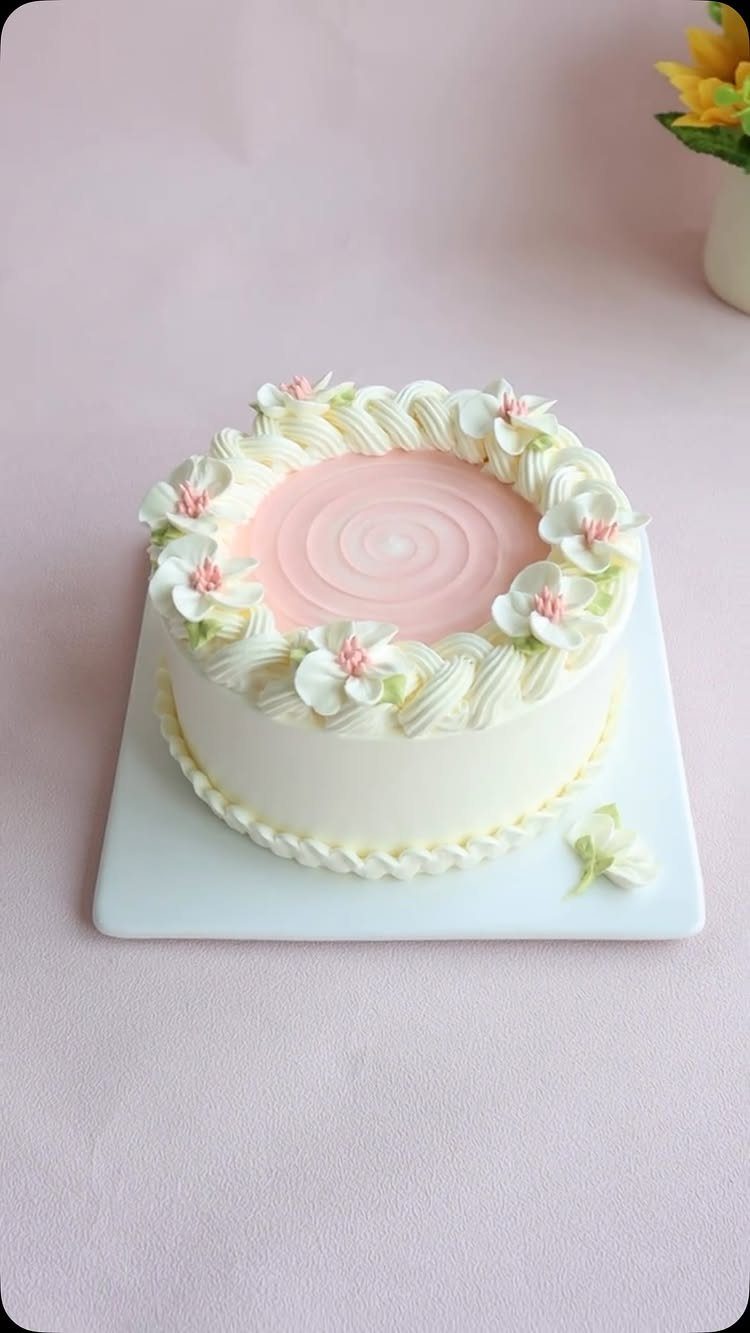
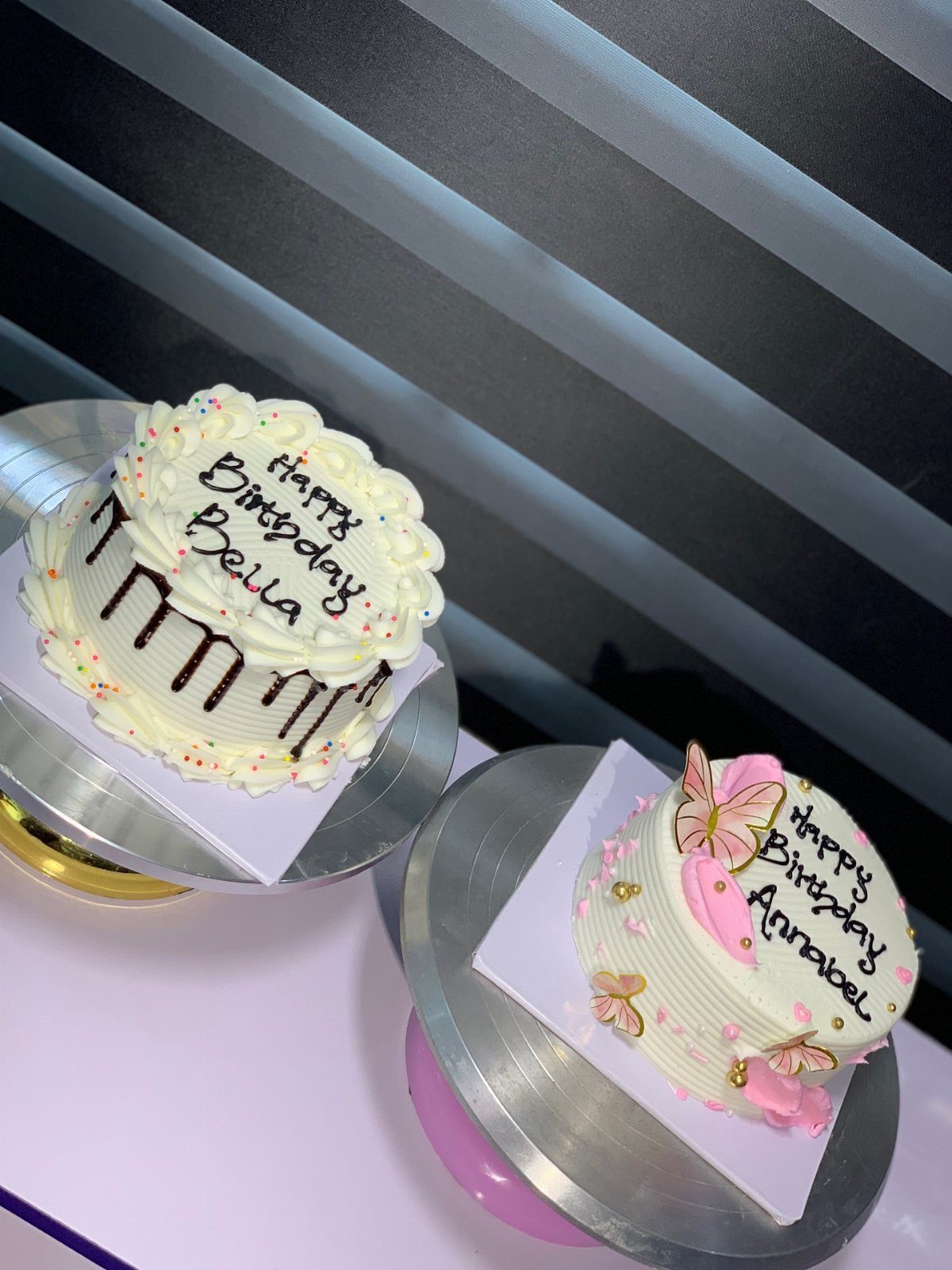
A cake this small needs only a few piped flowers and a ring of swirls to look finished. That makes it a good first piping project, since a mistake covers little area.
Practice on a sheet of parchment first.
Scrape the frosting back into the bag and pipe it again until the shapes come out the way you want. Then repeat them on the cake.
A light pink center against white frosting makes the piping stand out, and it takes just one small bowl of tinted buttercream.
2. Ombre Cake
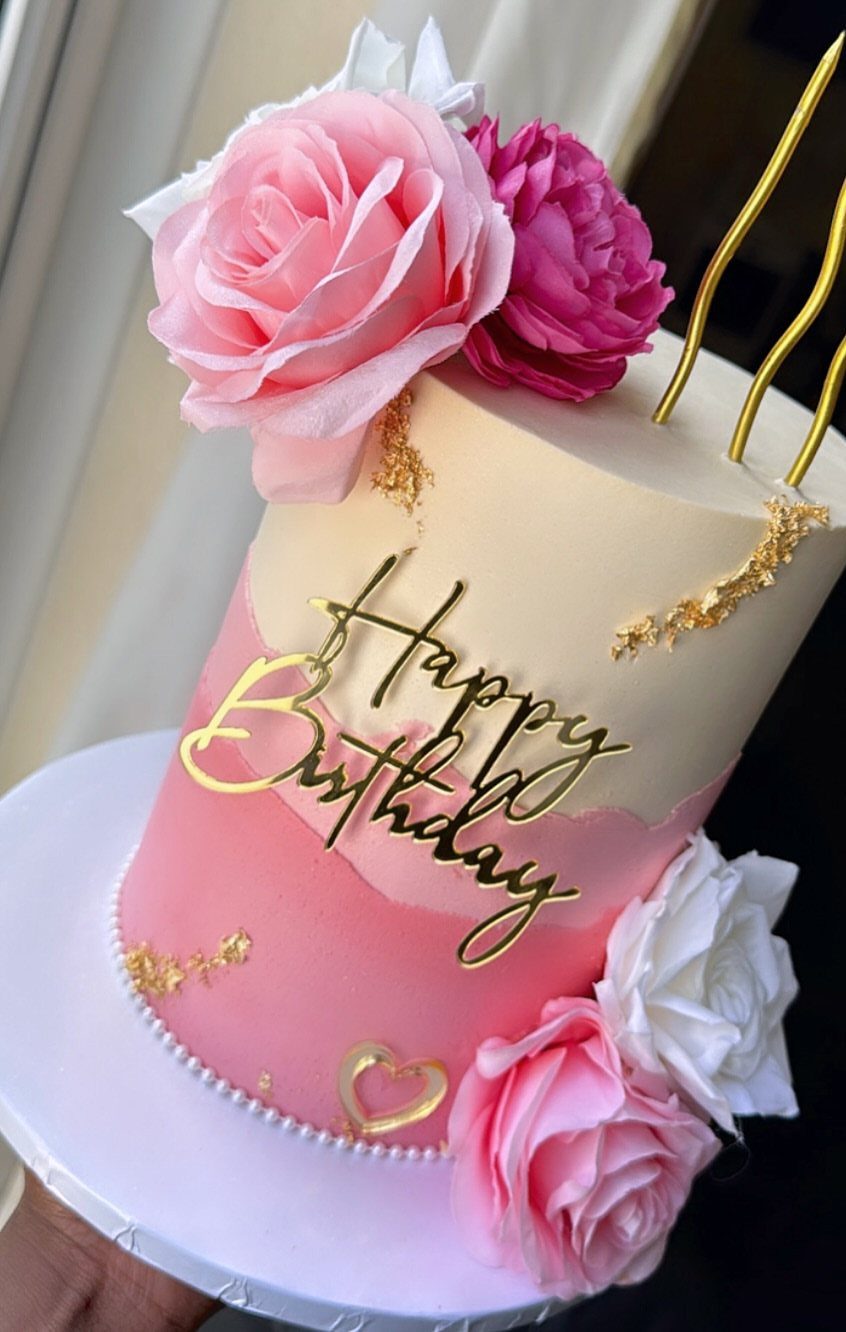
Ombre starts with a single bowl of frosting. Tint it pink, then divide it and stir cream-colored frosting into each portion so every one comes out a little lighter than the last.
Spread the darkest shade at the bottom and work upward to the lightest. Drag a scraper around the cake to blend the seams into a soft gradient.
Gold leaf, roses and a topper are optional; the ombre shading looks finished without them. The gradient alone looks polished on a tall 6-inch cake and costs nothing beyond food coloring.
3. Carrot Cake
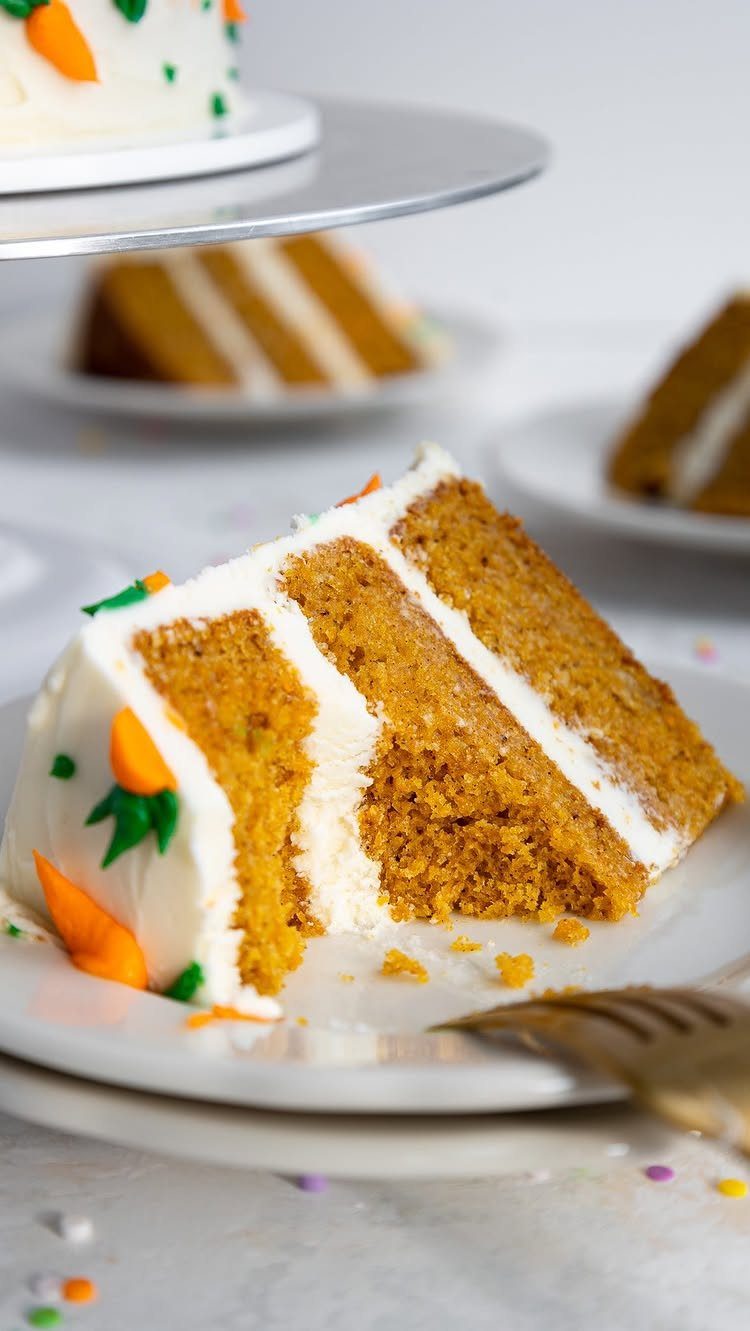
Tiny frosting carrots turn a plain white-frosted carrot cake into a birthday cake.
Tint a little frosting orange and a little green. Pipe each carrot as a short orange cone, then add a small green tuft at the top.
Make them on parchment ahead of time if you like. That way you can place them where you want, and you won’t have to pipe on a finished cake.
A small layered carrot cake feeds a few people and suits a family dessert. Skip the extras and it still looks tidy.
4. Chocolate Caramel Cake
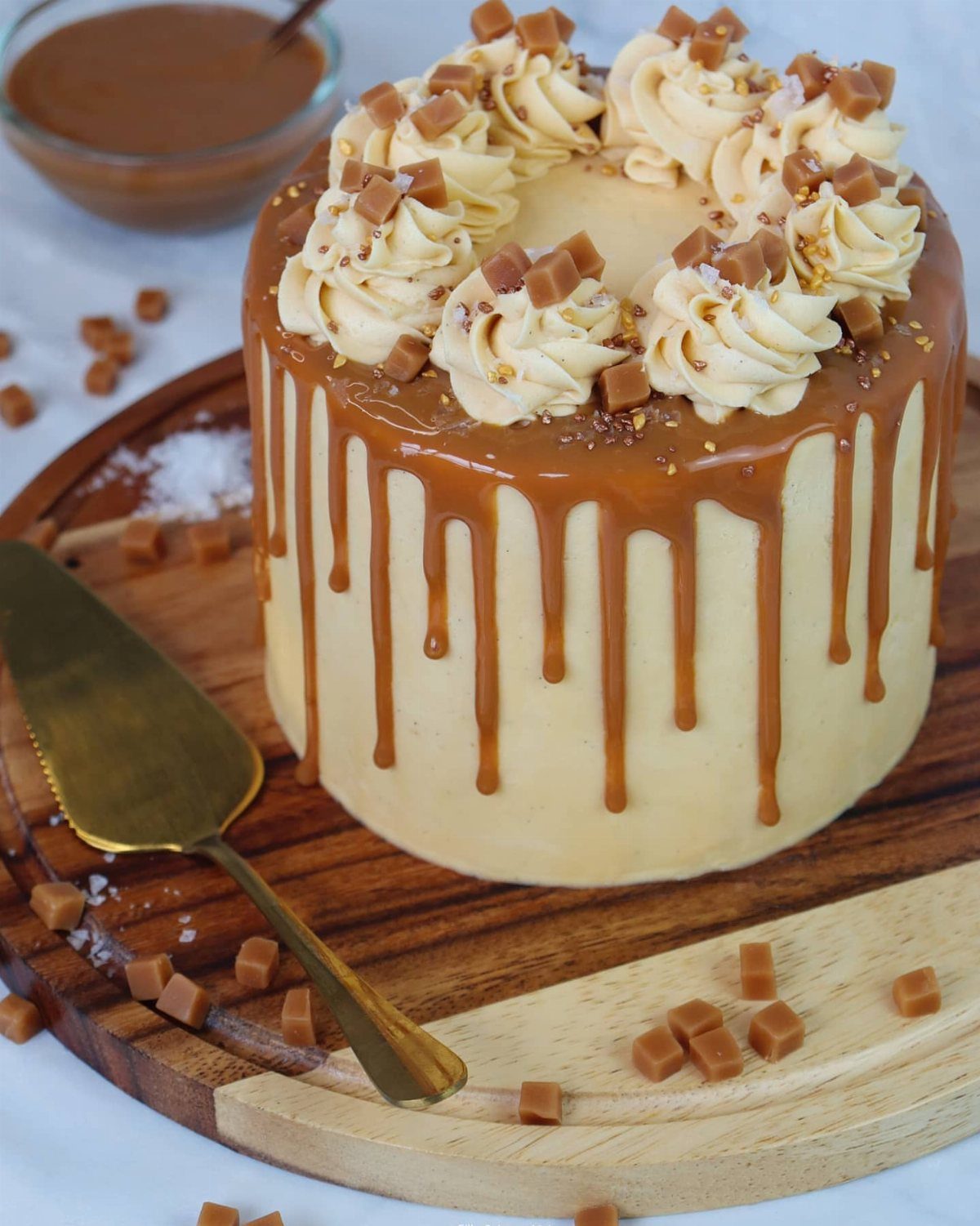
Chocolate, caramel and vanilla share one cake here. The caramel does the decorating: a thick coat of frosting, drips down the sides and a few caramel cubes on top.
Test one drip on the side first.
Sauce that runs too fast pools at the bottom, and sauce that is too stiff won’t move at all. Let it cool a bit if it races.
Keep extra sauce in a bowl beside the cake so guests can add more as they slice. Anyone who wants more can spoon it on, and you don’t have to add more drips.
5. Cookies and Cream Cake
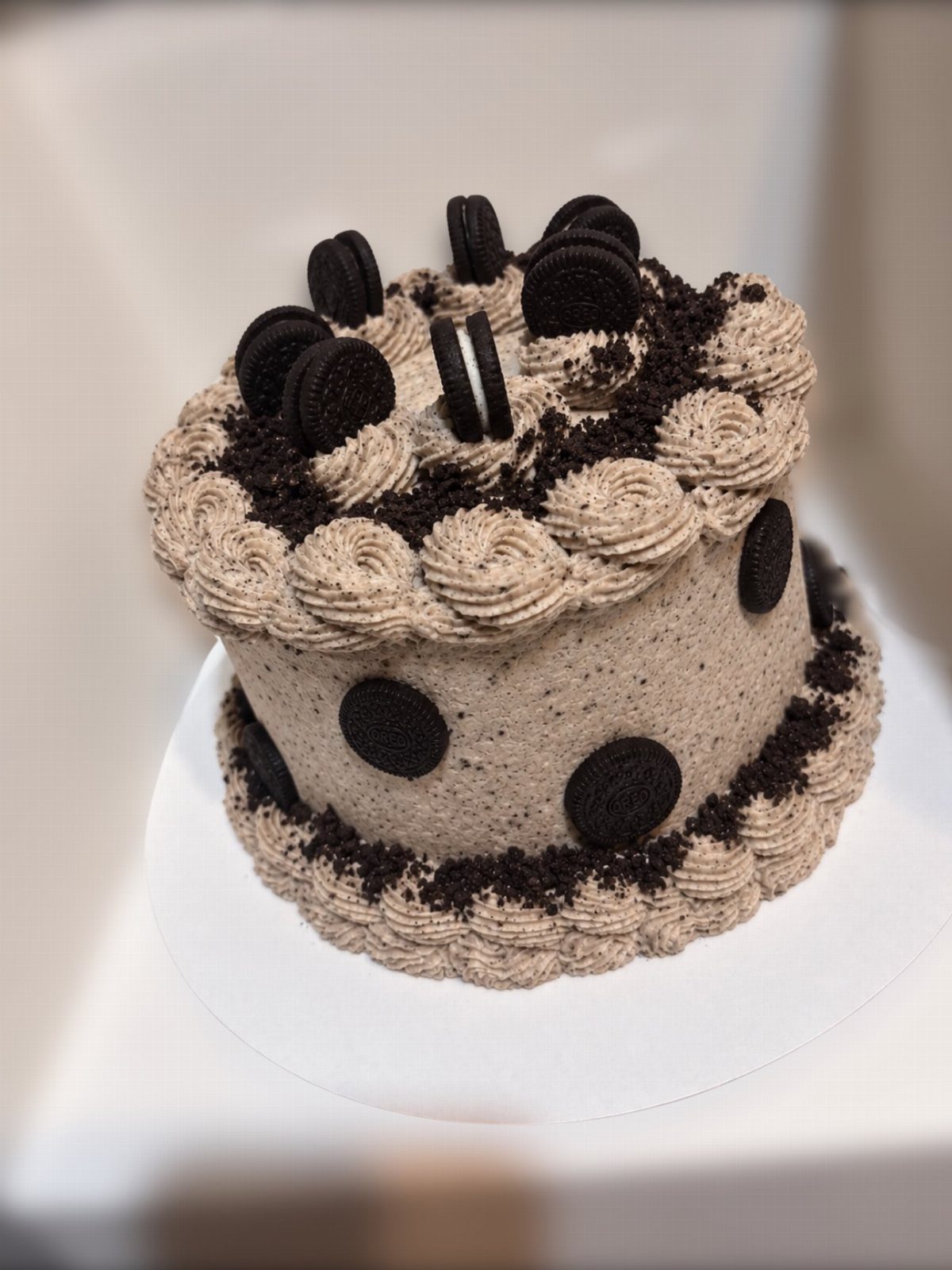
Grocery-store sandwich cookies do all the decorating on this one. Crush a handful for crumbs, and keep a few mini cookies whole.
Frost the chocolate cake, then press the crumbs onto the sides while the frosting is still soft.
Hold the cake over a plate so the extra falls away. Set the whole minis on top and around the base.
You can do it with no piping bag and no special tools. This is one of the easiest designs for a beginner.
6. German Chocolate Cake
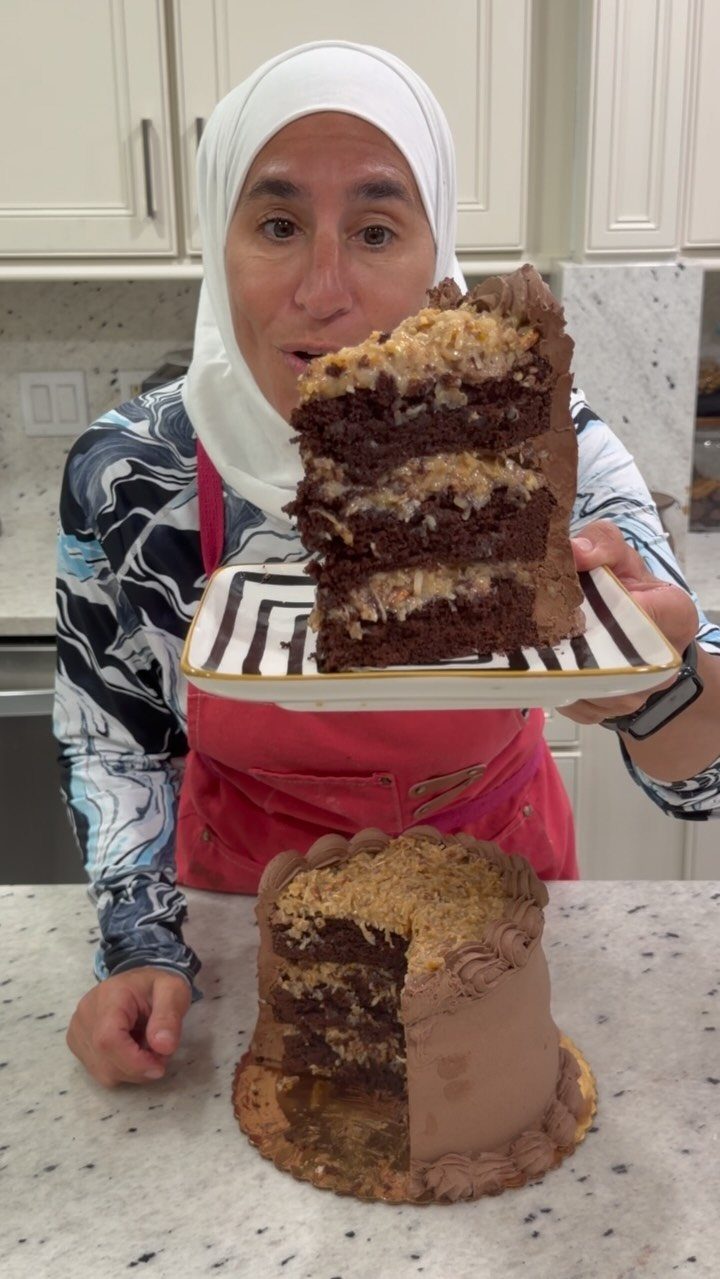
German chocolate cake gets its look from the filling: coconut pecan frosting, spread thick between chocolate layers. Make it thick enough to hold its shape, or it will slide when you cut the cake.
Spread each layer right to the edge so every slice shows a clear stripe of filling. A sharp knife wiped clean between cuts keeps the layers neat.
This is a good pick if you’d rather build flavor than pipe patterns. It needs almost no decorating skill.
7. White Chocolate Peppermint Cake
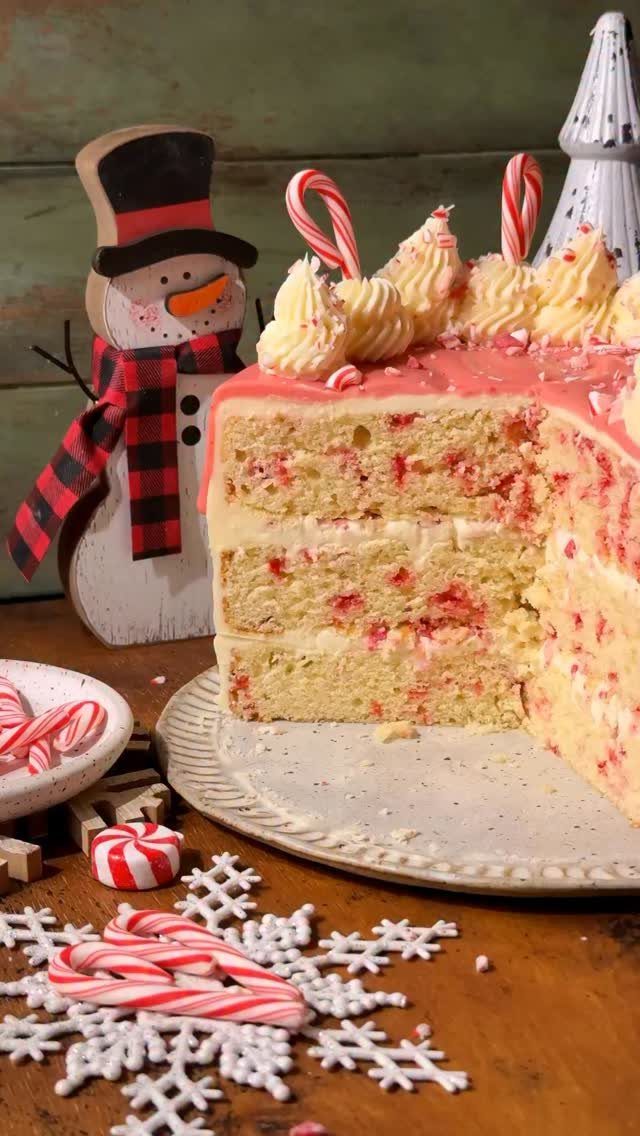
Peppermint layers with a candy-studded drip give a small cake a holiday look without much piping. Crushed candy canes press into the frosting and the drip, and whole ones can lean against the sides.
Candy dissolves where it touches wet glaze, so scatter the crushed pieces on right as the cake goes to the table. Add them early and the color bleeds into the drip.
Keep the pieces small enough to cut through cleanly. A whole candy cane on a slice makes a decent stir stick for hot chocolate.
8. Sprinkle Cake
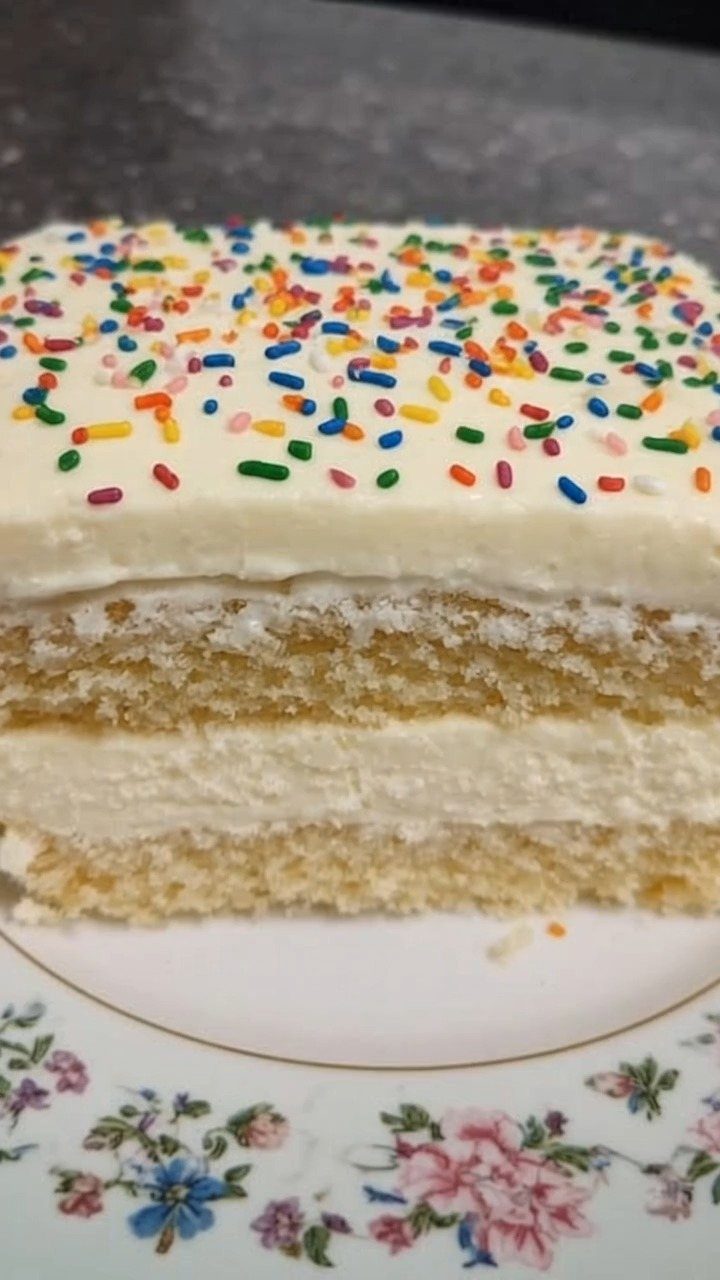
Sprinkles are the lowest-effort decoration here, and they work 2 ways: stirred into the batter or scattered over frosted layers.
A white cake with a plain white coat of frosting and a heap of mixed sprinkles on top is hard to get wrong.
Choose jimmies for a cake you plan to stir them into. Nonpareils tend to bleed color into batter, so save those for the top.
A generous handful covers the top, since there is so little surface to fill. Kids can do this part.
9. Citrus Cake
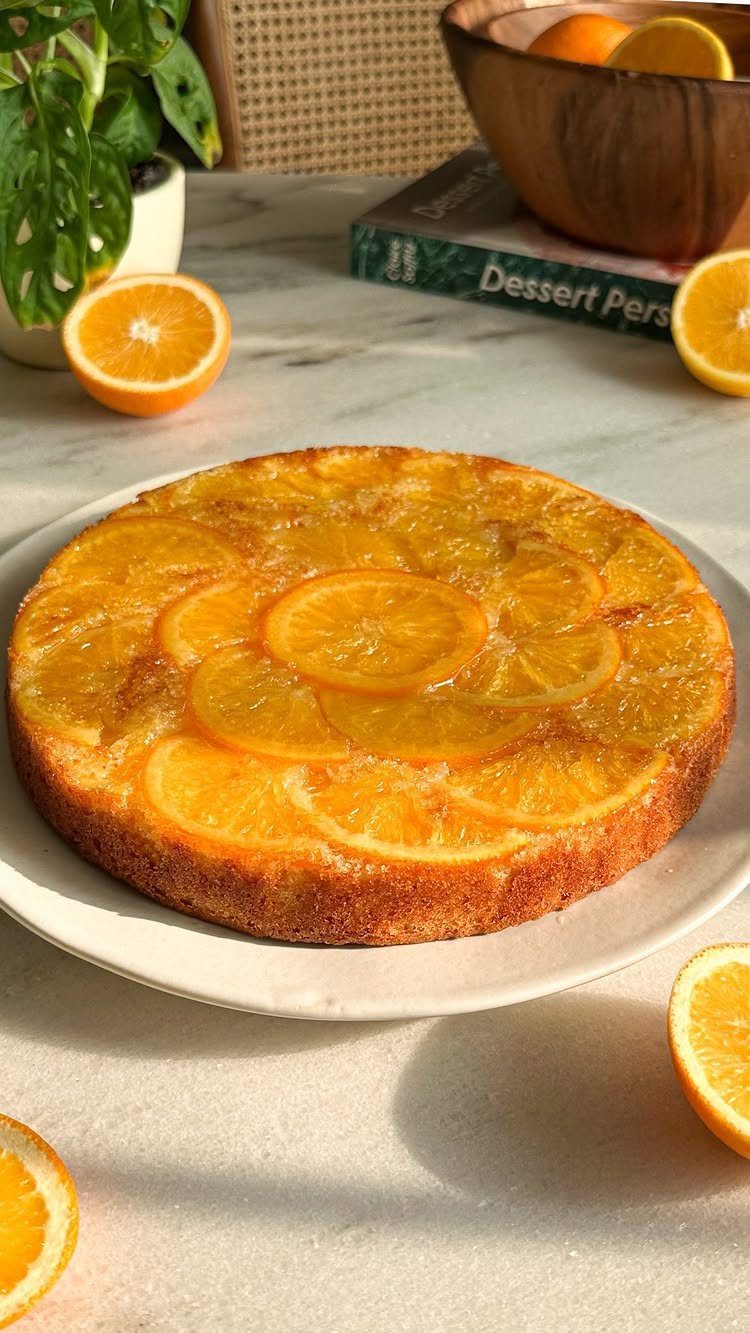
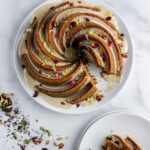
Orange slices go in the bottom of the pan, not on top of the finished cake. The batter is poured over them, and when you flip the baked cake out, the fruit becomes the decoration.
A skewer pushed into the center should come out clean after 30–35 minutes in the oven.
Give the cake 10–15 minutes in the pan to firm up before you flip it onto a plate. Their pan was 8 inches, so a 6-inch pan will need a shorter bake; start checking early.
Slice the oranges thin and overlap them a little so the pattern holds.
10. Chocolate Ganache Drip
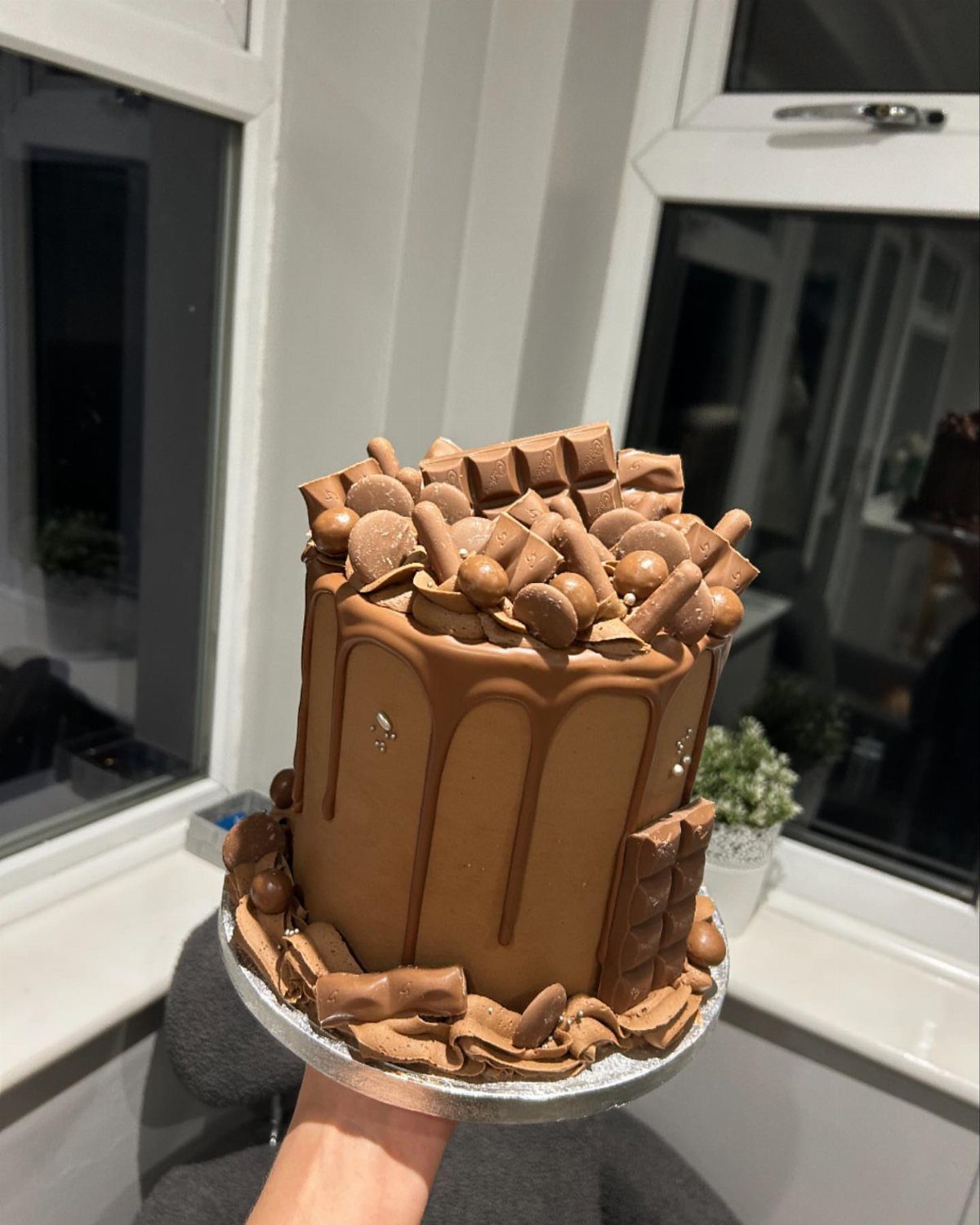
Ganache is just chocolate and warm cream, and the ratio decides how the drip behaves. More chocolate makes a thicker, slower drip; more cream makes it run.
Let the ganache cool until it feels barely warm, then test one drip on the side of the cake.
Start at the edge with a spoon, push each drip over, and fill in the top last. Chocolate bars and chunks go on after the glaze while it is still tacky.
Chill the cake first so the drips stop where you want them. A cold cake sets the ganache quickly.
11. Mirror Glaze Cake
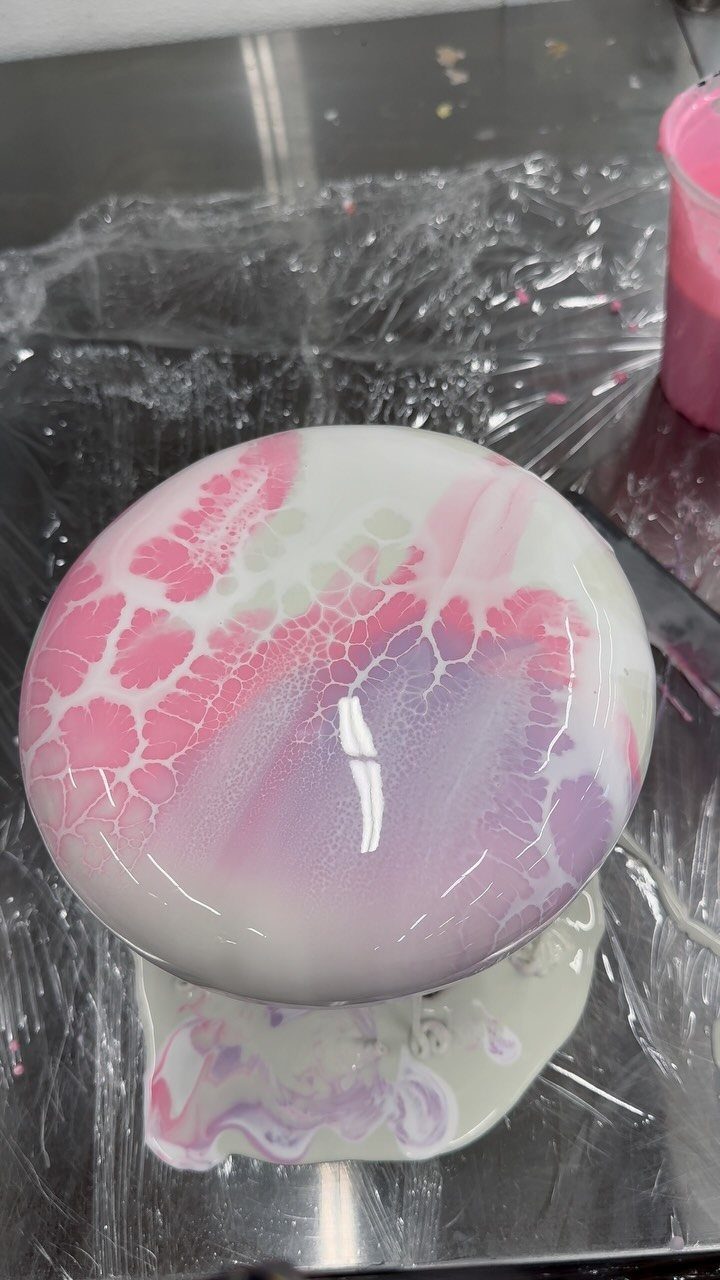
Mirror glaze is a hard finish to get right, and a first try rarely comes out perfect. It’s poured over a frozen cake, and the shine comes from the glaze setting fast on a cold surface.
Set the cake on a rack over a tray or a lined surface to catch the extra, and pour in one steady motion.
Marbling comes from swirling two or three colors together in the pitcher before you pour. You get one pass, so don’t pour twice or the glaze will streak.
Expect the base to pool and the mess to spread. Trim the pooled edge once it sets, or leave it as part of the look.
For a first cake, pick the ganache drip instead.
Serving Sizes and Cake Scale
A 6-inch cake feeds fewer people than most guest lists, so count heads before you bake. Plan on 4–6 slices from one layer; stack two layers and cut thicker wedges, and you’ll get 6–8 servings.
Slice size changes the math.
Cut modest pieces and you get 10–12 servings. Cut the narrow wedges a caterer would and you can reach 14.
For a family dinner, plan on 6–8 hearty slices. For a party with other desserts on the table, cut small and stretch it to 10–12.
If the crowd is bigger than that, bake a second cake instead of thinning the slices further. A tiered wedding cake can serve up to 65, a different scale altogether.
Adapting Recipes and Baking
A cupcake recipe that makes 12–14 cupcakes, about 3–4 cups of batter, will fill a 6-inch cake. Divide the batter evenly among three pans for thin layers, or between two pans for thicker ones.
If you’d rather start from a standard layer cake recipe, cut an 8-inch recipe in half.
Cupcake batter in 6-inch pans bakes in about 17–21 minutes at 350°F. Two pans or three in the oven, and how thick the batter is, all shift that timing, so start checking at 16 minutes.
Bake times differ from recipe to recipe, so trust the cake over the clock. Look for edges that pull slightly from the pan and a top that springs back when pressed lightly.
To check for doneness, poke a toothpick into the middle: a clean pick or one with a few dry crumbs means the cake is ready.
Pan Preparation and Frosting Amounts
Cut a round of parchment to fit the bottom of each 6-inch pan and press it flat. Trace the pan, cut just inside the line, and the small layers slide out without tearing.
A basic coat on a two-layer cake with layers about 1 inch tall takes 2–2.5 cups of frosting. A three-layer cake needs closer to 3 cups.
Plan for more if you will pipe a lot of decoration on top. Make the extra at the same time as the main batch so the color and texture match.
Start with a thin crumb coat, just enough to trap loose crumbs.
Frequently Asked Questions
How many people does a 6 inch cake serve?
A single-layer 6-inch cake gives 4–6 slices, and a two-layer cake cut into thicker wedges serves 6–8.
Thin, caterer-style wedges can push that to 14 servings. Count heads first, because this size runs out fast at a big party.
What are some easy and impressive cake decorating ideas for a 6 inch cake?
Ombre, cookies and cream, and sprinkles look the most polished for the least work. For ombre, tint one bowl of frosting pink, lighten portions of it with cream-colored frosting, and blend the seams with a scraper.
For cookies and cream, press crushed sandwich cookies onto the frosted sides and top with whole minis, with no piping bag.
For flowers, spread a thin crumb coat first, then pipe swirls and blooms; any slip disappears under one more swirl.