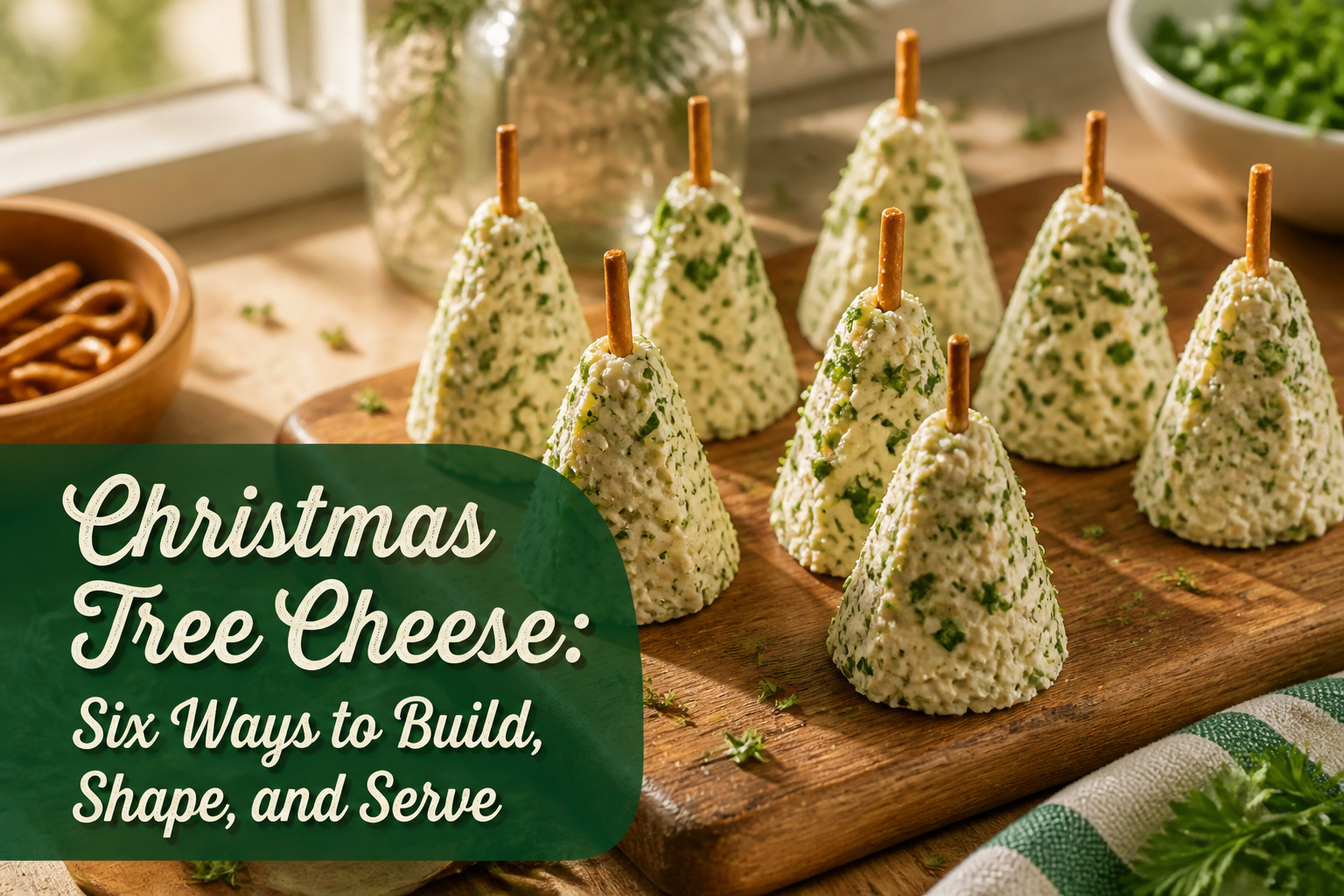
Christmas tree cheese is an edible holiday centerpiece built from soft cheese shaped into a cone and decorated to look like a fir tree.
Most recipes for the version people recognize need three packages of cream cheese and four cups of shredded Cheddar just to stand upright, plus chilling time before you can roll it in parsley and press in the pine nut garland.
If you need something faster, one 5.4-ounce package of Laughing Cow wedges and a few pretzel sticks gives you eight individual trees in ten minutes flat, no oven required.
Christmas Cheese Tree
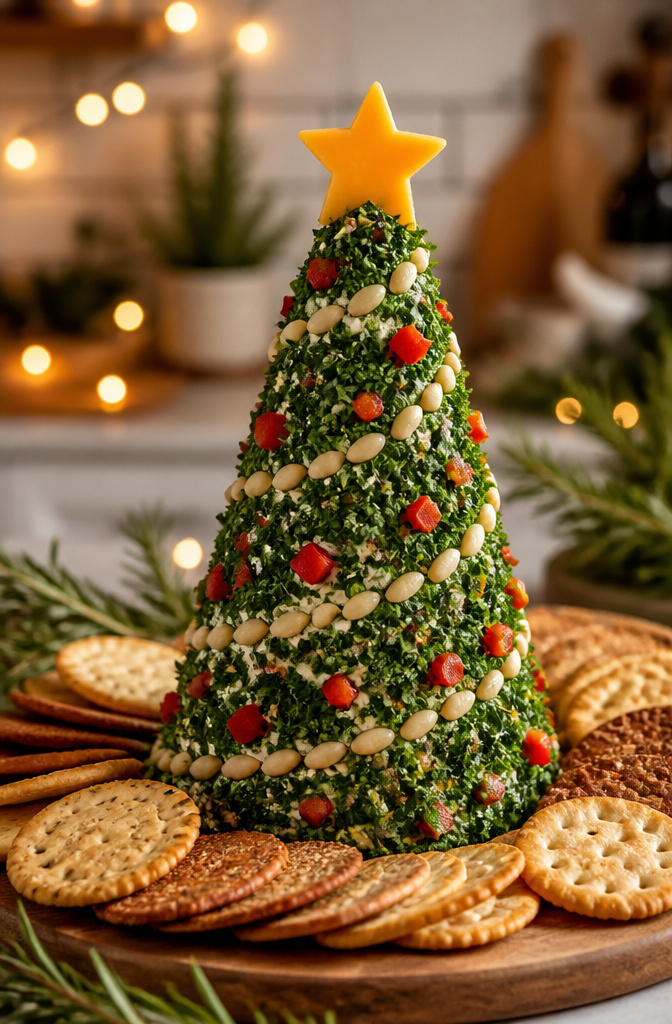
The version most people picture when they hear "christmas tree cheese" starts with 3 packages of cream cheese, 8 ounces each, mixed with 4 cups of shredded Cheddar. That is a lot of cheese, and it needs to be.
You are building a cone that stands on its own, not a flat spread, so the base has to be stiff enough to hold shape after chilling.
Shape the mixture into a cone directly on your serving sheet, then roll it in 1 cup of finely chopped parsley until the surface is fully coated.
Press ½ cup of pine nuts into the parsley in lines running down the cone so they read as garland. Chop ¼ cup of red bell pepper into small pieces and press those on as ornaments.
Finish with a star cut from a slice of Cheddar or a strip of lemon peel at the top.
This yields 10 servings and takes 10 minutes of prep, though you will need that chilling time before shaping. The original adds grated onion, dry mustard, and a few drops of hot sauce to the cheese mixture.
You can skip them, but the onion in particular keeps it from tasting like straight dairy. Serve with crackers on the side.
Pull-Apart Christmas Tree
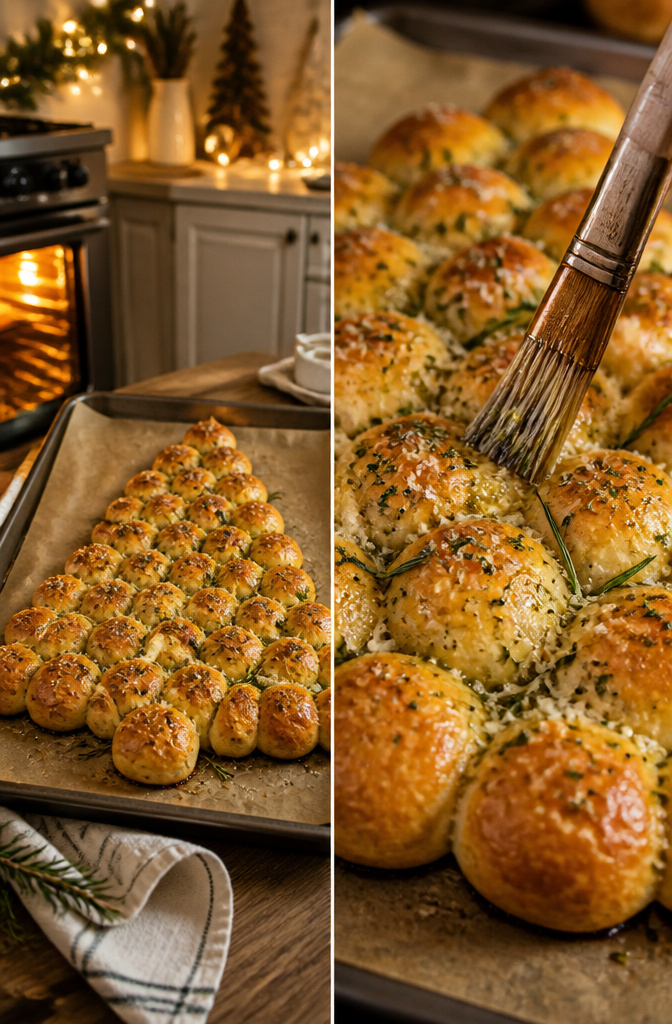
Pull-apart Christmas tree cheese starts with seven mozzarella sticks cut into pieces and one pound of pizza dough from the refrigerated case.
Cut the dough into thirty-three two-inch squares, wrap each around a piece of cheese, and seal it into a ball.
Arrange the balls seam-down in a tree shape on parchment, brush with an egg wash of one large egg beaten with a tablespoon of water, and bake at 450°F for fifteen to twenty minutes.
Melt four tablespoons of unsalted butter with grated Parmesan and chopped parsley, rosemary, and basil, then brush that over the whole thing right out of the oven.
Eight people can pull it apart into individual cheese sticks; count on twenty minutes of hands-on time before it goes in the oven.
Store-bought pizza dough works better than homemade here. The egg wash is what turns the bites golden and gives them a real shine, not a dull finish.
What creates the incredible cheese pull in this recipe? Simple, nostalgic mozzarella sticks cut into pieces.
— Delish
If mozzarella is not your thing, any stretchy cheese does the same job. Monterey Jack melts clean and pulls almost as well.
Easy Christmas Cheese Trees
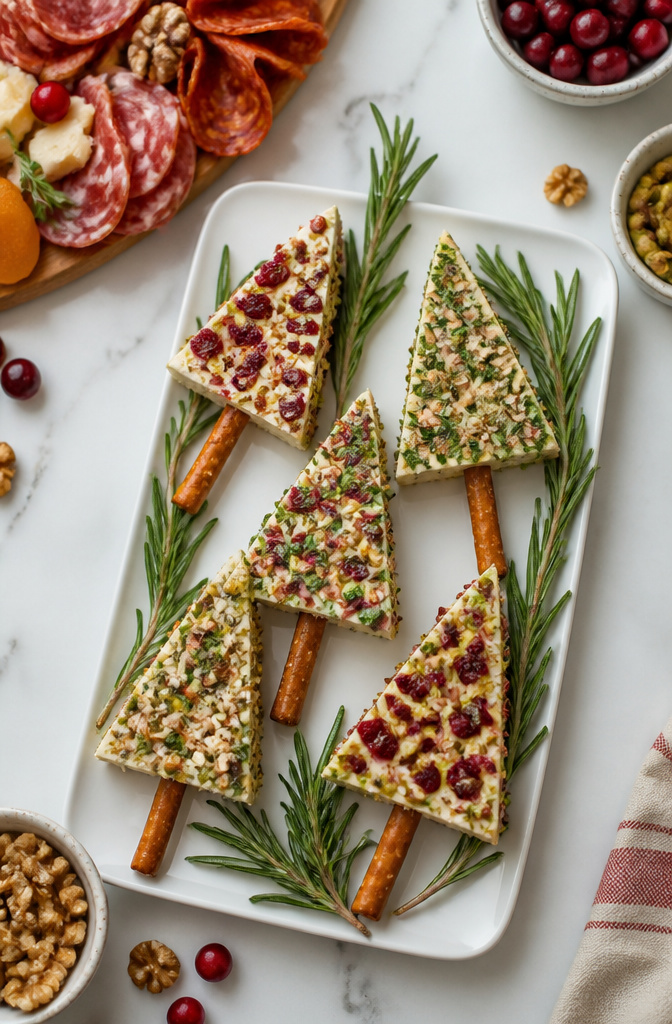
Easy Christmas Cheese Trees calls for one 5.4-ounce package of Laughing Cow spreadable cheese wedges, eight in total, plus four pretzel sticks snapped in half for trunks. Dried fruit, herbs, nuts, seeds, or spices press onto the surface as ornaments.
One unusual route coats a wedge in crushed wasabi peas for green color and heat.
Assembly takes ten minutes flat, and no cooking. Unwrap each wedge, jab the thick end with a pretzel half, then press dried fruit or nuts onto the sides and top first.
Herbs and spices go on after; reverse the order and the fruit slides right off. Arrange the eight finished trees on a small platter with extra rosemary sprigs tucked around them if you want to gild the lily.
This version works when you need something fast and do not want leftovers. Each tree is a single serving, so you are not committing to a large centerpiece that sits half-eaten.
Serve them cold or at room temperature alongside the usual charcuterie accompaniments.
Cheesy Christmas Tree
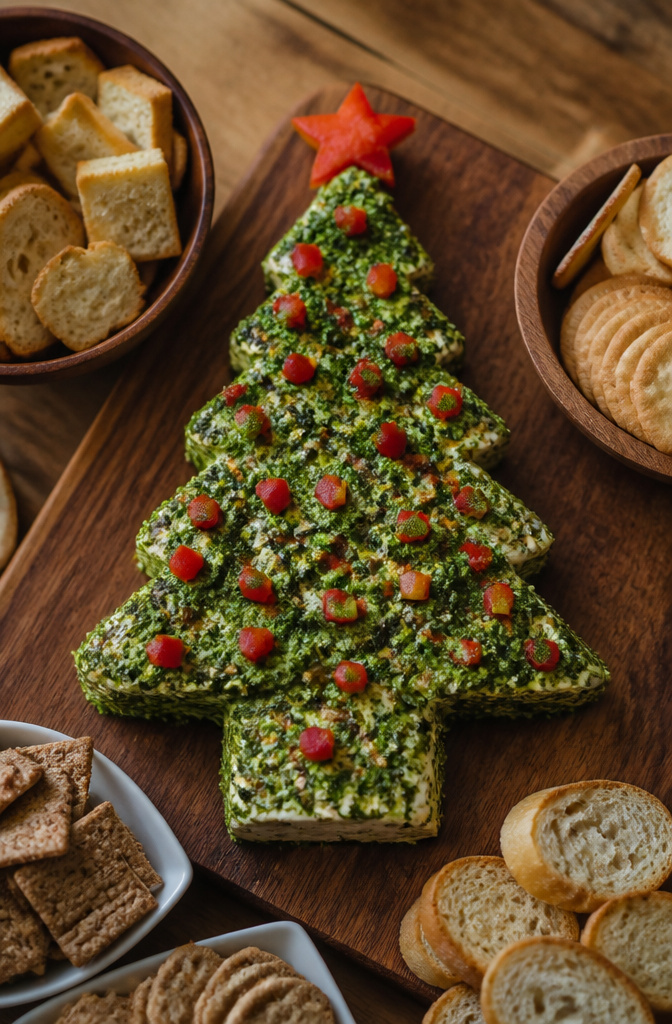
Brick cream cheese gives you a clean shape to work with, and this version leans into that structure with color rather than herbs.
You press one 8-ounce brick into a rough triangle, then coat the surface with half a cup of basil pesto. The oil in the pesto turns the whole thing a deep, even green, no food coloring needed.
For the ornaments, you mince a quarter cup of red peppers and dot them across in clusters of three or four. The contrast is immediate: dark green tree, bright red baubles, no guesswork about what you’re looking at.
The flavor is sharper and more interesting than the standard herb-coated cheese ball. Pesto carries garlic, Parmesan, and pine nuts; the peppers add sweetness and a slight crunch that holds up for the hour or two this sits out.
One brick feeds twelve people at two tablespoons each, which is plenty when you figure five crackers per serving. Cleanup is a bowl and a knife.
The only real decision is whether to chop the peppers fine enough to stick or leave them chunkier for more texture; smaller pieces stay put when people swipe through.
Christmas Tree Cheese Ball
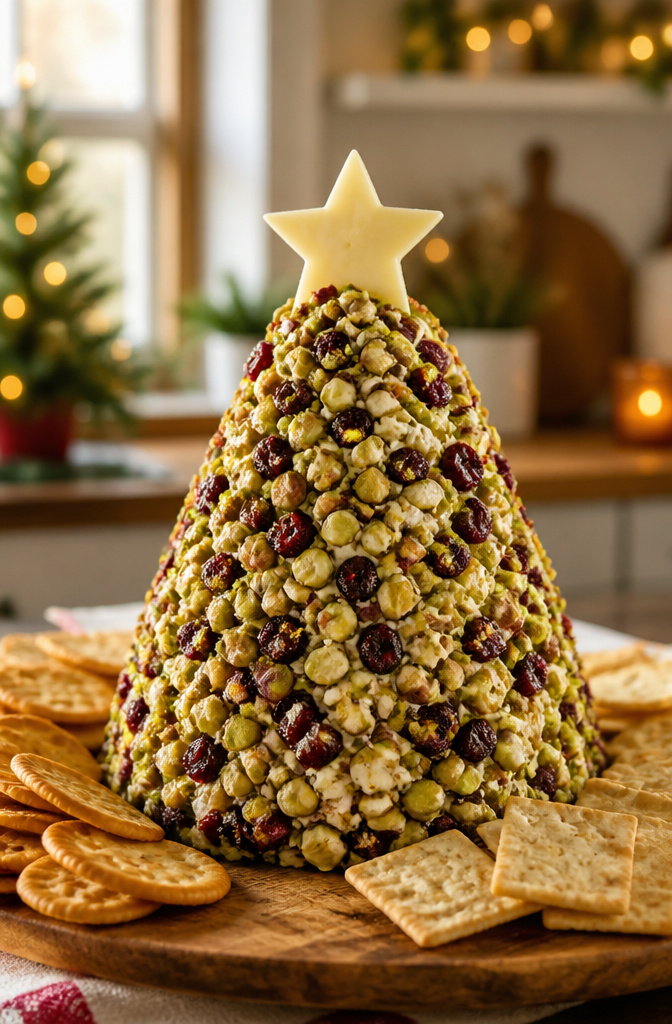
Boursin carries garlic and fine herbs already, so the flavor is built in before you start shaping. Let it sit out until it softens to room temperature, then pack it into a cone with your hands.
Work over parchment so you have somewhere to roll.
The move that saves time is rolling the cone in toppings instead of pressing them on one by one.
Pistachios, dried cranberries, and whatever else you have on hand will stick fast and give you a rougher, more tree-like surface than a careful pat-down.
Ten minutes of active work, and it holds in the fridge for a week before you coat it. Add the toppings the day you serve it, though, or they soften and bleed.
A star-shaped piece of cheese on top finishes the look. Serve with crackers or pita chips, or torn focaccia if you want something warm against the cold cheese.
Christmas Tree Pull-Apart Bread
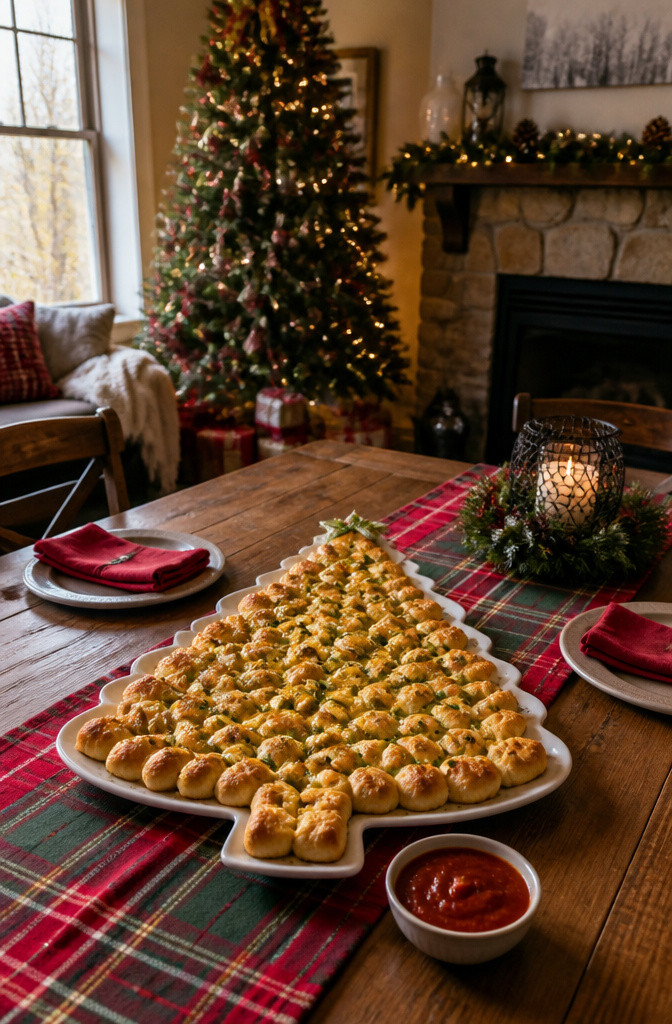
If you need to feed a crowd and you want the simplest possible build, this is the one to pick.
Two cans of refrigerated crescent rolls and one package of garlic herb cheese, the spreadable Gournay kind you find near the deli, make a 32-serving Christmas tree that is more bread than cheese.
That ratio is the tradeoff: nobody leaves hungry, but people come back for the carbs, not the dairy.
The prep runs about 20 minutes before baking.
You separate the triangles, lay them out in a tree shape with a spoonful of garlic herb cheese at the wide end of each, then roll from base to tip and nestle the rolls close together so they bake into a single pull-apart mass.
Brush with melted butter after it comes out of the oven, sprinkle chopped parsley for color, and serve warm.
It is the largest yield of any version here, which matters when you are filling a potluck table rather than a small platter.
What You Need
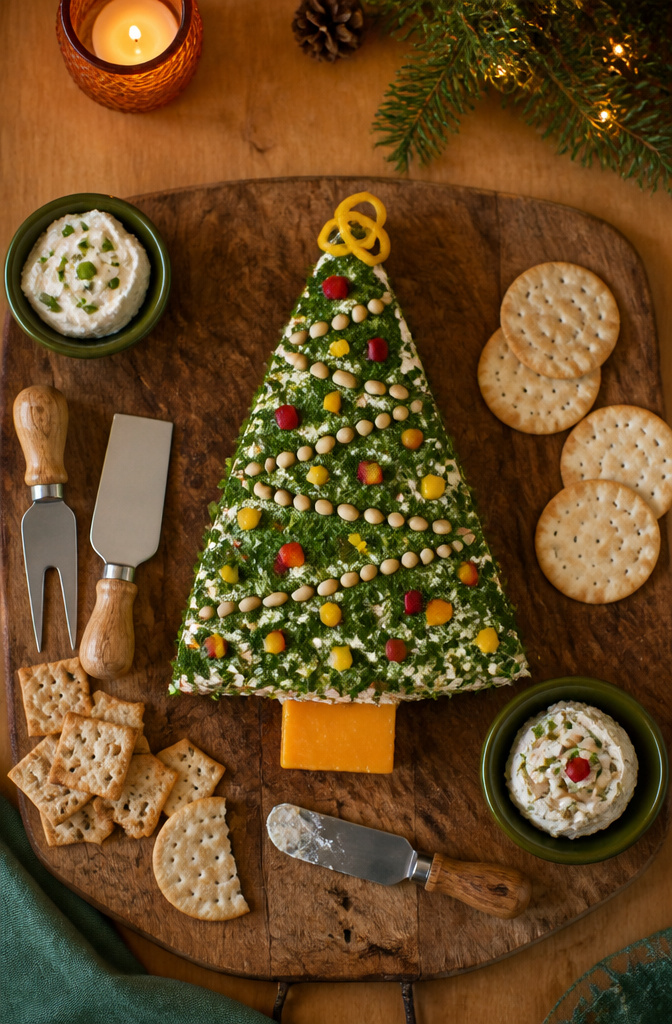
Three packages of cream cheese, softened, form the base of the classic version, mixed with shredded Cheddar, grated onion, dry mustard, and a few drops of red pepper sauce.
You shape this while it is still cold, then roll it in a full cup of finely chopped parsley and press pine nuts into the surface for garland.
A quarter-cup of chopped red or yellow bell pepper becomes the ornaments, with a slice of Cheddar or a curl of lemon peel for the star.
For a faster route, a single brick of cream cheese cut diagonally and arranged point-to-point on a plate gives you the tree shape in about ten minutes.
Spoon basil pesto over the top, add diced red pepper, and stand a two-inch piece of mozzarella-Cheddar string cheese at the bottom for the trunk. Serve it with crackers and you are done.
The small-format versions need even less: soft cheese wedges, a wheel of brie cut into wedges, or any white cheese in triangular pieces.
Press one side into herbs, flip it, and push half a pretzel stick into the base for the trunk. No base requires anything fancier than a dinner plate or a small cutting board.
How Long Each Takes
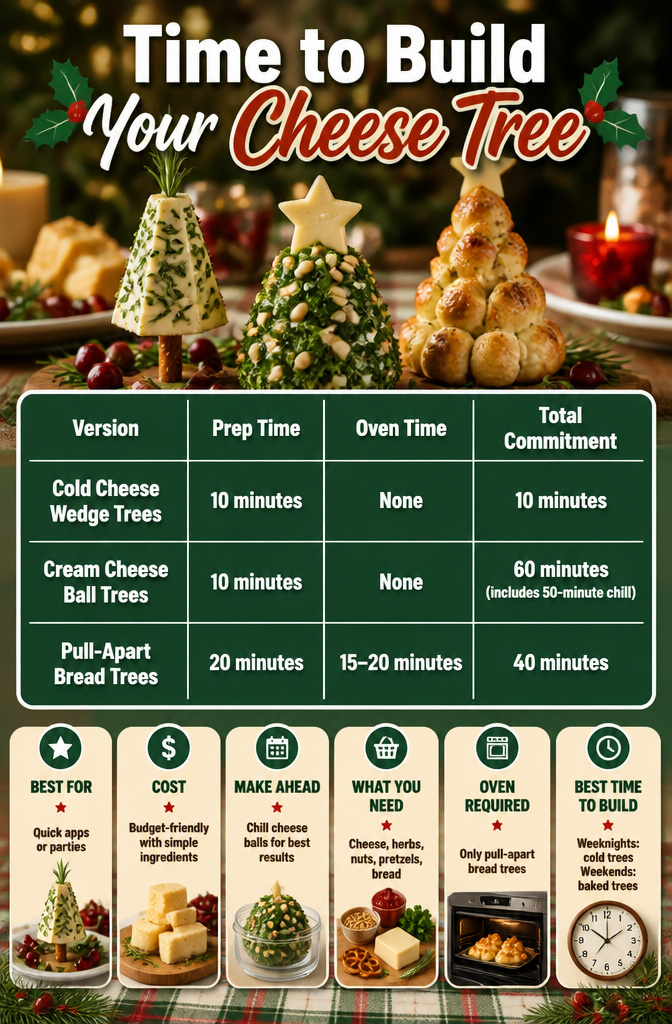
10 minutes gets you the no-bake trees, the ones you shape from cold cream cheese or stand a cheese wedge on a pretzel stick and press herbs into.
20 minutes covers the prep for baked versions like the pull-apart bread, though that number does not include the 15 to 20 minutes those need in a 450° oven.
The cheese-ball trees fall somewhere between; one version mixes and chills the base ahead, then asks for another stretch to roll in parsley and press on pine nuts.
| Version | Prep Time | Oven Time | Total Commitment |
|---|---|---|---|
| Cold cheese wedge trees | 10 minutes | None | 10 minutes |
| Cream cheese ball trees | 10 minutes | None | 60 minutes (includes 50-minute chill) |
| Pull-apart bread trees | 20 minutes | 15–20 minutes | 40 minutes |
If you are building this Thursday evening after work, the cold trees are the only realistic choice. Save the baked ones for a weekend afternoon or a day when someone else is handling the main dish.
How to Serve Them
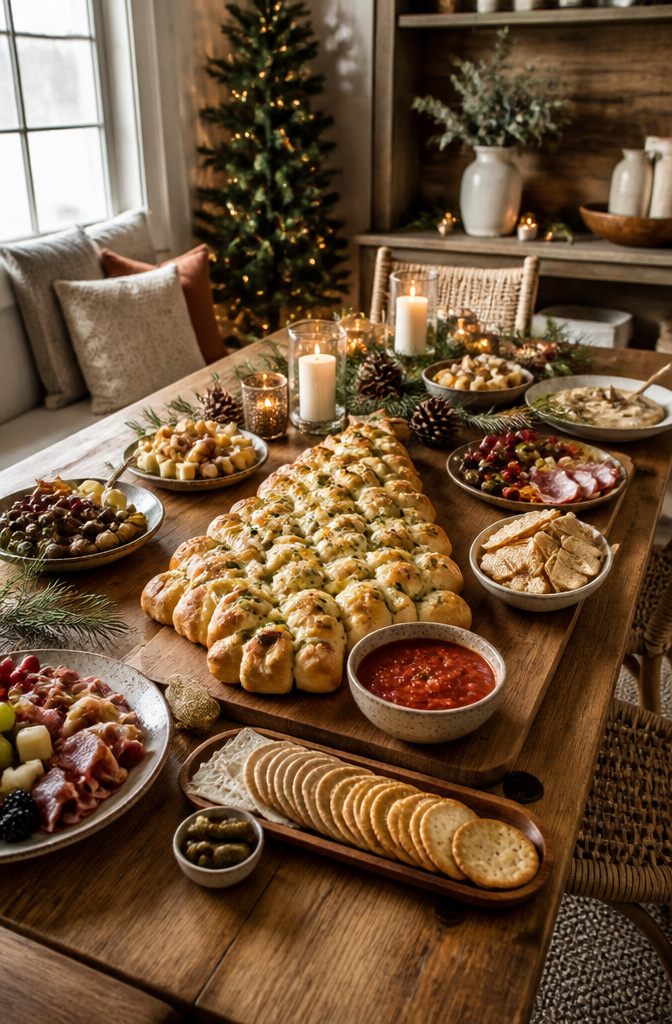
The smallest trees, the ones that yield 8 servings, need a board around them. Set out a bowl of warmed marinara and the tree becomes the anchor of a larger spread, not a solo act.
The 12-serving cheese spread from the quick version works the same way: figure 2 tablespoons per person plus 5 crackers, which means you are buying a box, not a sleeve, and you will still run out before the tree is scraped clean.
The 32-serving pull-apart bread is where the math shifts. That tree is the party.
It arrives warm from the oven, brushed with butter and parsley, and guests pull from it directly.
If you try to surround it with competing items, you end up with too much food and not enough hands for the bread while it is still good.
For crackers and pita chips, save them for the smaller yields or for guests who want something crisp against soft cheese. The bread-based trees need no crunch added; the crescent or pizza dough handles that already.
Portion honestly: 8 to 12 servings feeds a small gathering, 32 covers a room, and nothing in between matches the recipes as they are written.
Make-Ahead and Storage
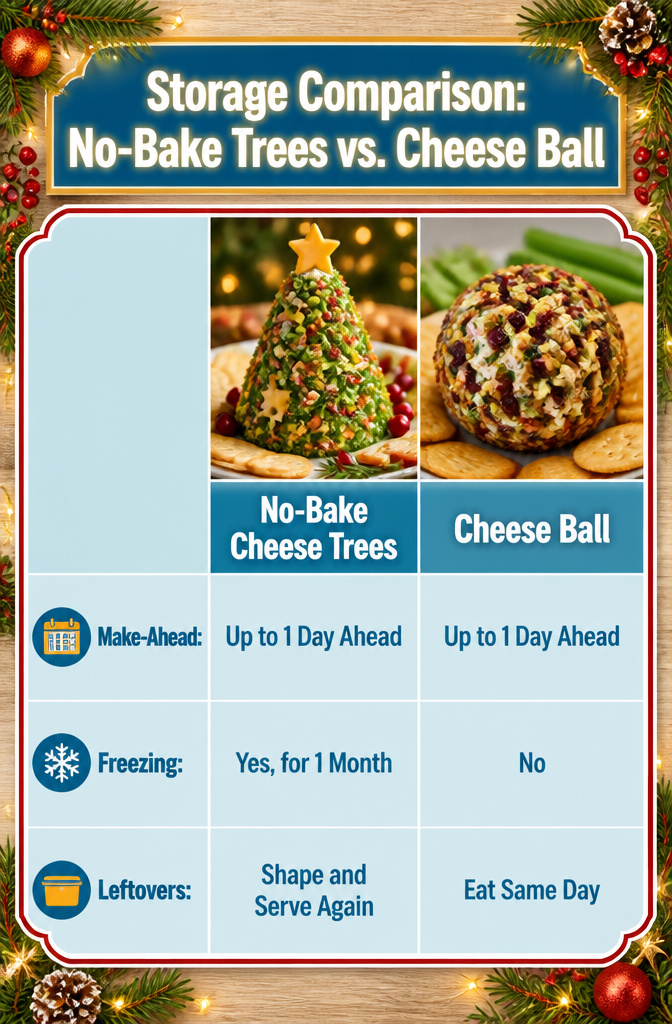
The no-bake cheese trees and the cheese ball are the ones you can make up to a day ahead and refrigerate.
Shape them, wrap them tight in plastic wrap or stash them in an airtight container, and pull them out when guests arrive.
One version even goes into the freezer for up to a month, then thaws in the refrigerator overnight before you add the final parsley and decorations.
Leftovers split into two camps. The baked bread versions, pull-apart or otherwise, turn rubbery and sad in the reheat.
Eat them the night of or call it done. The uncooked cheese, though, gives you options.
If the tree still looks presentable, reshape it and serve again. If the pistachios have gone soft or the shape has collapsed, scrape the whole thing into a bowl and call it a spread.
No one at your party will care what container it came from once they taste it.
Variations That Actually Work
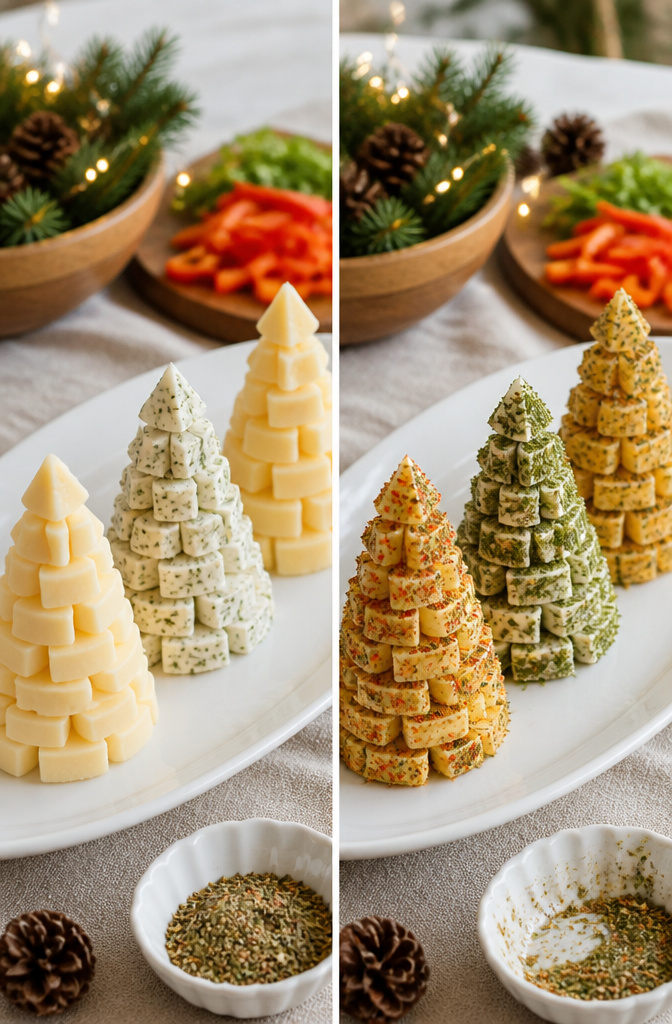
Some swaps are worth the extra step and some are not. Laughing Cow wedges come in Aged White Cheddar, Garlic Herb, and Swiss, and they are already portioned so the tree keeps its shape without you having to cut anything.
If you build with block cheese instead, Provolone, Swiss, or Mozzarella cut into triangles works, though you lose the built-in base.
For the coating, smoked paprika shows up everywhere, and the difference between versions matters. One route is paprika plus Creole or Cajun seasoning, even Greek seasoning mixed together.
Another is fresh rosemary and basil with herbes de Provence and crushed red pepper. The fresh herb route takes more prep but tastes cleaner; the spice-blend route sticks better and reads as more snack-like.
Toppings need to be dry or they slide. Chopped red and green bell pepper or jalapeño works if you pat the pieces with paper towels first.
A yellow bell pepper star on top is a nice touch if you have the patience to cut it. Skip anything wet like fresh fruit; the cheese surface will weep and the decoration pools at the bottom of the plate.
One outlier worth knowing: a sweet version with cream cheese and raspberry jam inside bread dough, finished with cream cheese frosting. It is a different dish entirely, but it proves the tree shape itself is forgiving.
Frequently Asked Questions
Can you make cheese trees in advance?
Yes, no-bake cheese trees and cheese balls can be made up to a day ahead and refrigerated until serving. One version even freezes for up to a month, then thaws overnight in the refrigerator before adding final decorations.
The Boursin-based tree keeps in the fridge for a week before coating, though you should add toppings the day you serve it to keep them from softening and bleeding.
What is the best cheese to use for Christmas cheese trees?
Laughing Cow spreadable cheese wedges are the easiest choice because they are already portioned into tree-sized triangles and come in flavors like Aged White Cheddar, Garlic Herb, and Swiss.
For larger trees, cream cheese mixed with shredded Cheddar gives you enough bulk to build a self-supporting cone. Mozzarella, Monterey Jack, Provolone, or Swiss also work if you are cutting your own shapes from blocks.
How do you make a Christmas tree cheese ball?
Mix three 8-ounce packages of softened cream cheese with 4 cups of shredded Cheddar, then shape the mixture into a cone directly on your serving sheet.
Chill it until firm, then roll the cone in 1 cup of finely chopped parsley and press ½ cup of pine nuts into lines running down the sides for garland.
Add ¼ cup of chopped red bell pepper as ornaments and finish with a star cut from Cheddar or lemon peel at the top. The whole thing takes about 10 minutes of active prep plus chilling time.
What is the most popular cheese at Christmas?
Cheddar appears most often in the classic Christmas tree cheese recipes, either shredded into cream cheese bases or sliced for stars and decorations. Cream cheese is the structural workhorse, showing up in nearly every version as the shapeable foundation.
For serving, Boursin and other garlic herb spreads are common because they carry built-in seasoning.
What cheese is traditionally eaten with Christmas cake?
The recipes here are all savory appetizers, not dessert courses, and none mention fruitcake or holiday cake accompaniments. For that tradition you would need to look outside the Christmas tree cheese category.
What are some popular Christmas cheese flavours?
Garlic and herb is the most common, whether from Boursin, flavored cream cheese, or pesto coatings. Sharp Cheddar brings backbone to the classic version.
For heat, wasabi pea coating or a few drops of hot sauce in the mix add kick.
Smoked paprika, Creole seasoning, and herbes de Provence show up in coating blends, while pesto gives a cleaner, greener flavor with its garlic, Parmesan, and pine nut profile.