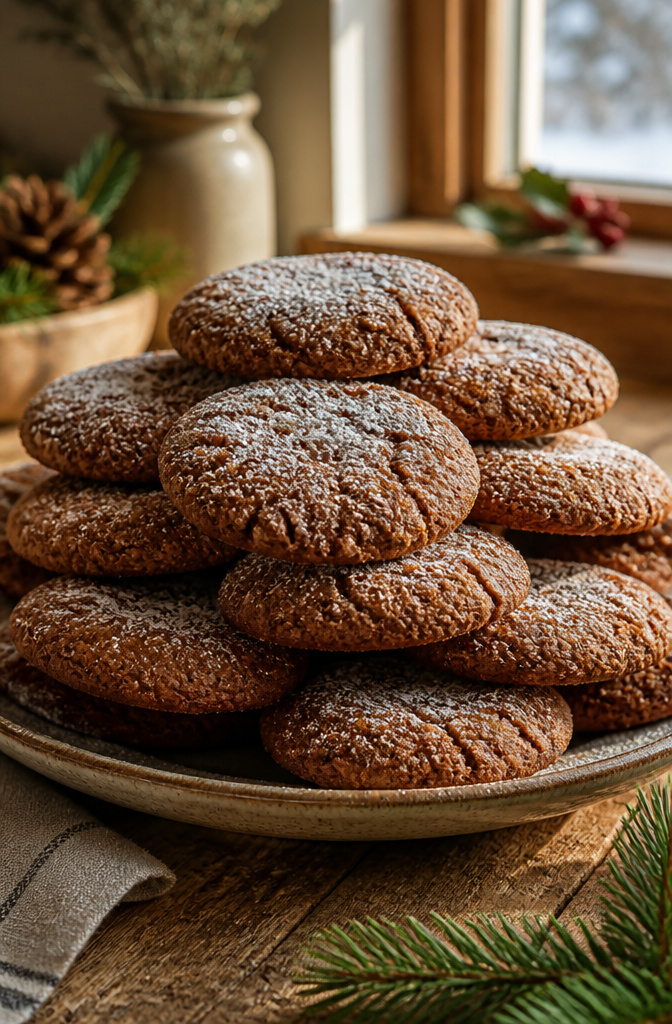
These soft, chewy gingerbread cookies with molasses balance warm spice with real depth, baking in under 15 minutes at 350°F. The thing that separates them from the crisp, fragile kind is the molasses itself: unsulphured, never blackstrap, and measured at 1/3 cup so the sweetness stays rounded instead of bitter.
The dough must chill for at least an hour before shaping, or your cookies will spread into puddles and every snowman becomes a snowball.
What These Gingerbread Cookies Are
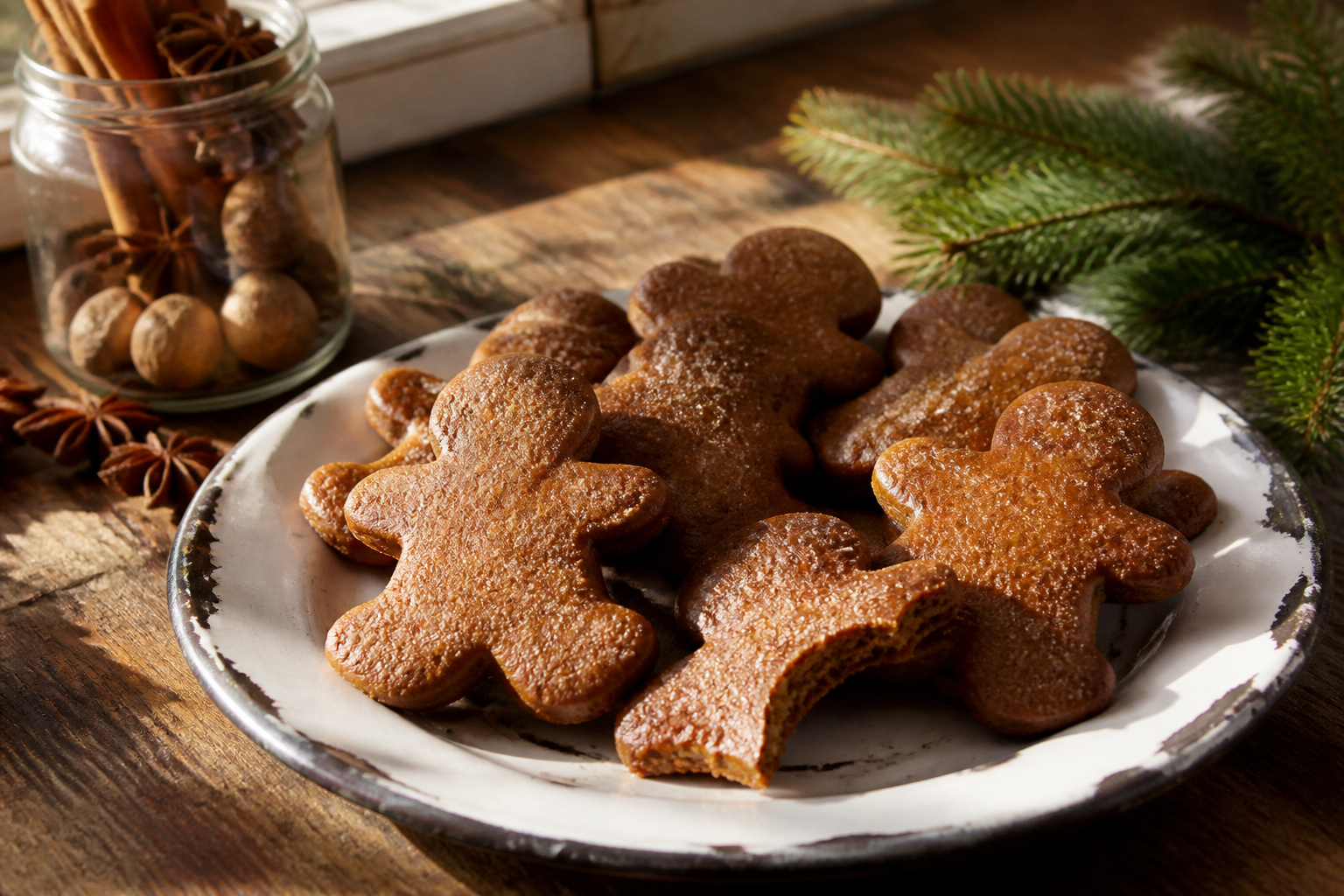
These are soft, chewy gingerbread cookies with molasses carrying the depth of the flavor, warm with spice but not sharp enough to sting.
They bake at 350°F and need just 8 to 15 minutes in the oven, which makes them practical for a weeknight when you want the house to smell like something is happening.
You reach for this recipe when you want baking that feels special without the project.
It works for holiday plates, for filling a glass jar on the kitchen counter, or for pulling out on a random Tuesday because the dough mixes quickly and the result still looks like you planned it.
The balance here is soft centers with edges that hold their shape, sturdy enough to decorate if you want to but good plain on a Tuesday afternoon.
Some gingerbread cookies lean too crisp or too fragile. These stay soft for days, which matters if you are the type to bake once and grab through the week.
Ingredients
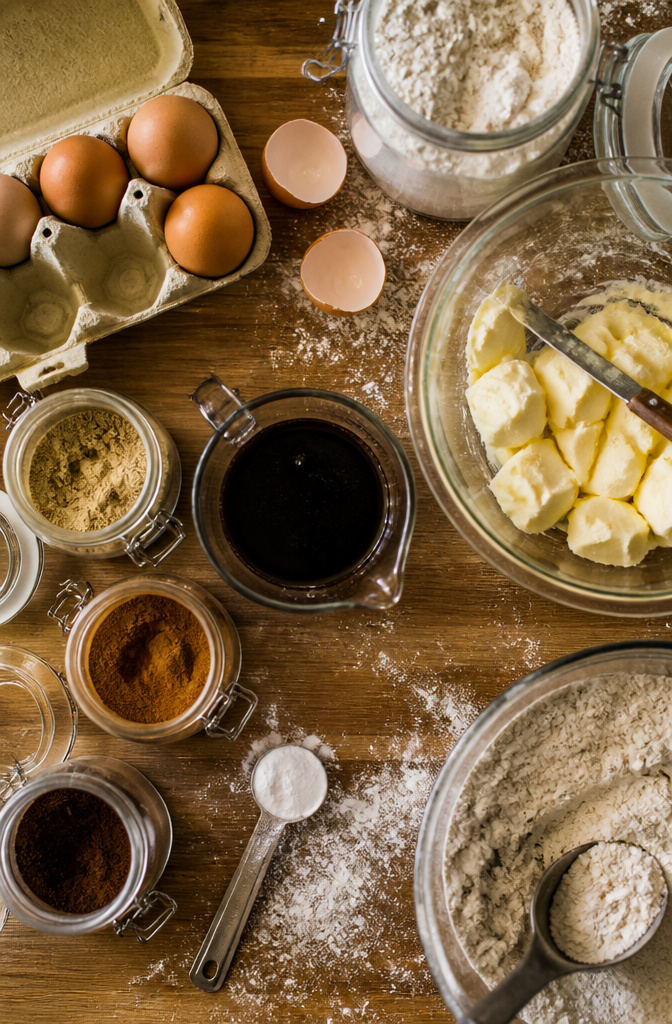
You probably have most of this already. The butter needs to be soft enough to cream, so pull it out early or give it a quick burst in the microwave.
- 3/4 cup (170g) unsalted butter, softened
- 1/3 cup (113g) unsulphured molasses — not blackstrap, which goes bitter in a cookie
- 1 large egg
- 2 1/4 cups (307g) all-purpose flour
- A mix of granulated and brown sugars (most versions lean toward 1 cup total, with at least some brown for depth)
- 2 teaspoons baking soda
- 1/2 to 3/4 teaspoon salt
- Spices: ground ginger, cinnamon, and a smaller amount of cloves
- Optional: granulated sugar for rolling the dough balls
The unsulphured molasses matters more than the brand. Grandma’s is the one most bakers grab, but any unsulphured bottle gives you that warm, rounded sweetness.
Blackstrap is too far gone for this dough.
Method
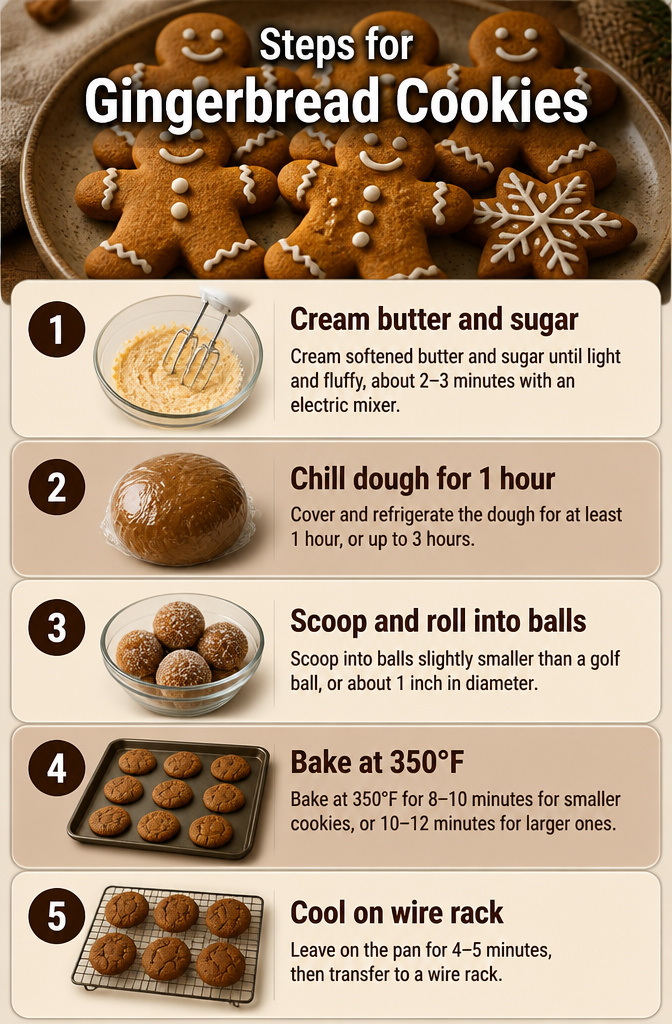
- Cream softened butter and sugar until light and fluffy, about 2–3 minutes with an electric mixer. Beat in the egg and molasses until smooth. In a separate bowl, stir together the flour, baking soda, salt, cinnamon, and ginger, then add to the wet mixture and mix until just combined. The dough will be thick.
- Cover and refrigerate the dough for at least 1 hour, or up to 3 hours. This step is not optional; the dough needs to be firm enough to hold its shape in the oven.
- Scoop into balls slightly smaller than a golf ball, or about 1 inch in diameter. Roll in granulated sugar if you want a light crunch on the outside. Space them 2–3 inches apart on the baking sheet.
- Bake at 350°F for 8–10 minutes for smaller cookies, or 10–12 minutes for larger ones. Pull them when the centers still look slightly underdone; they will finish setting as they cool and stay soft instead of turning brittle.
- Leave on the pan for 4–5 minutes, then transfer to a wire rack. Decorate once fully cooled, or eat plain.
Yield and Timing
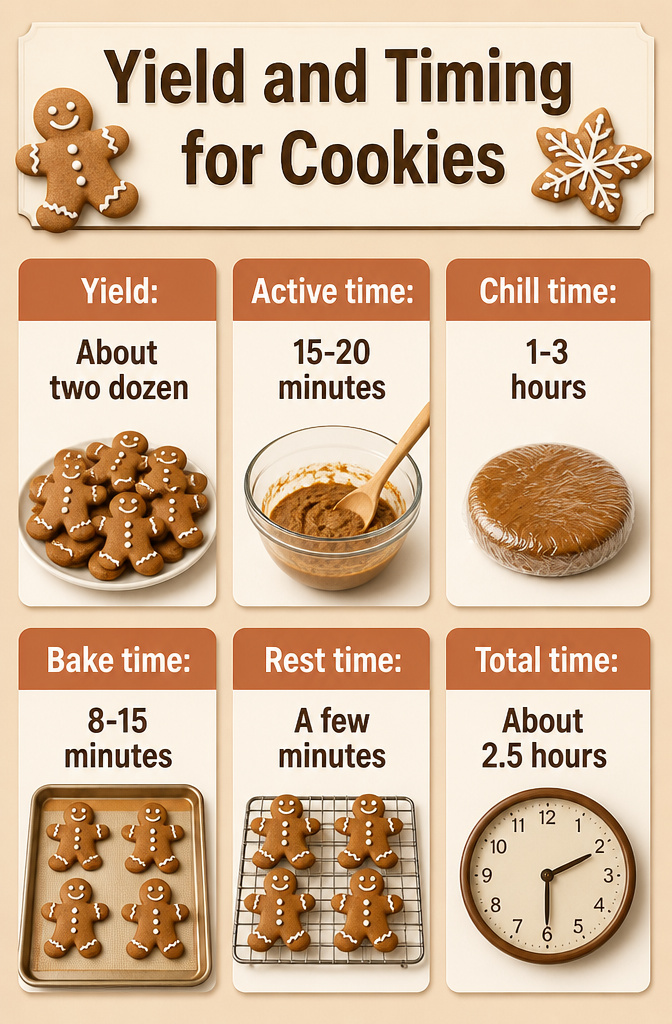
A standard batch of gingerbread cookies with molasses yields about two dozen cookies, though you can stretch that closer to three dozen if you keep the scoops smaller than a golf ball.
Active work is brief. You’ll spend roughly 15 to 20 minutes creaming butter and sugar, beating in the egg and molasses, and folding in the dry ingredients.
The dough then needs to chill, covered, for at least an hour and up to three hours if your kitchen runs warm or you want deeper flavor.
After that, shaping goes quickly; bake 8 to 15 minutes depending on size and whether you want a softer or firmer chew. Let them rest on the pan a few minutes before transferring to a rack.
From the moment you set out your butter to the first warm cookie, plan on about two and a half hours minimum, or closer to four if you favor a longer chill.
Most of that is hands-off, which makes this a practical weeknight project if you mix the dough after dinner and bake once the kids are in bed.
Storage and Freezing
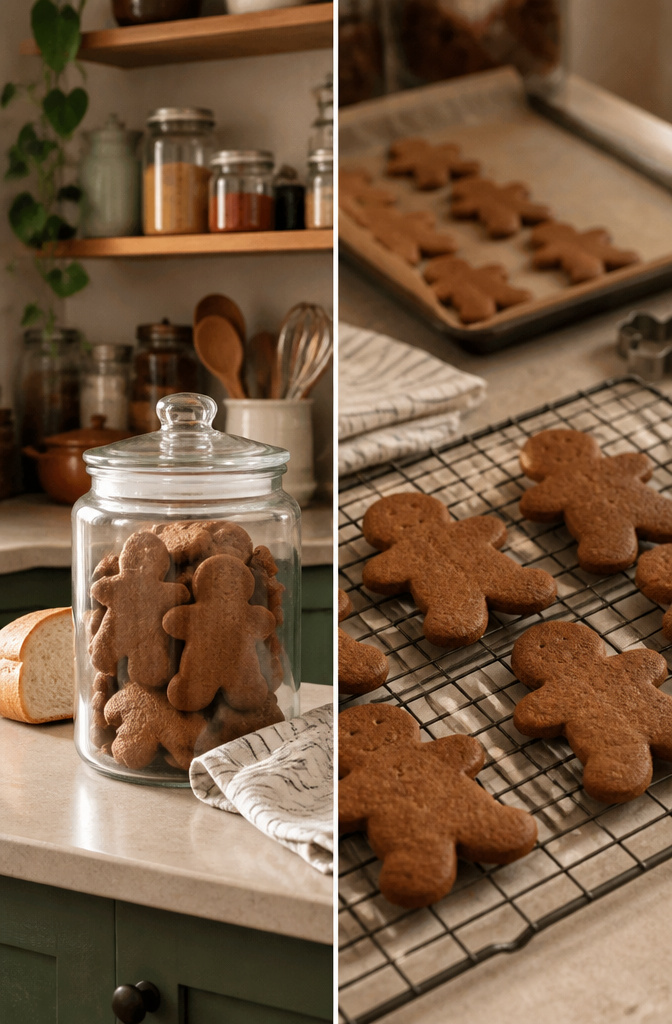
Once the cookies cool, you have two workable paths forward.
Baked cookies keep at room temperature in an airtight container for 5 to 7 days, and a slice of bread tucked in alongside them will keep the texture soft rather than letting them turn to crumb.
If you need them around longer, baked cookies freeze well for up to 3 months; thaw them on the counter when you want them, or give a frozen cookie 10 seconds in the microwave to bring back that warm-spice aroma.
Raw dough keeps in the refrigerator for 2 days if wrapped tight, and that rest actually deepens the flavor. For longer storage, freeze shaped dough balls on a baking sheet until solid, then bag them.
They hold for 2 to 3 months, and you can bake straight from frozen with just a few extra minutes on the timer.
Thawing overnight in the refrigerator works too, though you will want to let the dough sit 10 to 20 minutes before rolling.
Substitutions and Variations
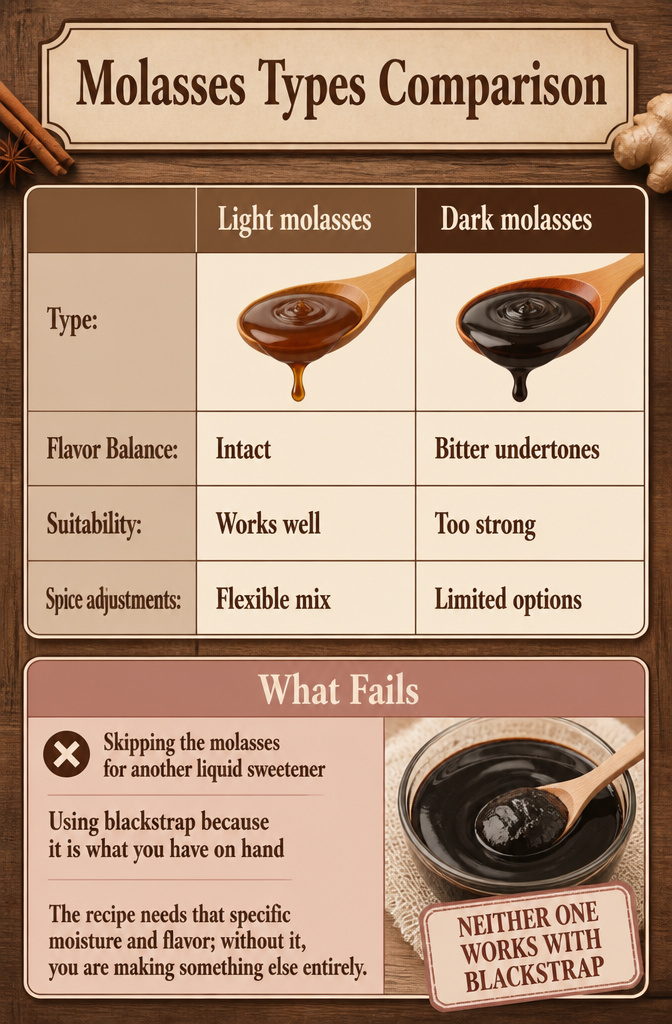
Light molasses keeps the spice balance intact; dark molasses pushes the flavor toward bitter and heavy, which is why one home baker ended up with cookies that tasted of nothing else.
Neither one works with blackstrap, which is too bitter and too strong for this dough and will ruin the batch entirely.
You can adjust the spice blend without much risk. The base mix is ground ginger, cinnamon, and cloves, with allspice in some versions.
Add a quarter teaspoon of cardamom if you want a more complex, almost floral warmth that still reads as gingerbread. Increase the ginger to two teaspoons or add a pinch of cayenne if you prefer heat over sweetness.
A one-to-one gluten-free flour blend will produce a cookie, but the texture shifts. Expect less chew and a more crumbly bite, closer to shortbread than to the classic soft center.
White whole wheat flour is another swap that works, though it adds density.
What fails: skipping the molasses for another liquid sweetener, or using blackstrap because it is what you have on hand. The recipe needs that specific moisture and flavor; without it, you are making something else entirely.
Texture and Doneness
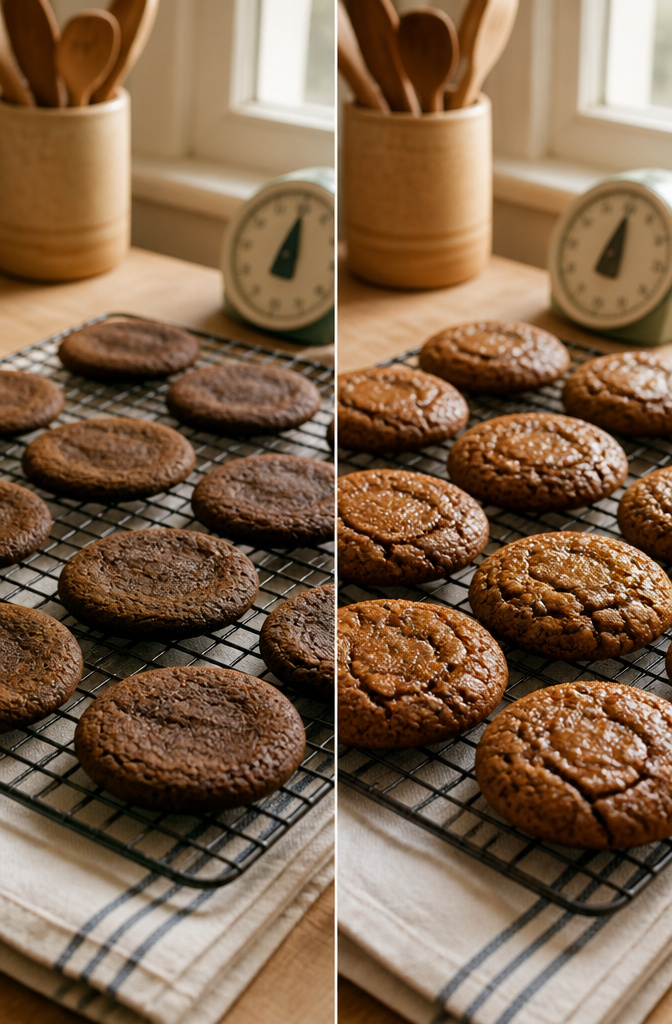
Bake these cookies for 8 to 15 minutes, and the exact minute matters more than you might expect. Pull them at 8 to 10 minutes and you get a softer, chewier center with just enough structure to hold together.
Push toward 13 to 15 minutes and the edges firm up into something crisp enough to snap but not crumble.
The visual cue is subtle: the edges should look barely set, the centers still slightly puffy and underdone when you open the oven. That is your moment to remove them.
They will keep baking on the hot sheet for another few minutes after you pull the pan, which is why the transfer to a cooling rack waits.
Let them sit on the baking sheet for 3 to 5 minutes; during that window they go from too-soft to just-right. Move them too early and they bend or break.
Wait too long and the residual heat overbakes the bottoms.
Chewy versus crisp is not a recipe difference so much as a time difference. The same dough yields both outcomes depending on how long you trust the carryover heat.
If you want that crackly exterior shell with a chewy interior, the oven needs to be fully preheated to 350°F so the outside sets fast while the middle stays soft and expands.
A cooler oven makes the cookie spread flat and lose those crinkles; a hotter one sets the bottom before the dough can spread, leaving you thick and underdone in the middle.
An oven thermometer is worth the drawer space, since most run off by about 10 degrees either way.
Why the Dough Needs Chilling
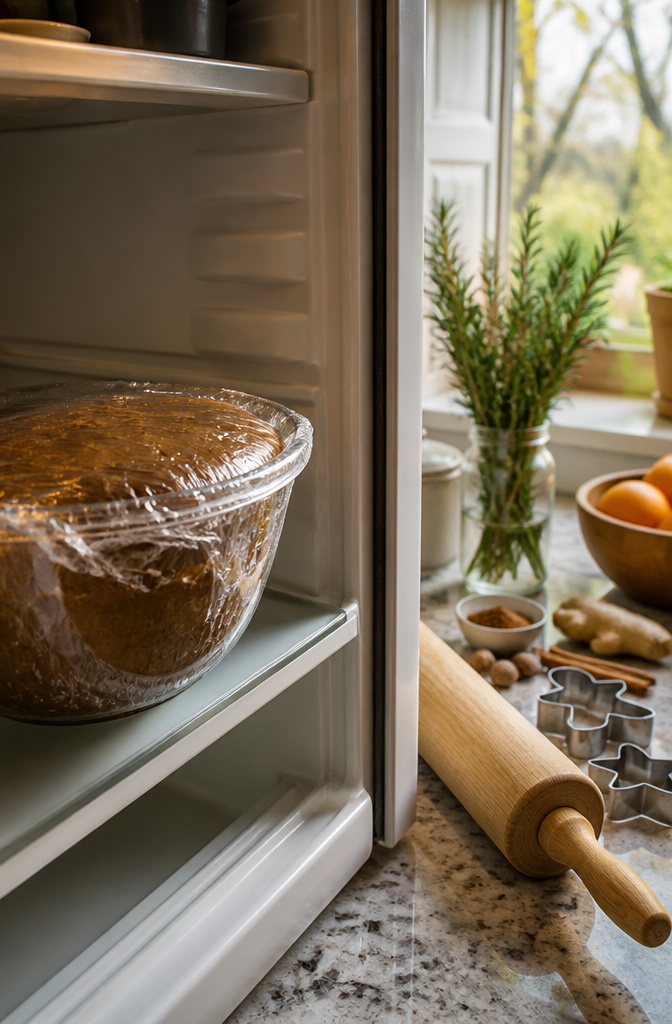
The dough turns sticky and soft the minute the molasses hits the butter, which is your cue to stop and chill.
At least 2 hours firms the butter enough that your gingerbread men keep their arms and legs through rolling and cutting, and the longer rest lets the flour fully hydrate so the dough behaves when you work it.
Some recipes call for 3 hours minimum, others say an hour will do in a pinch, and the truth is you can push it overnight or even two days without harm.
The cold also does a quieter job: it pulls moisture from the surface of the dough, concentrating the ginger and molasses so the baked cookie tastes like itself rather than flour paste.
Skip this step and your cutouts spread into puddles in the oven, edges blurring until every snowman looks like a snowball. Shape the dough into discs before it goes in the fridge; it chills faster and rolls easier after.
Frequently Asked Questions
What type of molasses should I use?
Use unsulphured molasses, not blackstrap. Grandma’s is the brand most bakers reach for, but any unsulphured bottle gives you the warm, rounded sweetness that carries the cookie.
Blackstrap is too bitter and strong for this dough and will ruin the batch.
How do I keep gingerbread cookies soft?
Pull them from the oven when the centers still look slightly underdone; they finish setting as they cool.
Store cooled cookies in an airtight container with a slice of bread tucked in alongside to keep the texture soft for 5 to 7 days.
How long should I chill the dough?
Chill for at least 1 hour and up to 3 hours. The dough turns sticky once the molasses hits the butter, so the cold firms the butter enough that your cookies keep their shape in the oven.
You can also push it overnight or even two days.
Can I freeze gingerbread cookie dough?
Yes. Freeze shaped dough balls on a baking sheet until solid, then bag them.
They hold for 2 to 3 months, and you can bake straight from frozen with just a few extra minutes on the timer. Thawing overnight in the refrigerator works too.
Can I substitute ingredients in gingerbread cookies?
Light molasses works; dark molasses pushes the flavor toward bitter and heavy. You can adjust the spice blend or add cardamom.
A one-to-one gluten-free flour blend produces a more crumbly bite. What fails is skipping the molasses entirely or using blackstrap because it is what you have on hand.