These morning healthy breakfasts range from overnight oats stirred together the night before to a frittata baked at 375°F, and how many minutes you have on your feet decides which one fits.
If you’re eating in the car or on the walk to the bus stop, pick food for one hand, such as a couple of egg bites, a breakfast cookie or an energy bar.
If you can sit, a savory plate such as avocado toast with garlicky mushrooms is worth the skillet. Overnight oats, chia pudding and a batch of breakfast muffins all move the work to the evening before.
1. Egg Bites

Brown paper liners make baked bacon egg bites easy to grab and go.
Cool the egg bites completely on a wire rack before bagging them, then pack 2 per bag so breakfast is ready to grab on the way out the door.
Eaten with your hands, they need no plate and no fork. That suits a commute or a school drop-off line.
2. Eggs
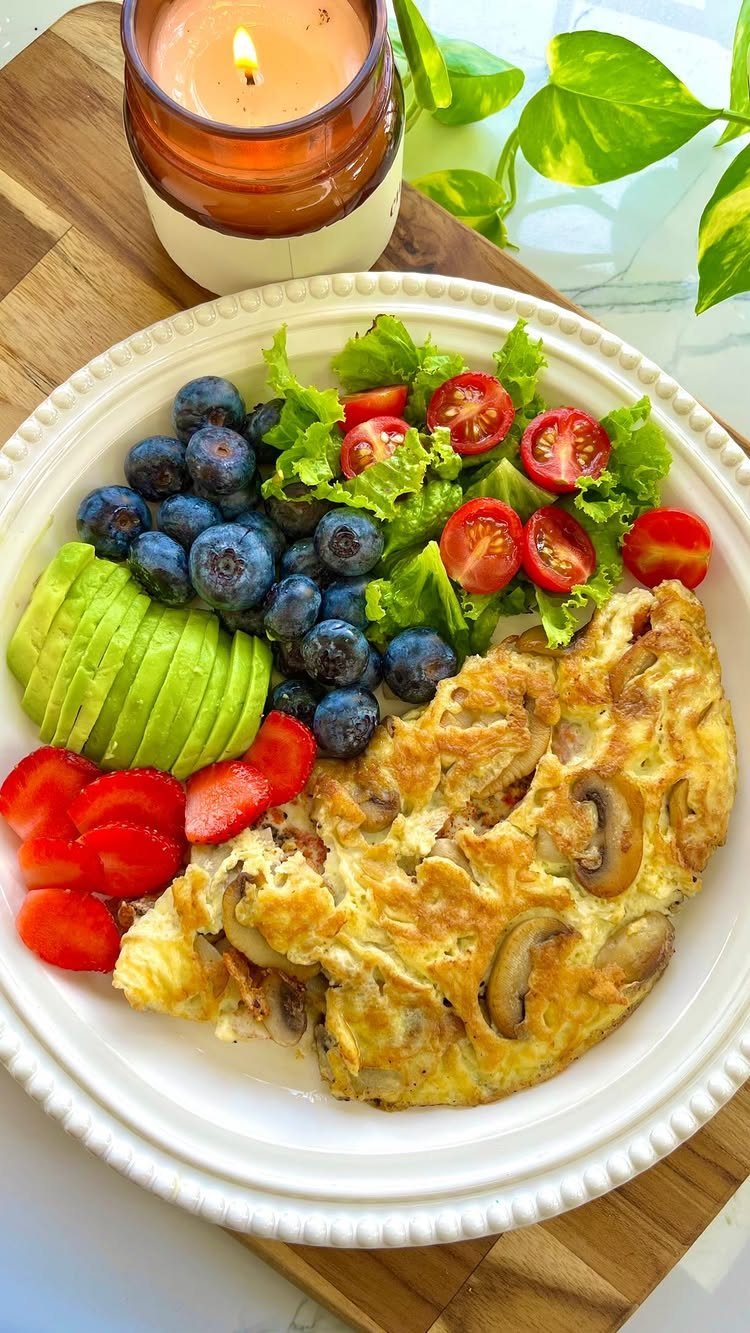
An omelet is the fastest way to turn eggs into a full plate. Folding mushrooms into the middle makes it savory and filling.
Sliced avocado and a handful of berries add fiber and healthy fat to eggs without any extra cooking. A salad at breakfast looks odd at first, but it uses up vegetables you already have.
Scrambled or fried eggs work the same way if you have fewer minutes.
3. Oatmeal
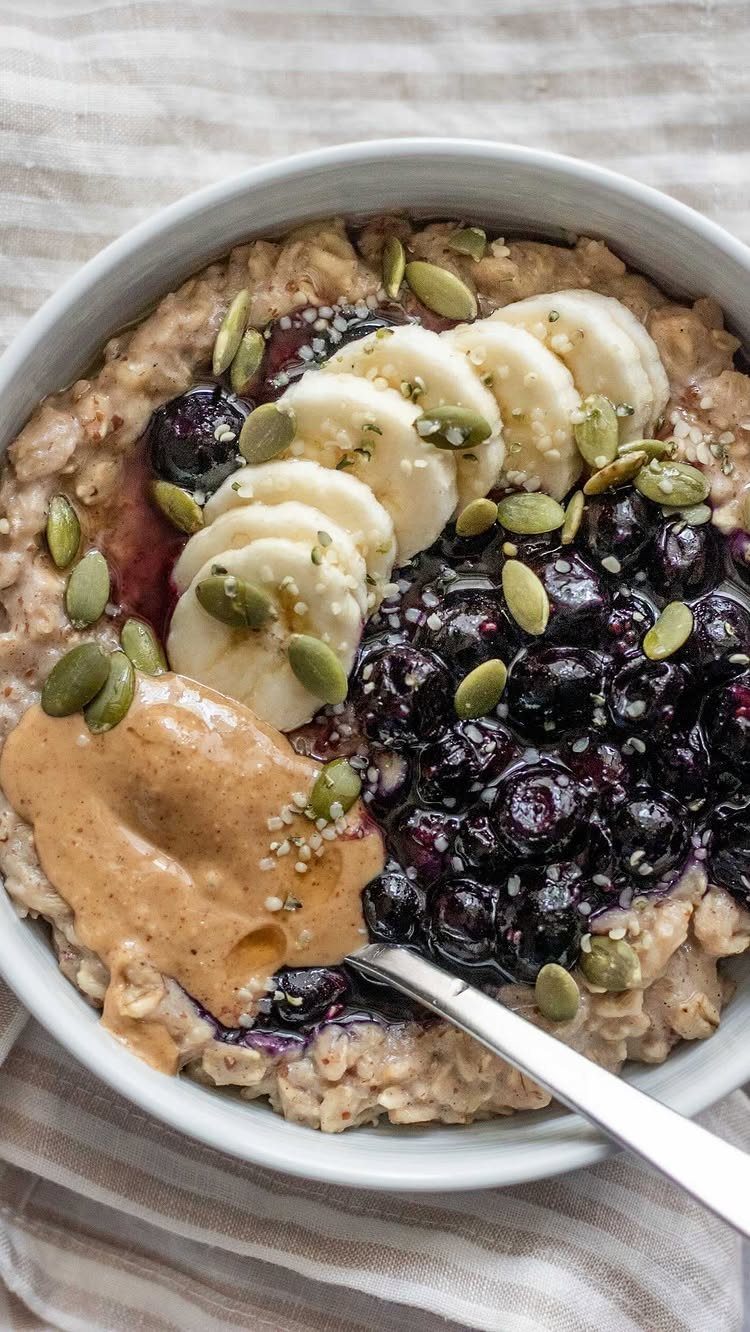
Oatmeal gets creamier when you cook it in plant milk instead of water. Use 1 cup of soy milk as the cooking liquid for a creamier bowl with more protein than water gives you.
Add a mashed banana to the pot for sweetness, then top the bowl with sliced banana, blueberries, pumpkin seeds, and a spoonful of nut butter. The seeds and nut butter give it some crunch and richness.
You can skip the sugar entirely, because the fruit does that job.
4. Greek Yogurt
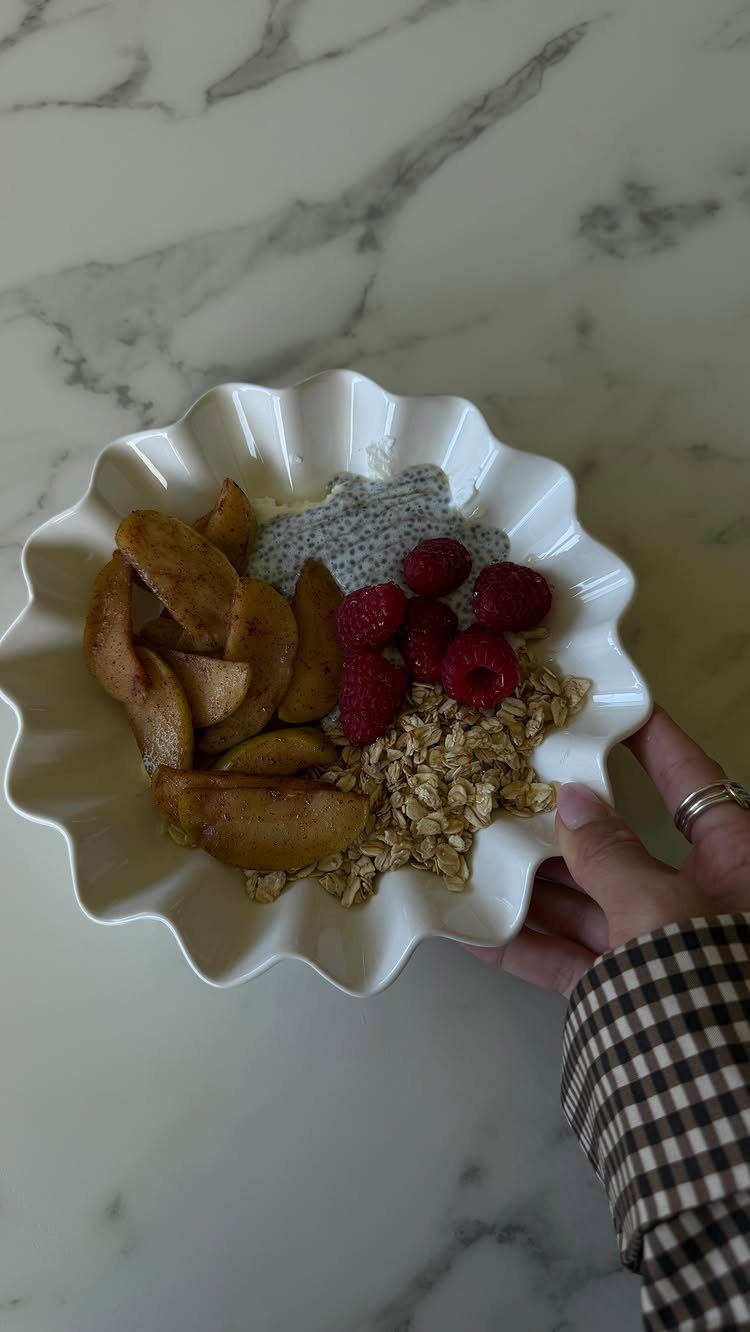
Plain Greek yogurt is a blank, tangy base, and warm fruit is what makes it feel like a real breakfast. Sautéed apple slices cooked with maple syrup and cinnamon until glazed are a good choice.
Raspberries, granola, and chia seeds add tartness, crunch, and fiber on top of the yogurt. The warm apples against cold yogurt is the best part of the bowl.
Cook the apples ahead and reheat them on busy mornings.
5. Breakfast Muffins
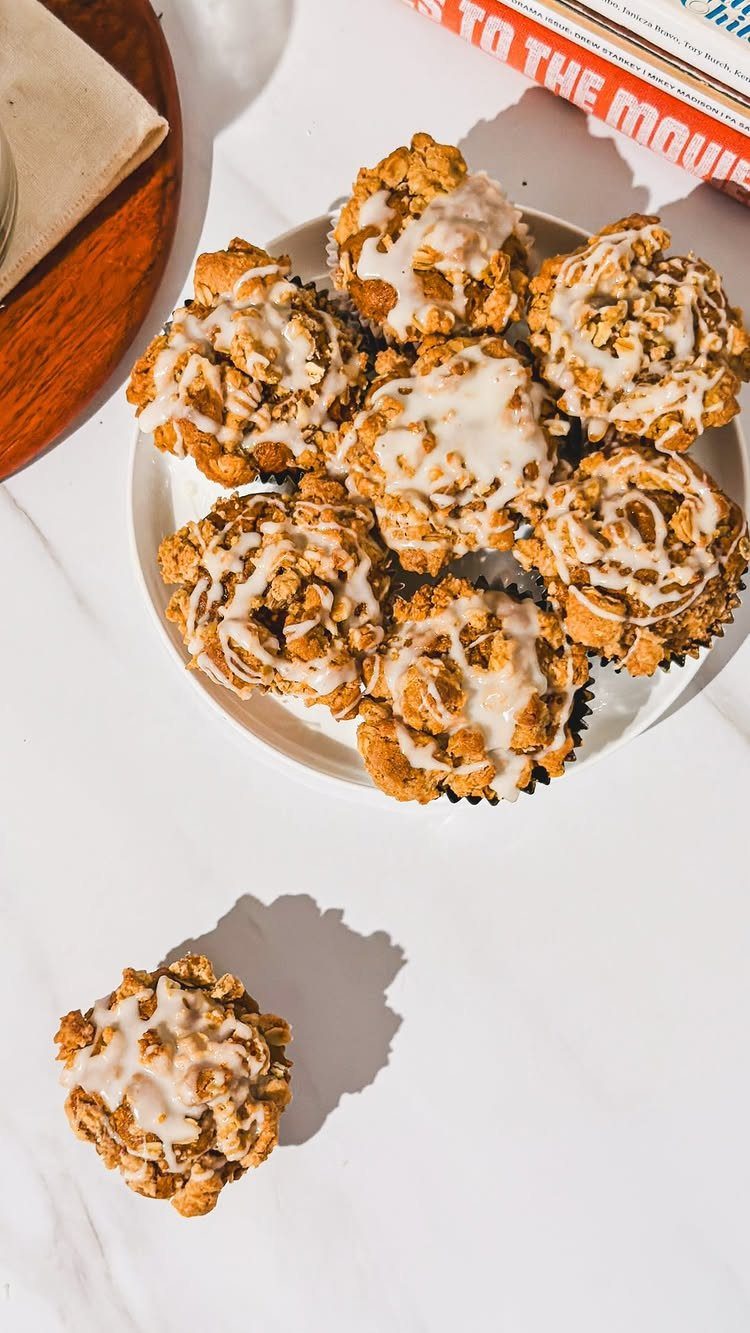
Make the oat muffins on a Sunday, freeze them once they’re cool, and pull one out on a weekday morning to reheat. Then breakfast is already done on a weekday.
A glaze and a handful of chopped nuts make them taste like a treat. They are still sweeter than an egg dish, so pair one with yogurt or a hard-boiled egg for protein.
Freeze them in a single layer first, then move them to a bag so they don’t stick together.
6. Frittata

Set the oven to 375°F, and a frittata takes very little attention once the eggs are in the pan. Whisk the eggs with a splash of milk or half-and-half, then add thinly sliced zucchini and red pepper.
Finish with chopped parsley. Slice it into wedges and serve it warm, or eat it cold from the fridge.
Any vegetable leftovers work here, so it’s a good way to clear out the crisper drawer.
7. Breakfast Oatmeal Cups
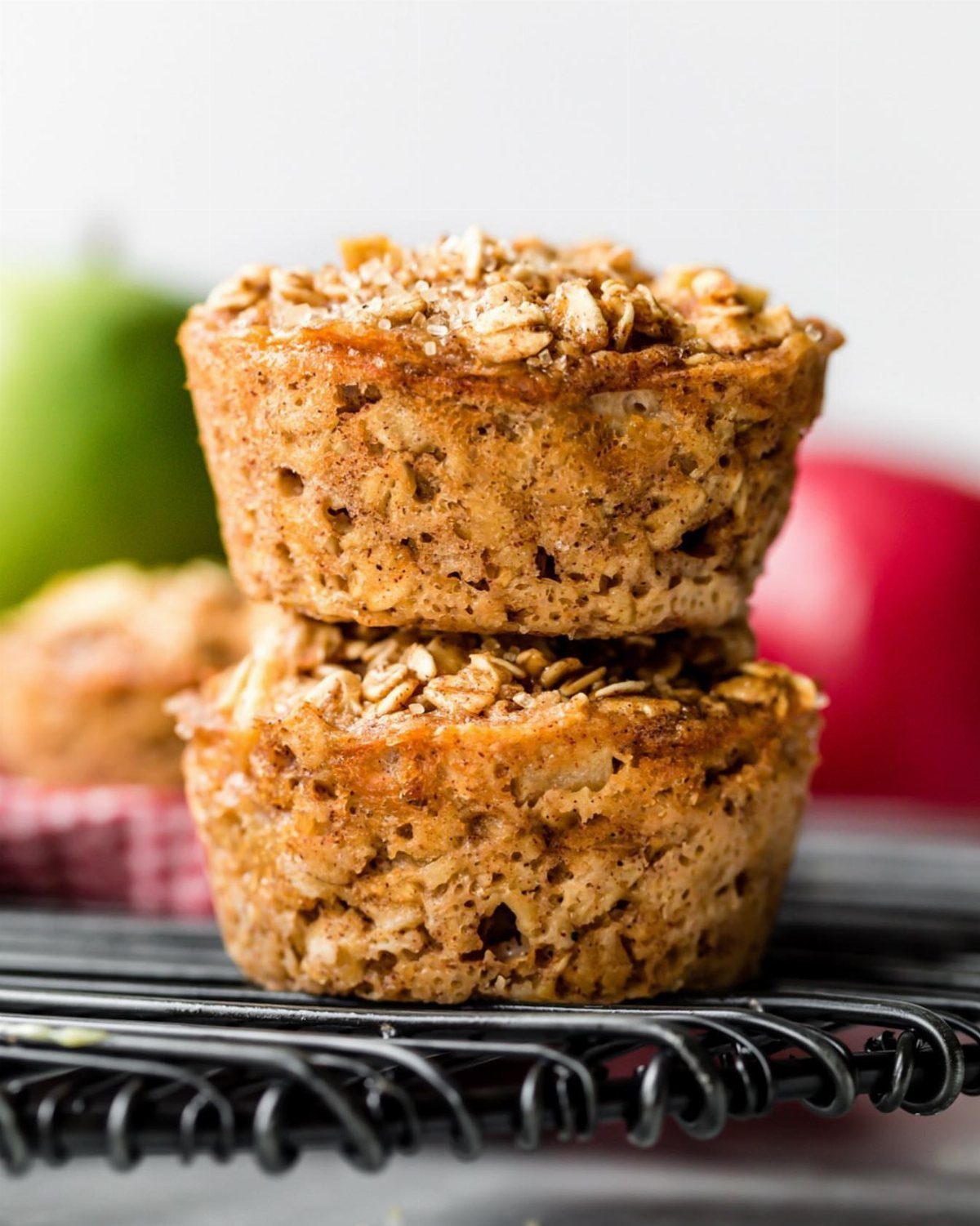
Baking oatmeal in individual cups turns a spoon-and-bowl breakfast into something you can eat with one hand. Each cup is a single serving, so there is nothing to scoop or portion on a rushed morning.
Oats scattered on top give the cup a slightly toasty finish, which is worth the extra few seconds.
8. Apple Cinnamon Oatmeal
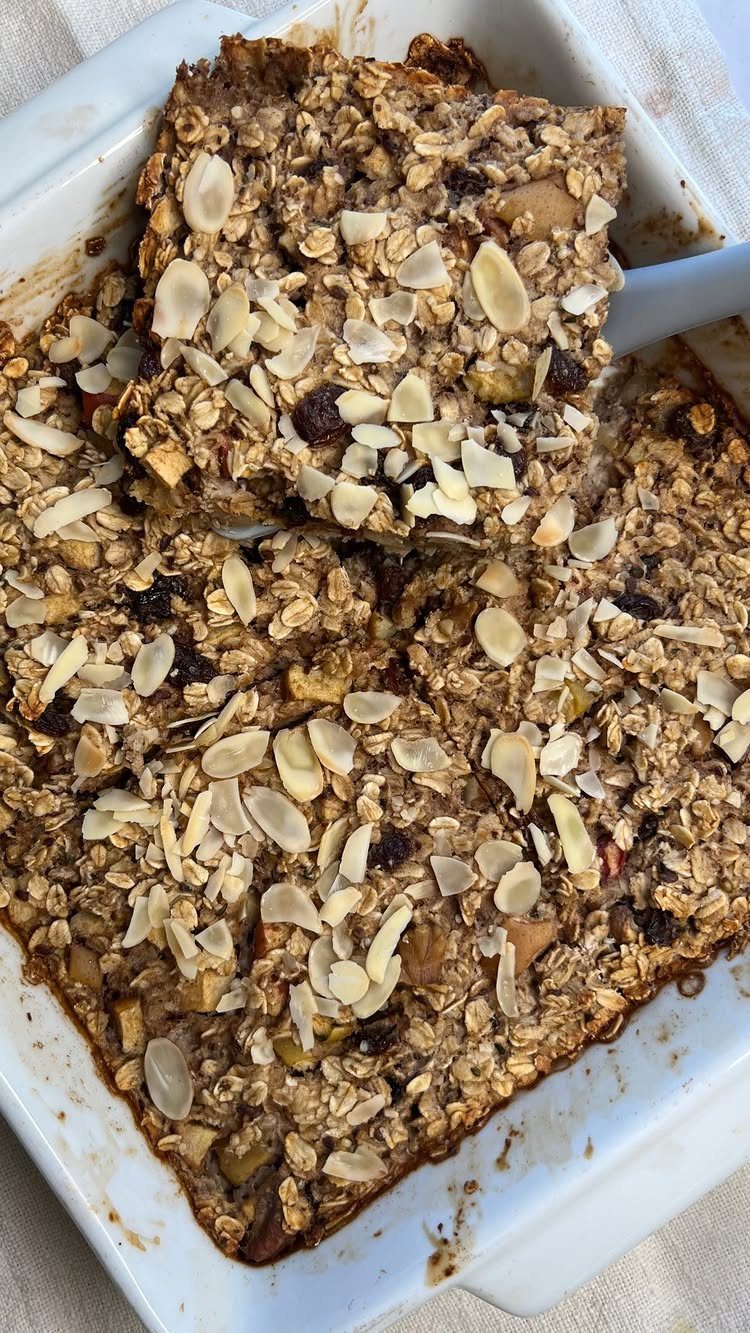
Cut into squares and lifted out with a spatula, baked apple cinnamon oatmeal feels more like a bar than a bowl. Chunks of apple and sliced almonds on top add soft and crunchy in the same bite.
Let the pan sit 15 minutes before cutting so the squares hold together. Vanilla yogurt spooned over each piece, dairy or plant-based, adds a cool, creamy contrast.
9. Zucchini Bread
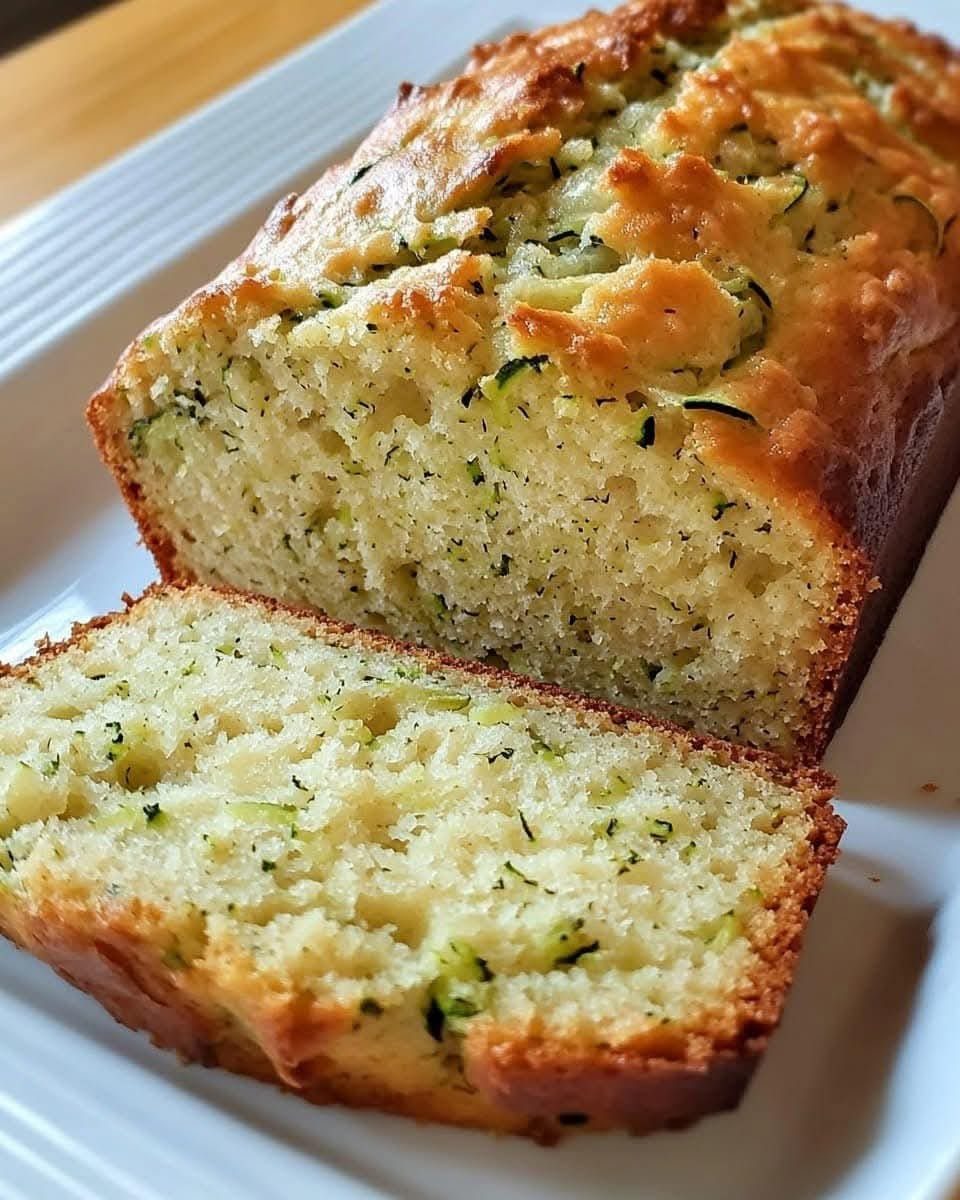
Zucchini bread is a quick bread, so it needs no yeast and no rising time: stir, pour, bake. It’s also a practical home for the extra zucchini that piles up on the counter in summer.
Cut a slice as thick as you like and eat it from a plate or from your hand. It suits a slower morning better than a rushed one, since it’s more of a sweet bread than a full breakfast.
10. Pumpkin Bread
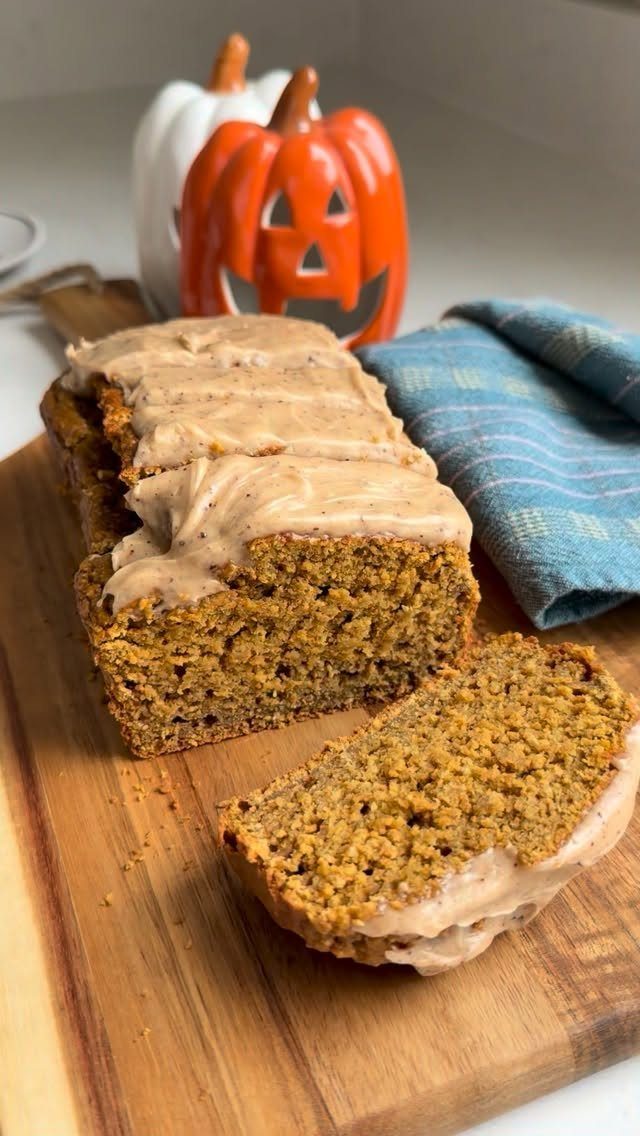
Frosting turns pumpkin bread into dessert, so save it for weekends or holiday mornings. On a weekday, a plain slice is the better breakfast.
If you do frost it, wait until the loaf is fully cool or the frosting will slide off. Cut thick slices and serve them on a board, which keeps the loaf looking good on the table.
11. Overnight Oats
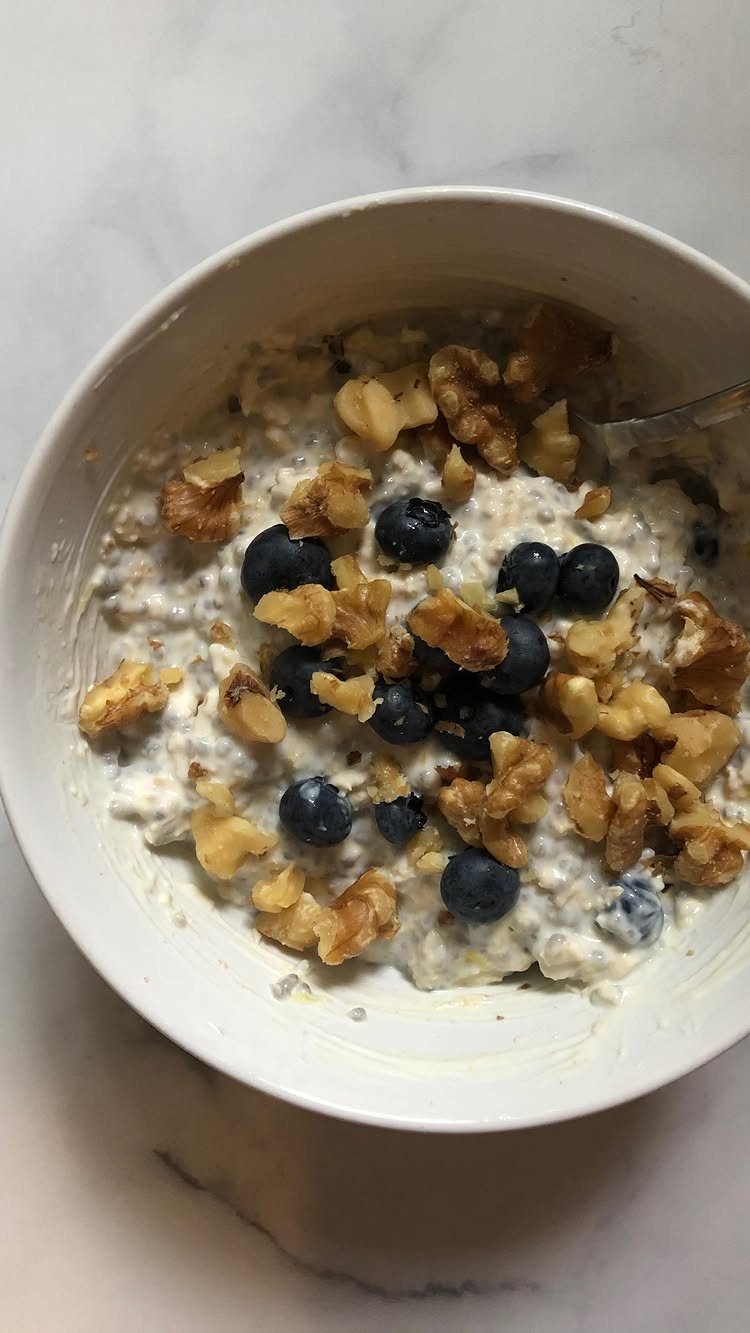
Stir the oats with your liquid and toppings, then let the jar or bowl sit in the fridge for at least 1 hour, or overnight. Nothing gets cooked, so there is no pot to wash.
Blueberries and chopped walnuts are an easy pairing: the berries add sweetness and the nuts add crunch. Add the walnuts right before eating if you want them to stay crisp.
Make it before bed and breakfast is waiting.
12. Chia Pudding
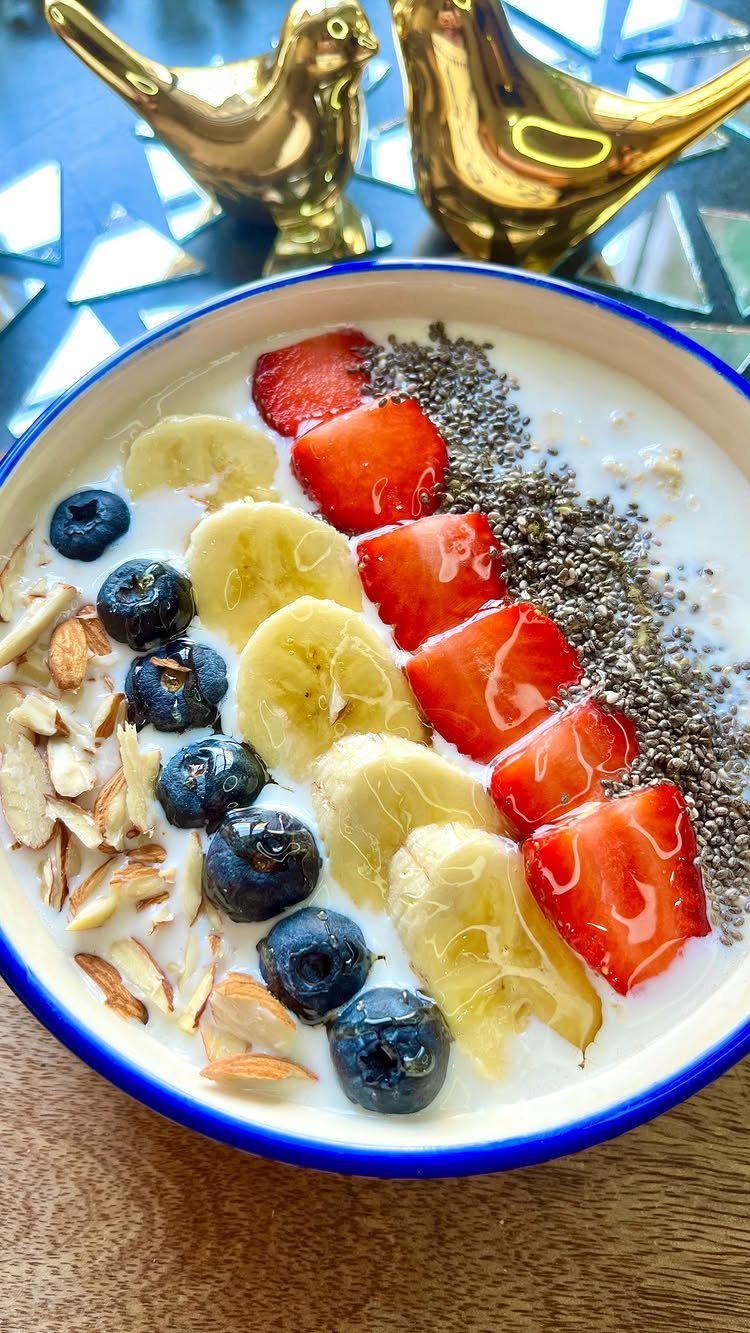
Chia pudding is a make-ahead breakfast: mix it the night before and it’s set by morning. Chia seeds swell and thicken whatever liquid they sit in, which is why it needs time in the fridge.
Adding the almonds at the last minute keeps them crunchy against the soft pudding.
13. Whole Grains
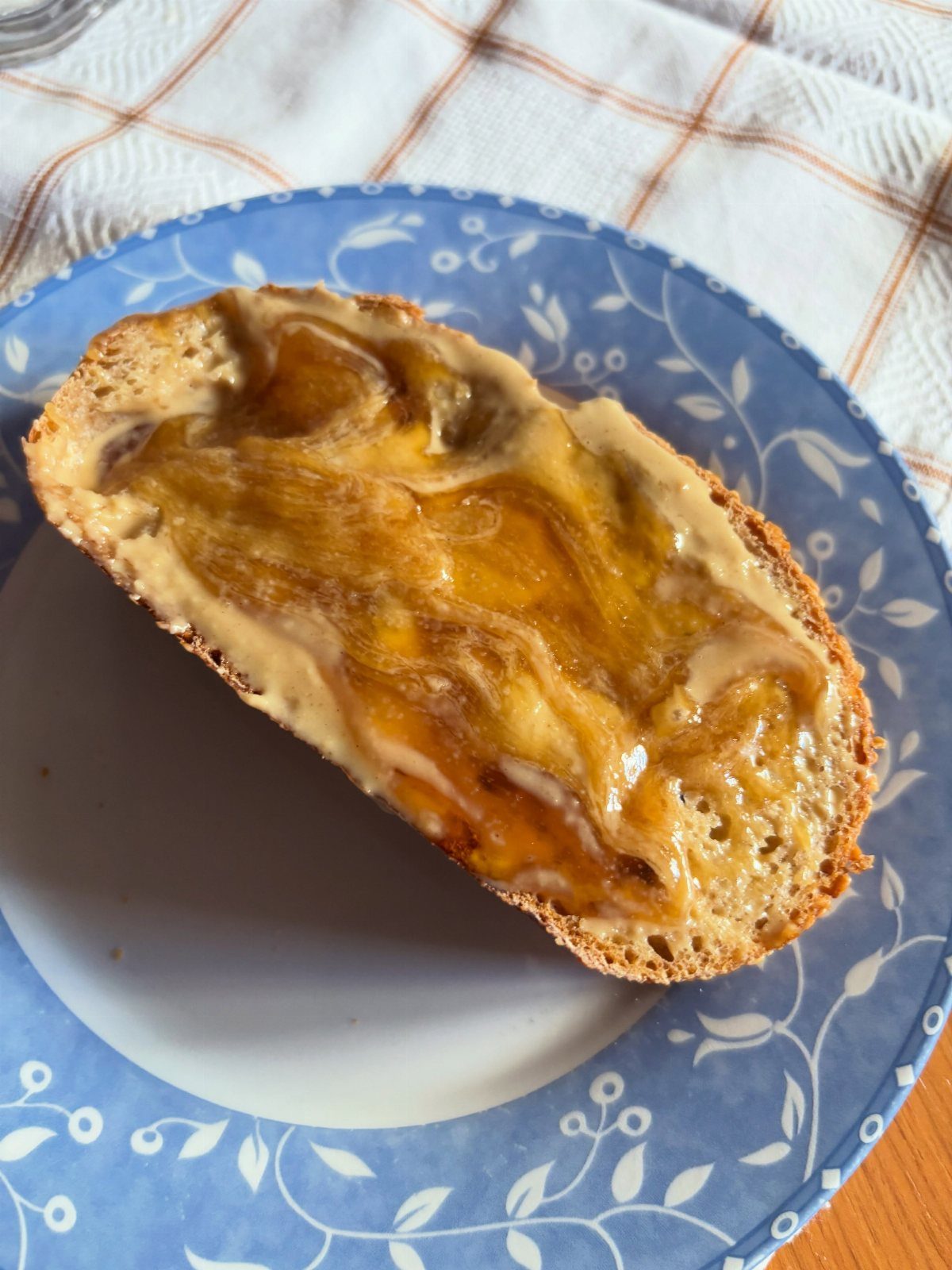
Whole grain toast is the quickest way to get fiber into a rushed morning. Butter and jam is the sweet route, and it takes about as long as the toaster does.
For a savory plate, top the same slice with something like sliced tomato or a fried egg instead.
Pick a loaf where whole grain is the first ingredient on the label, and toast it until it holds its shape under a heavy spread.
14. Energy Bars
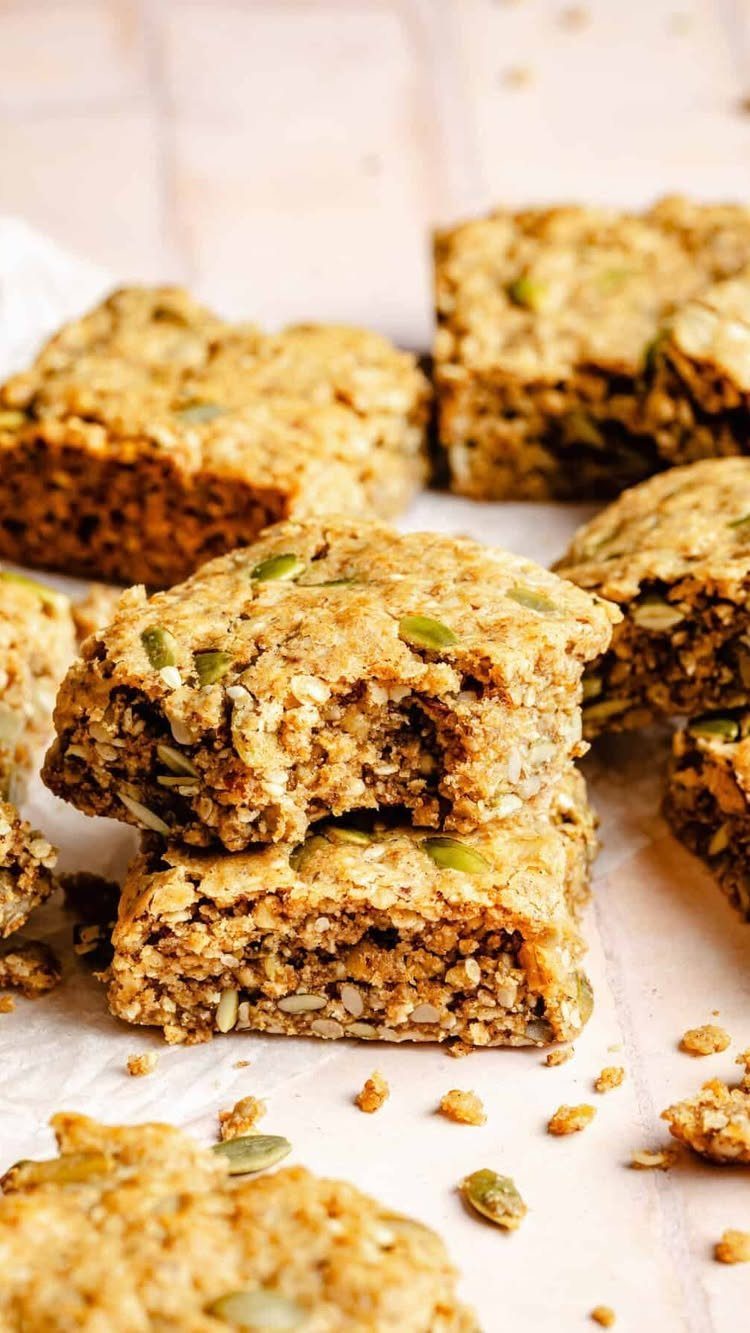
Energy bars are a bake-ahead breakfast for mornings when you won’t sit down at all. Oats and seeds give the bars their chew and crunch, and a pan of them covers several days.
Cool the pan completely before cutting, or the bars crumble. Stack the cut bars with parchment between layers so they don’t fuse together, then store them in a container.
A bar alone is light, so pair one with a piece of fruit or a cup of yogurt if you won’t eat again for a while.
15. Avocado Toast
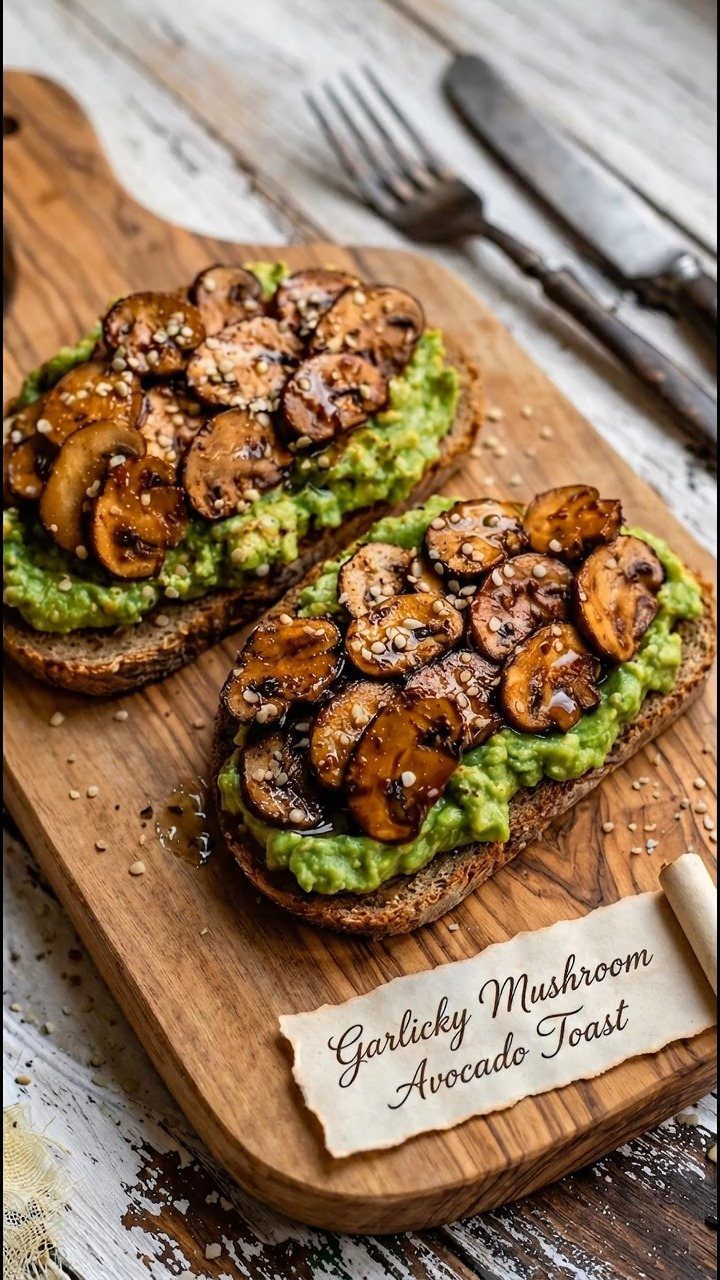
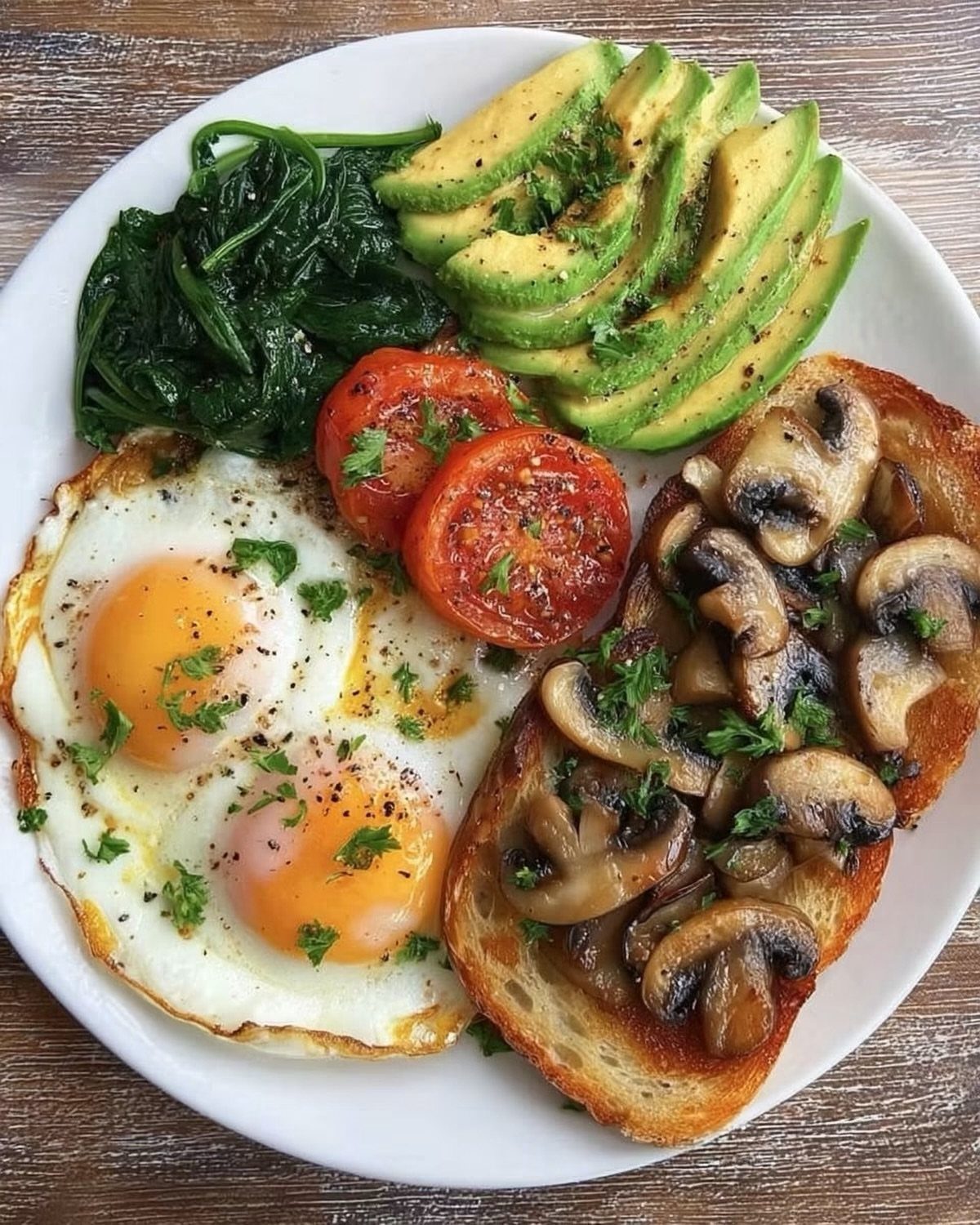
Garlicky sautéed mushrooms turn avocado toast into something closer to a hot meal. Cook the mushrooms in a skillet with garlic until they’re browned and soft, then spoon them over mashed or sliced avocado on sturdy toast.
Because the mushrooms go on warm, the toast has to be crisp enough to hold them without going soggy. Eat it right away, with a fork and knife if the pile is tall.
Add a fried egg on top if you want more protein.
16. Breakfast Cookies
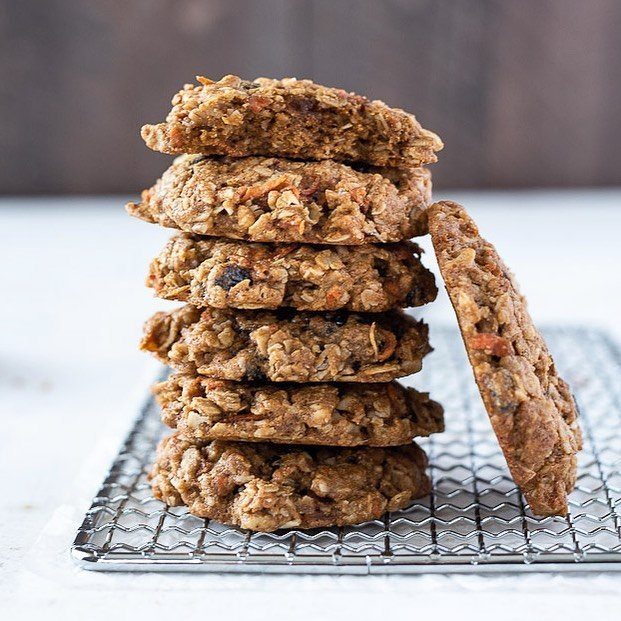
Breakfast cookies are oat cookies you can justify before work, since the oats, fruit and nuts do the job of a bowl of oatmeal.
Oats give them a hearty, chewy bite, and a stack on the counter means breakfast is a grab-and-go move.
Let them cool on a wire rack so air reaches the bottoms and they stay firm instead of steaming soft. Seeds stirred into the dough add crunch and some staying power.
They are still cookies, so eat one with a glass of milk or a piece of fruit rather than on its own.
Build a Balanced Breakfast
Check any breakfast plate against 4 things: protein, a fiber-rich carbohydrate, a fruit or vegetable, and a healthy fat. Together they keep hunger away longer and give you steadier energy through the morning.
Hitting all four at every meal isn’t required. Two or three is a solid start, and the fruit or vegetable also brings fiber and antioxidants.
A late breakfast still counts. Eating one is linked to a lower risk of heart and metabolic problems.
When you reach for packaged foods, read the nutrition label and check the sugar, salt, and fat. Heavily processed breakfast foods may raise triglycerides, a blood fat that affects heart health.
America is a nation of breakfast-eaters: Surveys suggest than on any given day, about 85% of adults report having eaten a morning meal. But eating something and eating well can be two very different things.
Plan Ahead for Busy Mornings
Plan to eat hard-cooked eggs within 7 days of boiling them.
A container of pre-cooked grains and roasted vegetables from the fridge becomes a savory bowl in about the time it takes to pour coffee.
Other fast combinations built on leftovers:
- Leftover roasted vegetables or kimchi folded into scrambled eggs and rolled in a whole-wheat tortilla.
Choose Less Processed Foods
Sausage, bacon, and ham all fall in the heavily processed group, so save them for an occasional breakfast. They carry preservatives, a lot of sodium, and saturated fat, so keep them occasional and the portions small.
For everyday protein, chicken breast, turkey, or plain roast beef are lower-sodium choices. Skip deli lunchmeat, which is high in sodium.
Check the label on boxed cereal: look for a short ingredient list, 100% whole grain as the first ingredient, and 5 grams of sugar or less per serving.
Cereals built on refined flour and added sugar pack in calories but rarely hold you until lunch.
Pastries fall in the same group. Bottled juice is often high in sugar too, so eat whole fruit or squeeze your own.
Frequently Asked Questions
What is a healthy breakfast to have in the morning?
A balanced plate pairs protein with a high-fiber carb, adds fruit or vegetables, and finishes with some fat from nuts, seeds, avocado, or olive oil.
Hitting 2 or 3 of those 4 on a given morning is a solid start. Eaten together, they slow digestion, so you stay full into late morning without a midmorning energy dip.
An omelet folded around mushrooms with sliced avocado on the side, or oatmeal cooked in 1 cup of soy milk and topped with banana and nut butter, covers most of them.
What is a good first thing to eat in the morning on an empty stomach?
Pick something filling and nutrient-dense, such as eggs, whole grain toast, whole fruit, or a handful of nuts.
Foods like these hold off hunger longer than sugary ones. Toast a slice of whole grain bread, fry an egg while it browns, and stack them: about 5 minutes and one pan.
What are breakfast foods?
Breakfast foods are the dishes people usually eat in the morning, such as eggs, oatmeal, Greek yogurt, whole grain toast, muffins, and quick breads.
Baked dishes like frittata, egg bites, and oatmeal cups work too. Many can be made ahead, like overnight oats and chia pudding, which is why they suit busy weekdays.
Which foods should I avoid for breakfast?
Pastries and sweetened cereals made from refined flour digest fast and leave you hungry again, and processed meats like bacon, sausage, and ham are heavy in sodium, so save them for now and then.
They’re high in calories, sugar, sodium, or saturated fat, and they rarely keep you full until lunch. Bottled juice gives you the fruit’s sugar without its fiber, so a whole orange or a bowl of berries is the better pick.
Why is breakfast so important?
A balanced morning meal supplies energy and fiber and helps keep hunger in check. It still varies from person to person, and a late breakfast counts as well.