
Your occasion decides which of these to bake: height suits birthdays and holidays, while potlucks and school parties reward speed and easy slicing.
The ideas run from a sheet cake frosted in its pan, or a tray of cupcakes, to a tall stack with ganache between the layers.
The frostings and toppings then set how rich the cake tastes and how much work stands between you and the table.
1. Buttercream Ganache Frosting
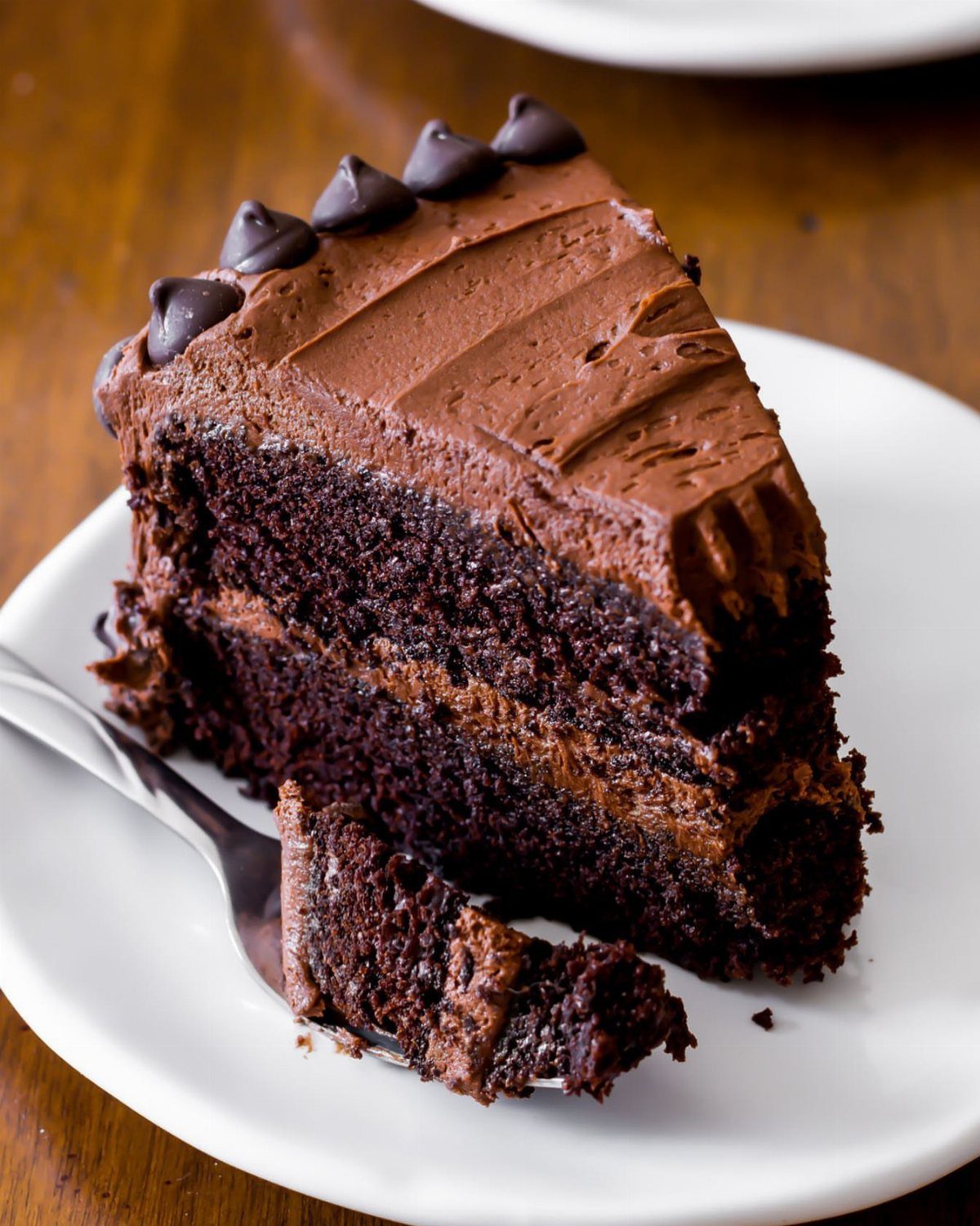
Ganache, butter and cocoa get beaten into one frosting, which gives you a fudgy spread instead of a glossy pour. It’s thick enough to swirl, so pile it on generously.
Chocolate chips scattered over the top add a little texture against the soft frosting. This is the version for people who want frosting to be the main event.
2. Chocolate Ganache Frosting
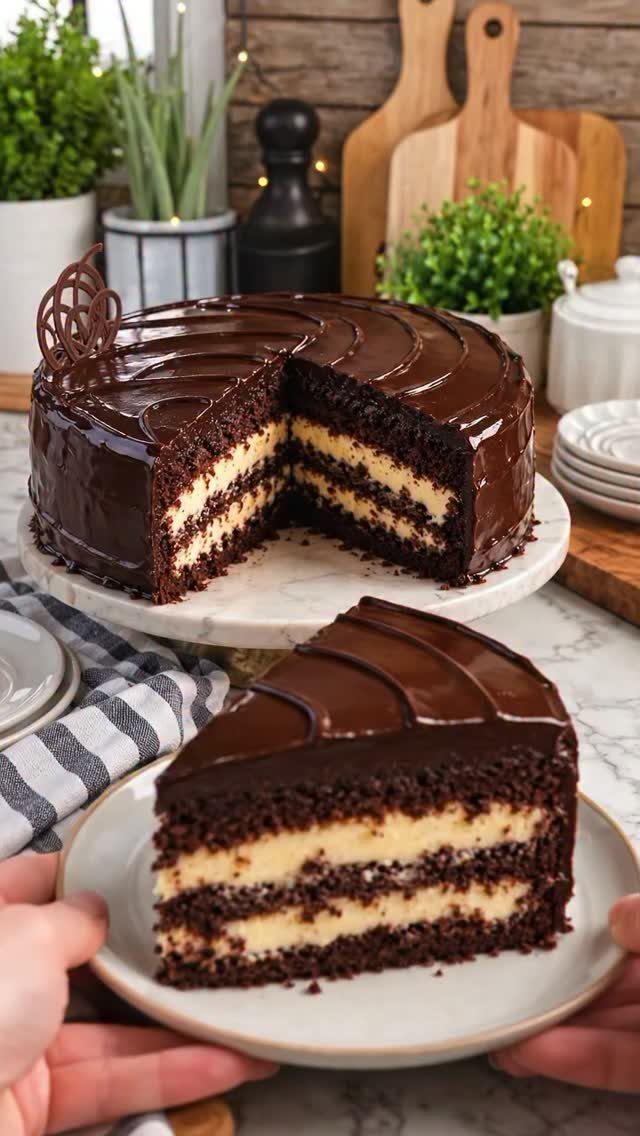
Chocolate and cream melted together make a ganache with a shiny finish, and it can do 2 jobs: fill the layers or coat the outside.
Using it for both gives you a very chocolate cake. Frosting the outside with ganache and filling with something creamy gives contrast in every bite.
For a cake on a stand, the smooth, glossy surface looks finished without any piping or decorating.
3. Three-Layer Cake
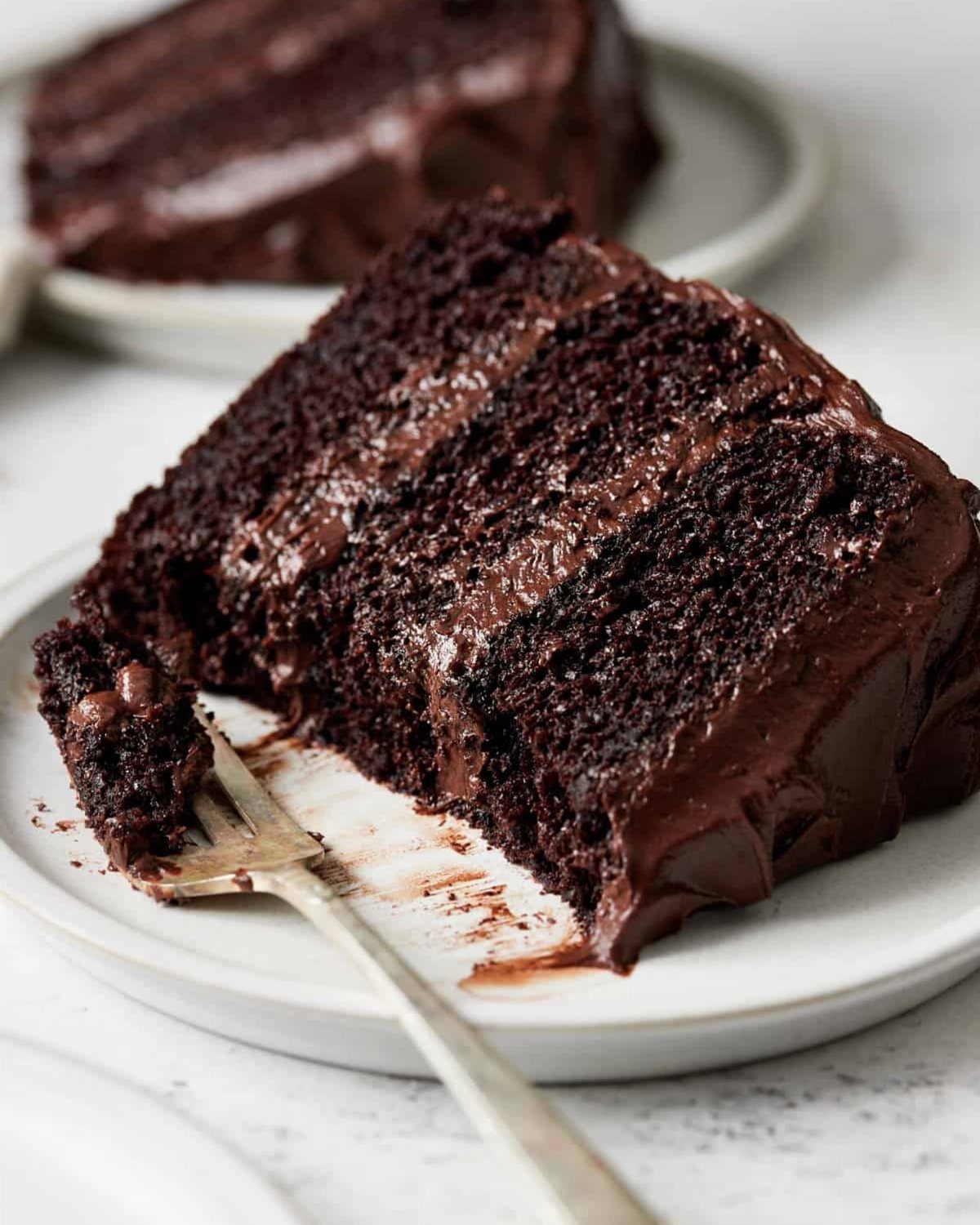
Stacking 3 rounds with frosting between each pair gives you the tall, bakery-style slice. It takes more pans or a second round in the oven, plus more frosting to cover the extra layers.
Spread the frosting evenly between layers so every slice has the same ratio of cake to filling. Pick this for birthdays and holidays, when height is part of the occasion.
4. Two-Layer Cake
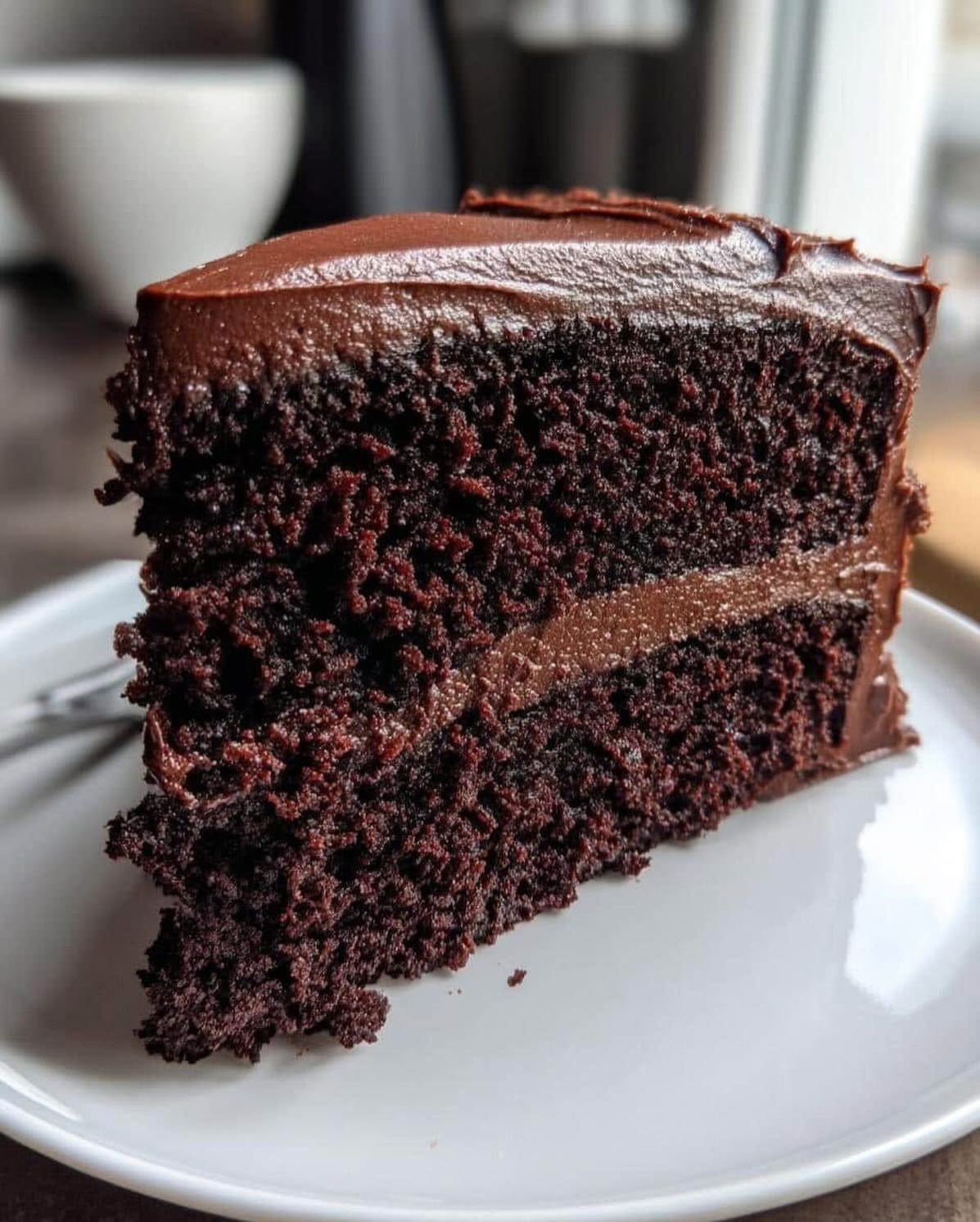
Fewer layers means less work. Two rounds with frosting between them is the easiest way into layer cake, with only one filling layer to spread and one stack to level.
It also needs less frosting than a taller cake. If you’re baking on a weeknight or for a small group, this is the one to make.
5. Chocolate Cupcakes
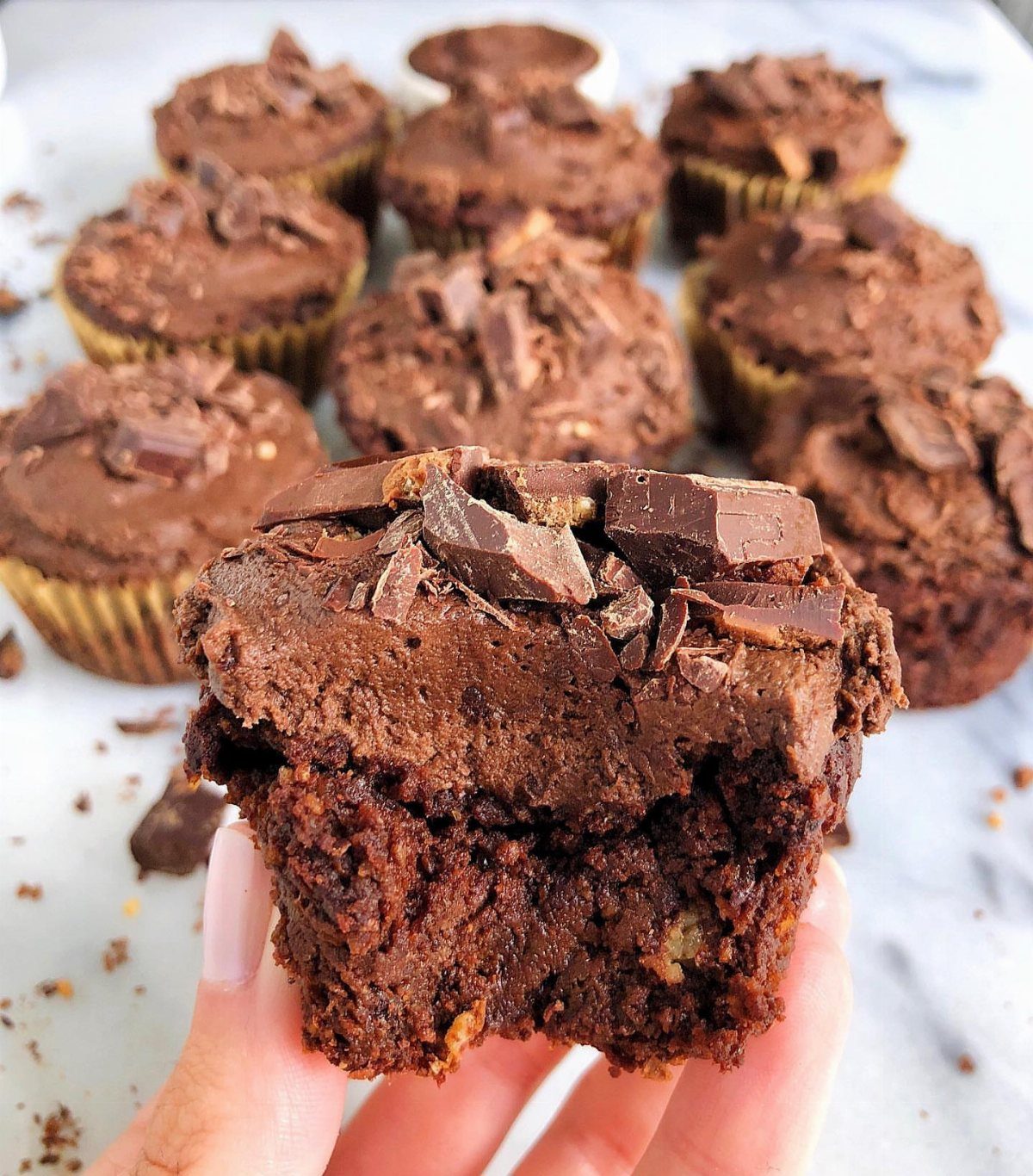
Cupcakes skip the slicing and the stacking: the same chocolate batter gets portioned into a muffin pan and baked as individual servings. That makes them easy to carry to a party and easy to hand out.
Top each cupcake with a swirl of frosting and a few chocolate shards, which you can make by running a vegetable peeler down the side of a room-temperature chocolate bar.
Cleanup is lighter too, with no cake stand and no cutting board covered in crumbs.
6. Fudgy Chocolate Layer Cake
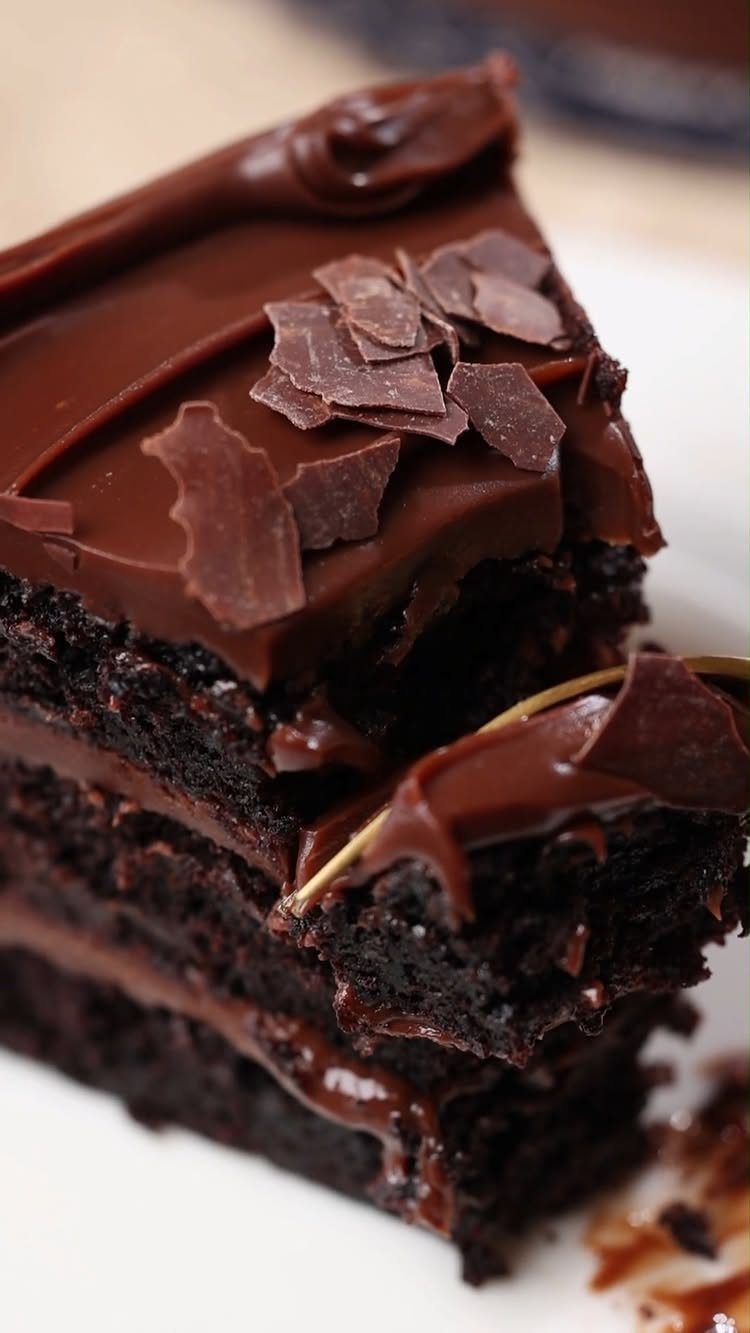
A fudgy layer cake leans dense and rich, so it pairs best with thick frosting rather than a light whipped one. Chocolate shavings on top add a bittersweet finish without extra sweetness.
Choose this version when you want a cake that eats closer to a brownie than a fluffy sponge. Serve small slices; it’s rich.
7. Chocolate Curl Topping
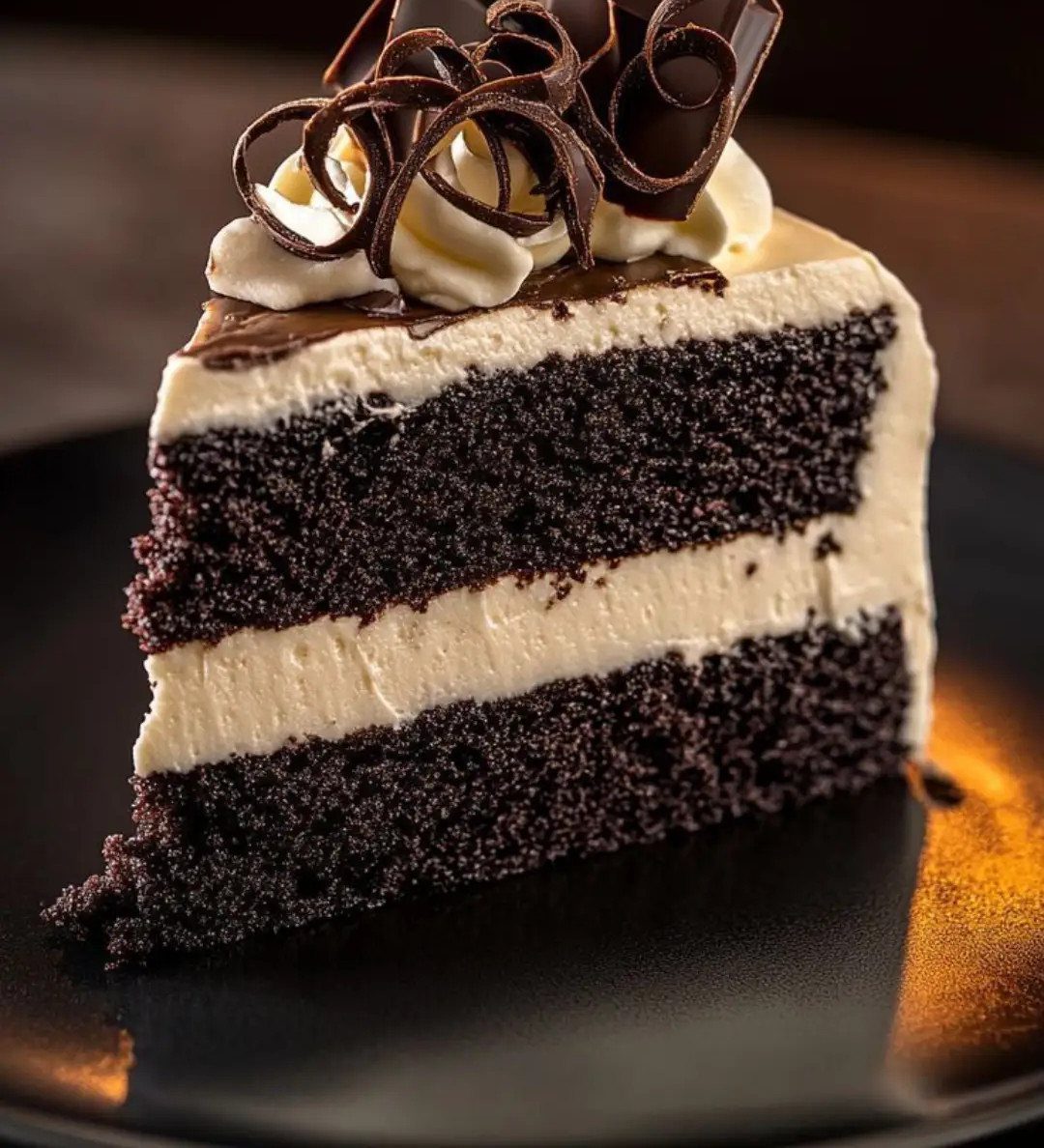
Chocolate curls are the quickest way to make a plain frosted cake look like it came from a bakery case.
Use a room-temperature chocolate bar and a vegetable peeler, and pull the blade slowly along the narrow edge of the bar. Pressing harder gives you shards, not curls.
Pile them in the center, or cover the whole top. Chilled chocolate cracks, and warm hands melt it, so work from a bar you’ve held as little as possible.
8. 9-by-13 Sheet Cake
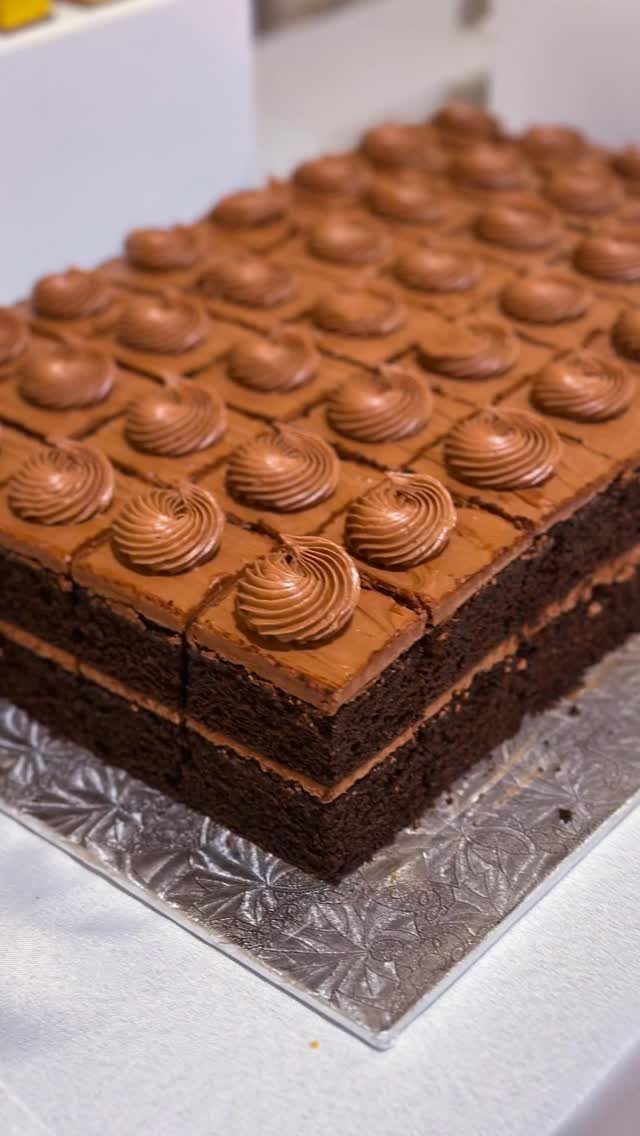
A 9-by-13 pan turns the same chocolate batter into a cake with no stacking, no leveling and no layers to slide around.
Frost the cake right in the pan for the easiest route, or turn it out onto a tray if you want to carry it to the table.
One home baker used 2 half sheet cakes for a bigger crowd, which is worth copying if a single pan won’t feed everyone. Cut it into squares and serve it straight from the tray.
Pick this for potlucks and school parties, where speed and easy slicing beat height.
9. Dark Chocolate Frosting
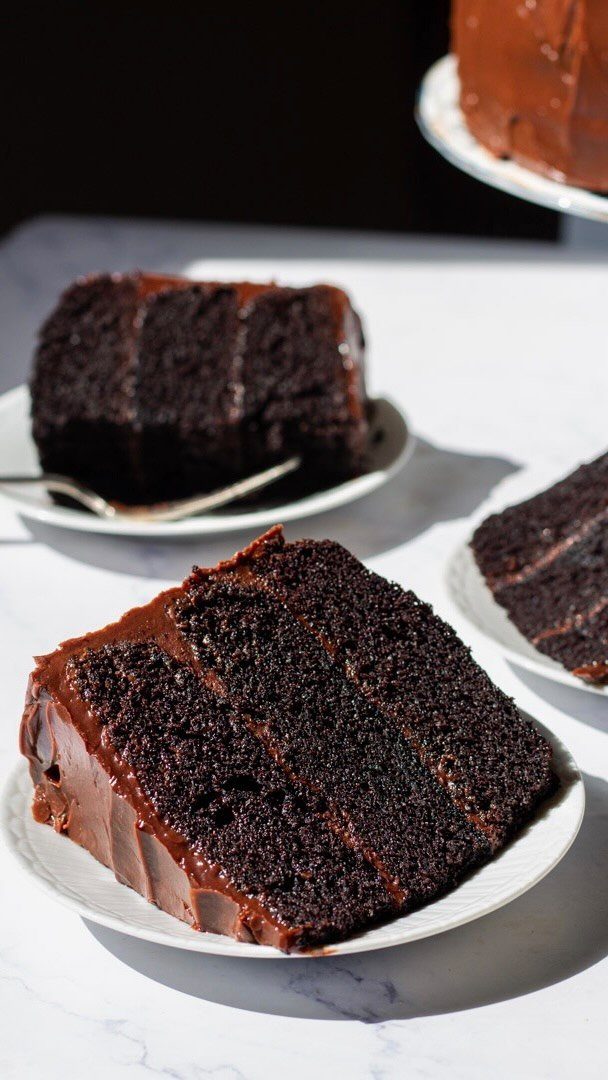
Dark cocoa gives frosting a deeper brown and a more bitter, grown-up chocolate flavor than regular cocoa. Beat it into butter and powdered sugar, and the color will look nearly black against the lighter crumb inside.
Because the flavor is stronger, the frosting balances a sweet cake well. Spread the frosting thickly between all 3 layers so each slice gets a strong stripe of it.
Sift the cocoa before you mix it in, because lumps will not beat out once they are in the frosting.
10. Chocolate Chip Topping
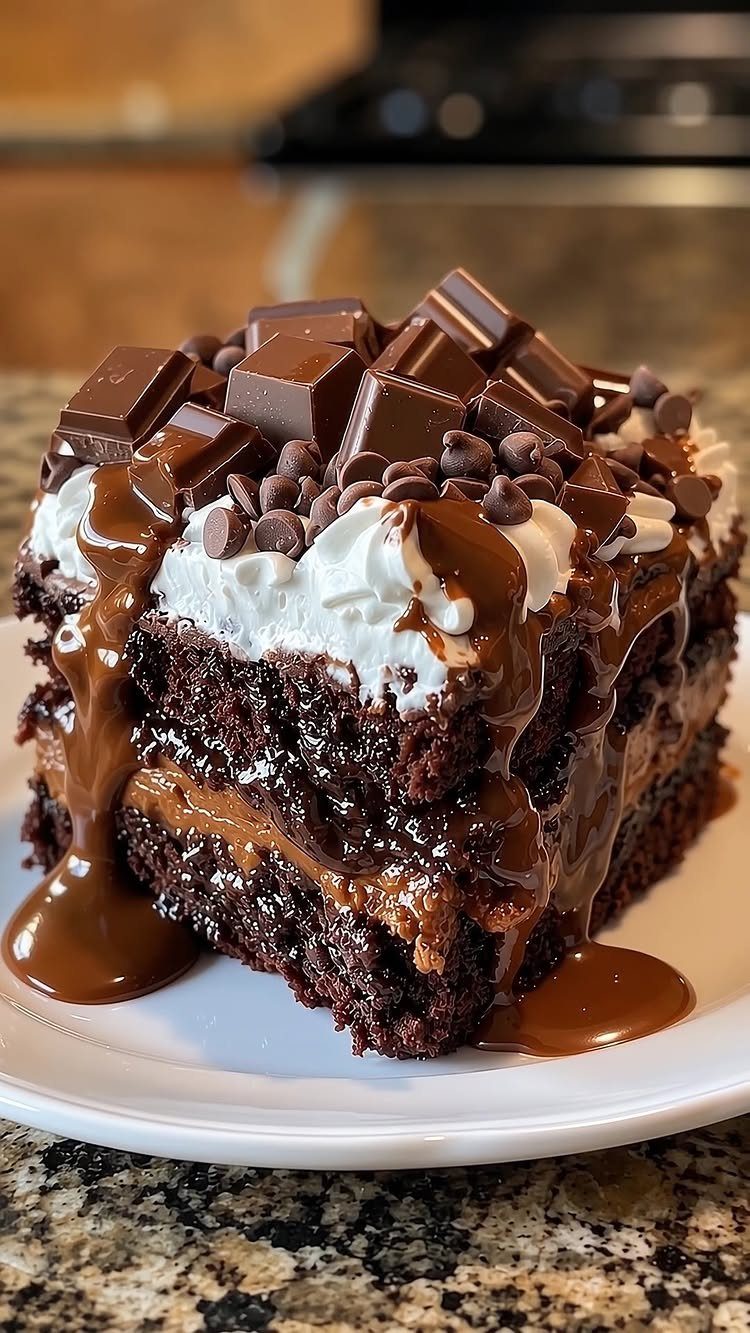
Mini chocolate chips scatter evenly over a cake and give every bite a small crunch, which larger chips can’t do. Press them gently into the frosting so they stay put when you slice.
You could copy all of it, but the chips alone are the easiest part, since they come straight from the bag with no chopping.
11. Chocolate Drizzle
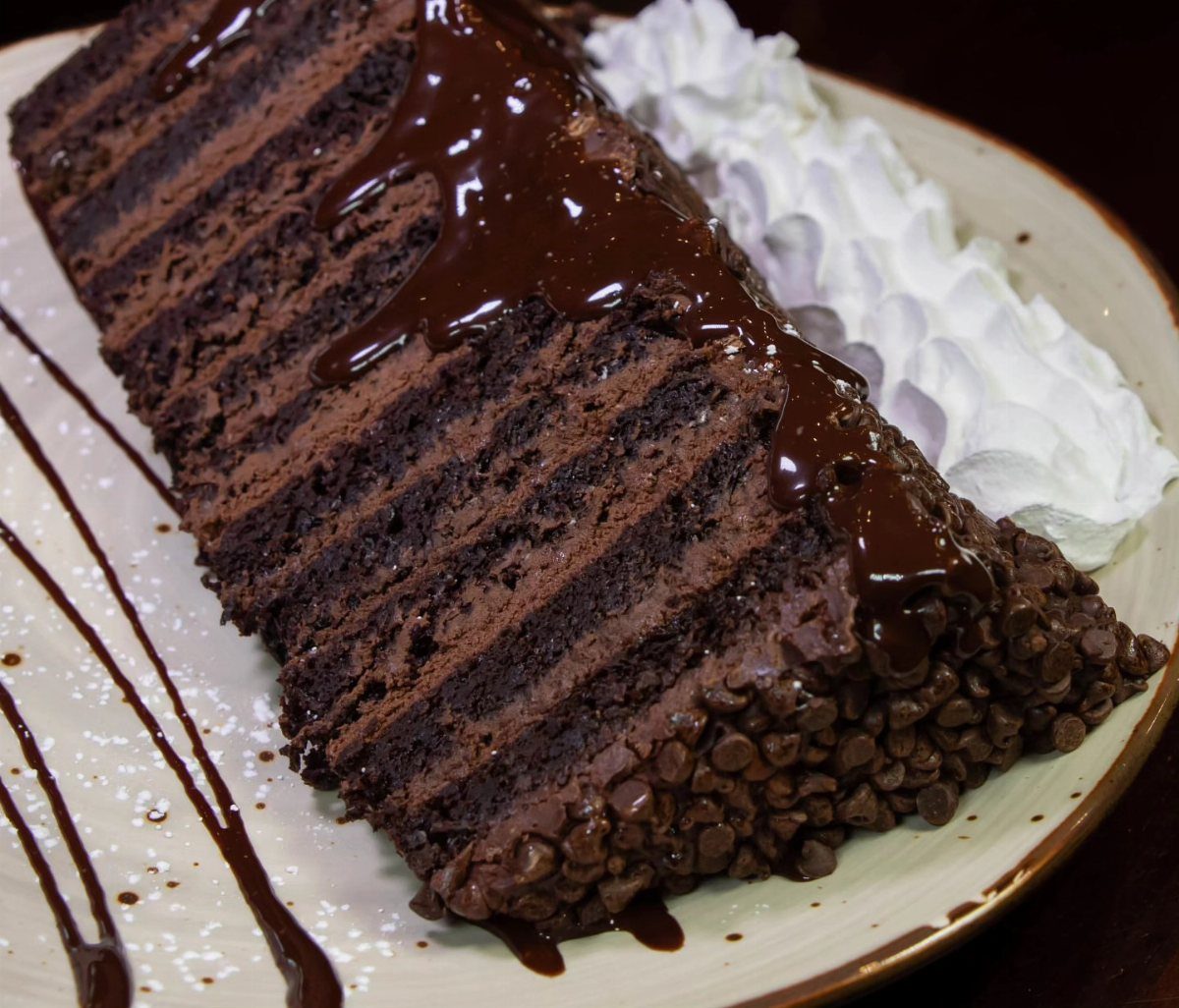
A drizzle is melted chocolate, streaked over the finished cake in thin lines.
Melt the chocolate gently, in short bursts in the microwave or over a pan of barely simmering water, then let it cool until it thickens slightly so it falls in ribbons instead of running off.
Spoon it from a fork or snip the corner off a zip-top bag for thinner lines.
Add it last, after the frosting has set, so it stays on top. Serve it with whipped cream on the side; the cream softens the bittersweet edge.
Checking Cake Doneness
Push a toothpick or cake tester into the center. Pressing the top gently is a second check: a done cake springs back.
Timing depends on the pan.
Two 9-inch-by-2-inch pans at 350°F take 35–40 minutes, while a single pan runs closer to 30–35. Ovens run hot or cool, so set a timer for 25 minutes and test then.
Don’t pull the cake early. A layer pulled too soon can look set, then collapse in the center once it cools.
Leave the layers in their pans for about 30 minutes, then turn them out onto a rack. Frost only once the layers feel cool all the way through.
Cake Storage and Serving
Without frosting, the cake stays good for up to 5 days in a covered container on the counter. Once it’s frosted, go by the frosting: some kinds need the refrigerator.
In the fridge, the safer plan is 3 days.
You can stretch to 5 days if the cake is sealed airtight. Slice only after the cake has warmed to room temperature.
Dip the knife in hot water and wipe it clean between cuts for tidy slices. Run it under hot water, wipe it dry, cut, and repeat for each slice.
Freezing works best when the cake is fully cool and wrapped twice: plastic wrap against the cake, foil over that. It keeps up to 3 months.
Wrap cupcakes in plastic wrap, then seal them in a bag or airtight container. Thaw the cake in the fridge, then frost and serve.
Preventing Uneven Layers
Weigh the batter. Set each pan on a kitchen scale and pour until the numbers match.
Splitting batter by eye leaves one pan fuller than the other, and the shallower layer bakes quicker and dries out. The scale takes about 10 seconds.
Frosting slides right off warm cake, so wait until the layers are cool through before you spread anything.
Wrap them and chill for at least 1 hour. Cold layers stay firm, and the spreader glides over them without ripping the surface.
A small dab of frosting on the turntable keeps the bottom layer from shifting while you work.
Once the cake is assembled, chill it again before cutting. That gives you clean slices instead of smeared ones.
Frequently Asked Questions
What kind of cocoa powder should I use in chocolate cake?
Natural cocoa powder is the safer pick, especially when a recipe was written with it.
Dutch-process cocoa has been treated to cut its acidity, so it gives baking soda little to react with; use it in a recipe written for it, and stick with natural cocoa when the recipe leans on soda.
Natural cocoa is also the one you’ll find on any grocery store shelf, and a dark natural cocoa gives a deeper chocolate flavor.
What ingredients make a cake moist?
Oil, eggs and milk give a cake a moist, tender crumb, and they slow gluten development so the cake doesn’t turn tough.
Sugar attracts water and holds it in the batter as the cake bakes, so cutting it back leaves you with a drier crumb.
Measure flour by spooning and leveling or on a scale, since scooping from the bag packs in extra and dries the cake out.
Can I freeze chocolate layer cake?
Yes.
Once the cake is fully cool, press plastic wrap right against the surface, then add a second wrap of foil on the outside. It keeps up to 3 months in the freezer.
Can I make the layer cake using 8-inch cake pans instead of 9-inch?
Stick with 9-inch pans.
The batter can overflow 8-inch pans as it rises. If 9-inch rounds aren’t an option, a 9-by-13 pan holds the same chocolate batter as a sheet cake.
What’s the easiest way to frost a layer cake?
Use an offset spatula, which handles the sides much better than a knife. Place the first layer flat side up on your plate, cover it with frosting, stack the second layer on top, and then coat the top and sides.
Cool layers make the biggest difference: frosting slides off warm cake, while layers chilled for at least 1 hour stay firm and let the spatula glide without tearing the surface.