Turkey rollups need only a cutting board and a knife, while the salmon spinach pinwheels take more steps and suit a slower weekend.
Pick by when the snack will be eaten, since the ideas below split between quick assembly and made-ahead.
Lunch bags and after-school hunger call for things made ahead, like chia jars, muffins and frozen yogurt sandwiches, while anything you can put together in a few minutes can wait until someone asks.
For a nut-free school or daycare, check the rules before packing apple slices with nut butter, plain nuts, trail mix or chocolate nut bark.
1. Yogurt Parfait with Berries and Granola
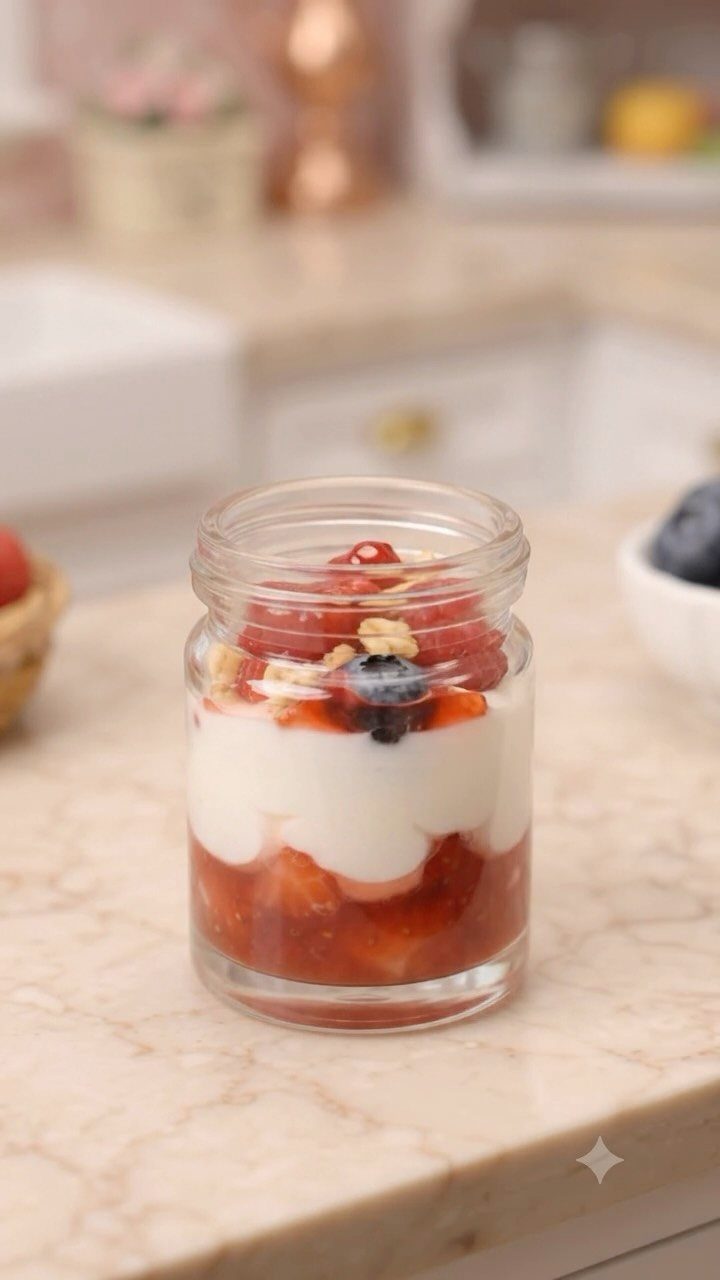
A small clear jar sets the portion before anyone asks for more, and the layers of red fruit, white yogurt and granola make a snack look like dessert.
Pick berries your kids already eat, since they sit on top where everyone sees them first. Add a spoon and the jar goes straight into a lunch bag.
2. Frozen Yogurt Sandwich
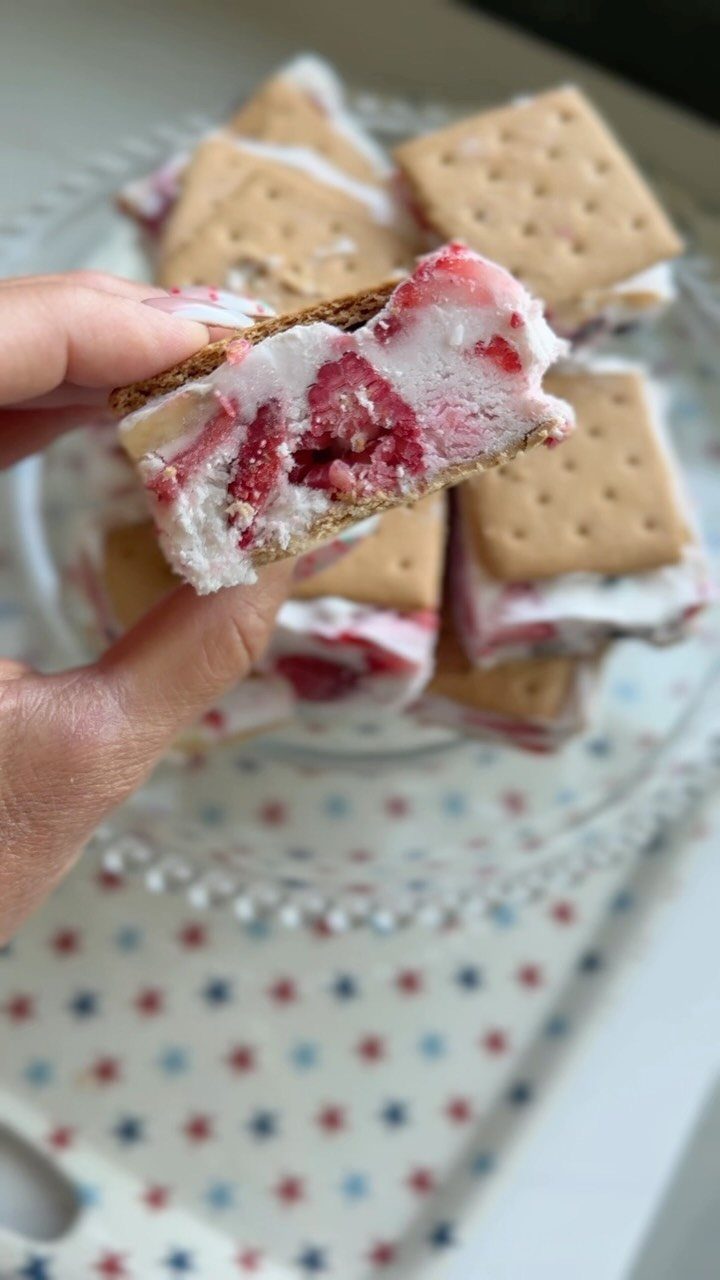
Graham cracker squares hold the yogurt in place, so this is a handheld snack with no bowl and no spoon. Spread frozen yogurt between 2 squares, add strawberry, and freeze.
The person who made this batch freezes them for at least 1 hour and eats them straight from the freezer. Stack finished sandwiches on a plate and they are ready for the afternoon slump.
3. Apple Slices with Nut Butter
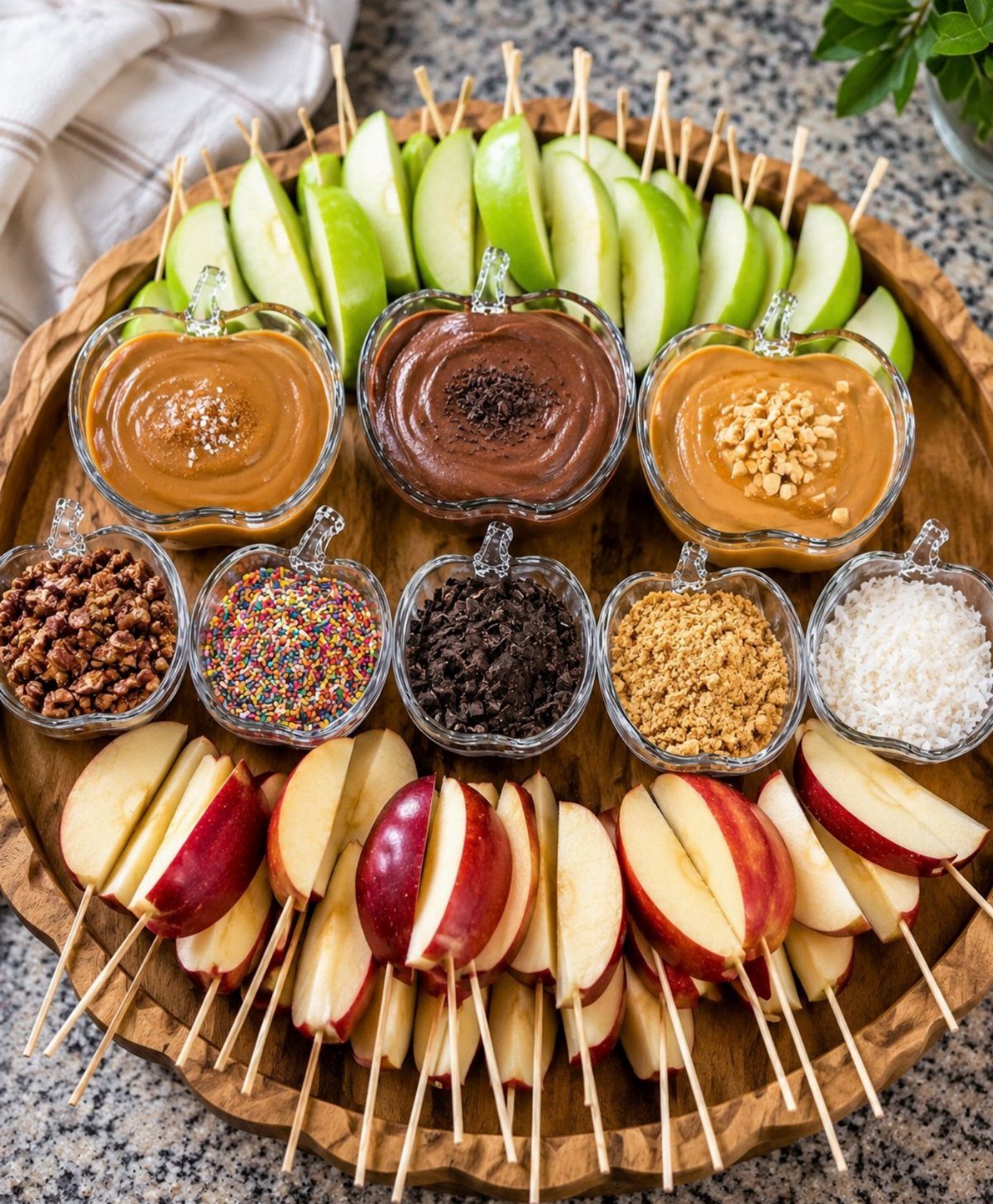
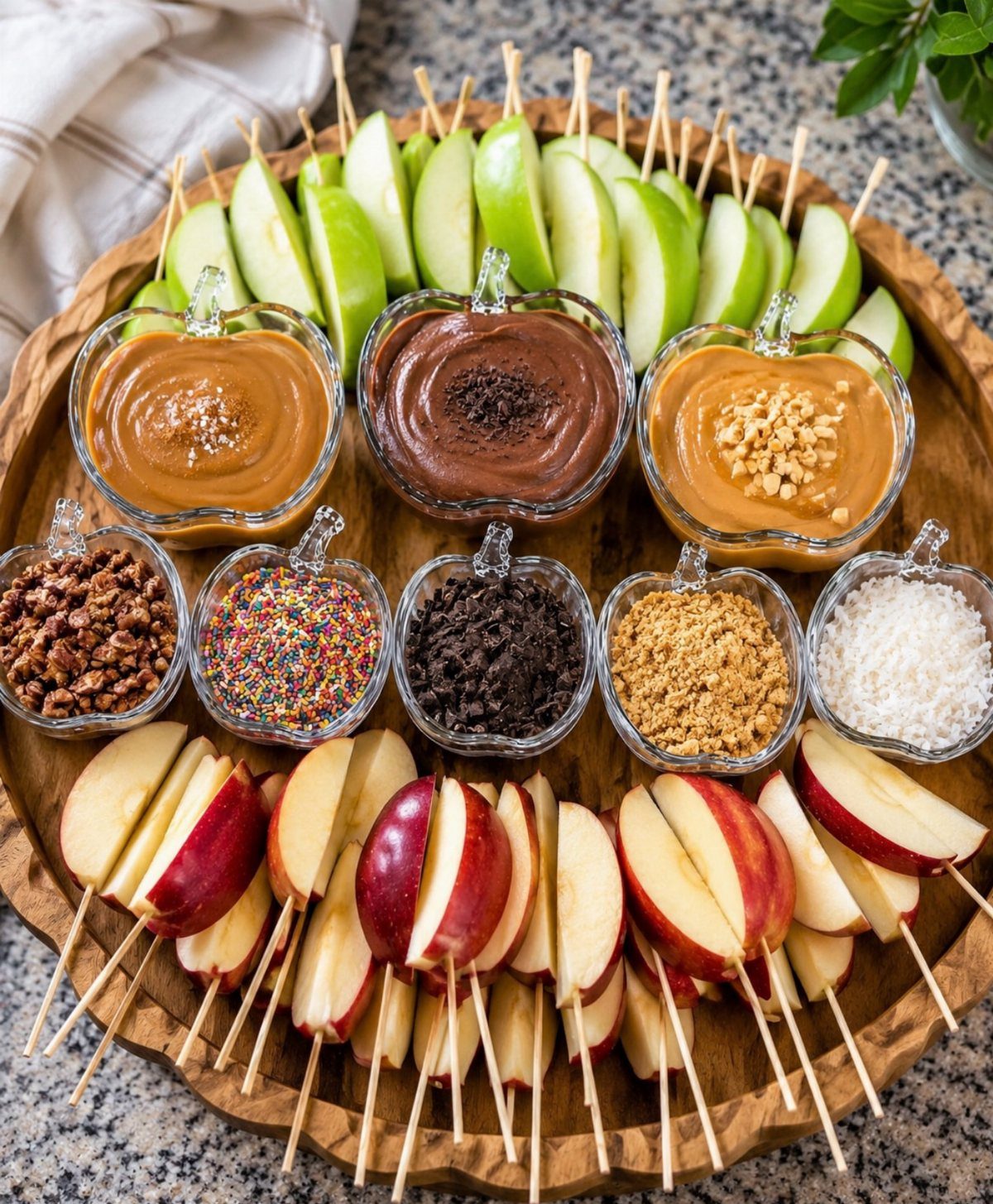
Skewers turn apple slices into a snack kids put together themselves. Set out a few nut butters and bowls of toppings, and let each person dip and decorate their own.
The apple supplies fiber and the nut butter supplies protein, so it feels like a treat but fills you up. If a school or daycare restricts nuts, check the rules first; sunflower seed butter is the usual swap.
4. Hard-boiled Eggs
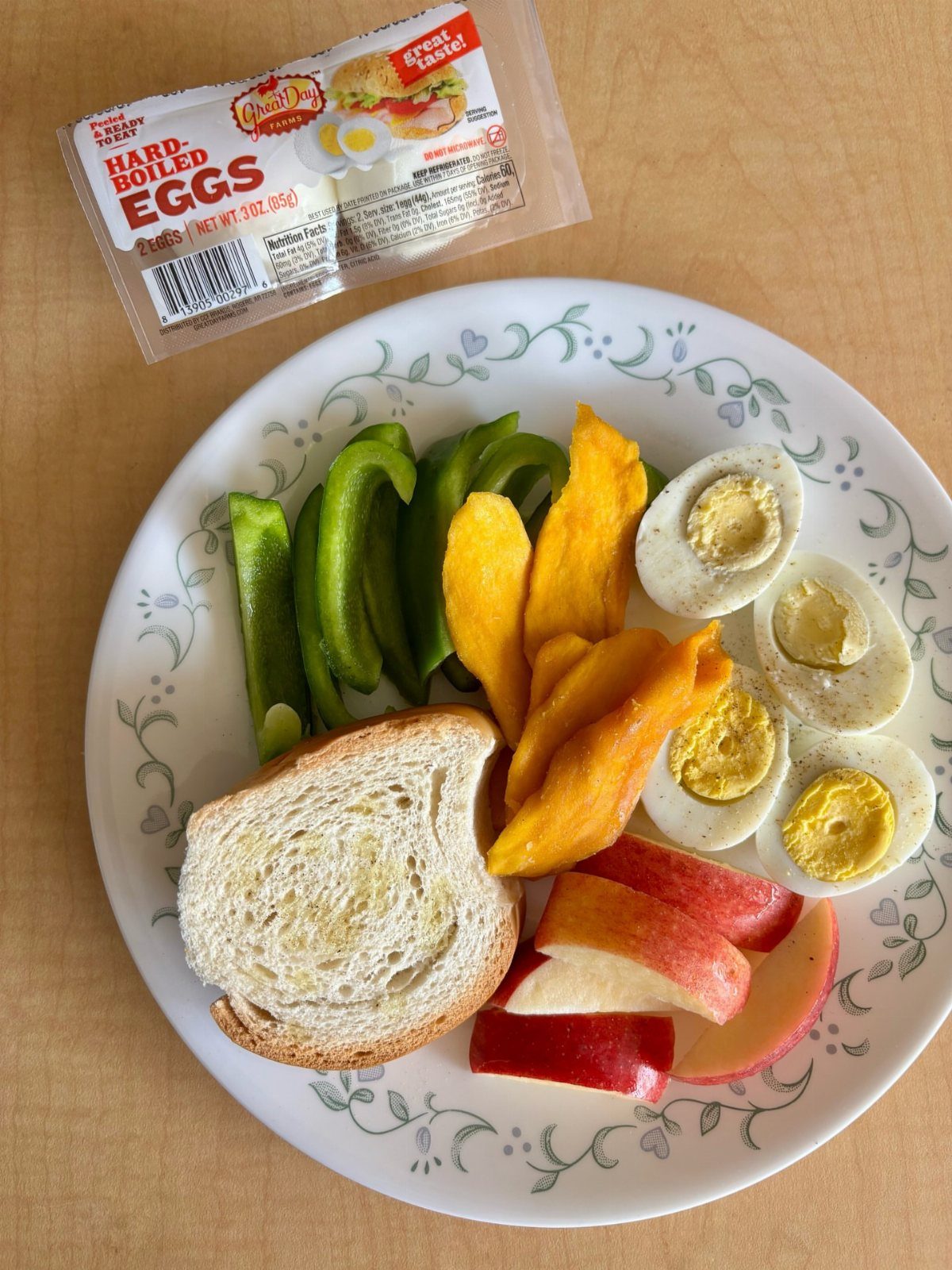
Boil a batch at the start of the week and protein is waiting in the fridge. Cooked eggs generally keep about a week.
Eat them plain, or slice them and serve with green pepper, mango, apple or buttered toast for a snack that has protein, fruit and a little starch.
Packaged ready-cooked eggs skip the boiling if your week has no room for it.
5. DIY Energy Bites
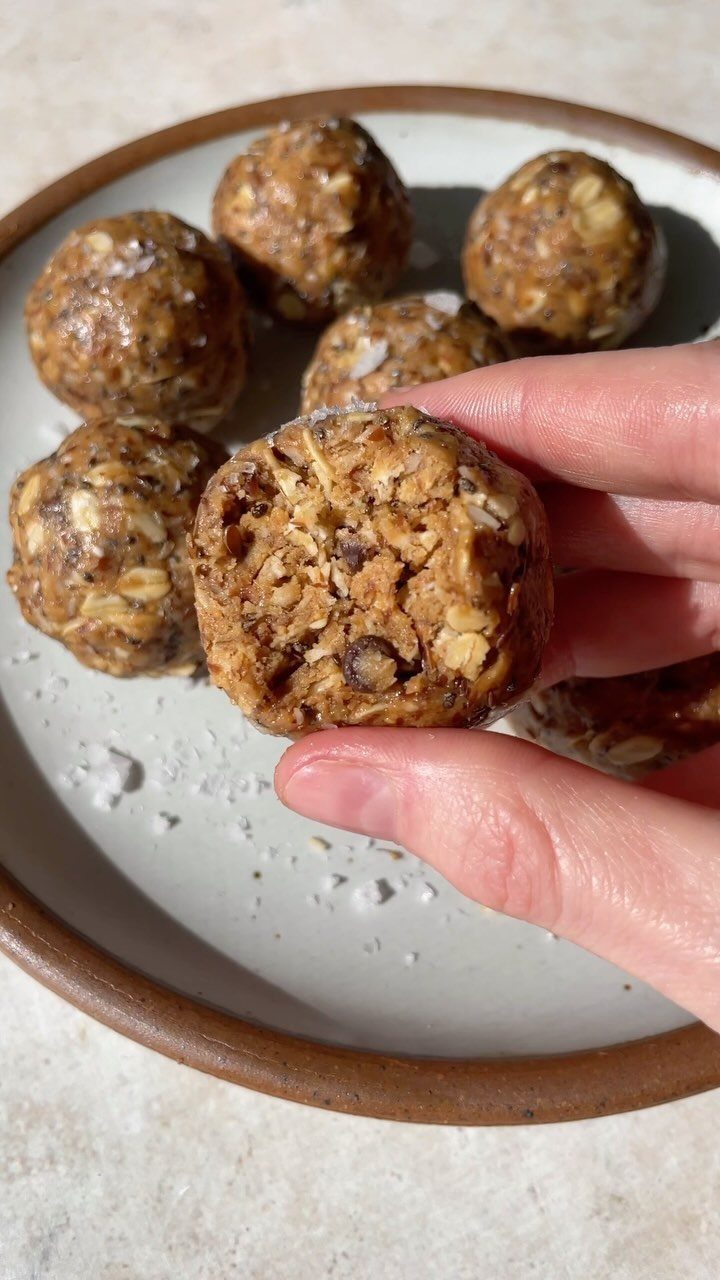
The person who made this batch counts over 6g of protein per bite.
Treat that number as a reference point only. Your own ingredients set the real count, so check the labels before you quote it to anyone.
6. Vegetables with Hummus
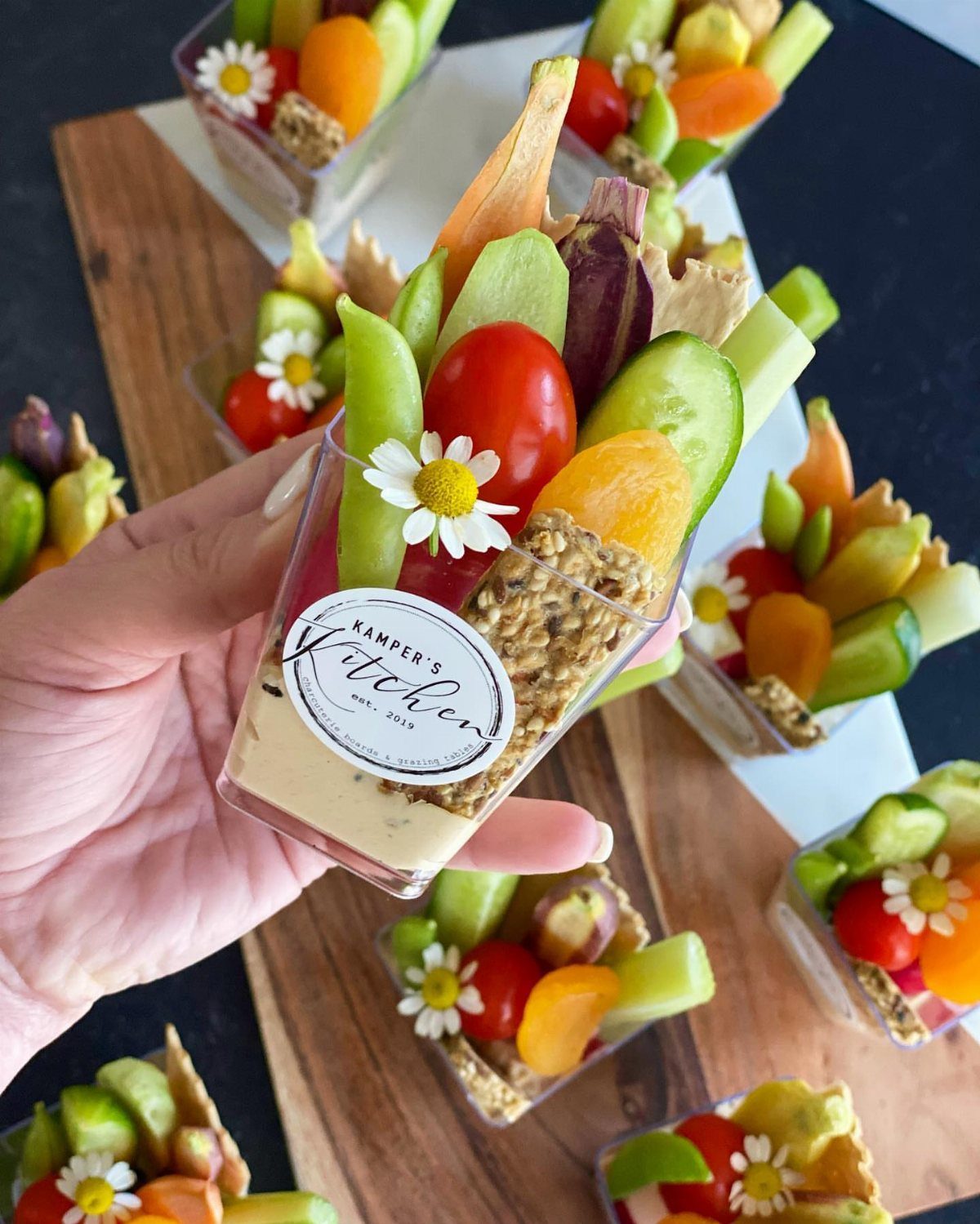
Cucumber slices, cherry tomatoes and yellow pepper in a single cup make a snack that is already portioned and easy to hand over.
Spoon the hummus into the bottom first, then stand the vegetables in it. Fill a row of cups at once, lid them, and keep them in the fridge until you need one.
7. Trail Mix with Dried Fruit
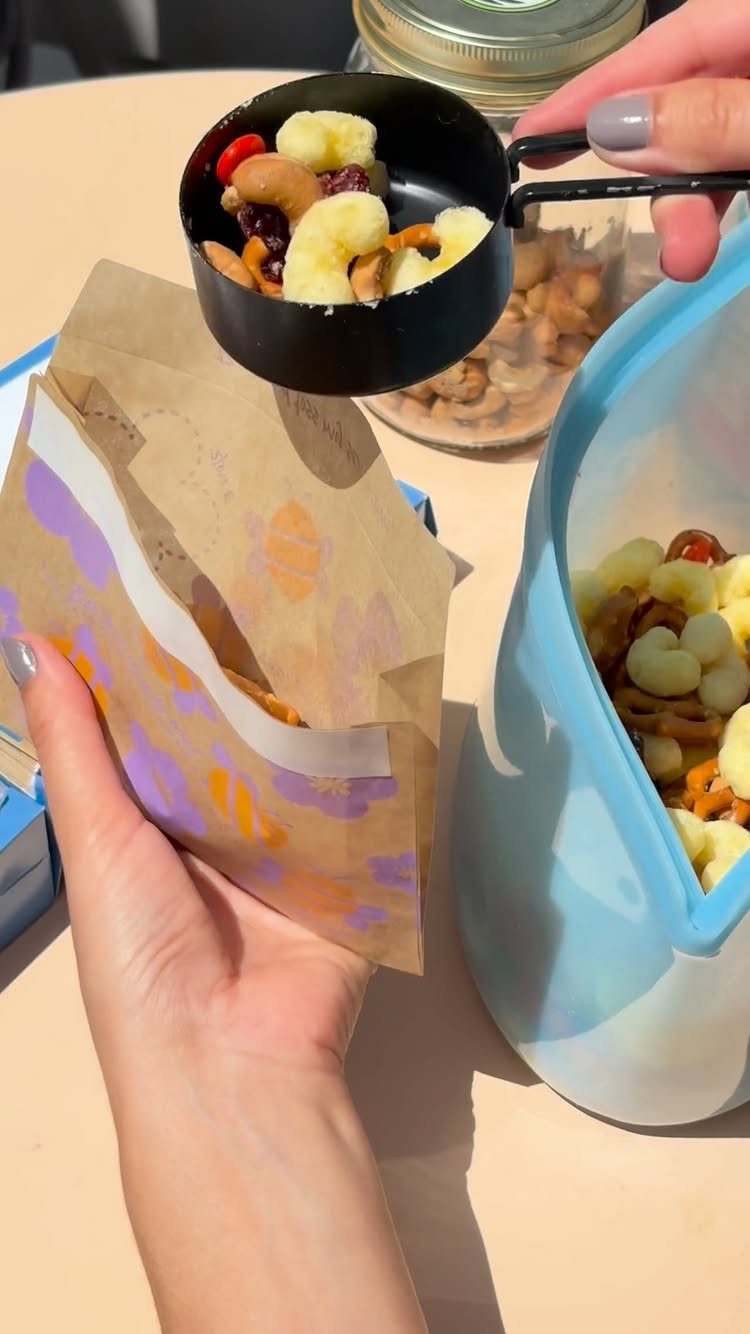
Fill a jar once, then portion the mix with a measuring cup into small paper or silicone bags. The same scoop every time gives every kid the same snack.
Dried banana, nuts and seeds make a good base. Dried fruit is the sweet part, so let the nuts and seeds outweigh it.
8. Zucchini-carrot Muffins
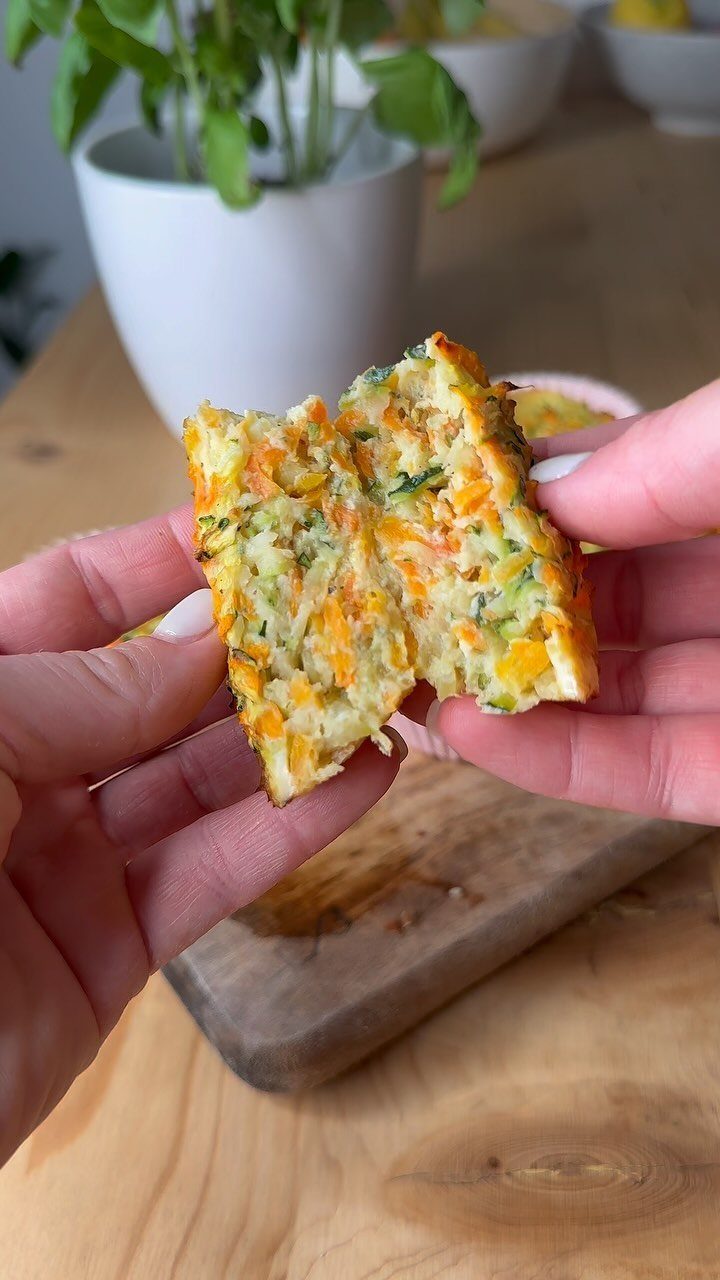
Vegetables go in where kids can’t pick them out. Grated zucchini and carrot disappear into the crumb, and each muffin is a snack that needs no spoon, plate or container.
Bake a batch on the weekend and the week’s lunch bags and after-school hunger are covered.
9. Turkey Rollups
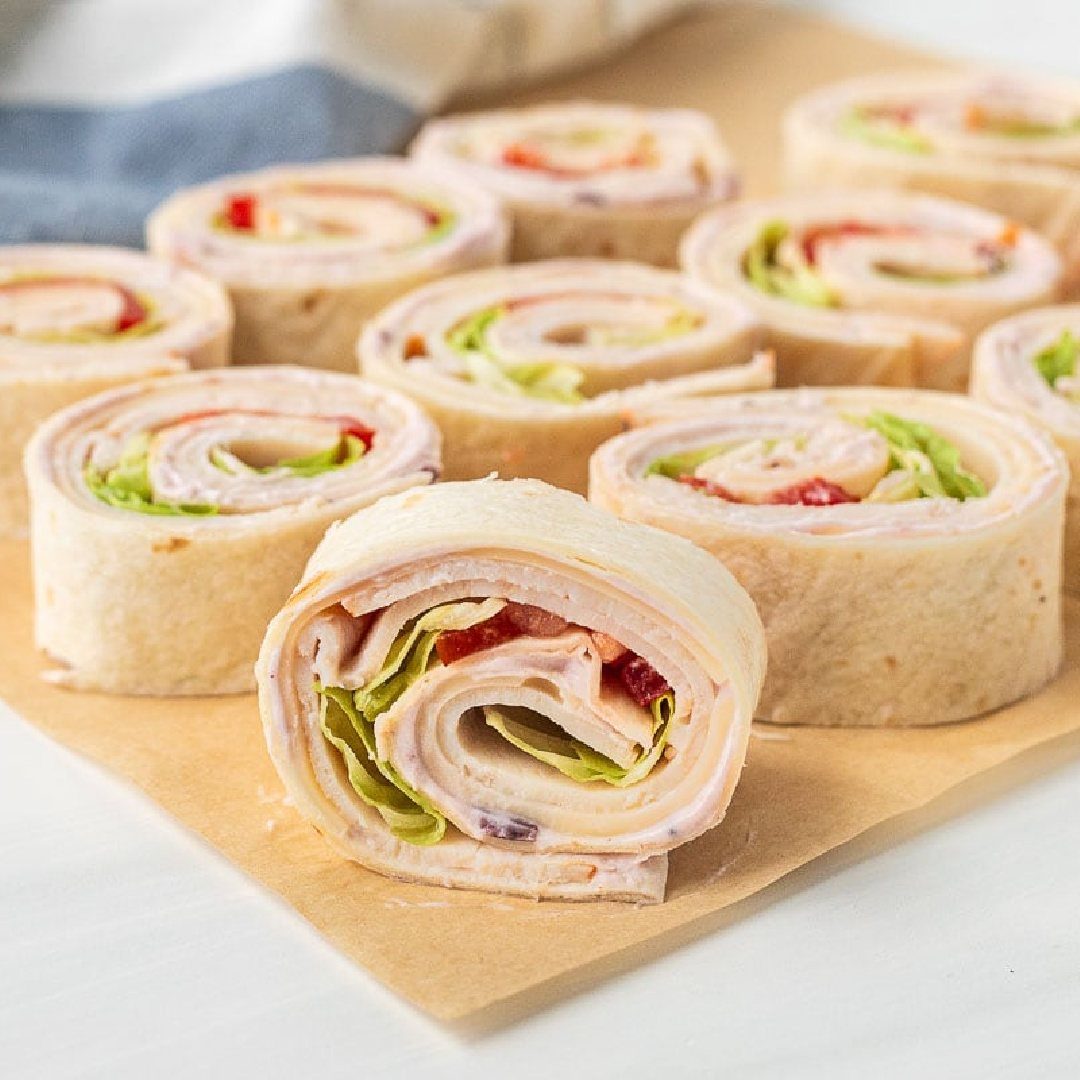
Lay a turkey slice flat, add cheese, a piece of lettuce and a strip of red pepper, then roll it tight. Nothing gets cooked, and the only cleanup is a cutting board.
Deli turkey from the grocery store works fine. Pack the rolls in a single layer so they hold their shape.
10. Cream Cheese Salmon Roll
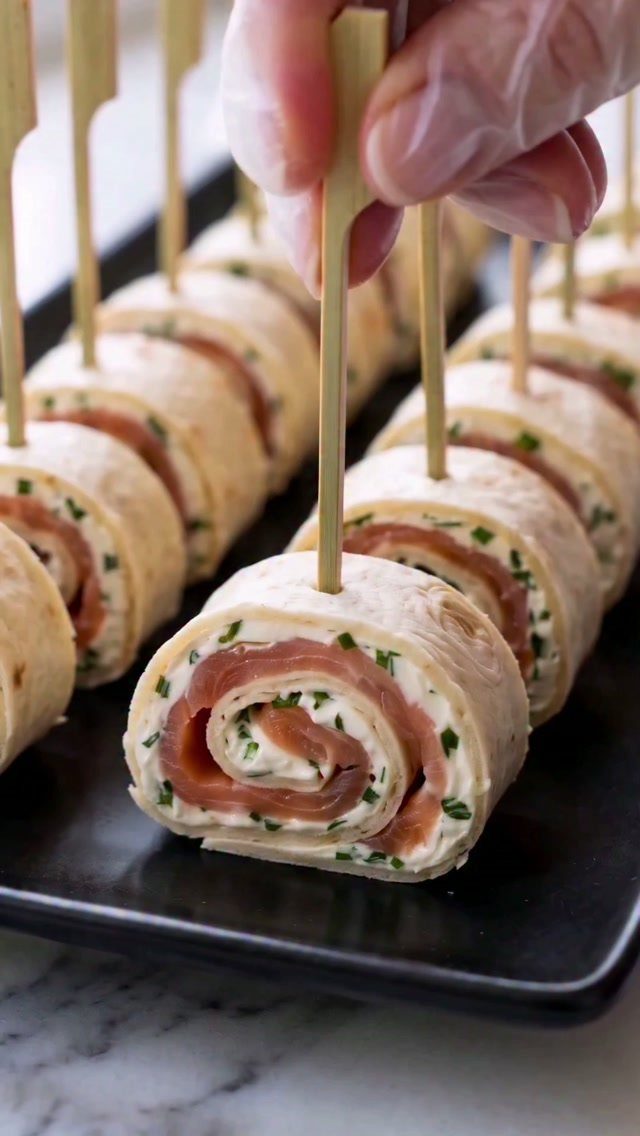
Spread the cream cheese thin. Smoked salmon already has a strong flavor, so a light layer on the tortilla is enough, and it keeps the roll from squeezing out the ends.
Roll tightly, slice into rounds, and push a toothpick through each one to hold the spiral closed. Pull the picks out before handing these to young children.
11. Nuts
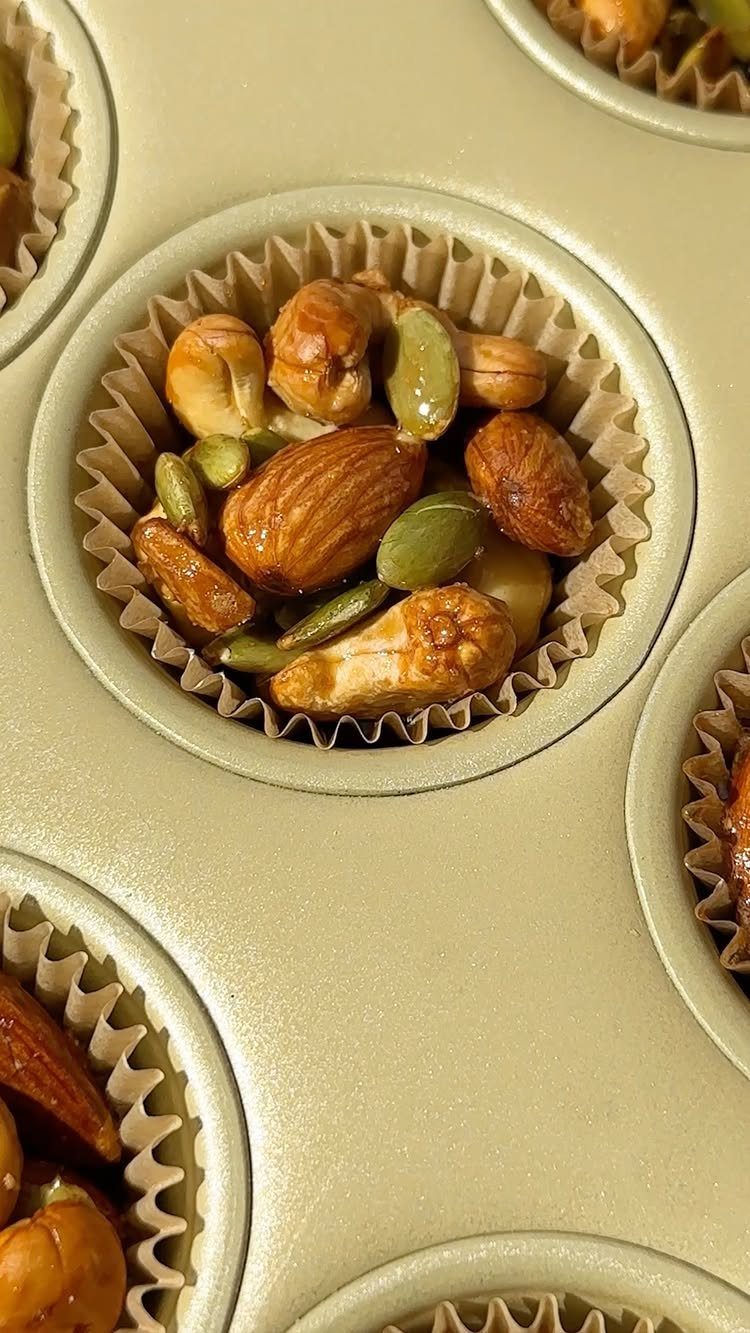
A handful of nuts gives you protein, fiber and unsaturated fats, but a big bag makes it hard to stop at a handful.
Spooning a portion into mini paper liners in a muffin tin solves that, and the tin keeps them tidy.
The person who made this batch baked the filled liners for 17–19 minutes. Almonds, cashews and pumpkin seeds mix well.
12. Chia Pudding with Berries
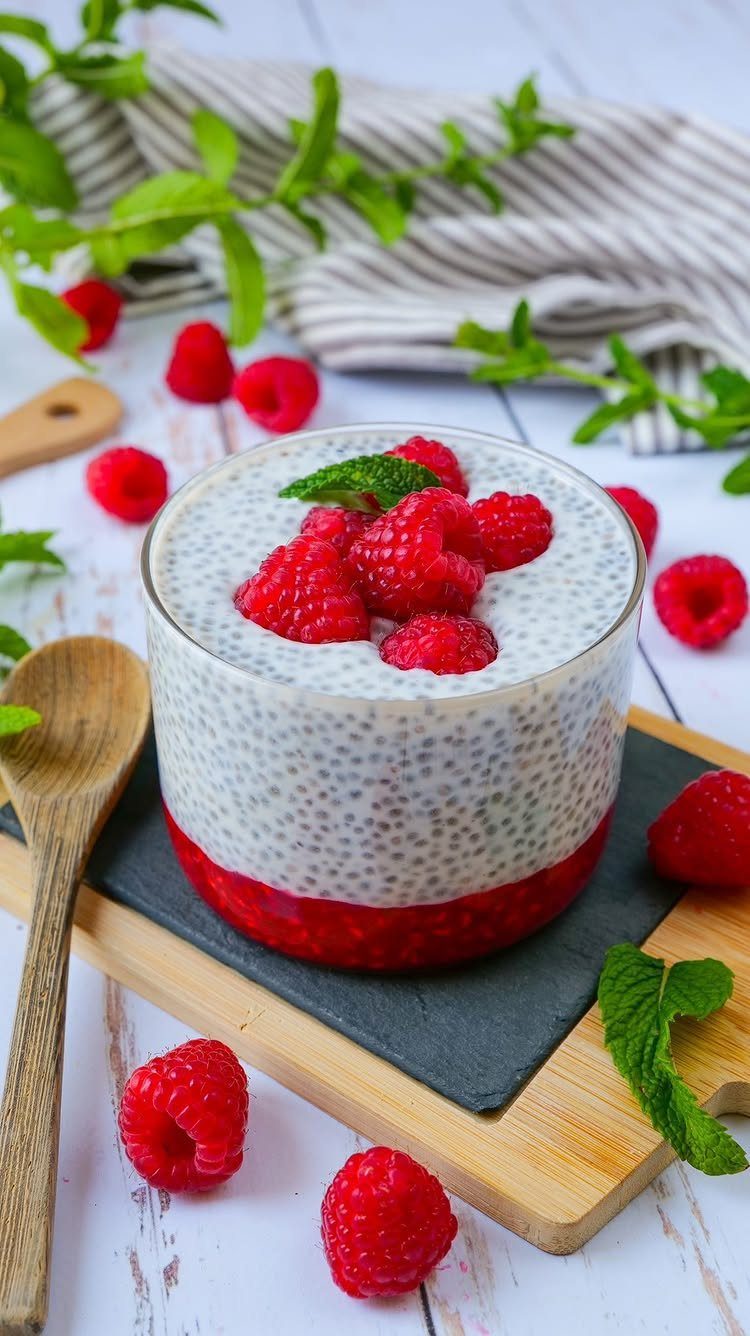
Chia seeds soaked in milk thicken into a pudding with no stove involved. Stir them together in a jar, cover it, and leave it in the fridge until it sets.
Mix a few jars at night and breakfast or an afternoon snack is ready the next day.
13. Roasted Chickpeas
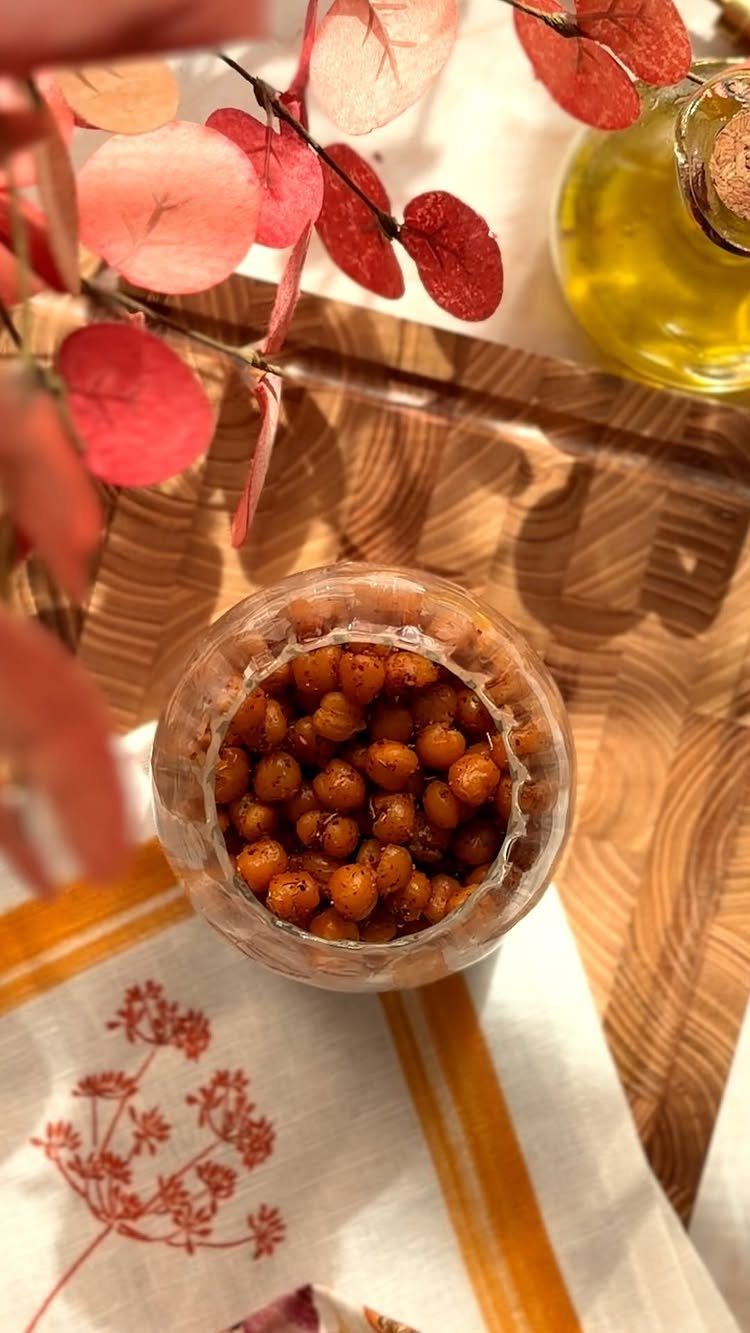
Roasted chickpeas give you the crunch of chips or crackers without a dip, and a jar of them travels well in a bag or a lunch box.
Rinse and drain a can, then dry the chickpeas well before they go in.
Roast them in a fan oven at 165 °C for around 1 hour and 15 minutes, though an air fryer works too. Salt them while they’re warm.
Kids tend to like them by the small handful, which keeps the portion in check.
14. Chickpea Toast
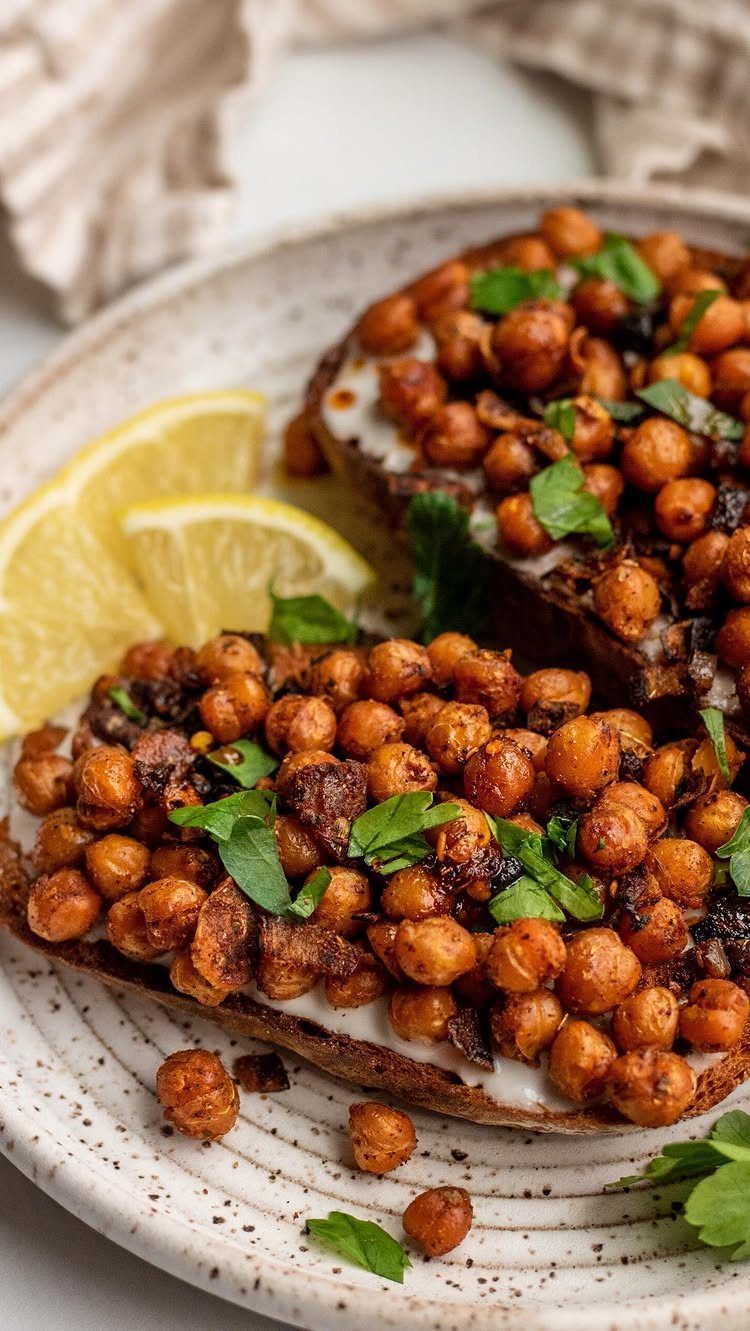
Chickpeas on toast make a snack that works as a small meal. Start with one 15 oz can, rinsed and drained.
For the creamy layer, use 1/2 cup of plain, unsweetened plant-based yogurt.
Pick a brand that’s thick and creamy, since a thin one runs off the bread. Spread it on warm toast, pile the chickpeas on top, and finish with fresh herbs and a squeeze of lemon from a wedge.
Cut each slice into halves or quarters for smaller hands. Toast the bread well so it stays firm under the topping.
15. Mini Vegetable Pizzas
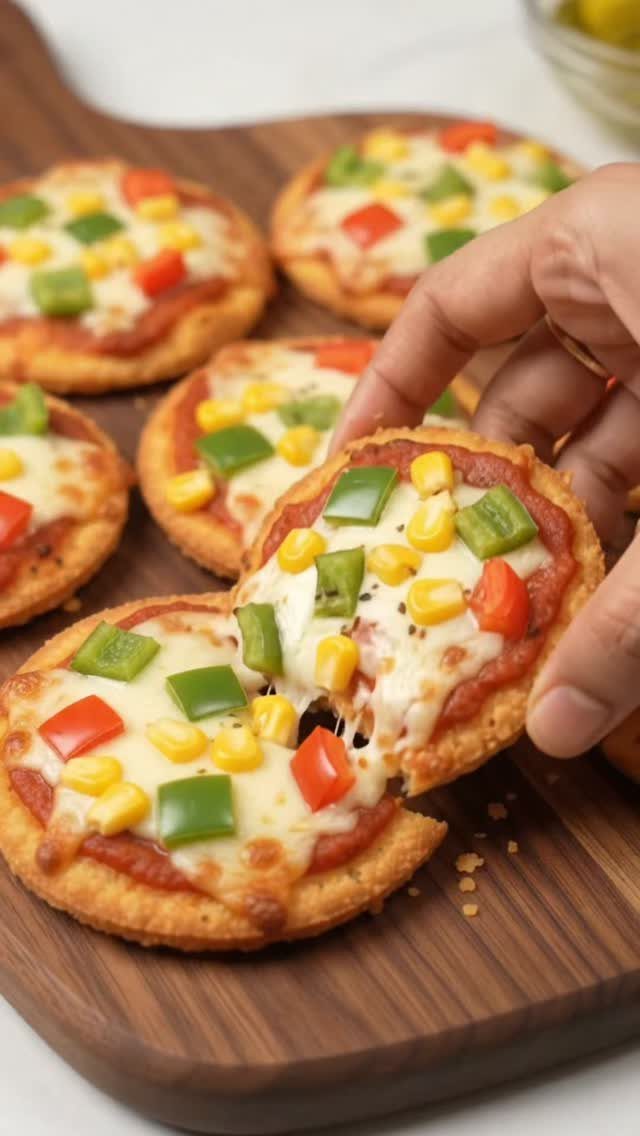
Melted cheese, pepper pieces and corn on a small base make a pizza a child can finish in a few bites. Keep the vegetable pieces small so they sit flat and don’t slide off when someone picks one up.
Cheese holds everything in place, so scatter it last and generously. Let the pizzas cool a minute before serving.
16. Spinach Cheese Crisps
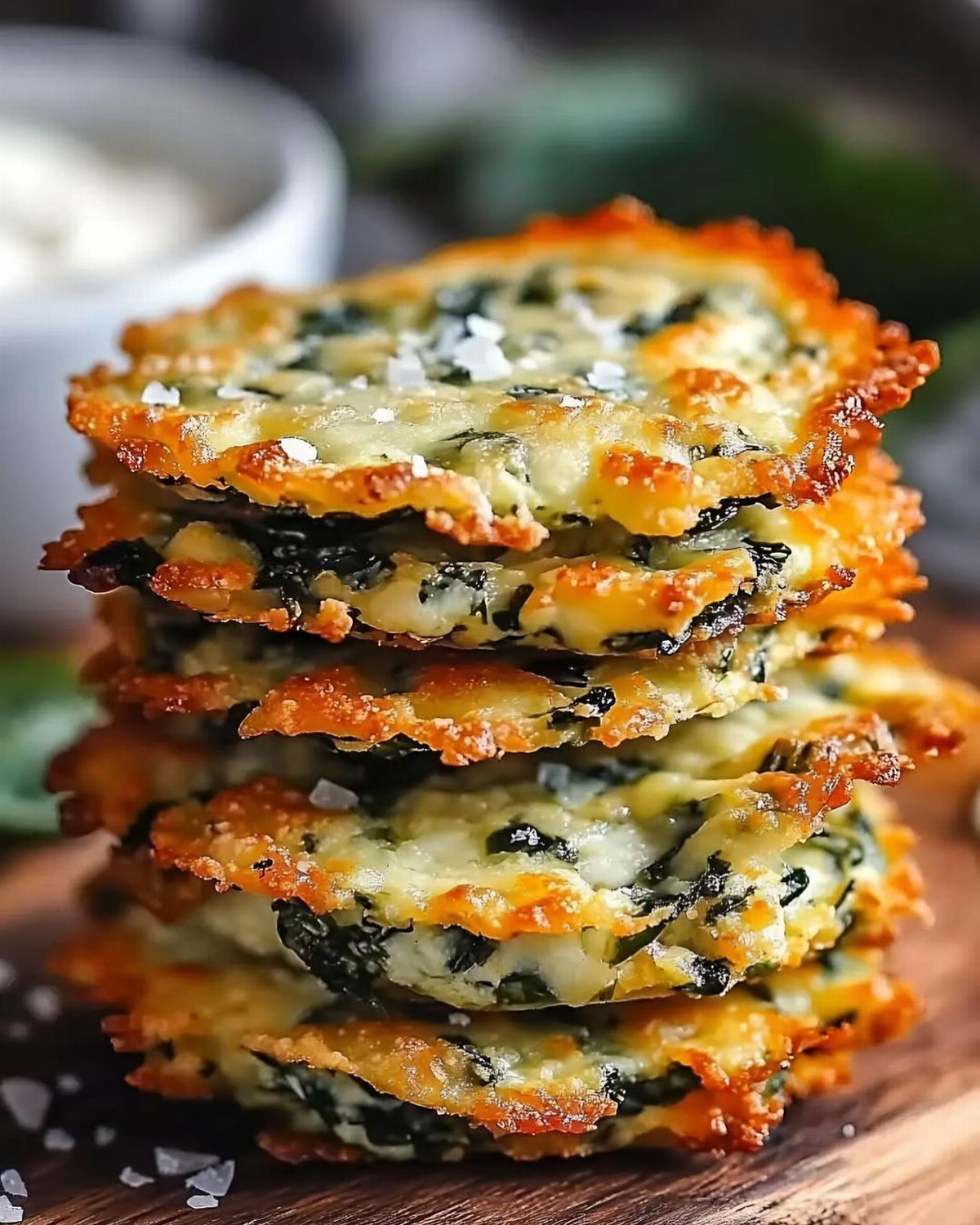
Baked cheese gets crisp at the edges, and spinach folded in makes a snack that snaps like a cracker with no flour involved. A pinch of coarse salt on top is all the seasoning it needs.
Stack them next to some dip and they work as a savory swap for chips. Serve them the day you bake them, while they’re crunchy.
17. Mini Oat Berry Muffins
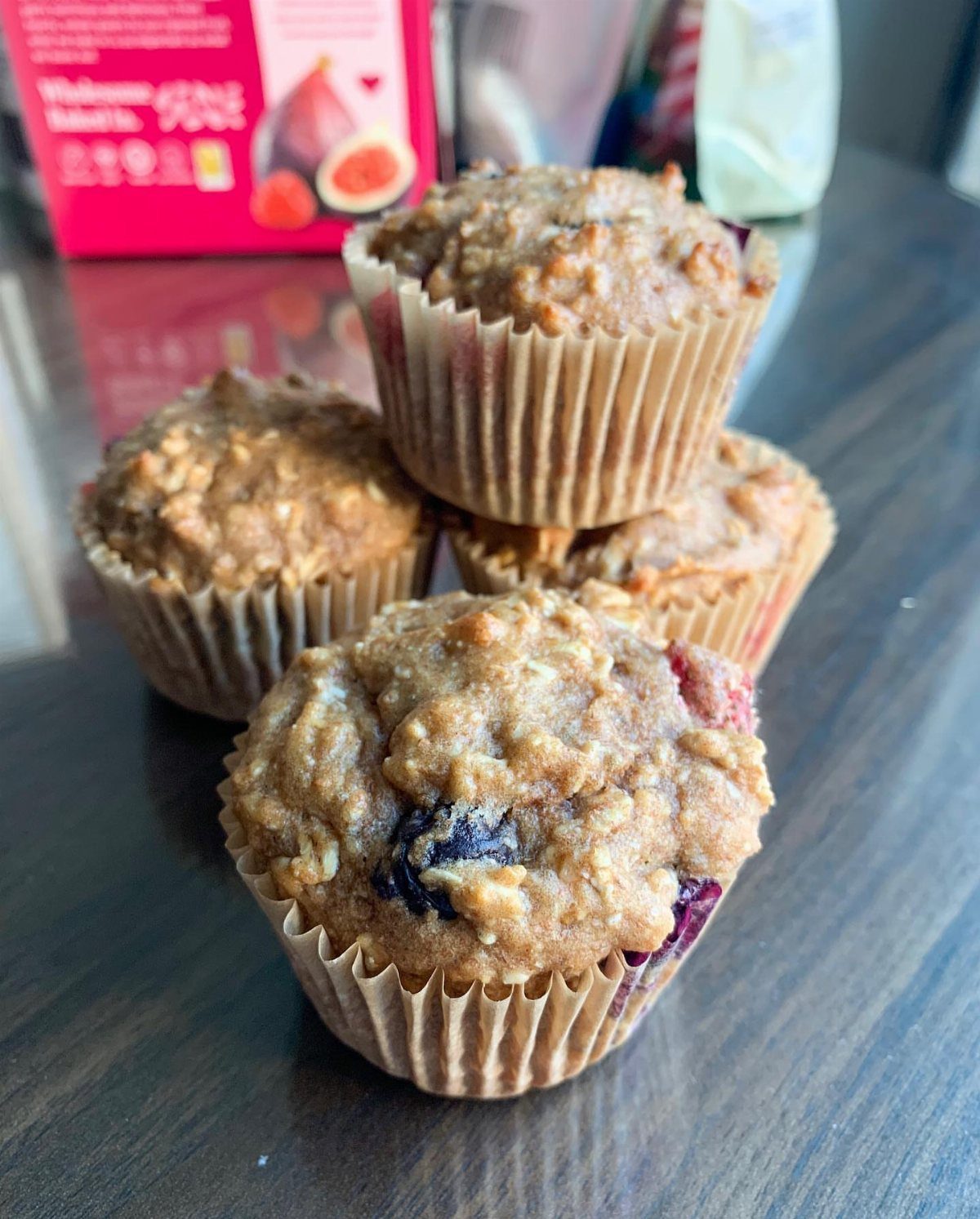
Oats give a muffin chew and keep it from tasting like cake, and berries add sweetness without much sugar. Bake them in mini liners and each one is a snack-size portion, easy for a small child to hold.
Stack cooled muffins in a container and they’re ready for lunch bags or the car. Pick berries that are small or chopped so they spread evenly through the batter.
18. Salmon Spinach Pinwheels
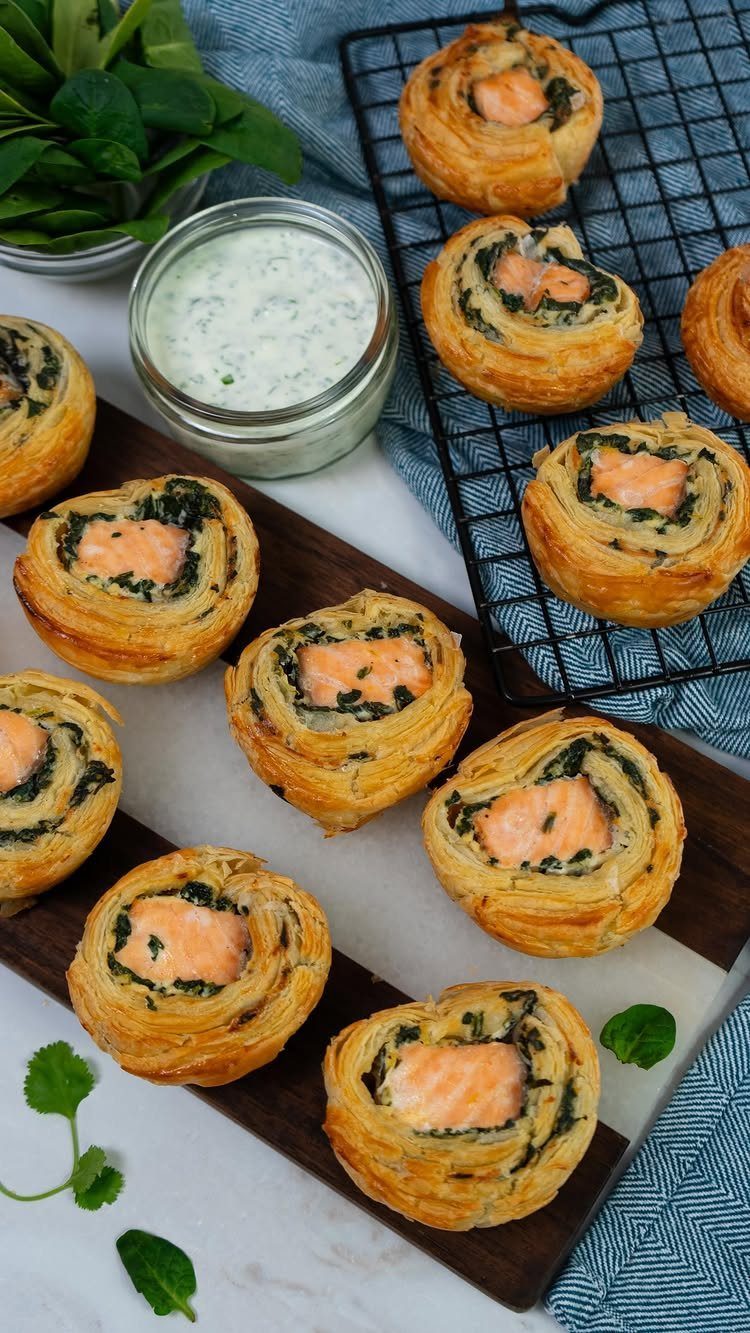
Puff pastry rolled around salmon and spinach, then sliced into spirals, makes a pinwheel that looks fancier than the effort it takes. Frozen pastry from the grocery store saves you from making dough.
Bake until golden and serve with a creamy dip.
These suit a weekend gathering or a special lunch box better than a rushed Tuesday, since the pastry makes them richer than most snacks. Cut the slices small for young kids.
19. Chocolate Nut Bark
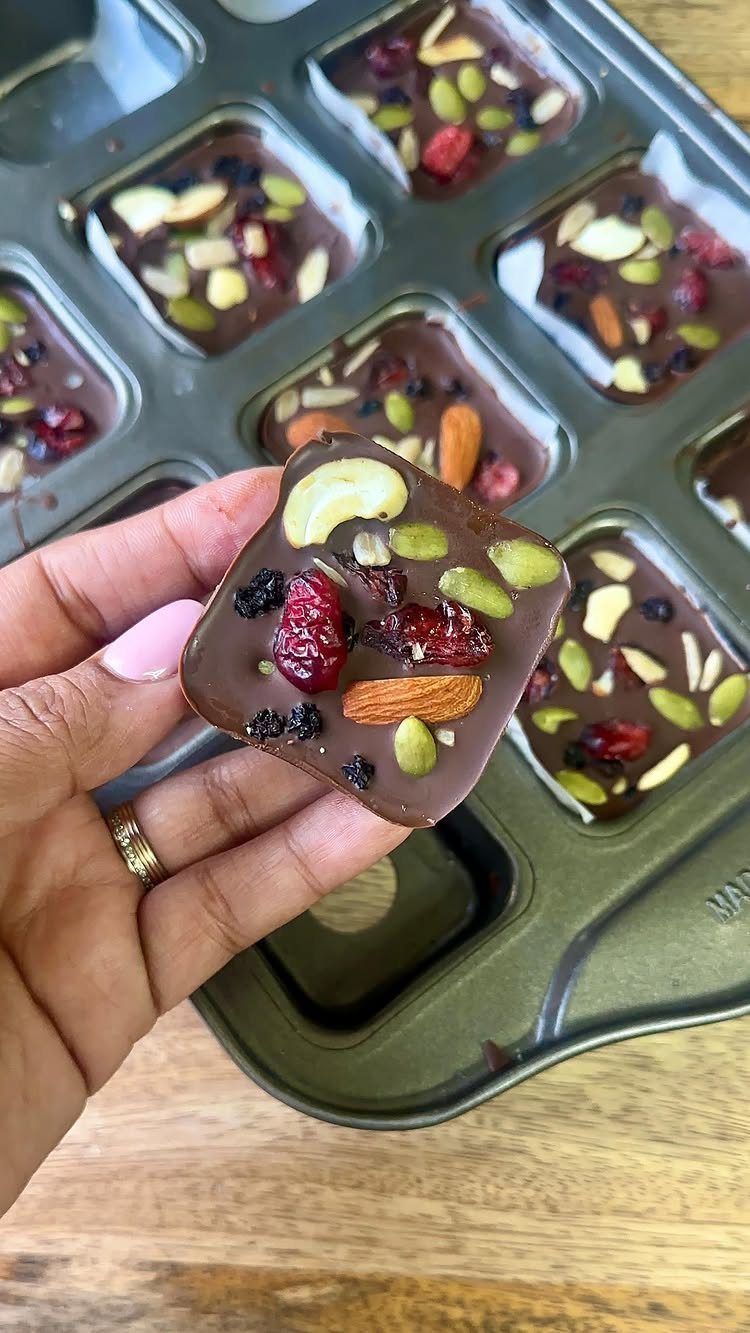
Dark chocolate does most of the sweetening, so the toppings can lean on almonds, cashews and seeds, with a few dried cranberries for tartness.
Spread melted chocolate on a lined tray, scatter the toppings over it, chill until firm, and break it up.
Break it small. Bark is rich, and a piece about the size of a cracker is plenty for one snack.
20. Cucumber Tomato Caterpillars
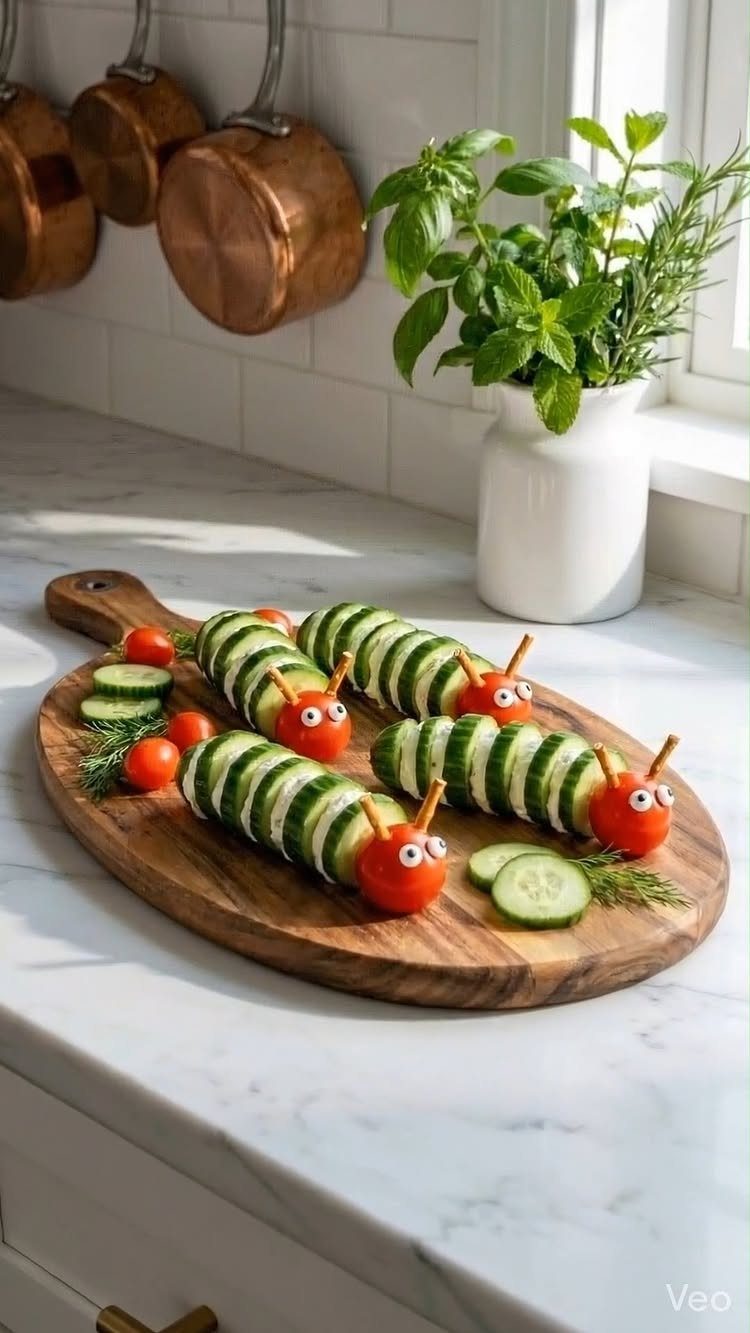
Round cucumber slices make the body and a cherry tomato makes the head, which turns a plain vegetable plate into something a picky eater wants to start with.
The person who made this board says it took 3 minutes and no cooking.
A dab of cream cheese between the slices keeps the body from sliding apart, and it’s optional. Quarter the cherry tomatoes for young children, since whole ones are a choking risk.
21. Mini Pancakes with Berries
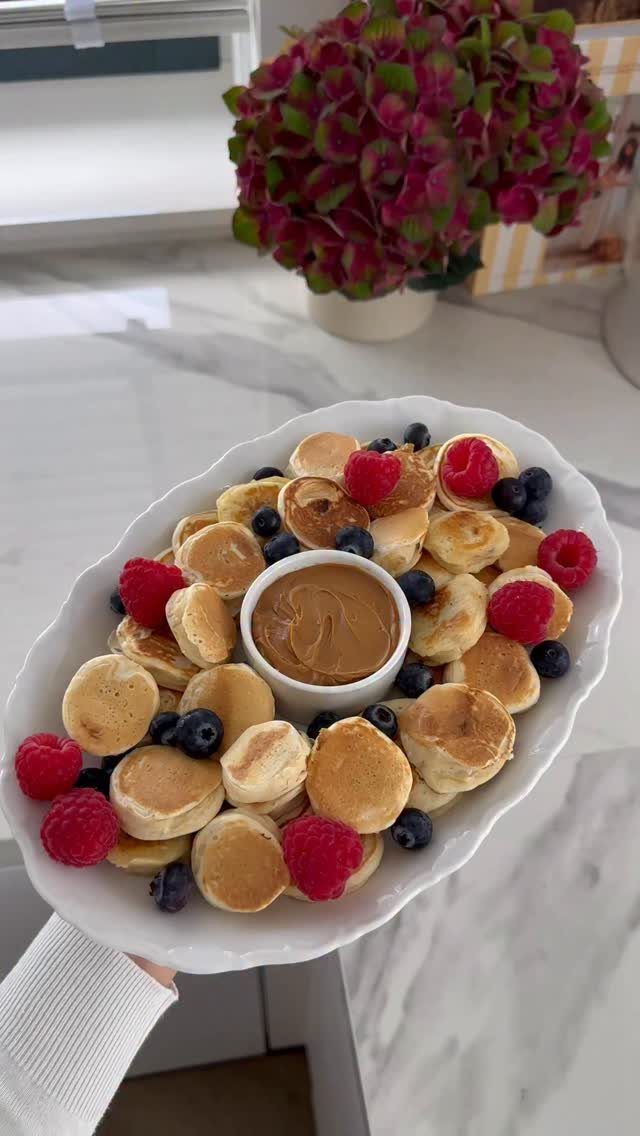
Dipping is what makes these work. Pile small pancakes on a platter with raspberries, blueberries and a bowl of nut butter, and kids can eat with their hands and skip the syrup.
The berries add fruit and the nut butter adds protein, so the plate holds up longer than pancakes alone. Make the pancakes small enough for a child to hold in one hand.
Label and Packaged Snack Choices
Turn the package over before you read the front. Health claims on the front can be misleading, while the nutrition label and ingredient list show what’s inside.
Check sugar and salt first. A short ingredient list is usually a good sign, especially when you’d recognize every item as something from your own pantry instead of a string of additives and preservatives.
Added sugar turns up in foods that sound healthy: dried fruit, flavored yogurt and packaged snacks. Look for the "added sugars" line on the label and pick the version with the least.
Brands with clear sourcing, simple whole-food ingredients and strong certifications tend to rank best. For packaged foods your kids eat often, it’s also worth reading an independent third-party report on heavy metals before you settle on a brand.
Snack Preparation and Storage
Wash and cut produce once, right after you shop. Sliced vegetables sitting in the fridge are the ones that get eaten on a rushed morning.
Spoon dips and yogurt into small containers the night before, so anyone can grab one on the way out the door.
Keep perishables cold with an ice pack or an insulated bag. That matters most for yogurt and cut produce, which sit in a backpack for hours.
Build a freezer stash. Muffins, pancakes, waffles, bars and energy balls all freeze well, so freeze the extras whenever you bake and pull one out when the week gets away from you.
Store-bought snacks count too. Mixing homemade items with packaged ones keeps the workload realistic.
Portion and Snack Balance
A simple formula works for most snacks: a carbohydrate plus protein, fat or both. Carbs supply the quick energy, and adding protein, fat or fiber is what makes a snack feel like enough.
Your body breaks down protein and fiber slowly, so hunger takes longer to come back. Cheese with whole-grain crackers is a easy example of the pairing.
For the average US adult, snacks supply close to 1/3 of the day’s calories, and much of that comes from foods low in nutrients. That’s a reason to build them with some thought, not a reason to skip them.
Size matters for kids.
With only 10–15 minutes to eat, a small portion that gets finished beats a big container holding several foods. Choose snacks that open easily and can be eaten without a fork, a spoon or a helping hand.
The problem is that many grab-and-go options are pretty unhealthy and unsatisfying: A sugary or starchy snack can send your blood sugar soaring and leave you ravenous an hour later, craving another sugar bomb.
Frequently Asked Questions
What’s a healthy cheap snack?
Hard-boiled eggs, apple slices with nut butter, and roasted chickpeas from a single can are simple grocery-store picks.
Each pairs protein or fiber with a little carbohydrate, so hunger stays away longer than it does after carbs alone. A banana cut into rounds with a spoonful of peanut butter lands somewhere around 150–200 calories.
What are some healthy sweet snack recipes?
Berries do most of the sweetening in the best options: a yogurt parfait with granola in a small jar, chia pudding set overnight in the fridge, or a mini oat muffin with berries.
Sandwich a layer of frozen yogurt and a few sliced strawberries between 2 graham cracker squares, then freeze them for 1 hour or longer. Chocolate nut bark made with dark chocolate, nuts and seeds is richer, so break it into cracker-size pieces.
What makes a good school snack?
Build the snack around a carb, then add protein, fat, or both. Carbs give fast fuel, while protein, fat or fiber keep hunger away longer so the snack actually satisfies.
School snack breaks can run just 10–15 minutes, so pick food that’s small, easy to open and eaten by hand, like cheese with whole-grain crackers.
Are pretzels a healthy snack?
It depends on the type. Pretzels made from refined white flour offer no fiber, while whole-grain ones give you more nutrition, especially when you eat them with nut butter, cheese or hummus.
Pretzels can carry a lot of salt, so compare labels and pick a lower-sodium bag. WebMD suggests 6 whole-grain sticks for a serving under 100 calories.
Are seaweed snacks healthy?
Yes, dried seaweed (nori) is a nutritious, portable snack that’s low in calories, fat and sugar and high in antioxidants.
The fiber in seaweed helps digestion and may keep blood sugar steadier. Read the label and choose sheets with little salt and no heavy seasoning or added flavorings.