These snacks run from a handful of mixed nuts that needs no prep to a skillet of shakshuka with eggs poached in tomato sauce, and the right one depends on where you’ll be when hunger hits.
In the car or at a desk, pick what packs flat and needs no fridge, like dried fruit and meat sticks. At home with a few spare minutes, a cutting board or one pan opens up more.
A snack holds you longer when a carb that carries fiber sits next to some protein or fat, and on a grain-based label, 3 grams of fiber per serving is a fair minimum.
1. Trail Mix
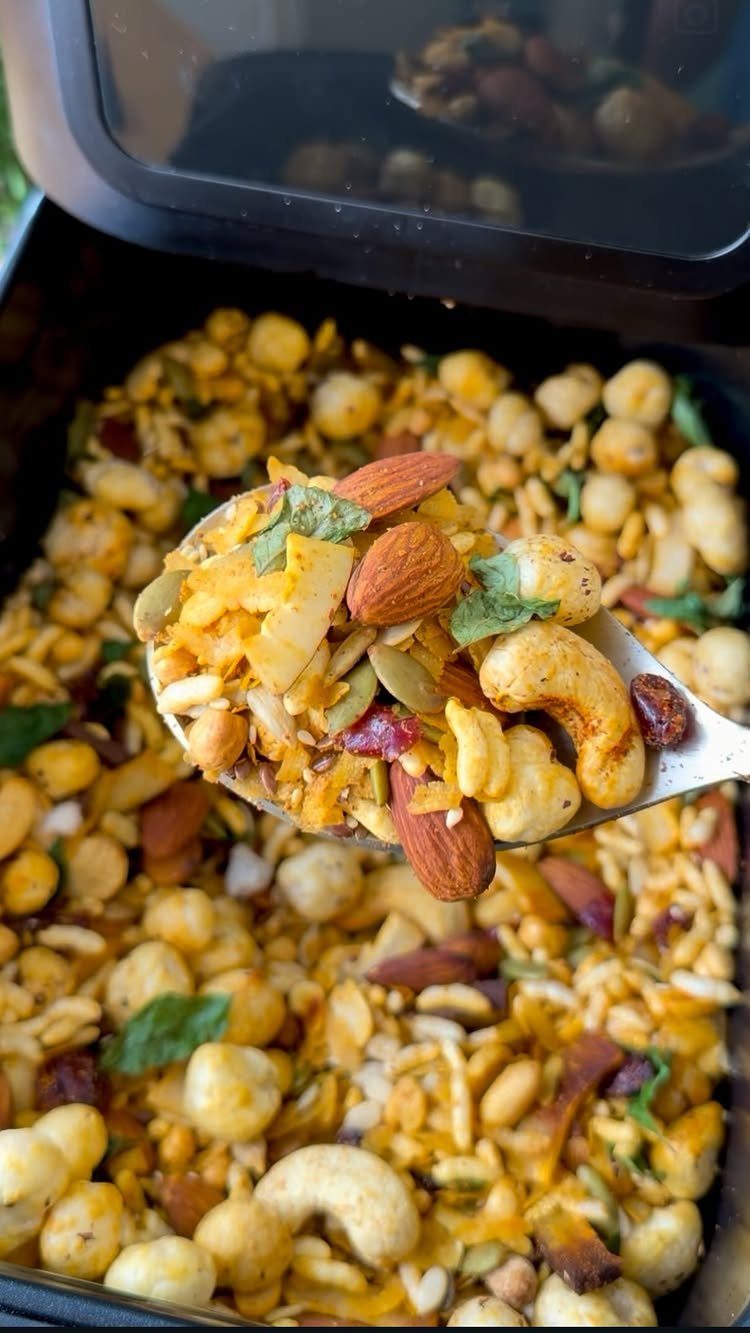
A savory mix holds you over longer than the candy-and-raisin kind. Almonds, cashews and roasted chickpeas bring crunch and protein, and the seeds fill in the gaps.
Mix a batch in one container and portion it into small jars or bags, so a handful stays a handful.
A small bag of it fits in a glove box, a desk drawer or a backpack pocket. Add a little dried fruit for sweetness, but keep the base savory.
2. Yogurt with Fruit
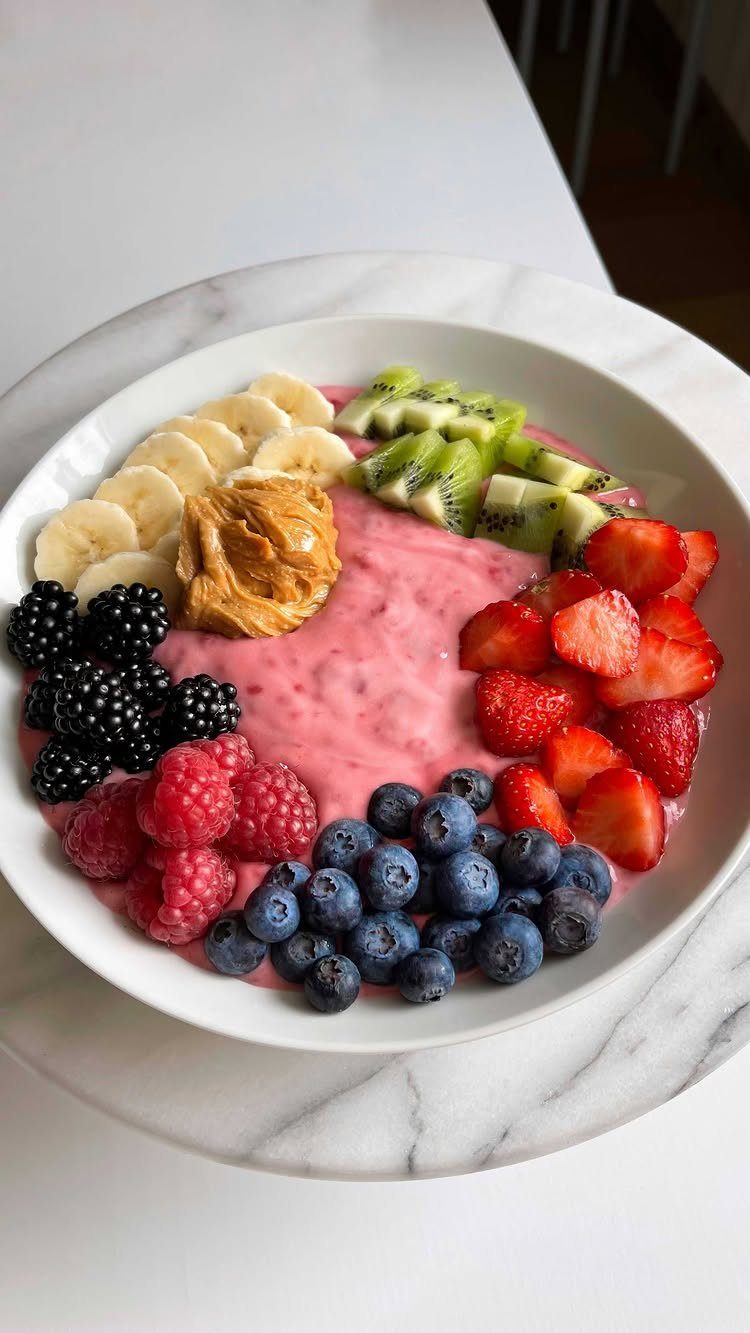
Frozen raspberries do most of the work here. Stir 125g of them into 250g of plain yogurt with 1–2 tablespoons of maple syrup, and the berries thaw into a pink, jammy swirl with no cooking and no extra pan to wash.
Fresh fruit on top adds texture.
Fruit and a little nut butter make plain yogurt filling enough to count as a snack instead of a side. Plain yogurt keeps the sugar in your hands, so you decide how much syrup goes in.
3. Yogurt and Granola
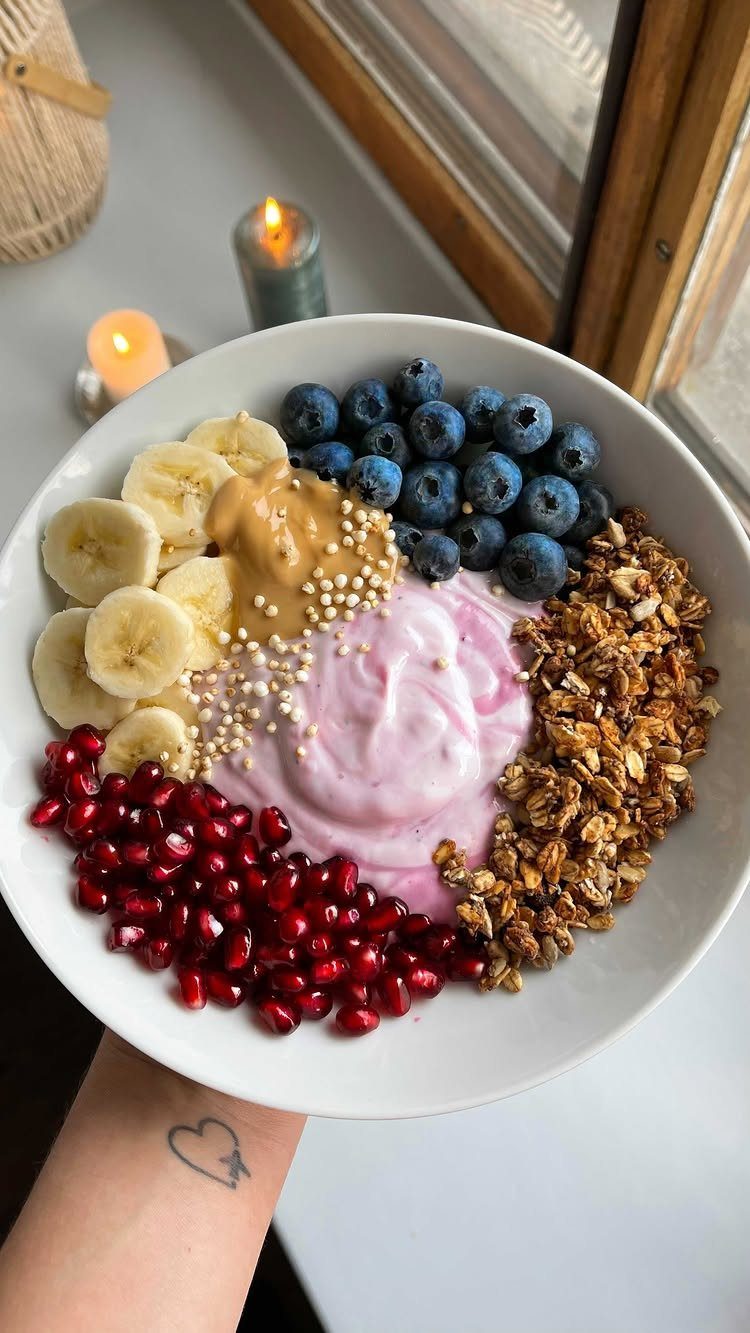
Granola gives this bowl its crunch, and it’s also where the sugar hides. Check the label and choose one you’d be happy eating on its own, or use muesli for a less sweet crunch.
Add the granola right before eating so it stays crisp. Kids tend to like building their own, which saves you a step.
4. Cottage Cheese with Berries
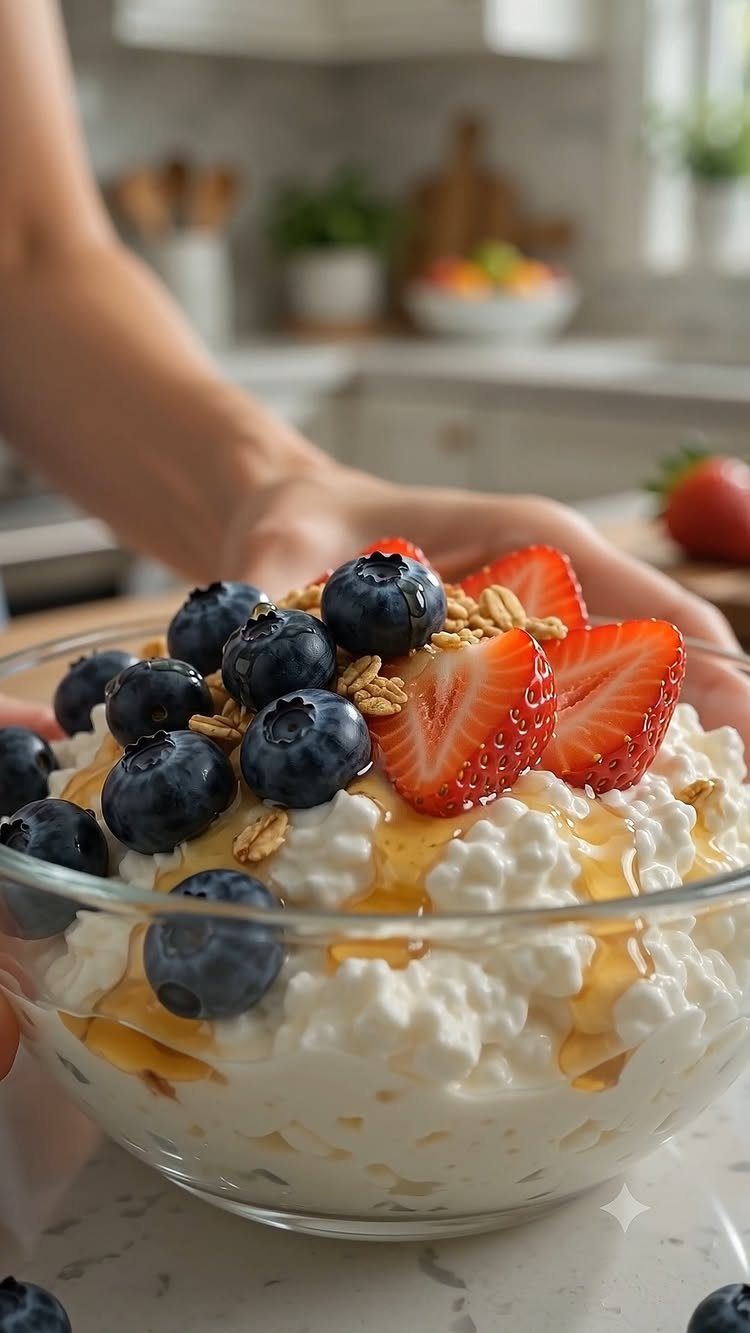
Cottage cheese is salty and creamy, so berries are a smart partner: their tartness cuts through it.
Any berry works, so use whatever is ripe or already in the freezer. Peaches or banana work too.
Finish it with a drizzle of honey and a sprinkle of granola.
Pick a glass bowl or a lidded container, spoon the cheese in first, and add the granola last so it doesn’t go soft. Nothing needs cooking.
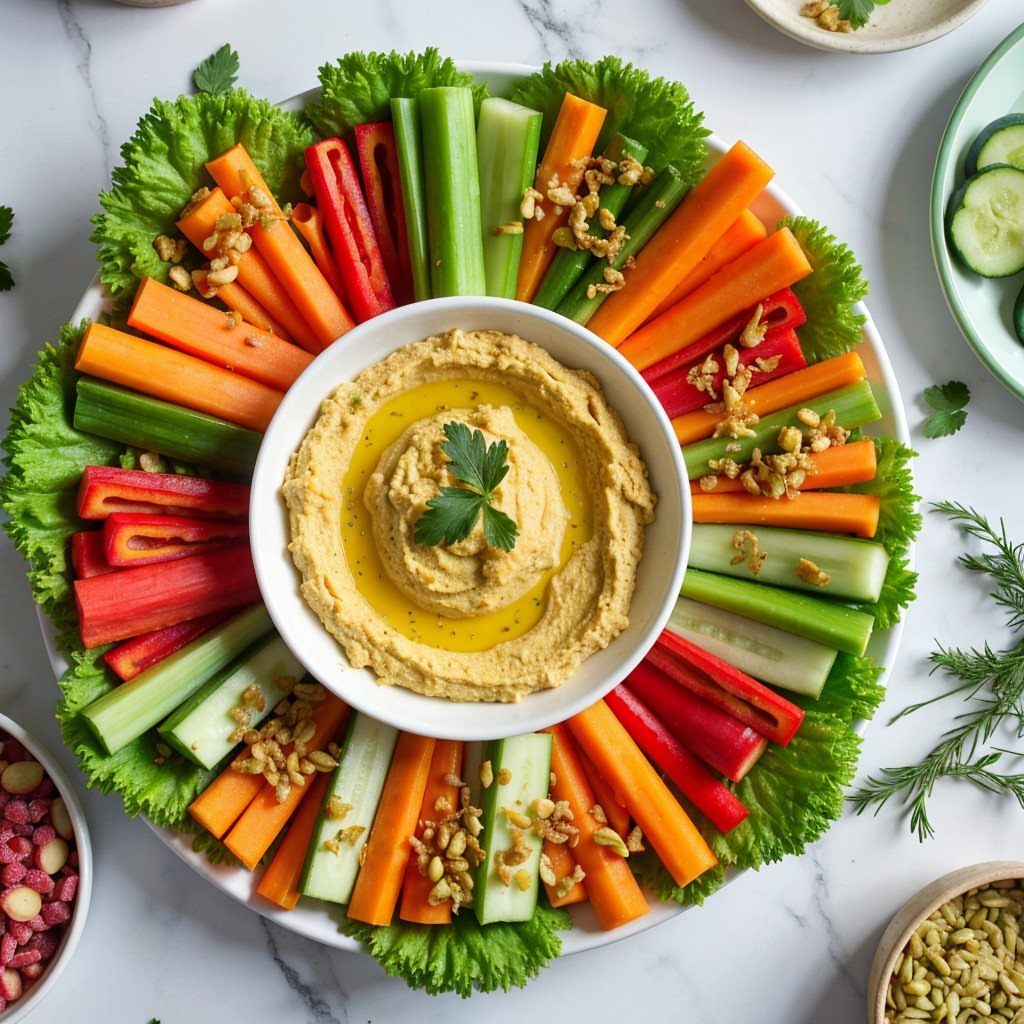
5. Hummus with Vegetables
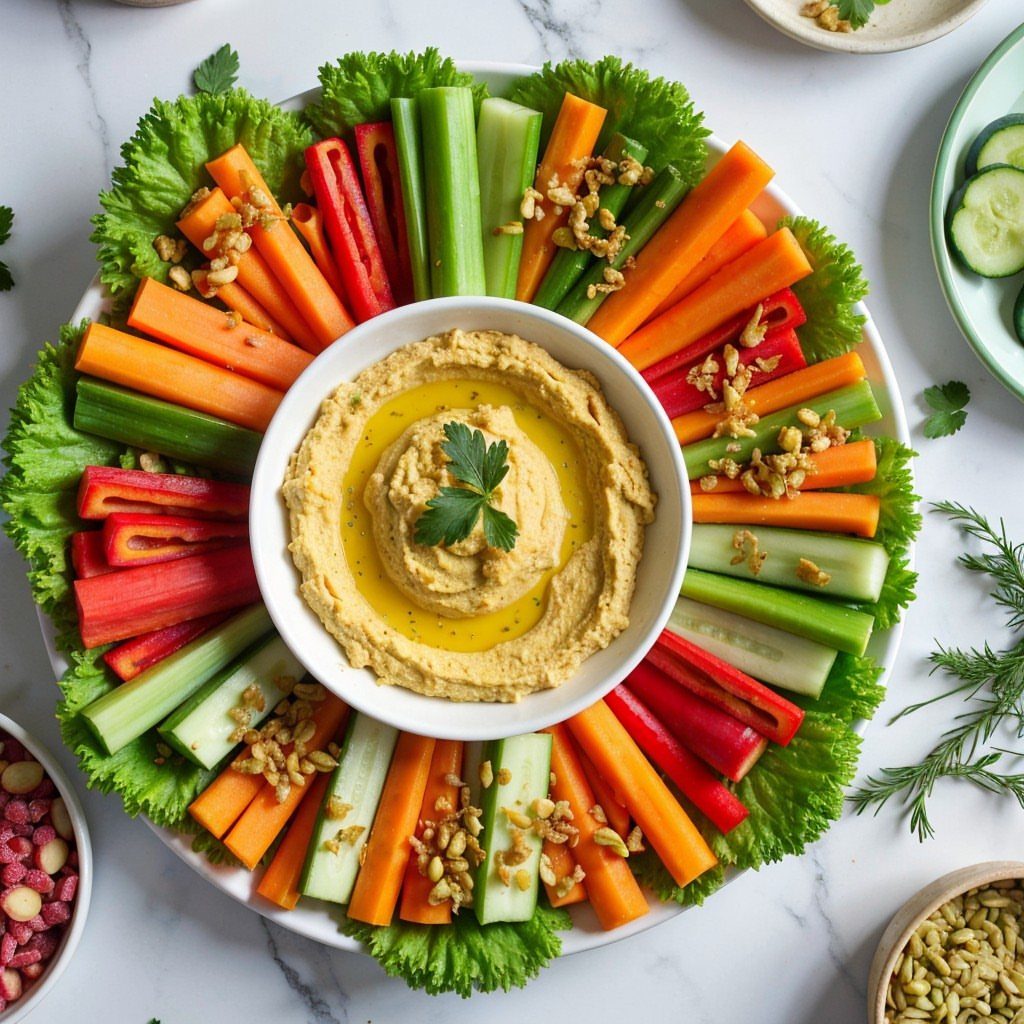
Cut carrots, celery and red pepper into sticks once, and you have dippers for several days. Store them in a container in the refrigerator, and a damp paper towel on top keeps them crisp.
Hummus is the filling part, thanks to the chickpeas, so give it a generous scoop.
Store-bought is fine; look for a short ingredient list. If your kids skip the celery, switch in cucumber or snap peas and keep the pepper, which most of them will eat.
6. Apple with Peanut Butter
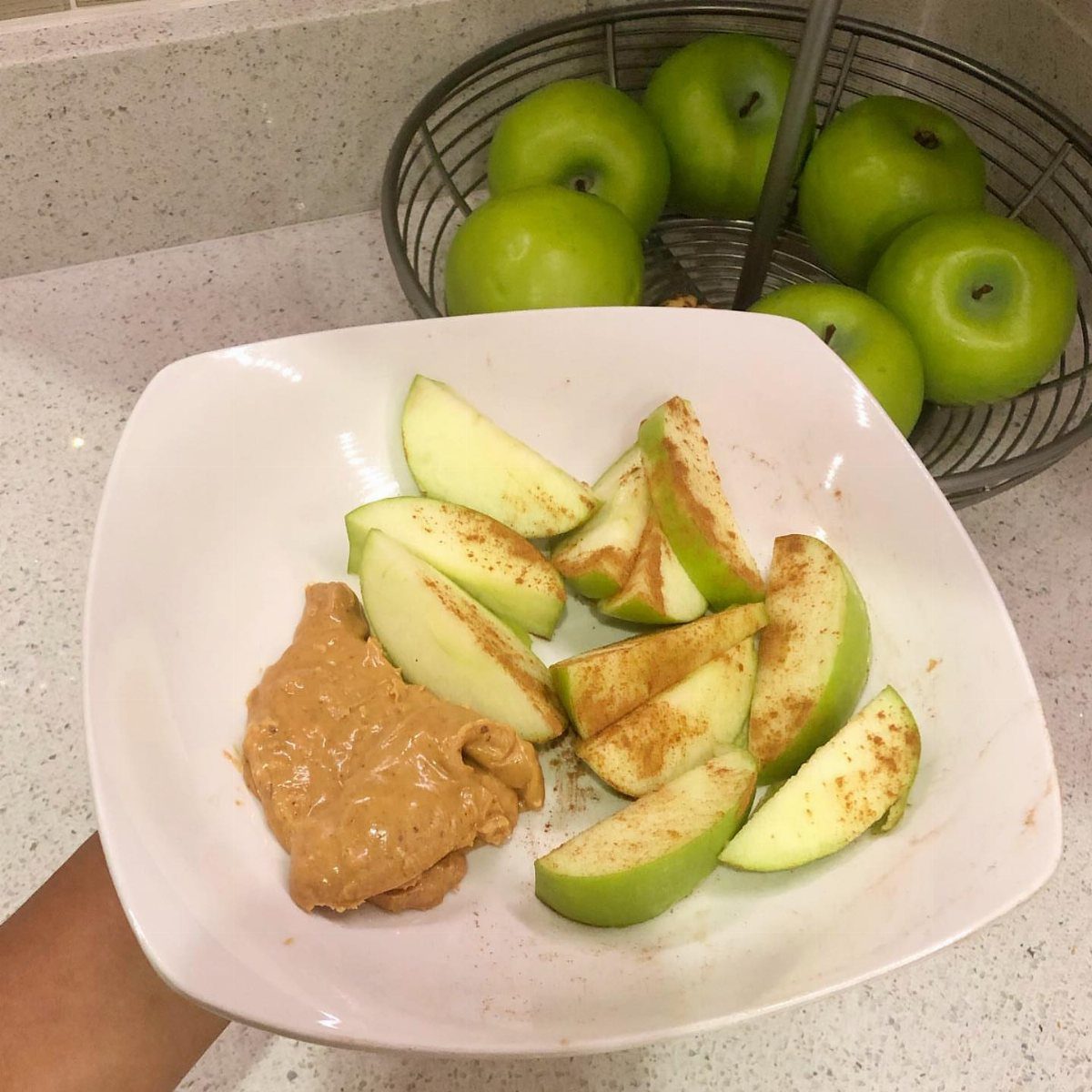
Green apples hold up better than sweeter varieties, and their tartness balances rich peanut butter. Slice them as late as you can, or toss the slices in a little lemon juice if they have to wait.
A sprinkle of cinnamon adds warmth without adding sugar.
Spoon the peanut butter into a small dish for dipping instead of spreading it on every slice, which keeps it tidy for lunch boxes and car rides. Pick a peanut butter made with just peanuts and salt if you can.
7. Cheese and Fruit
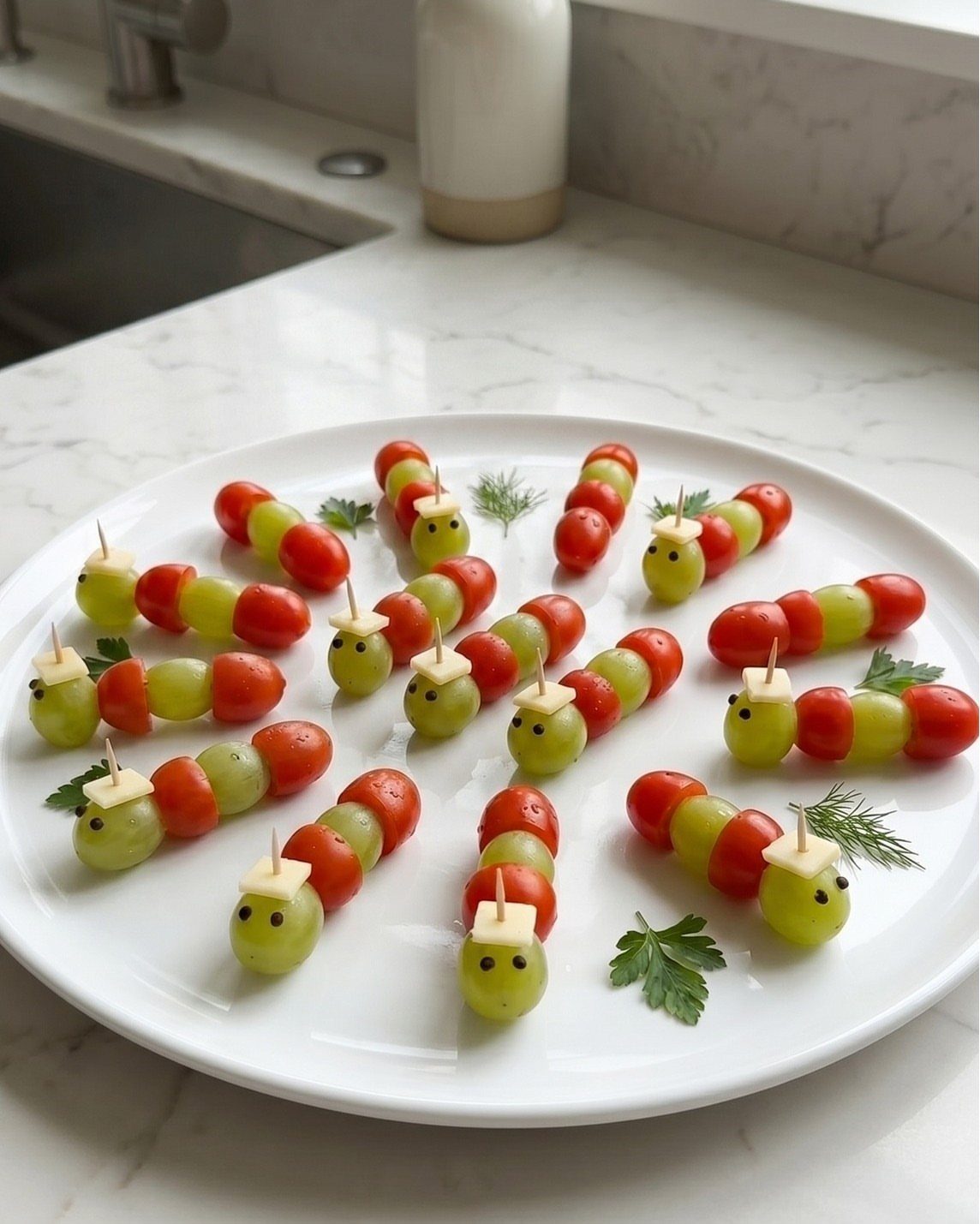
Cheese and fruit balance each other: one salty, one sweet.
Use what you have. Grapes, apple slices, pear or dried apricots all work.
Cut the cheese into cubes so kids can pick them up easily.
Cheddar, mozzarella and Colby Jack are safe choices. Thread fruit and cheese onto toothpicks if you want a tidy grab-and-go option, or arrange them on a plate and let everyone build their own.
8. Whole-grain Crackers and Cheese
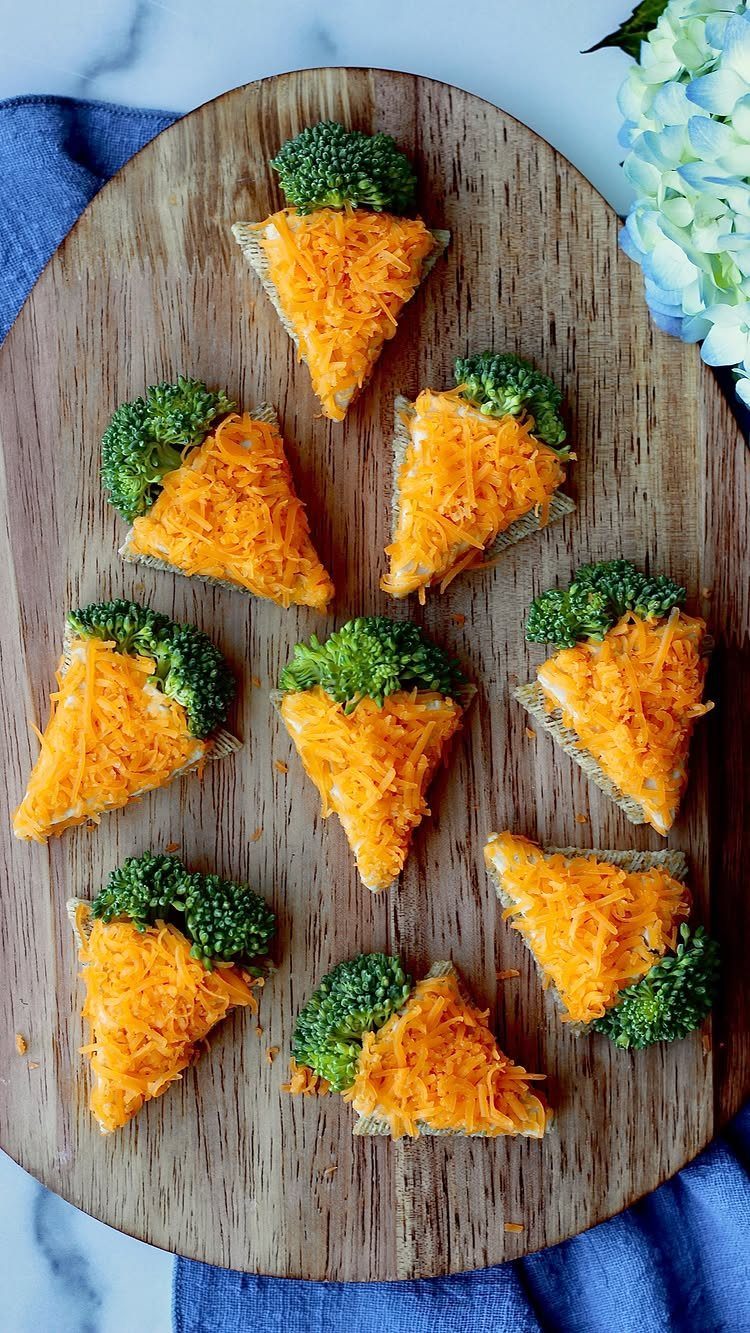
Whole-grain crackers stay sturdier than white ones under a slice of cheese, and the fiber keeps you full longer. Flip the box over and check the fiber line; 3g or more per serving is what you want.
Layer cheese on top and add a vegetable if you want more crunch.
Shredded cheddar melts a little if you warm the crackers first, or use sliced cheese straight from the package. Skip the oven, because this snack needs no heat at all.
The light, airy puffs mimic the texture of Cheez Doodles and have 6 grams of protein and 5 grams of fiber per serving.
— theSkimm
9. Roasted Chickpeas
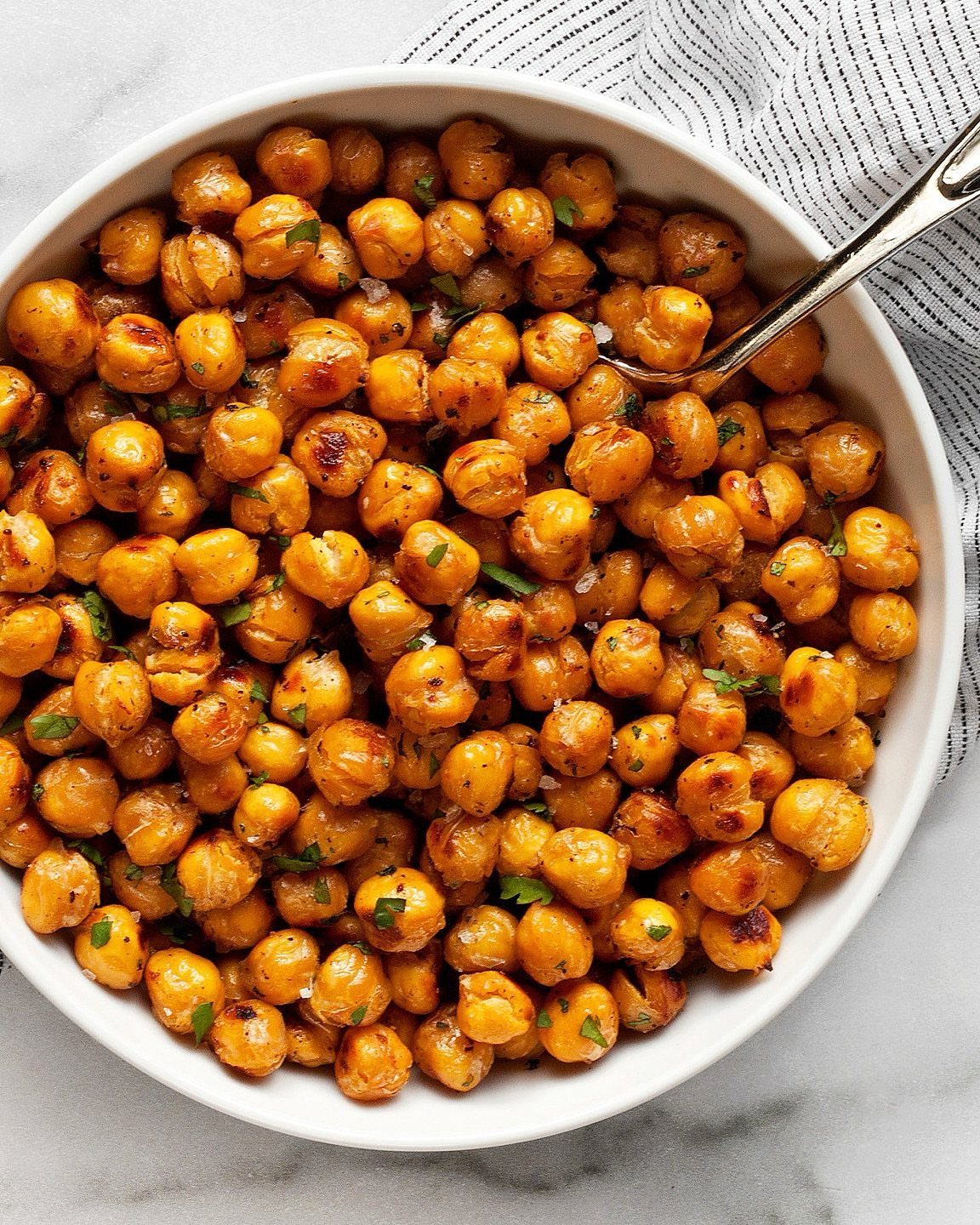
Roasted chickpeas turn crisp and salty, so they work where chips or crackers usually go. Drain a can, pat the chickpeas dry, toss them in a little oil and roast at 400°F until crisp, stirring halfway through.
Season them after roasting.
Salt, garlic powder and paprika are simple, or try cumin and chili powder for heat. They lose their crunch after a day, so roast only what you’ll eat soon.
10. Edamame
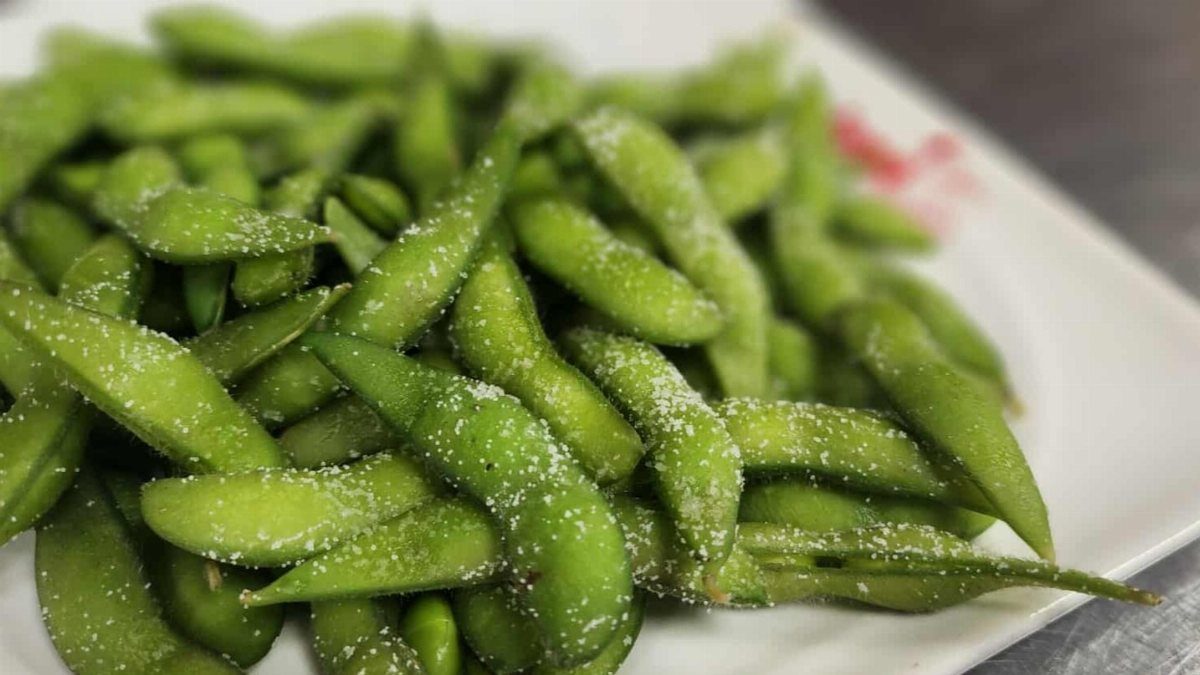
Steamed edamame in the pod gives you something to do with your hands while you snack. Boil a pot of salted water, add the pods, cook until tender, and drain.
Sprinkle coarse salt over the top while they’re still warm.
Squeeze the beans out of the pod and discard the shell. Frozen edamame is easier to keep stocked than fresh, and it cooks just as quickly.
11. Cheese and Tomato
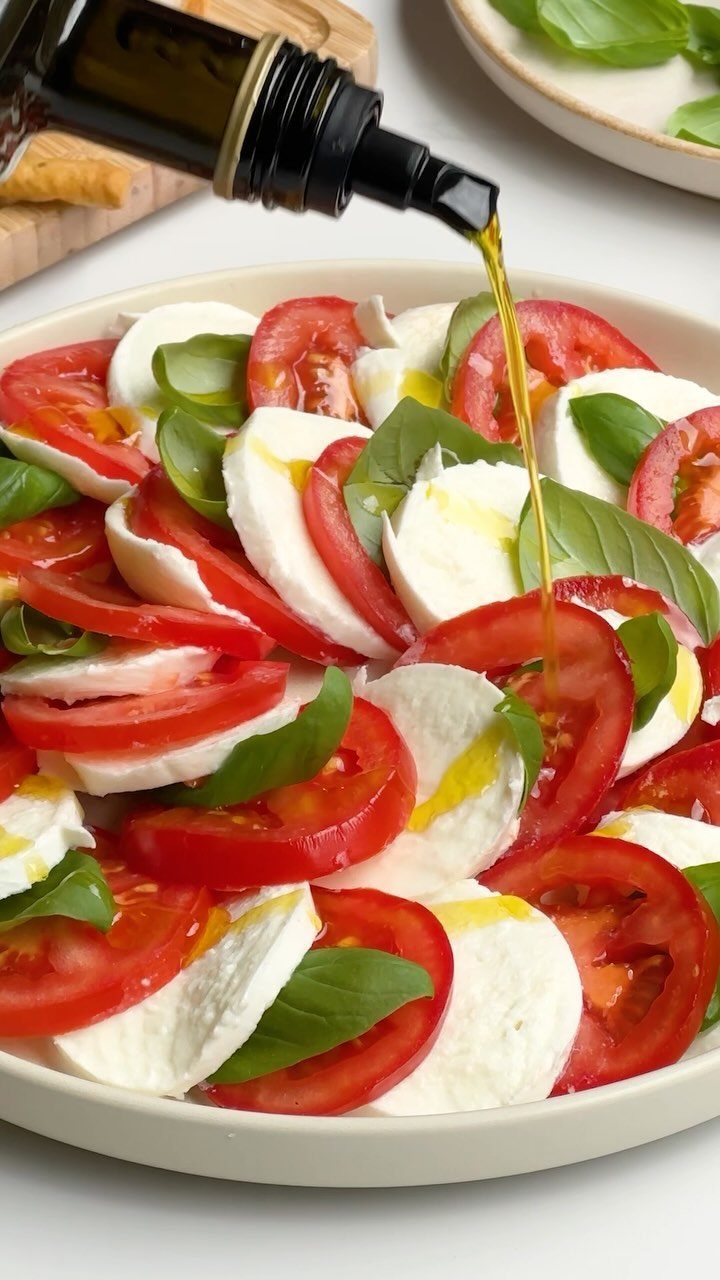
Slice a ripe tomato, layer it with mozzarella, and tuck basil leaves between them. Drizzle olive oil over the top and add a pinch of salt and black pepper.
Fresh mozzarella tastes milder and creamier than the low-moisture kind.
If the tomatoes are out of season, cherry tomatoes hold their flavor better than slicing tomatoes. From fridge to plate takes under 10 minutes, and the stove stays off.
12. Guacamole with Sweet Potato Chips
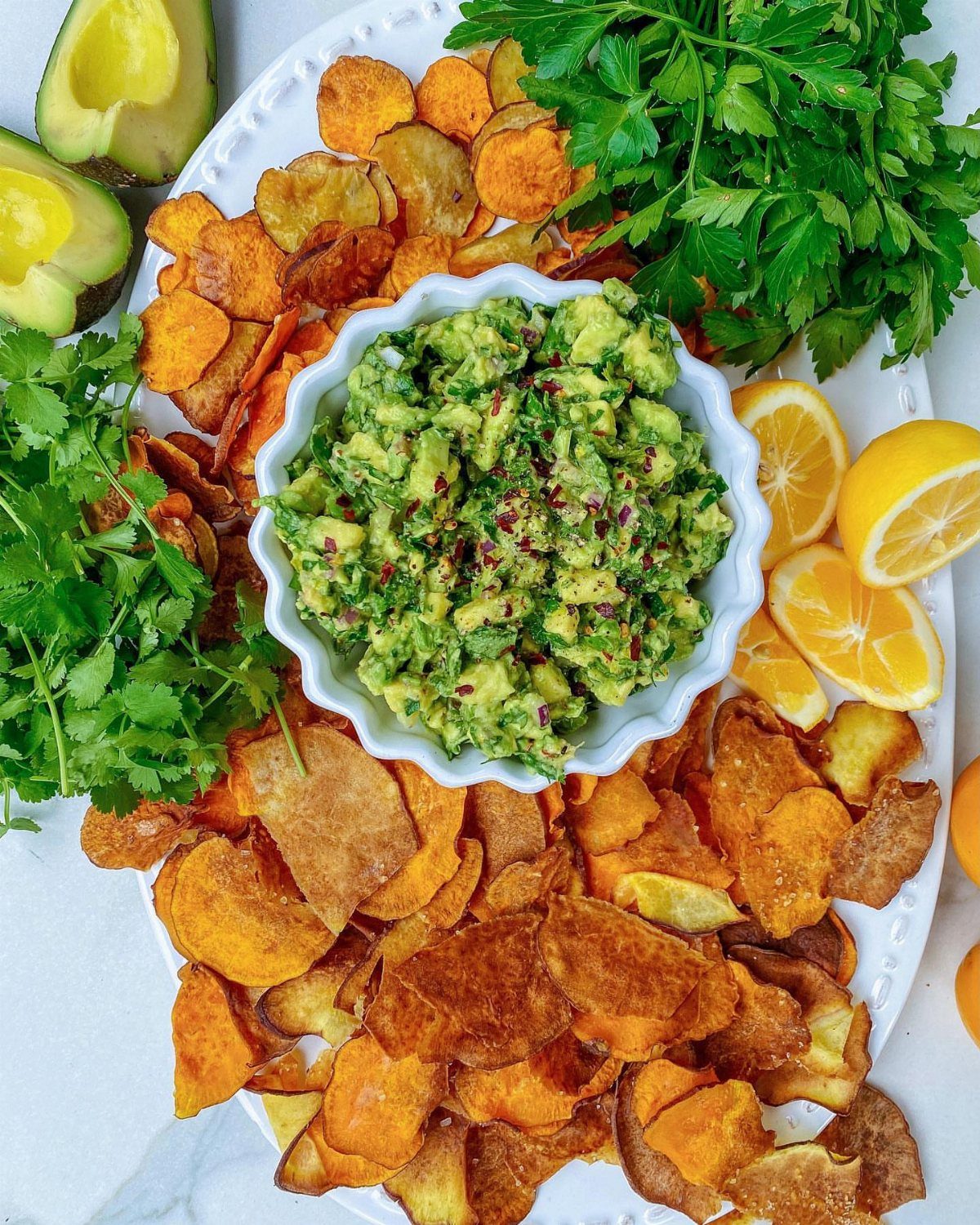
Sweet potato chips are thicker and sturdier than regular chips, so they hold up under guacamole without breaking. Look for baked chips if you want less oil, or fry your own from thinly sliced sweet potatoes.
Mash 2 ripe avocados with lime juice, salt and a little diced onion or cilantro.
Taste it before serving and add more lime if it needs brightness. Guacamole turns brown fast, so make it close to when you’ll eat it.
13. Caramelized Peaches with Cream
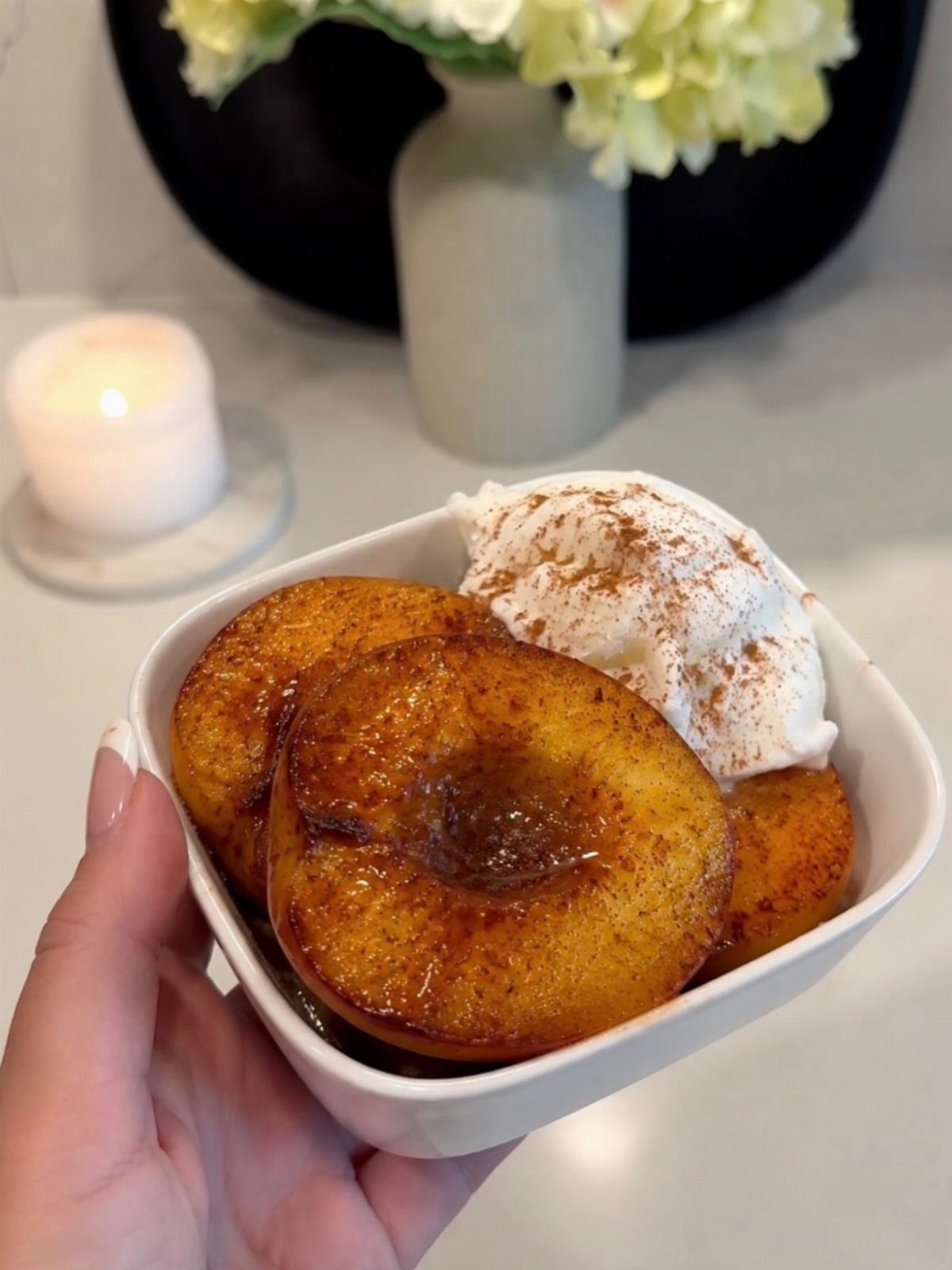
Cooked cut-side down in a hot pan, a peach half browns and turns jammy while the fruit stays tender. Ripe peaches give the best result, because their own sugar does the caramelizing.
Spoon softly whipped cream or a little thick yogurt over the warm fruit and dust it with cinnamon.
Serve it right away, since the contrast between warm fruit and cold cream is the appeal. Dessert for a weeknight, and it takes one pan.
14. Mixed Nuts
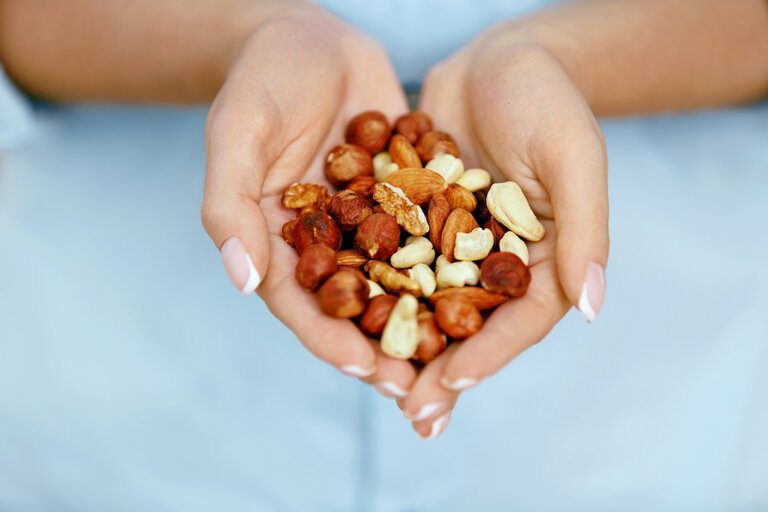
Almonds, cashews and hazelnuts need no prep at all, which is why a handful works as a snack from a desk drawer or a bag in the car.
Nuts pack a lot of calories and fat into a small volume, so a small handful is plenty.
Buy them unsalted or lightly salted and mix your own, so you control the sodium.
Portion into small containers ahead of time, because eating from a big bag makes it easy to lose track. Kids can pick out their favorites.
15. Dried Fruit and Meat Sticks
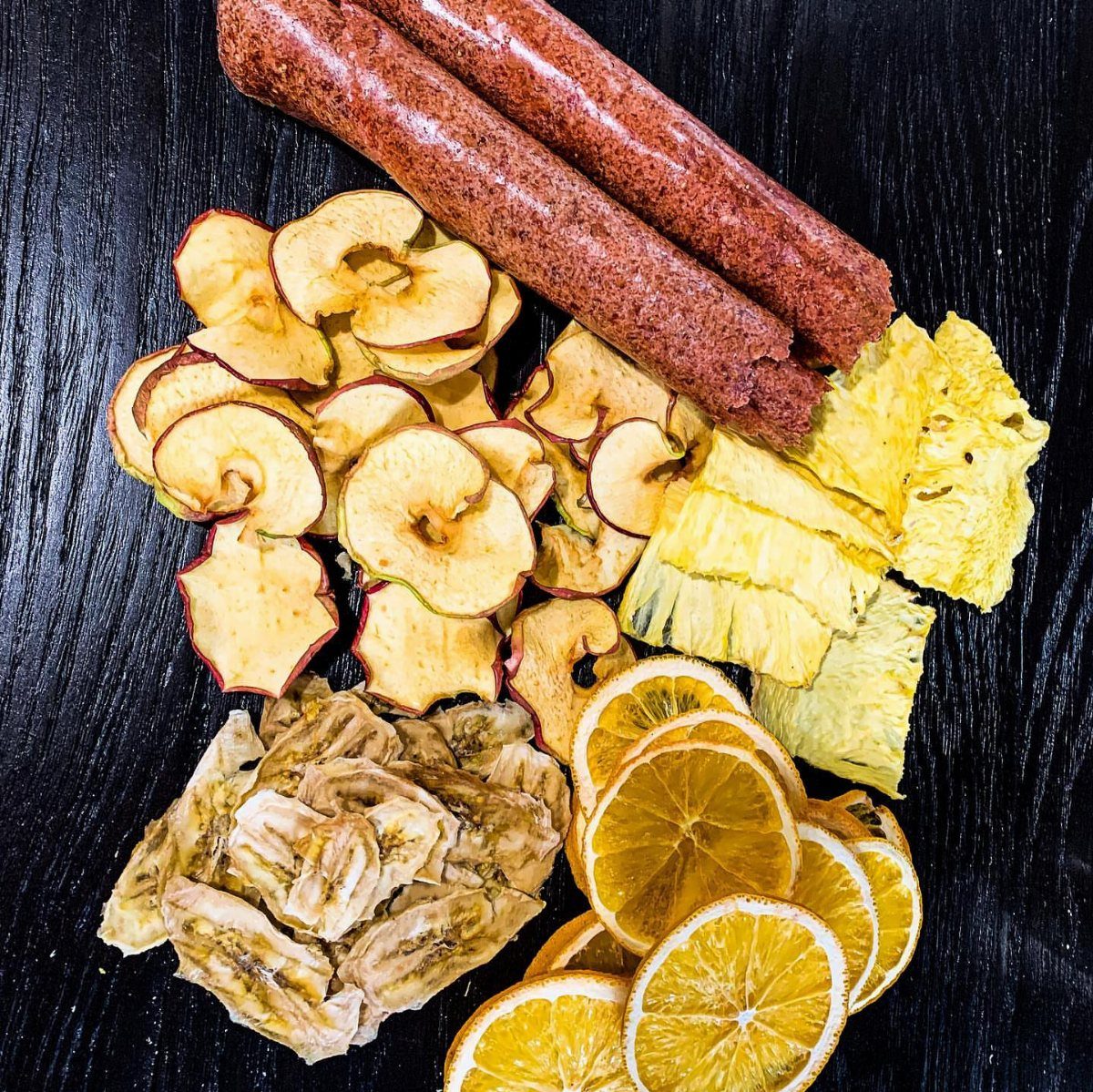
Dried fruit brings sweetness and meat sticks bring salt and protein, so together they cover both cravings without a fridge. Both pack flat into a lunch box, backpack or carry-on.
Read the labels on each. Plain dried apple, banana, orange or pineapple slices with no added sugar are the better pick, and meat sticks with a short ingredient list beat the sweetened, heavily flavored ones.
Dried fruit is easy to overeat, so portion it into small bags before you leave the house.
16. Seasoned Crackers
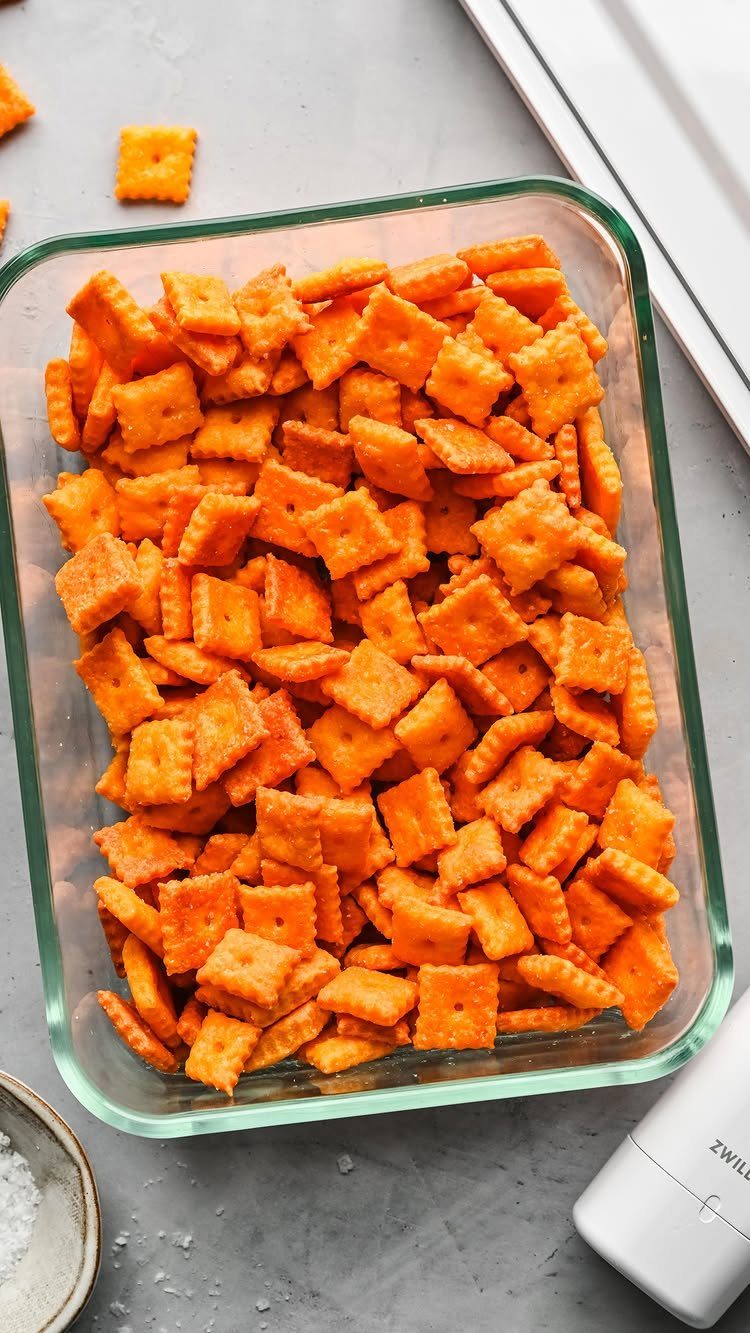
Plain square crackers become a snack worth reaching for once they’re coated in a seasoning like orange.
Toss them in a bowl with a little oil or melted butter and your seasoning, spread them in a baking dish, and bake low until dry.
Stir once partway through so the coating stays even.
Let them cool completely before sealing them in a container, or they’ll go soft. A small bowl of salt on the side lets everyone adjust their own.
17. Avocado Chickpea Toast
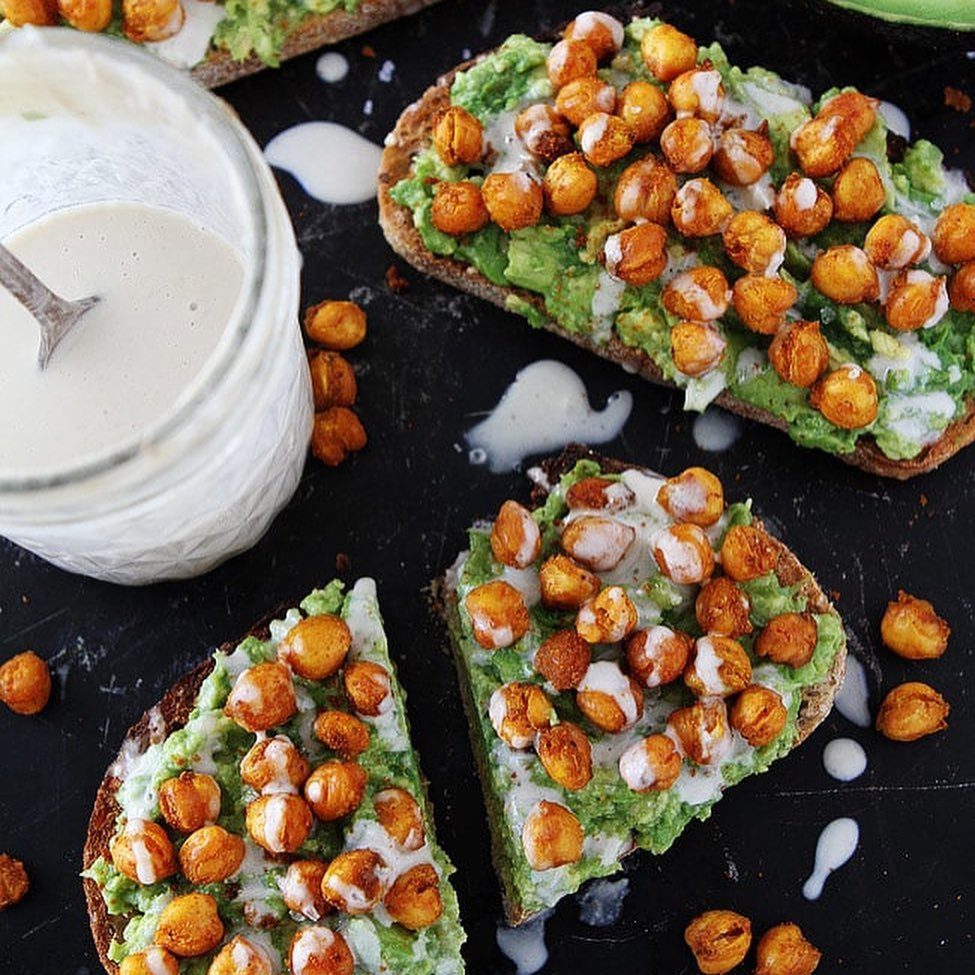
Mashed avocado gives toast a creamy base, and roasted chickpeas add crunch and protein on top. Season the avocado with salt and a squeeze of lime so it doesn’t taste flat.
Toast the bread well so it holds the weight. Add the chickpeas just before eating, since they soften quickly under moisture.
A drizzle of a yogurt-based or tahini sauce finishes it. For a bigger meal, make 2 slices.
18. Chocolate Mousse Cups
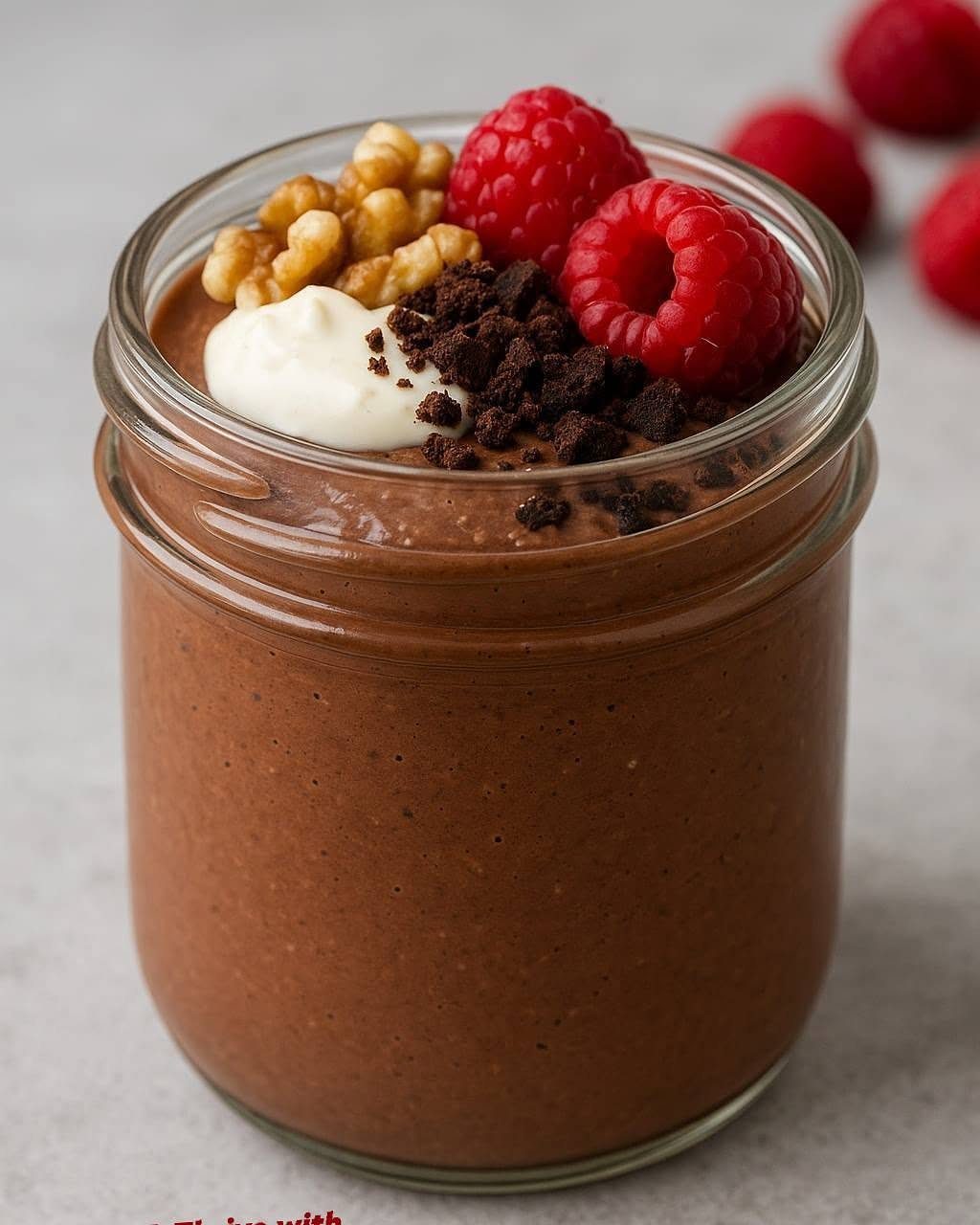
Spooned into a jar, chocolate mousse becomes its own portion, so there’s no cutting or serving. Raspberries add tartness against the rich chocolate, walnuts add crunch, and crushed cookies add a bit of texture on top.
Make the mousse a day ahead and chill it in the jars.
Add the toppings just before serving so the cookie crumbs stay crisp and the berries stay firm. Small jars keep the portion sensible.
19. Shakshuka with Toast
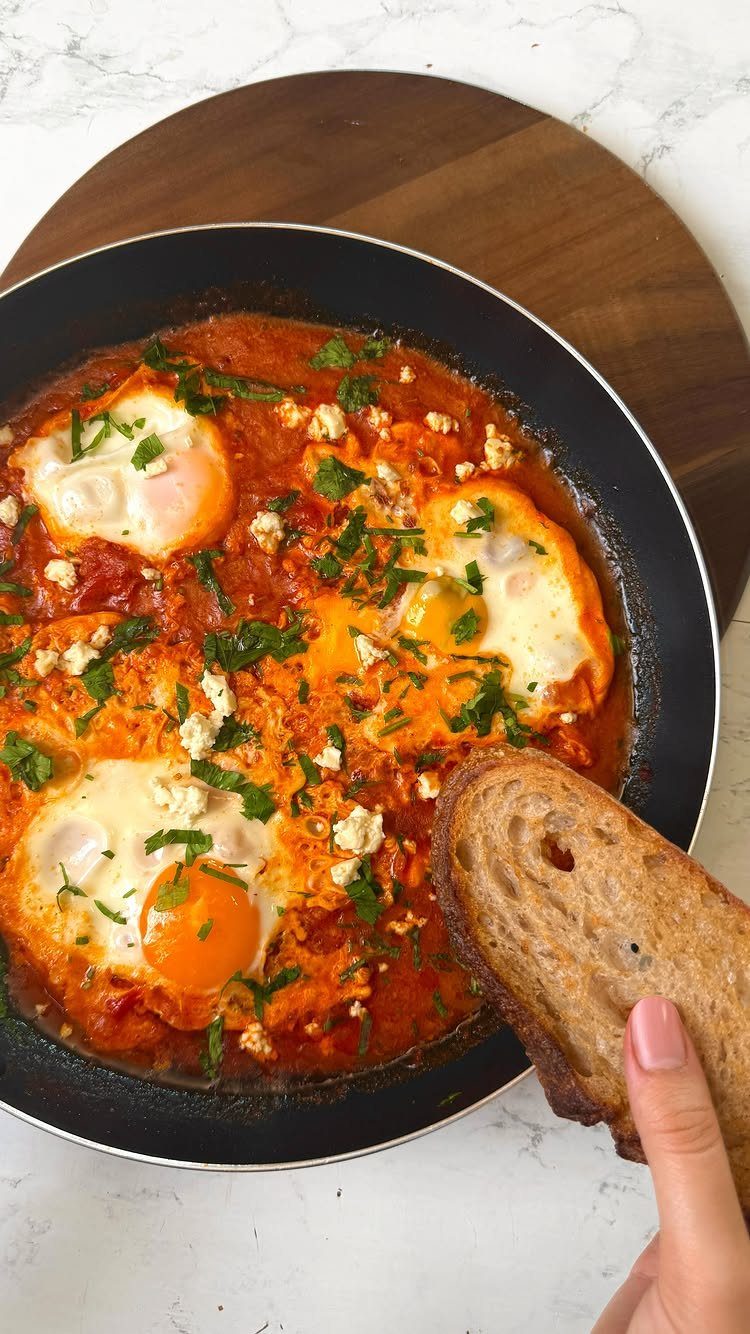
Poached eggs sit right in the tomato sauce, so one skillet makes the whole snack, and the yolk turns into a second sauce for the bread.
Make the sauce first and let it simmer until it thickens.
Then press small wells into it and crack in the eggs, covering the pan until the whites set. Crumble feta over the top and add herbs at the end.
This is a snack that eats like a small meal, so serve it in smaller portions or share one pan.
Balance Food Groups and Nutrients
Fiber-rich carbohydrates last longer when you pair them with protein or healthy fat.
The same logic applies to a sweet craving: fruit with a little fat or protein keeps your energy steadier than fruit alone.
Stock the kitchen by food group so pairings are easy.
Cook several eggs hard at once, then let them cool, peel them, and chill them in the refrigerator. Keep sunflower or pumpkin seeds, lean sliced lunchmeat and grape tomatoes on hand, plus broccoli florets for dipping.
Buy cereal or crackers only when "whole grain" is the first ingredient.
Air-pop kernels for popcorn, and keep plain or low-sugar instant oatmeal packets for anywhere with hot water. Cans of low-sodium vegetable juice are sold in 5.5-ounce and 8-ounce sizes.
Because you build the snack from real food groups, there’s less room for the extra fat and sugar that packaged snacks carry.
Plan Portions and Keep Snacks Handy
Pick the places where hunger usually hits, such as the car, your desk and the bag you carry every day, and keep something in each.
Once a snack is packed and waiting, a slump in energy doesn’t leave you making a decision.
Clear a dedicated shelf or bin for snacks in both the refrigerator and the pantry. Sweets and chips can stay in the house; make them the exception instead of the default.
Check the serving size on the package before you eat from it, because one bag can hold more than a single serving. Nut butter is calorie-dense too, so measure it into a small container instead of eating from the jar.
For a whole-grain snack, check the label for at least 3 grams of fiber.
Mindful Eating and Snack Timing
Eat between meals when the gap is long or a workout is coming, rather than from habit or boredom. If the urge hits, drink a glass of water first, since thirst is sometimes mistaken for hunger.
If you’re starving at 3 o’clock every day, lunch was probably too small. Eat more at lunch or move it later before you add a snack.
Grazing makes it hard to notice when you’re hungry or full, and skipping meals leads to poorer choices and overeating later.
Take snacks to the table instead of eating in front of the TV or a video game. Start with the one time of day you’re most tempted, like mid-afternoon or evening, instead of changing every habit at once.
Frequently Asked Questions
Is snacking bad for you?
No.
A snack can sit comfortably in a balanced day as long as the food has some weight to it. A good snack can ease hunger, steady your energy and keep you from overeating at the next meal.
It also gives you another chance to get fruit, vegetables and fiber. Problems start when most of your snacks are chips and candy, since those calories can creep into weight gain over months.
What snacks should I choose?
Match something high in fiber with something that has protein.
Apple slices with peanut butter, carrot and pepper sticks with hummus, or whole-grain crackers with cheese all work this way. An apple on its own wears off quickly; add a spoonful of peanut butter and it holds you longer.
What makes a snack healthy?
Whole foods that keep you full, through protein, fiber, healthy fat or a mix of them, make a snack worth eating.
Fruit, vegetables, whole grains, nuts, seeds, beans and dairy all fit. With crackers or cereal, "whole grain" should be the first ingredient listed, and the whole list should be short.
What are good on-the-go snacks?
Mixed nuts, trail mix, whole fruit like apples or bananas, and dried fruit with meat sticks all travel without a fridge. Tuck hard-boiled eggs and cheese into a small insulated bag and they travel well.
Pack them in small containers the night before or right before you leave. Because dried fruit is so easy to keep eating, measure out a small handful into its own bag.
What about chips, chocolate and candy?
Most of them are heavy on saturated fat, added sugar or salt and light on fiber and protein, so hunger comes back fast.
They can still work as an occasional treat in a small portion, like a mini bag of chips or a mini-size candy bar.
Treat them as an occasional pick rather than what’s in the cupboard every day, and the habit gets easier to keep.
How do I stop reaching for processed snacks when I’m tired?
Keep them out of easy reach, or out of the house, and put ready-to-eat options at the front of the fridge, like cut vegetables and hummus.
Small containers of pre-portioned snacks keep you from eating more than you meant to. If the slump hits at the same time every day, a snack already packed in your bag or desk drawer means there’s no decision to make.
What if I’m still hungry after a healthy snack?
Have a tall glass of water and wait a few minutes, because thirst can feel a lot like hunger. Still hungry?
Add protein or fat, such as a second egg or 1 tablespoon of nut butter. A daily 4 p.m. crash usually points back to a small lunch, so make lunch bigger or eat it later.
Is it better to buy snacks at the store or make them at home?
Homemade is often the healthier choice because you decide what goes in, including the sugar and salt.
Plain yogurt with frozen raspberries and a little maple syrup is one example. For store-bought snacks, scan the label for little added sugar and sodium, few ingredients, and a decent amount of fiber or protein.