
Pantry staples already do most of the work: canned tuna and shell pasta cook together in 1 pot, a store-bought rotisserie chicken gets shredded into wraps, and a single jar of curry powder covers what would otherwise take 6 or 7 spices.
The recipes run from grilled cheese and a mug cake to carbonara and shakshuka, where you learn to control heat and poach eggs right in the sauce.
1. Pasta with Tomato Sauce
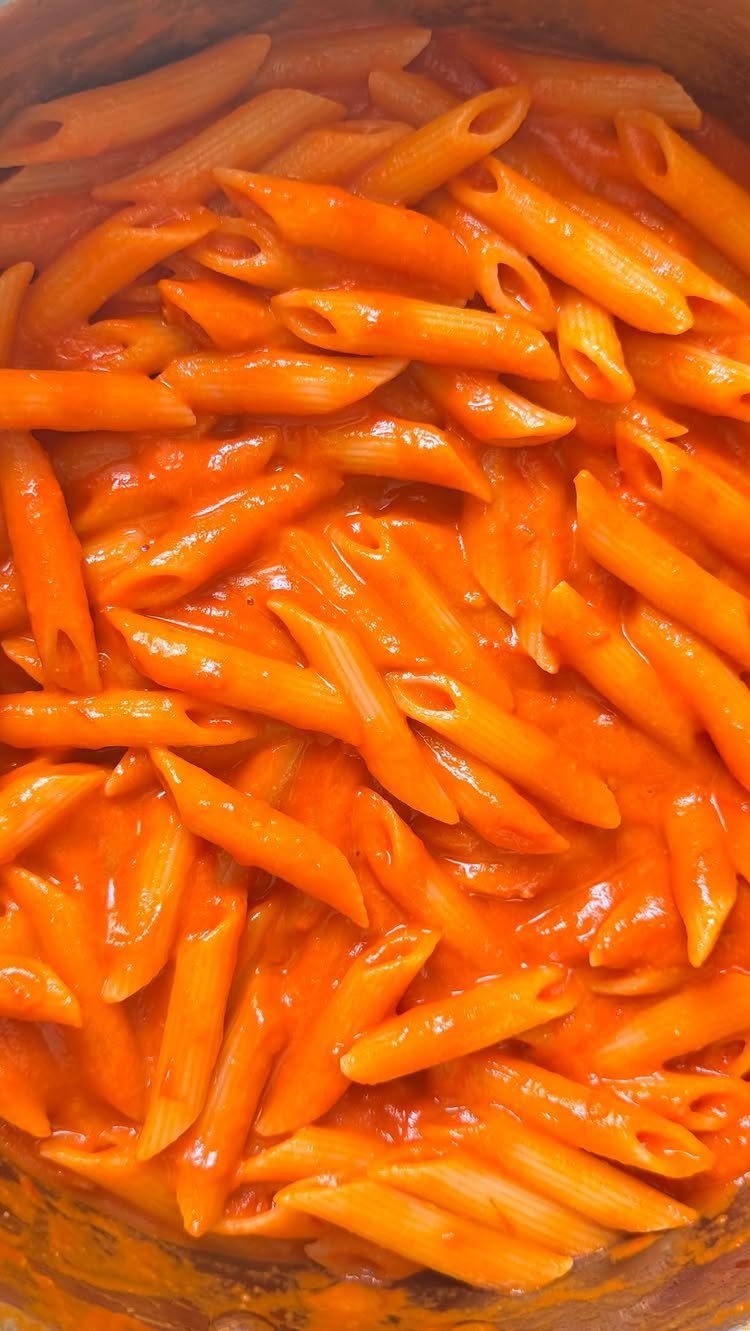
Boiling pasta and simmering a sauce are the 2 moves behind half the dinners you’ll ever cook, and this dish teaches both with nothing to hide behind.
Salt the water well and pull the penne while it still has some bite.
Then finish it in the sauce, right in the pot. Penne’s ridges and hollow tubes grab the sauce, and 1 pot means 1 thing to wash.
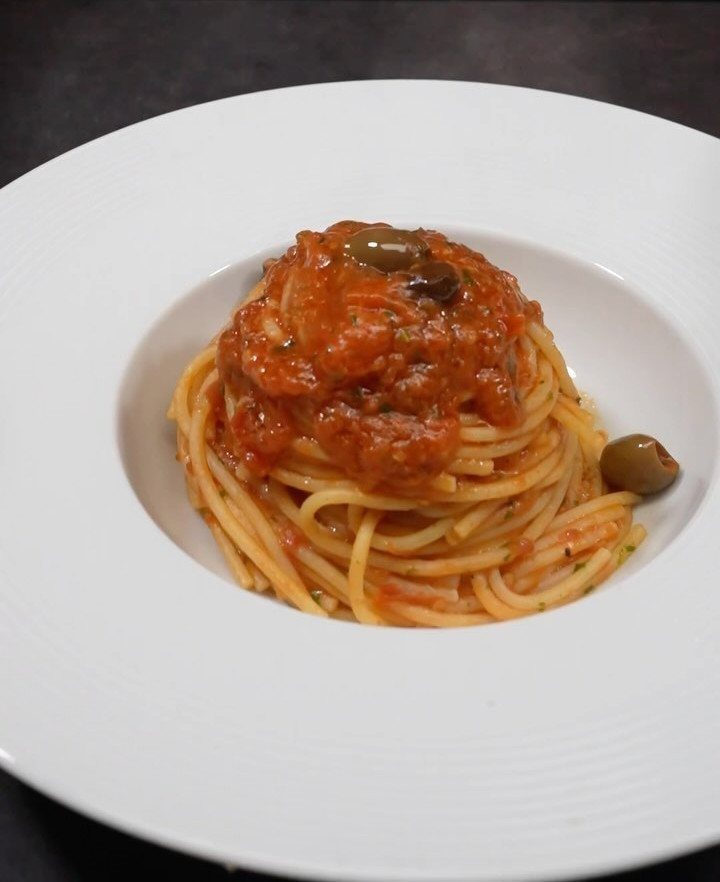
2. Spaghetti Alla Puttanesca
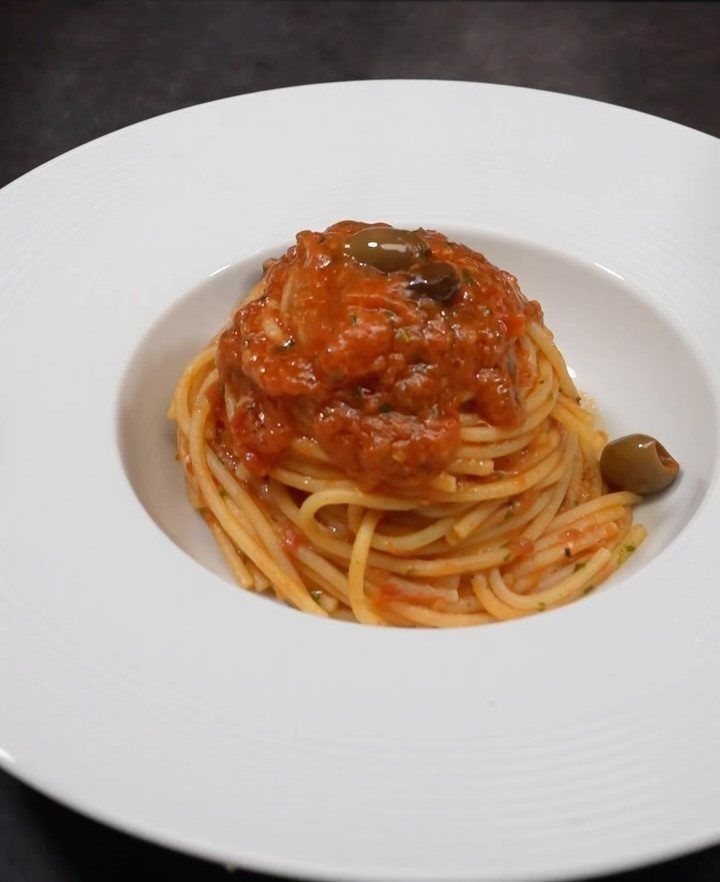
Olives, capers, anchovies, garlic and canned tomatoes do most of the work in puttanesca, so the sauce needs little more than a skillet and the time the spaghetti takes to boil.
That makes it one of the fastest dinners on this list.
Olives are salty, so taste the sauce before you add any salt of your own. Toss the drained spaghetti in the pan so the chunky sauce coats each strand.
3. Carbonara
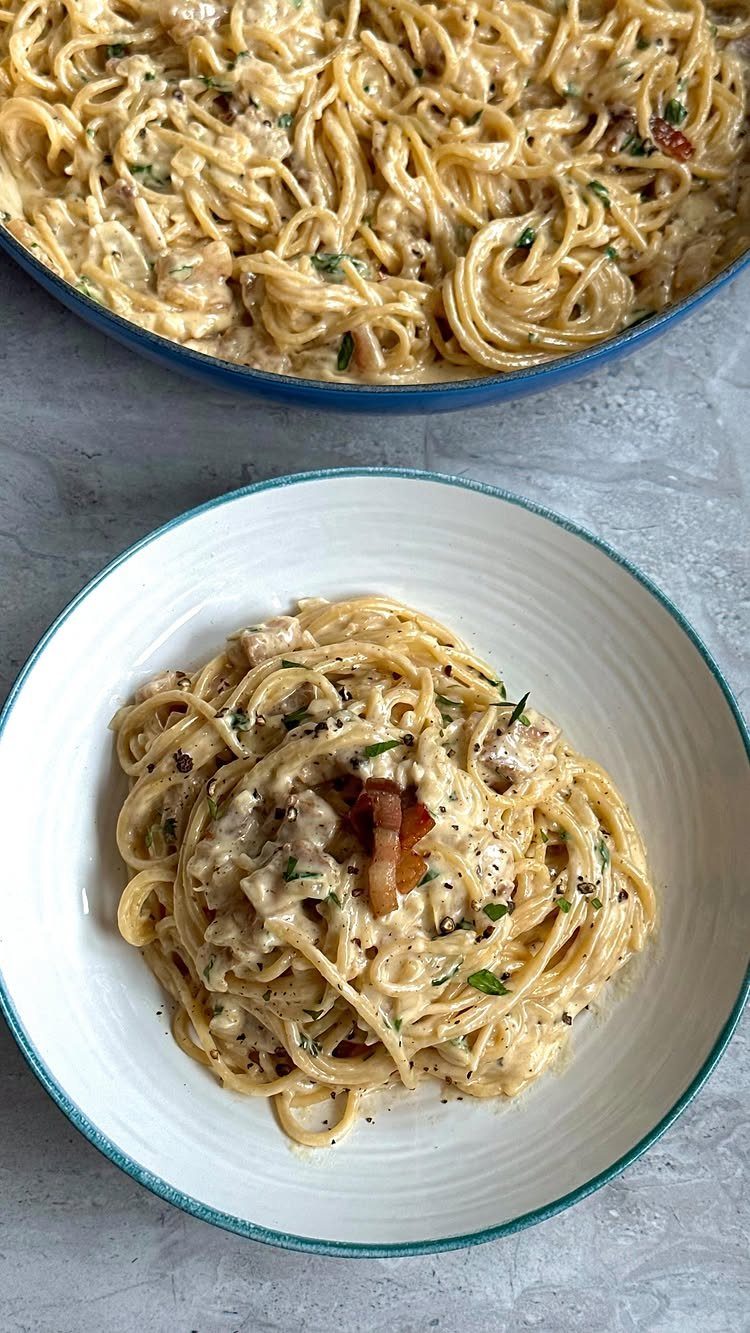
Heat is the one thing that can go wrong with carbonara. Take the pan off the burner before the egg mixture goes in, then toss quickly so the eggs thicken into a creamy coat instead of scrambling.
Pancetta, black pepper and a good handful of cheese carry the flavor.
Save a little pasta water before you drain; a splash loosens the sauce if it tightens up. Bacon works if your store doesn’t stock pancetta.
4. Canned Tuna Pasta
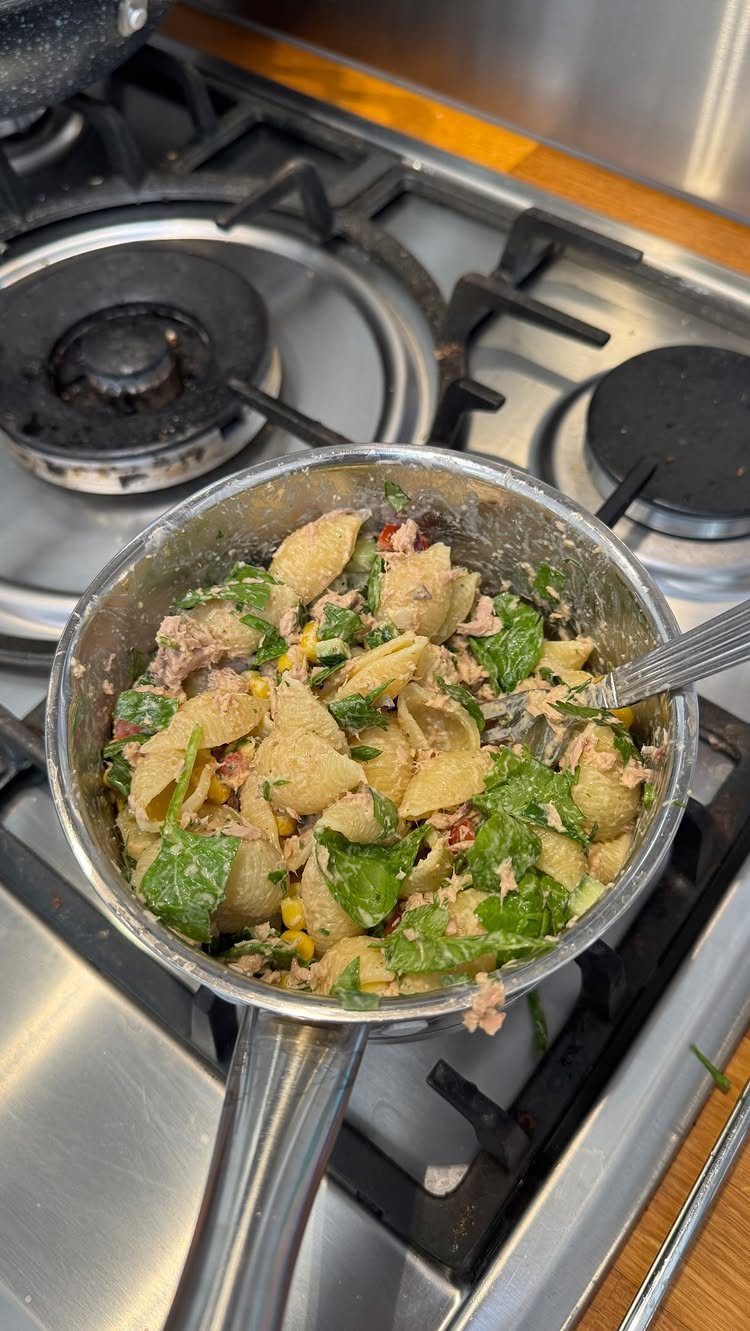
A can of tuna turns a box of shell pasta into dinner in a single pot. The shells scoop up corn and flaked fish, and spinach stirred in at the end wilts from the heat of the pasta alone.
Drain the tuna first so the dish doesn’t turn watery. It’s a pantry meal, which suits a week when the fridge is nearly empty.
5. Indian Curry
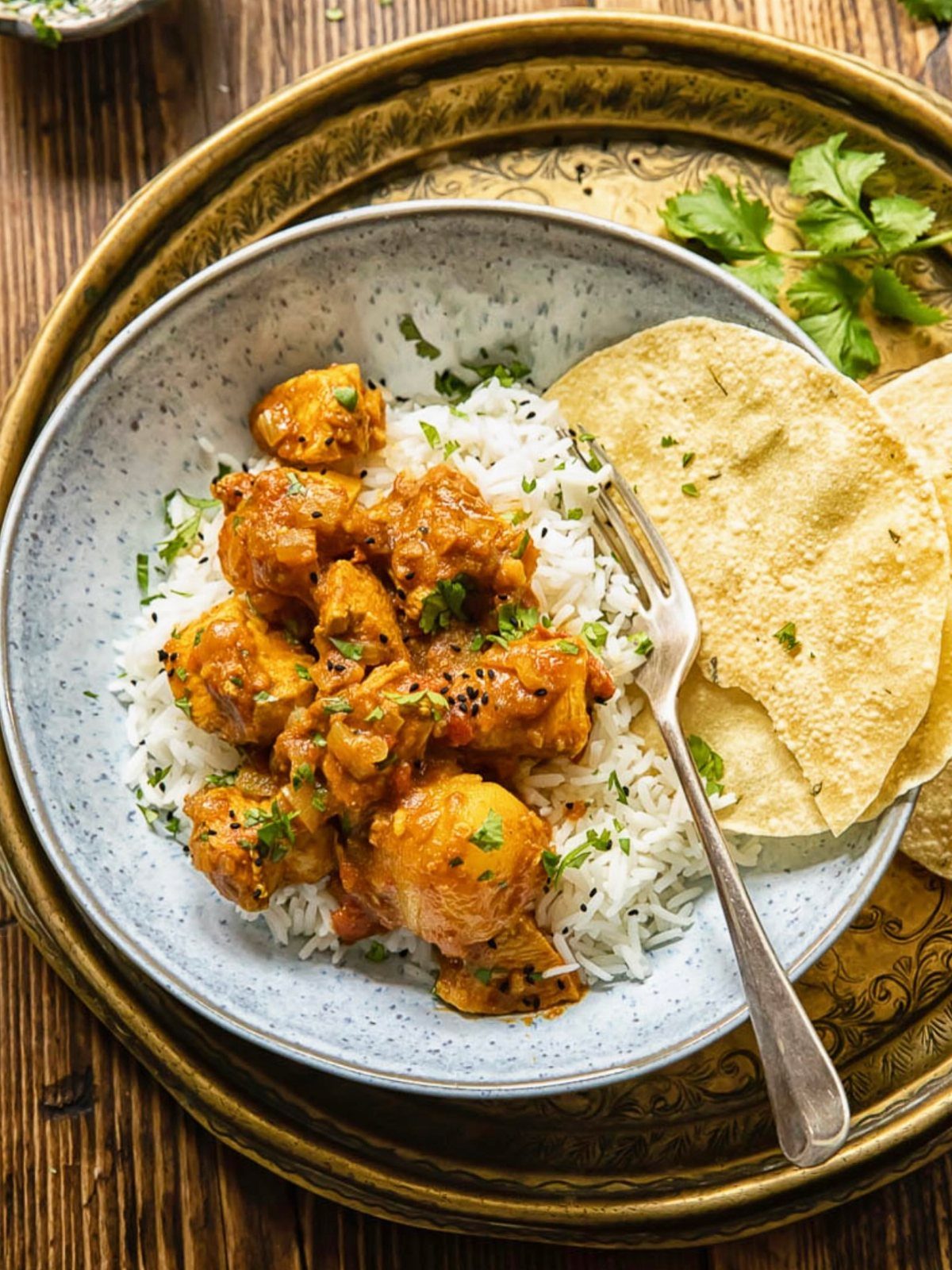
Curry powder is the shortcut: one jar stands in for the long list of spices that traditional curries call for. That costs you some depth, but it gives a beginner a reliable, well-balanced flavor on the first try.
Chicken keeps the dish hearty, and white rice is the easiest base to cook alongside it. Papadum is optional; it adds crunch at the table and takes no extra cooking skill.
6. Shakshuka
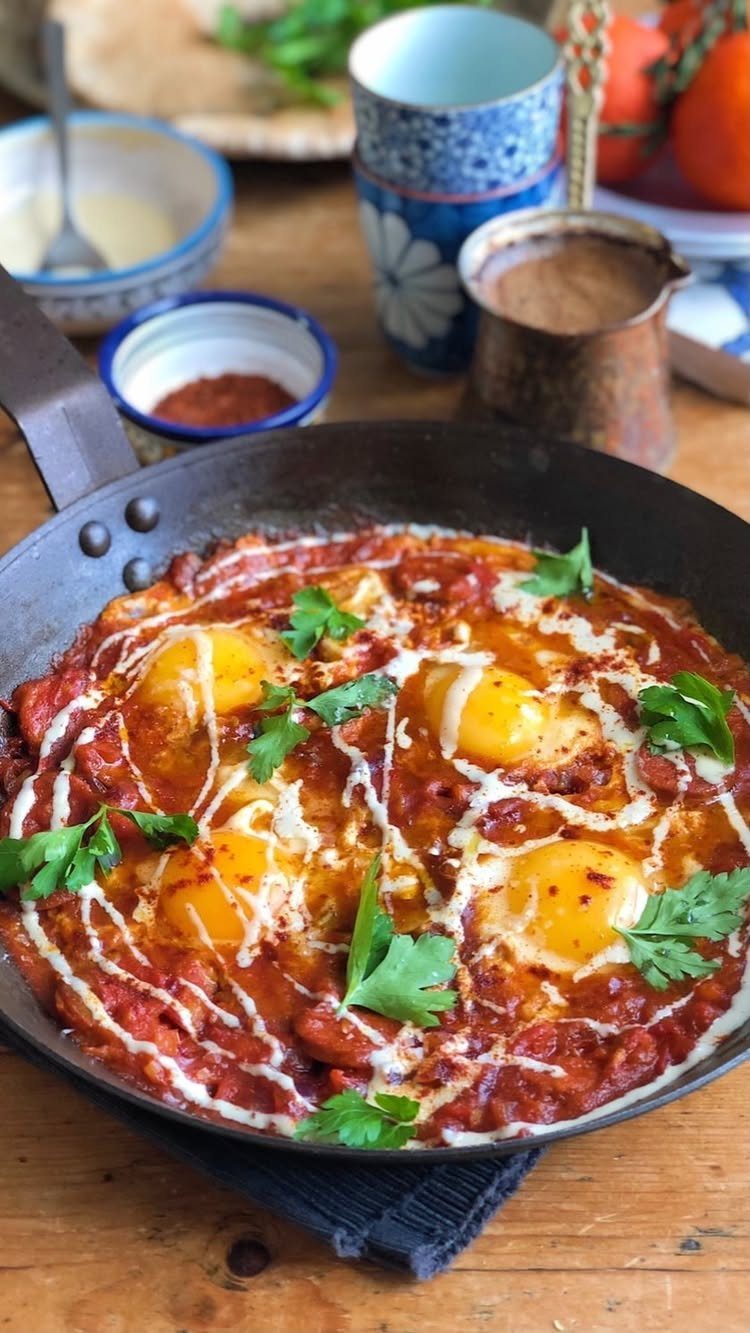
Eggs poached right in the sauce make shakshuka a true one-skillet meal. Cook down tomatoes and bell peppers until thick, because a thin sauce lets the eggs spread and set unevenly.
The cook behind this version presses wells into the sauce with the back of a spoon, then cracks an egg into each one. Finish with parsley, and keep bread nearby for the sauce.
7. One-pot Soups or Stews
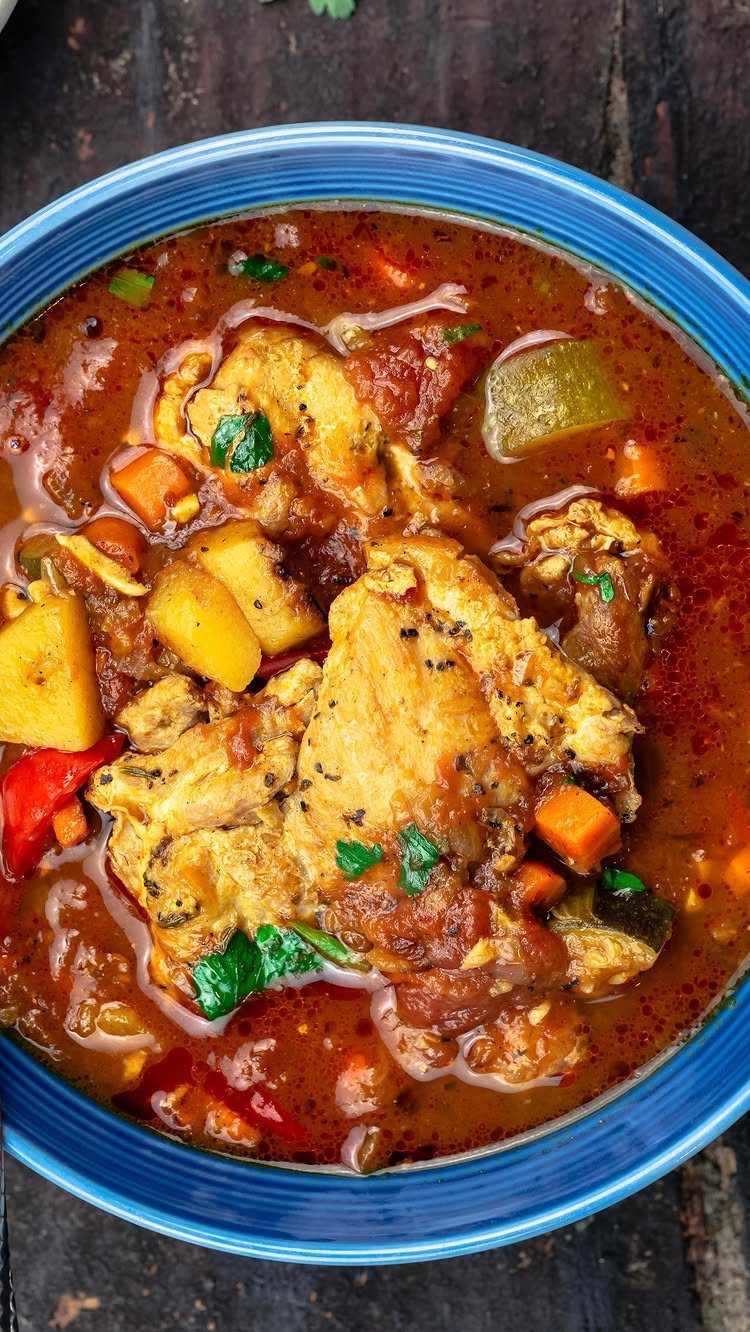
Stew teaches you to build flavor in layers. Brown the chicken first, then soften an onion in the same pot, then add liquid and scrape up the browned bits from the bottom.
Cut the potatoes and carrots into pieces of similar size so they finish together.
Keep the heat low enough that the surface barely bubbles; a hard boil toughens the chicken. Taste near the end and add salt then.
You wash 1 pot, and leftovers taste better the next day.
8. Mug Cakes or Fruit Crumbles
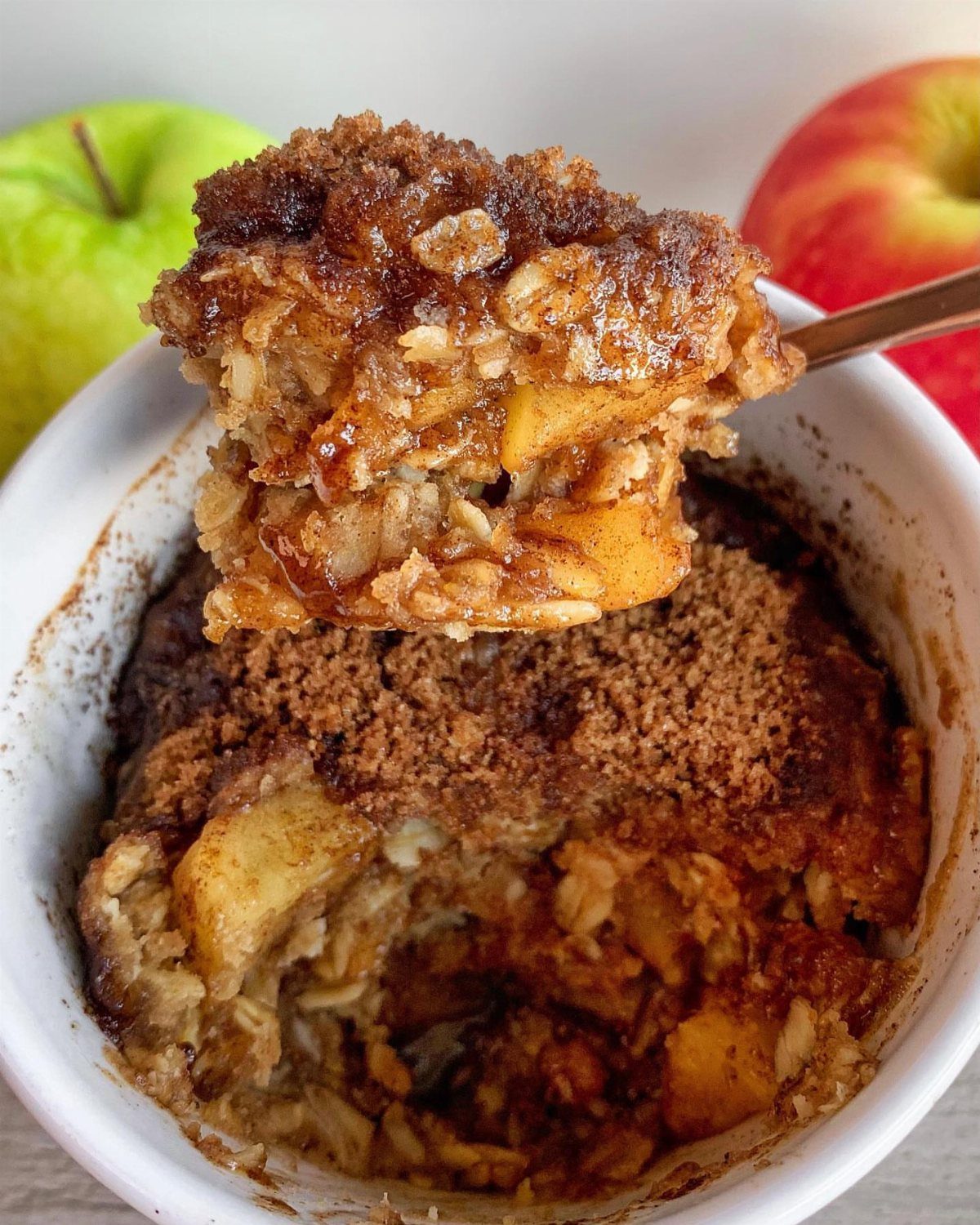
An apple crumble forgives almost any mistake, which makes it a good first dessert. Slice the apples thin so they soften fully, toss them with cinnamon, and spoon rolled oats mixed with butter and sugar over the top.
Bake it in a mug or a small dish until the topping browns and the fruit bubbles at the edges. Let it rest before you eat it, since the apples hold heat longer than the topping does.
A mug cake is the faster option when you want dessert for 1.
9. Chicken Shawarma
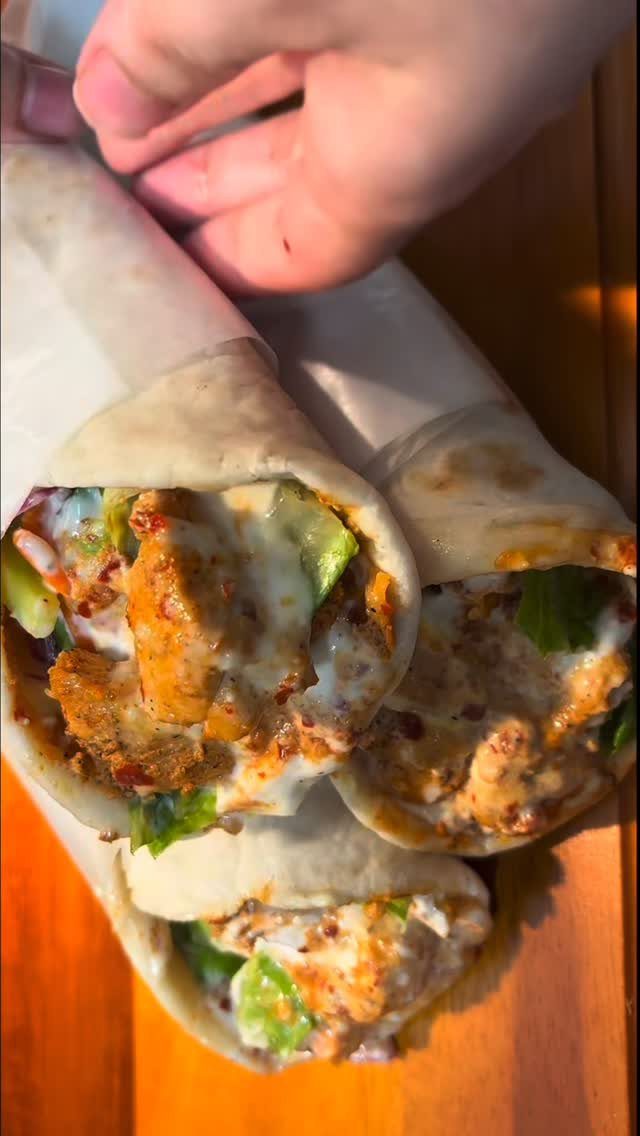
Thin pieces of chicken are what make shawarma quick. Slice the meat into strips, coat them in a shawarma seasoning blend, and let them sit in the fridge while you chop vegetables.
A jar of the blend from the spice aisle works fine, and so does a mix of cumin and paprika.
Sear the strips in a hot skillet until browned at the edges. Plain yogurt stirred with minced garlic makes an easy sauce.
10. Garlic Broccoli Stir-fry
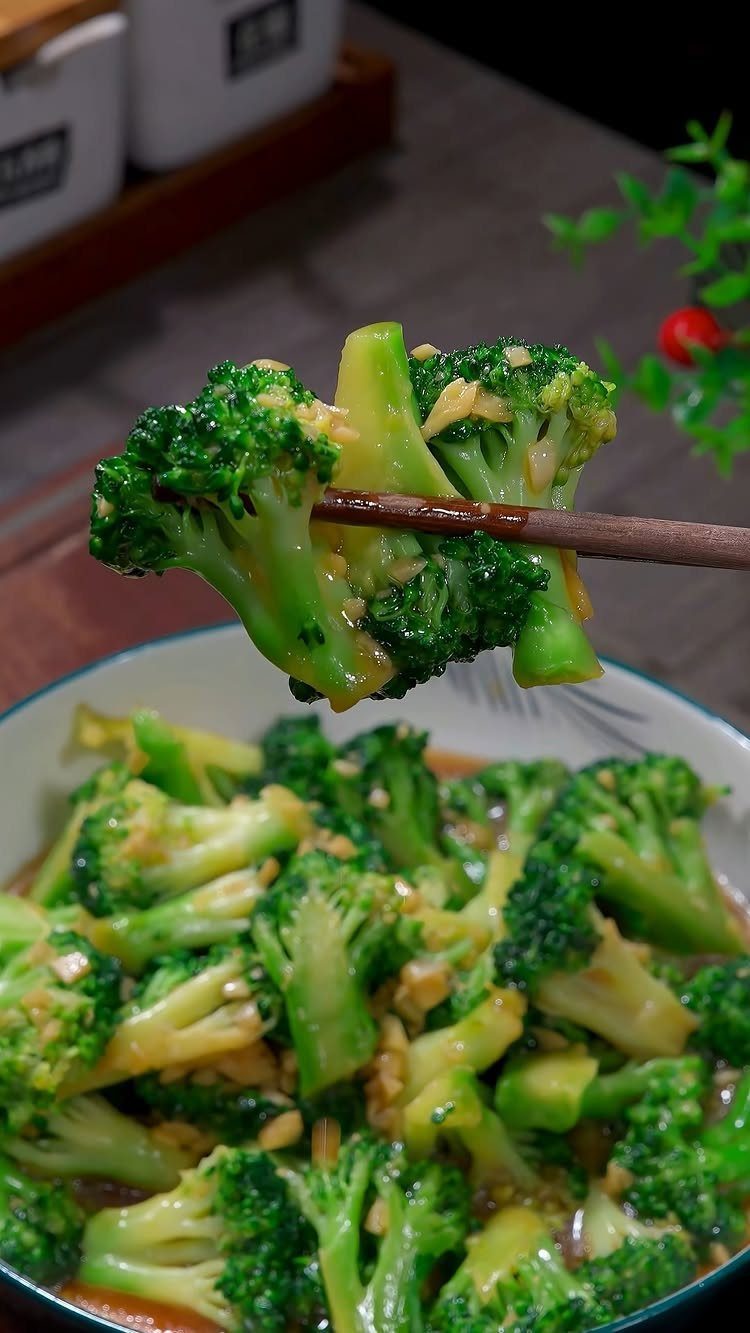
Garlic burns faster than broccoli cooks, so it goes in last.
Cut the florets to a similar size, cook them in a hot skillet with a little oil, and add a splash of water with a lid on to steam them until tender but still bright.
Stir in the minced garlic at the very end, then add a light sauce such as soy sauce. Serve it over rice for a meal, or on its own as a side.
Broccoli is cheap, and the dish takes just 1 pan.
11. Grilled Cheese Sandwiches
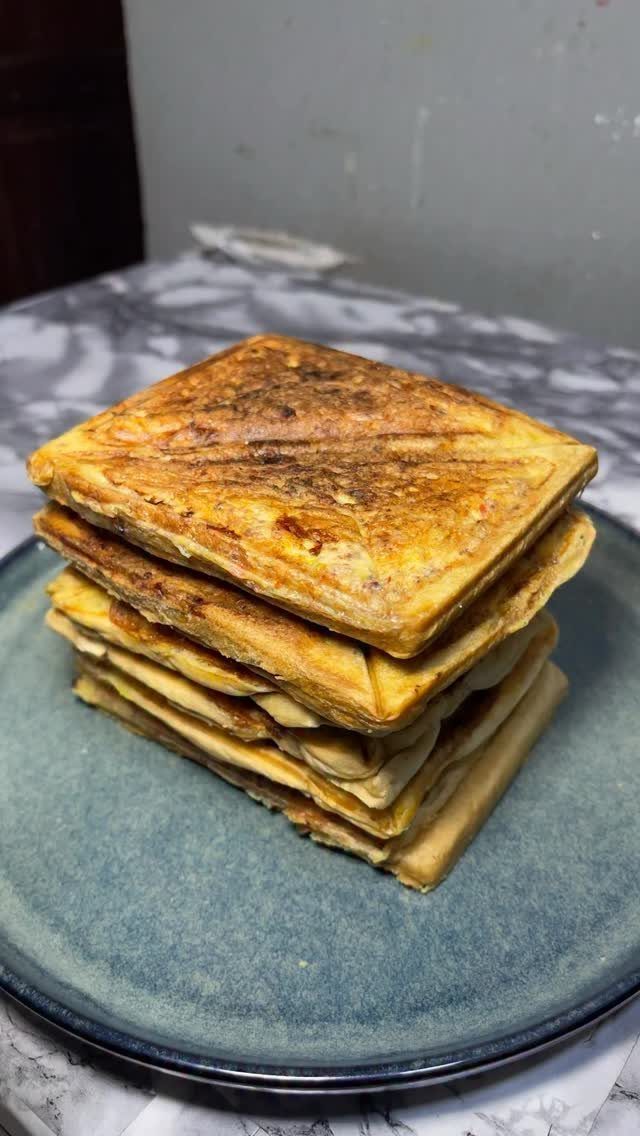
Butter goes on the outside of the bread, and the heat stays at medium-low. That pairing gives you a deep golden crust and cheese that melts all the way through before the toast darkens.
Cover the pan for the last minute if the middle looks stubborn. A cooked batch can wait on a plate while you make the next, so a stack like this feeds a family without anyone eating in shifts.
Cheddar is the easy choice, and a bowl of tomato soup turns it into dinner.
12. Shredded Chicken Wraps
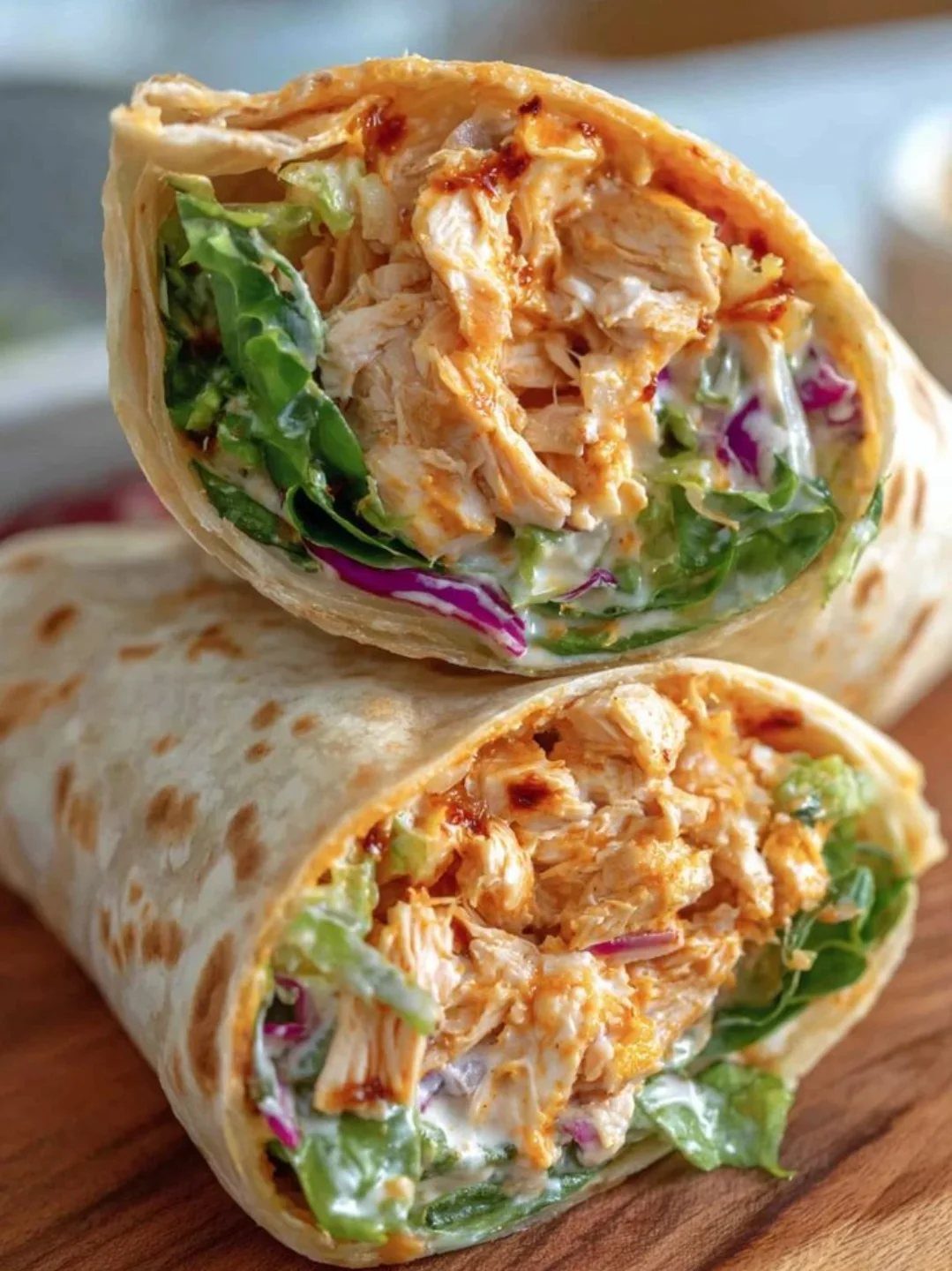
A rotisserie chicken from the grocery store saves you the cooking step. Pull the meat apart with 2 forks, toss it with seasoning, and warm it in a skillet so it picks up the flavor.
Slice the cabbage thin so it stays crisp inside the wrap, and mix the creamy sauce while the chicken heats.
Fill the tortilla, fold it, and toast it in a dry pan for a minute or 2 per side, until it holds its shape.
Lettuce and cabbage together give the filling crunch that soft chicken needs.
Budget and Leftovers
Buy rice, pasta, oats and beans in bulk. All 4 are affordable staples, and they form the base of many weeknight meals.
Check your spice cabinet before you write a shopping list. Spices can make up much of a recipe’s flavor, and you may already own them.
Pick vegetables that are in season. They cost less and taste better than out-of-season ones.
Cook in batches so one session covers more than one night. Yesterday’s dinner can become today’s lunch, so plan a second use for what’s left.
Frozen spinach is a low-cost stand-in for fresh. Stir it in at the very end, because it only needs to defrost, and adding it early turns it black.
Frequently Asked Questions
How to survive on $20 a week for food?
Rice, pasta, oats and dried beans cost the least per serving when you buy them in bulk, so they make a solid base for a $20 week. Each one stretches across several dinners for just pennies a plate.
Look through your spice shelf first, because the cumin, paprika or garlic powder a recipe calls for may already be sitting there. Seasonal vegetables cost less and taste better, and cooking in batches lets one session cover more than 1 night.
What are the basic rules of cooking?
Uniform chunks cook at the same pace, and delicate foods like eggs or fish need lower heat than a steak or a pan of onions. A stew should barely bubble, and grilled cheese does best at medium-low.
Salt pasta water well, but wait to salt a stew until near the end, and taste a sauce with salty olives before adding any. Garlic goes in last because it burns faster than most vegetables cook.
What’s a good lazy dinner?
Canned tuna pasta is the easiest. Shell pasta, drained tuna, corn and spinach come together in 1 pot, and most of it comes from the pantry.
Grilled cheese with a bowl of tomato soup is another low-effort pick. A grocery-store rotisserie chicken pulled into tortilla wraps skips the cooking step.
What are some good starter meals?
Start with spaghetti and tomato sauce: you practice a full boil and a gentle simmer, and both show up in dozens of other recipes.
Chicken stew makes a good next step: sear the pieces, cook an onion down in the same pot, then pour in broth.
Cooking chopped vegetables in a hot skillet and spooning them over rice gives you practice with a knife and with timing in the pan. Apple crumble works as a first dessert because it forgives almost any mistake.